Le Pavillon Myeonangjeong (면앙정)
17.0Km 2024-12-18
402, Jewol-ri, Bongsan-myeon, Damnyang-gun, Jeollanam-do
+82-61-380-2811
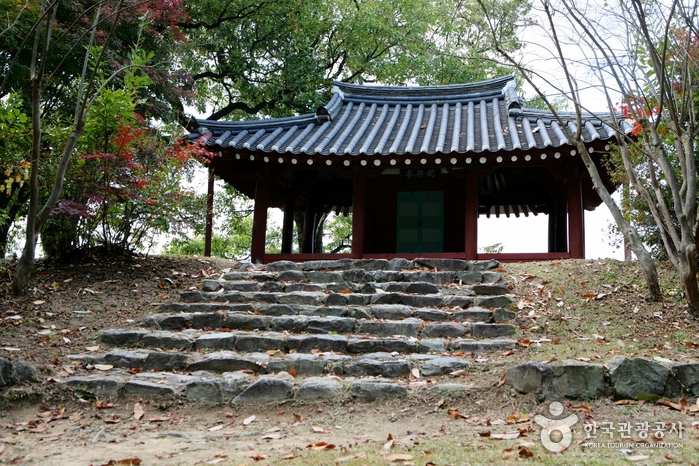
Le Pavillon Myeonangjeong (Monument numéro 6 de la Province de Jeollanam-do) est situé sur le flanc du Mont Jebongsan à Jewol-ri, Bongsan-myeon, Comté de Damyang-gun, Province de Jeollanam-do. Ce pavillon fut établi par Song Sun (1493-1583) en 1533, qui l’utilisa comme endroit où il écrivait ses poèmes et depuis, de nombreux lettrés et intellectuels tels que Lee Hwang (1501-1570) s’y sont rendus pour discuter.
Le toit originel était fait de roseaux, de paille, d’herbe et autres et donc pouvait tout juste aider les gens à se protéger du vent et de la pluie. Après plusieurs réparations, le pavillon est devenu ce qu’il est aujourd’hui. De derrière, vous pouvez voir la châine de montagnes et des champs. De célèbres poèmes de lettrés sont gravés dans des panneaux de bois accrochés sur le mur du pavillon.
Doraemi House / 도래미하우스
18.2Km 2025-08-12
18-26, Dongnyeok-gil, Dado-myeon, Naju-si, Jeollanam-do
+82-10-8616-6725
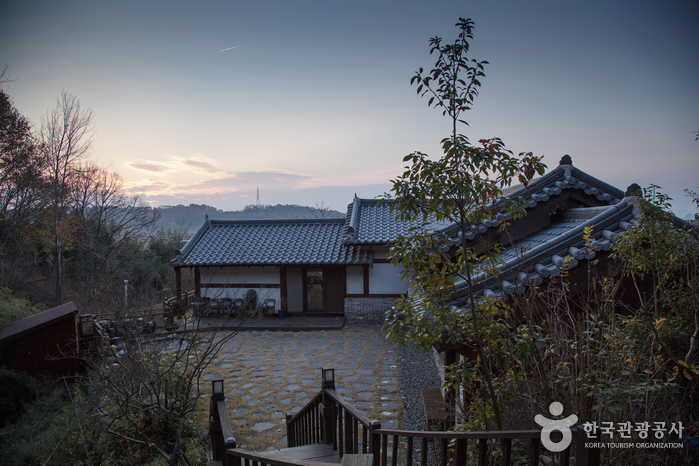
Doraemi House is a hanok stay type of tourist accommodation located in the village of Dorae, Naju City, Jeollanam-do Province. The house was named Doraemi, meaning “the beauty (mi) of Dorae”, in the hope of conveying the beauty of the village. The accommodation consists of three hanok structures - the Bonchae, Sarangchae, and Byeolchae. The Bonchae consists of two bedrooms with a garret; the Sarangchae has 2 bedrooms flanked by a living room; and the Byeolchae, located on a hill, is a cozy single room, with a wooden swing placed in front of the building. Doraemi House is decorated with cozy, natural items that create a relaxing atmosphere. A pleasant forest trail passes by the house and leads to Gyeeunjeong Pavilion, one of the village’s three pavilions, and a small pond. The owner of the house has established a small reading space filled with picture books next to the Bonchae building, where guests can enjoy reading amid a tranquil atmosphere.
Maru-o / 마루오(MARU-O)
18.7Km 2025-03-05
5-8, Baemet 3-gil, Naju-si, Jeollanam-do
+82-61-331-0700
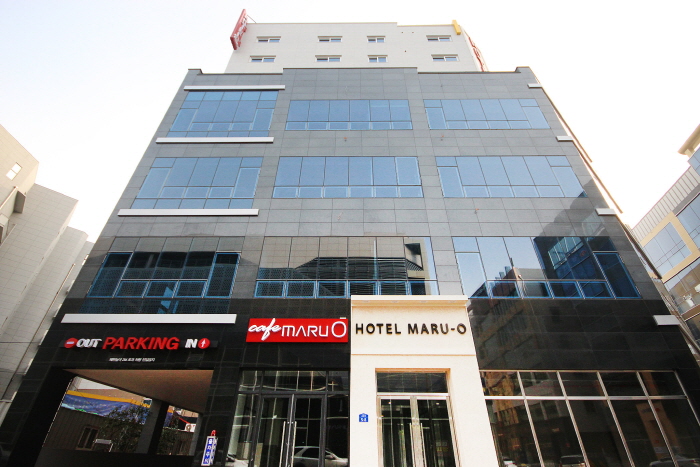
MARU O is a modern business hotel located at the center of Naju Innovation City. Many public enterprises are clustered around the hotel. Therefore, the hotel is loved by business travelers visiting the city, while the neat facilities also attract casual travelers. The Bitgaram Lake Park, right in front of the hotel, is a great place for a walk along the pleasant park surrounding a small lake. At the heart of the park stands Baemesan Observatory where one can enjoy an unhindered view of Naju Innovation City.
The hotel offers a variety of services as well. In particular, there is a charger for electric car drivers in the underground parking lot. Front desk provides tourist guidebooks on Naju and the Jeollanam-do region and lends mobile phone charger for free.
MARU O is about a 12-minute drive away from the KTX Naju Station, and 15 minutes by car from the inter-city bus terminal, Yeongsanpo Hongeo Street or Naju Gomtang Street. In particular, Naju Gomtang Street is a region where famous Gomtang (Naju’s representative food) restaurants are concentrated. As Hayanjib, Naju Gomtang Noamjib, Naju Gomtang Wonjojib and 60-year Nampyeong Halmaejib (some of the best known places) are all found here, just drop in anywhere and you will be able to taste the authentic taste of local dishes.
Musée du Bambou Coréen (한국대나무박물관)
20.0Km 2021-07-02
401-1 Cheonbyeon-ri Damnyang-eup Damnyang-gun Jeollanam-do
+82-61-380-3479
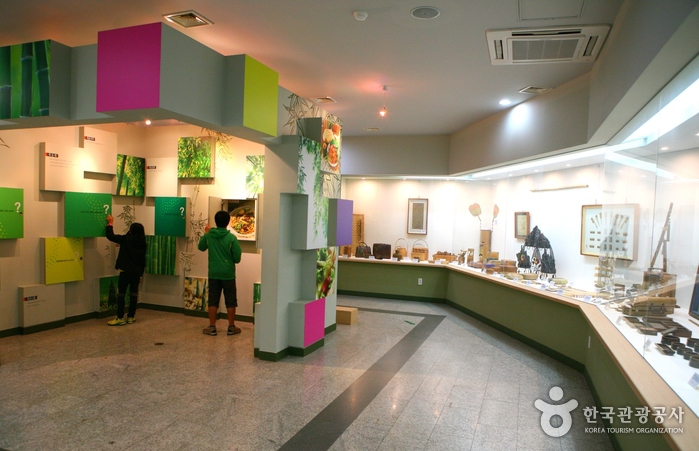
Le Musée du Bambou Coréen a été ouvert en mars 1998. Il s’agit d’un vaste complexe permettant aux visiteurs de découvrir l'univers des produits en bambou en Corée. Il fut établi initialement pour servir de zone de repos pour les visiteurs de Damyang et pour promouvoir les arts uniques du bambou de la région.
Le musée possède cinq salles d’expositions et une collection d’environ 2500 produits en bambou, allant des produits datant de la dynastie Joseon jusqu’à des produits plus modernes ainsi que des produits étrangers. Les arts du bambou de Damyang ont une histoire de plus de 500 ans. De plus, les produits en bambou sont réputés pour leur grande qualité grâce notamment à leur resistance puisque dans la mesure où seuls des produits sur mesure sont utilisés par les artisans.
Le musée propose également chaque année un festival autour du bambou au mois de mai.
 Français
 한국어
한국어 English
 日本語
日本語 中文(简体)
 Deutsch
 Español
 Русский


