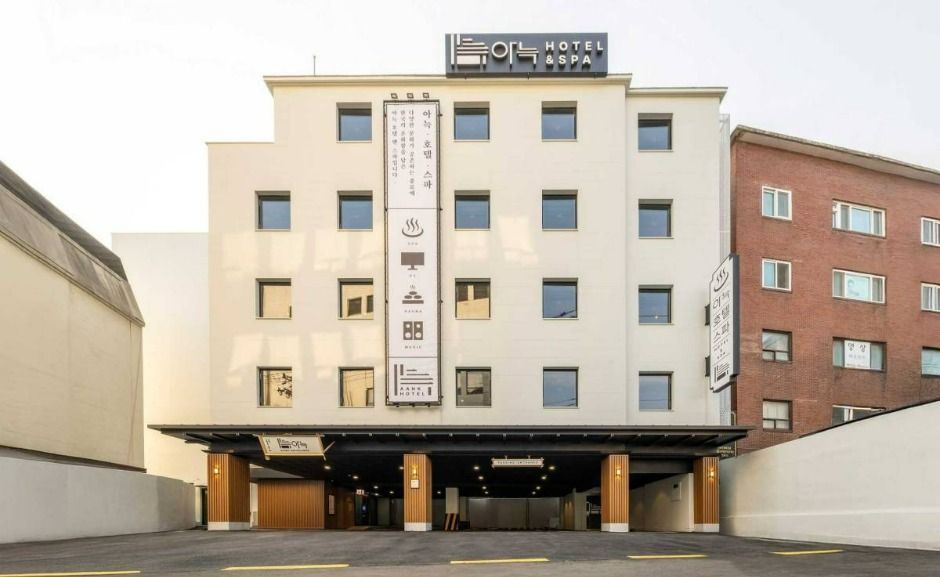
Aank Hotel & Spa Jongno Unni Branch (아늑호텔 앤 스파 종로운니점)
871.7M 2025-04-25
89, Donhwamun-ro 11ga-gil, Jongno-gu, Seoul
Aank Hotel & Spa Jongno Unni Branch embodies the warmth and charms of Korea. Guests are welcome to unwind with diverse room options to choose from such as the msuic room, signature spa room, desktop 2-PC room, and standard room. It's location in the heart of Seoul makes it a great place for tourists as well as well.

Groundseesaw Seochon (그라운드시소 서촌)
873.0M 2024-04-19
Jahamun-ro 6-gil 18-8, Jongno-gu, Seúl
Groundseesaw es un espacio cultural combinado que presenta la productora de exposiciones MEDIA & ART en Seochon, Jongno, donde convergen la historia, el arte y la cultura, y ha sido diseñado por el estudio de arquitectura SoA y el estudio de paisajismo Loci Studio. En Groundseesaw Seochon podrá encontrar diversas exposiciones.
Museo Kimchikan (뮤지엄 김치간)
884.4M 2025-05-26
Insadong-gil 35-4, Jongno-gu, Seúl
Desde su fundación en 1986, el Museo Kimchikan ha expuesto las reliquias históricas relacionadas con el kimchi, los diversos tipos, maquetas de los procesos del preparado, e información sobre la eficacia derivada de su proceso de fermentación. Los visitantes aprenderán sobre el origen y la historia del kimchi a través de libros, pinturas y escrituras antiguas, y los diferentes tipos de vasijas almacenadoras de kimchi junto con los utensilios tradicionales de cocina que se utilizaban para prepararlo. También se exponen diferentes tipos de kimchi característicos en cada región de Corea y espacios para actividades.
![Palacio Changdeokgung y Jardín Huwon (창덕궁과 후원) [Patrimonio Cultural de la Humanidad de la Unesco]](http://tong.visitkorea.or.kr/cms/resource/03/3092503_image2_1.jpg)
Palacio Changdeokgung y Jardín Huwon (창덕궁과 후원) [Patrimonio Cultural de la Humanidad de la Unesco]
899.8M 2025-08-08
Yulgok-ro 99, Jongno-gu, Seúl
El palacio Changdeokgung se compone de un espacio para el oficio de los funcionarios públicos, la residencia del rey y el jardín de la parte posterior. El palacio Changdeokgung es el único palacio que preserva el estilo arquitectónico de la dinastía Joseon. El jardín posterior, Huwon, utilizado por el monarca como lugar de descanso, tiene árboles de 300 años de edad, un estanque y un pabellón organizados en forma armoniosa con la naturaleza.
Entrando por la puerta Donhwamun se accede al interior del palacio, y allí aparece el puente Geumcheongyo hacia la derecha. Construido durante el 11er. año del gobierno del rey Taejong (1411), este puente de piedra es el más antiguo en su estilo que quedan en pie dentro de Seúl. La entrada a Injeongjeon (la cámara de la audiencia real) se encuentra al final de este puente y la cresta del techo de la cámara está decorada con figuras de flores. Estas figuras fueron añadidas por el gobierno de la ocupación japonesa para avergonzar a la familia real y no se las puede ver en ningún otro techo. Sobre cada alero del techo de Injeongjeon se colocaron nueve estatuas. Estas estatuas eran para ahuyentar los malos espíritus y el número de ellas difiere entre las edificaciones: cinco sobre cada alero del techo del Portal Jinseonmun y siete en la puerta Donhwamun. Detrás de la puerta derecha de Injeongjeon, se halla la cámara oficial del rey denominada Seonjeongjeon. Solo para este palacio se utilizaron tejas azules, lo que da a comprender el significado de las tejas azules de Cheong Wa Dae (también conocida como la Casa Azul).
El sendero de cemento que se extiende entre las paredes de los palacios Changdeokgung y Changgyeonggung conduce al jardín Huwon. Aquí se elevan los pabellones Buyongjeong y Juhamnu, que frecuentemente aparecen en fotografías que presentan Corea. El jardín tiene una forma similar a la letra C, con un estanque en el centro. Asimismo, para llegar a Yeongeongdang, la residencia de 99 ambientes de la familia noble de los más altos honores, uno debe pasar obligatoriamente por la puerta Bullomun hecha con una roca tallada en forma de C.
Insadong Chatjip (인사동찻집)
901.9M 2025-06-24
33-1, Insadong-gil, Jongno-gu, Seoul
Insadong Chatjip is a hanok teahouse that serves home-made traditional tea. Even the red beans used in the summer delicacy patbingsu
Insa-dong Antique Art Street (인사동 고미술거리)
939.6M 2025-08-04
29, Insadong-gil, Jongno-gu, Seoul
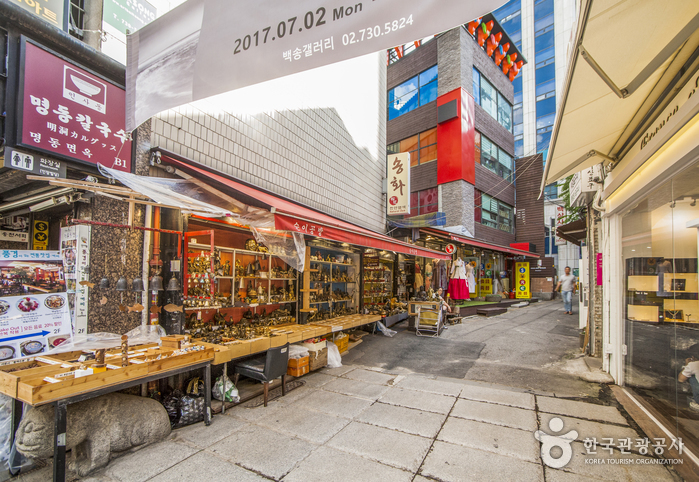
As of today, there are approximately 70 shops in the Insa-dong area that sell antique arts. Some of the products they sell include antique artworks, porcelains, woodcrafts, and metalwork. Visitors may even find rare and valuable products such as earthenware from the Silla period or white porcelain used in the Joseon dynasty. Each shop is a specialty store, authorized to sell product types that are of their expertise, ranging from antique furniture and traditional artworks to handcrafted items.
Imun Seolnongtang (이문설농탕)
941.9M 2025-08-08
38-13, Ujeongguk-ro, Jongno-gu, Seoul
Imun Seolnongtang has been serving its hearty seolleongtang for over a hundred years since it first opened in 1907. Even its name has a long history: the word imun comes from Imun-gol, the now-obsolete name of the restaurant’s location, and seolnongtang, an old variation of the word seolleongtang. During the Japanese ocupation rule, the restaurant’s regular customers included Gijeong Son, the marathon gold-medalist at the 1936 Berlin Olympics. To make the rich seolleongtang broth, beef meat and bones are simmered for more than 15 hours. Try putting rice and minced green onion in your seolleongtang for a warm and tasty experience. Kkakttugi (diced radish kimchi), provided as a side dish, is also delicious.
Haeunjae / 하은재
945.5M 2025-08-12
68-10, Jahamun-ro, Jongno-gu, Seoul
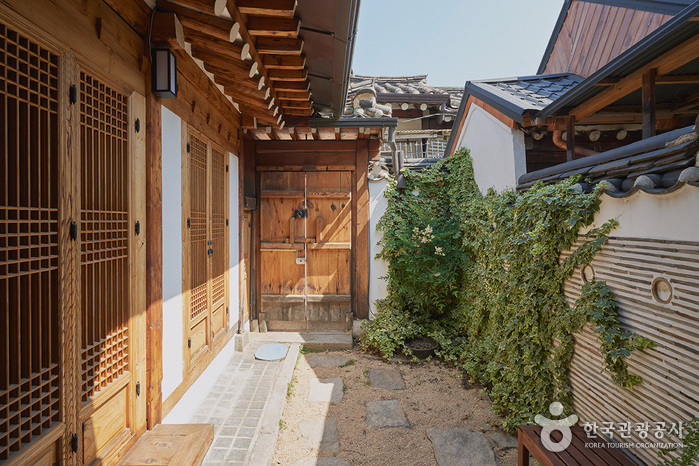
Haeunjae (下隱齋), meaning “hermit’s residence,” is a hanok (traditional Korean house) residence located in Seochon Hanok Village, near Gyeongbokgung Station on Seoul Subway Line 3. It is dedicated to the ideal of “movies and rest,” and takes after the characteristic form of modern hanok with a small courtyard. The entire house is rented out at once, with a queen bedroom, kitchen, movie room, and two restrooms. Up to 4 guests can reserve the house, with each additional guest above the standard of 2 having access to additional bedding.
The movie room is furnished with a Bose sound system, beam projector, and screen, along with a mobile foot bath. The kitchen is equipped with a refrigerator, hand drip coffee maker, toaster, electric kettle, and utensils. A 10% discount is available for guests staying for more than 2 nights on weekdays, and towel replacement and cleaning services are offered for guests staying for more than 3 nights.
The residence is located close to tourist sites like Tongin Market, Gyeongbokgung and Changdeokgung Palaces, and Samcheong-dong area.
Sieunjae / 시은재
953.5M 2025-08-13
439, Samil-daero, Jongno-gu, Seoul
+82-10-5355-3029
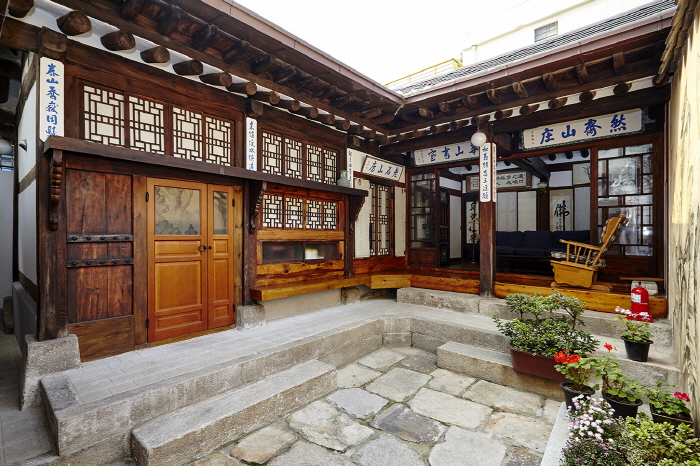
Located in Gyeongun-dong, Jongno-gu at the very heart of Seoul, Sieunjae is a hanok with a longstanding tradition. It has three guestrooms including the anbang (main room), byeolchae (detached building), and jakeunbang (small room). The anbang is the only room with a living room, where various items of old furniture, including a comfortable sofa, create an antique atmosphere. The communal bathroom and toilets are supplied with toiletries, while the communal kitchen is equipped with cooking equipment and a washing machine.
The house can be rented either as individual accommodations or in its entirety. As it is situated in Jongno-gu, at the very heart of Seoul, guests can easily reach many nearby major tourist attractions. Car users are advised to use the public parking lot as the house has no parking spaces. Entering by a small gate, the little flowerbed comes into sight. This old hanok shows traces of repair works on the tiled roof.
Yoo's Family (유즈패밀리)
977.0M 2022-09-21
Yulgok-ro 10-gil 19, Jongno-gu, Seúl.
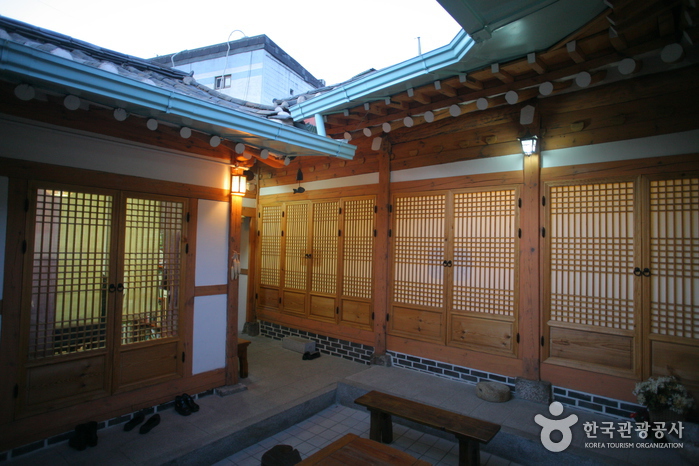
La Aldea Tradicional Bukchon, situada entre el palacio Gyeongbokgung, el palacio Chandeokgung y el Santuario Real Jongmyo, es un lugar histórico con más de 600 años de tradición. Las casas tradicionales coreanas, ubicadas entre dos palacios majestuosos, crean una vista singular y es uno de los sitios más buscados por los fotógrafos profesionales. Yoo's Family es una casa tradicional coreana que ofrece cursos y clases sobre actividades tradicionales coreanas a los extranjeros para que pueda vivir la cultura coreana de manera divertida e interesante. Se pueden hacer reservas por teléfono.
 Español
 한국어
한국어 English
 日本語
日本語 中文(简体)
 Deutsch
 Français
 Русский


