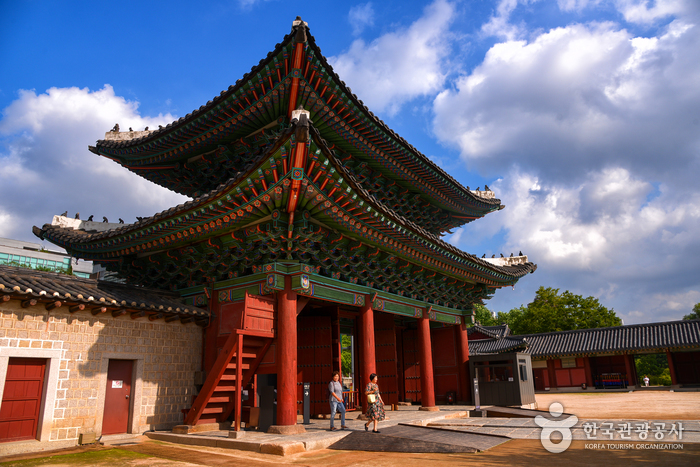
Puerta Honghwamun del Palacio Changgyeonggung (창경궁 홍화문)
1.1Km 2025-08-08
Changgyeonggung-ro 185, Jongno-gu, Seúl
Es la puerta instalada en el noreste de la muralla de Seúl, siendo una de las 4 principales. Fue construida en el mes de septiembre del 5º año del rey Taejo (1396), y en aquel momento fue denominada Honghwamun. Pero en el año 1483, al 14º año del reinado de Seongjong, se reconstruyó el palacio Changgyeonggung, pero su puerta oriental también se llamaba Honghwamun, por la que se le cambió el nombre a Hywahwamun en 1511. La puerta fue destruida cuando se abrió una calle para coches durante el período de la ocupación japonesa, en la primera mitad del siglo XX, pero en 1992 fue reconstruida y recuperó su nombre original.
Mallijihwa Main Branch (만리지화 본점)
1.1Km 2025-11-27
17, Jong-ro 3-gil, Jongno-gu, Seoul
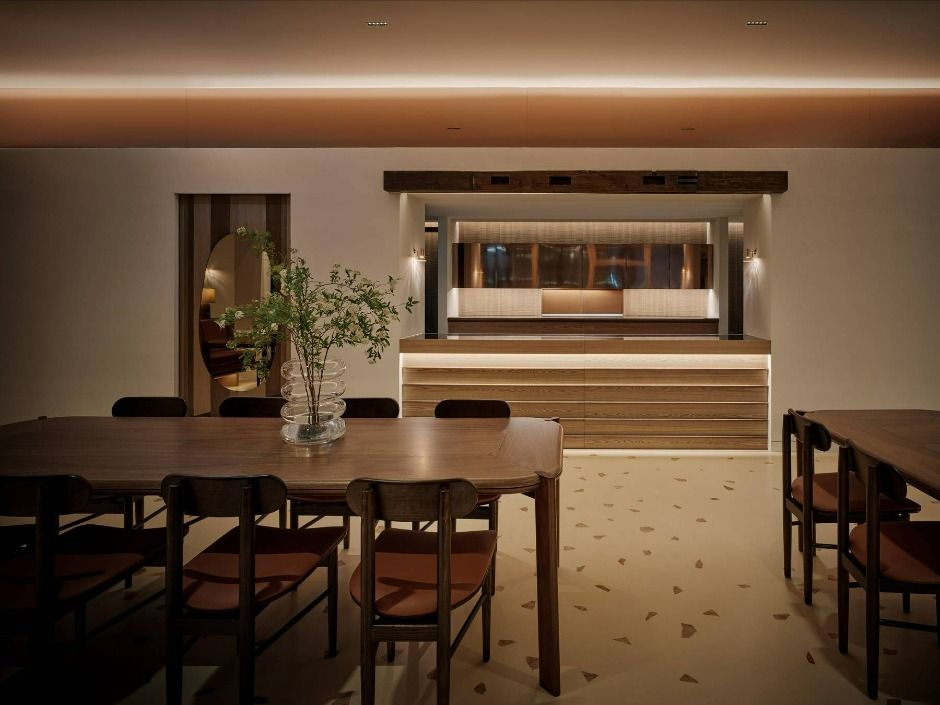
Mallijihwa, which embodies the meaning "eel that travels 10,000 ri and met fire," is an eel dining brand that modernizes the depth of Korean gastronomy. The restaurant's name was inspired by the eel's remarkable strength to swim across vast oceans to its spawning grounds—so significant that it is referred to as "malli fish" in the "Donguibogam" ("A Precious Mirror of Eastern Medicine"). Hence the name, Mallijihwa specializes in serving grilled eel, which is carefully grill with briquettes. The restaurant reinterprets eel with Korean aesthetics, offering a comfortable and elegant dining experience in a space that blends traditional architectural elements with a modern twist. The dishes served here offers an outstanding dining experience where the texture of the eel melts in one's mouth, and its flavor lingers long after. Signature dishes include grilled eel rice bowls, grilled eel, eel gujeolpan (platter of nine delicacies), and eel meal courses. The restaurant also offers seasonal lunch box made with fresh, seasonal ingredients.
Modern Shabu House Gwanghwamun D Tower Branch (모던샤브하우스 광화문D타워점)
1.1Km 2025-12-03
17, Jong-ro 3-gil, Jongno-gu, Seoul
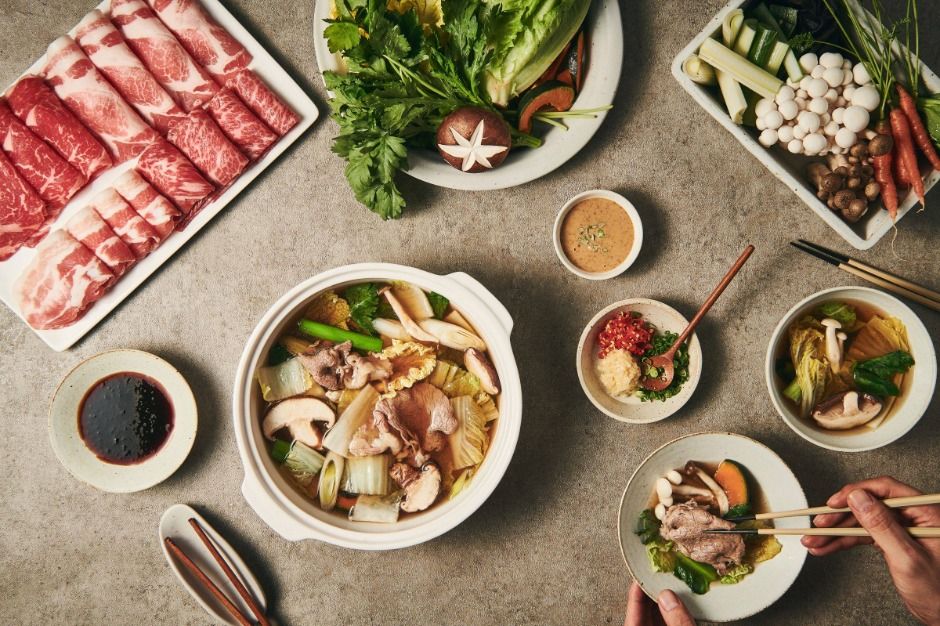
Located in Jongno-gu, Modern Shabu House Gwanghwamun D Tower Branch offers a selection of specialty broths to enjoy unlimited beef, pork, and vegetables. The restaurant serves four cuts of pork and beef in every course. The interior is designed with natural materials like earth, stone, and wood, inspired by the fluid process of cooking ingredients like meat and vegetables in a pot. The design reflects the natural movement and flow of ingredients as they cook together. The restaurant also has a range of private rooms, making it a popular choice for families with children and for gatherings, providing a comfortable dining experience.

Gwanghwamun Hanokjip (광화문한옥집)
1.2Km 2025-07-18
7, Saemunanro 5ga-gil, Jongno-gu, Seoul
Gwanghwamun Hanokjip offers an authentic Korean dining experience while serving traditional Korean cuisine and keeping its traditional atmosphere alive. The best menu at the restuarant is kimchi cabbage wraps with pork. The restaurant is located near the Gwanghwamun Gate, Seoul.
Ilpumdang Premium (일품당프리미엄)
1.2Km 2025-07-18
7, Saemunan-ro, 5ga-gil, Jongno-gu, Seoul
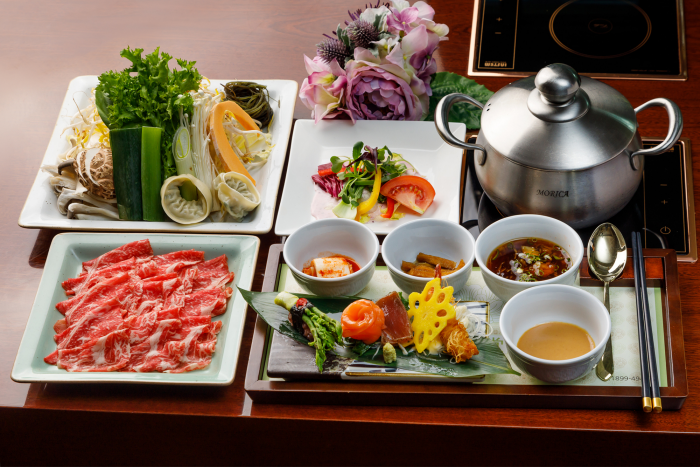
A shabu-shabu specialty restaurant located in Gwanghwamun Gate, Seoul. A store with rooms. The most famous menu is shabu-shabu.
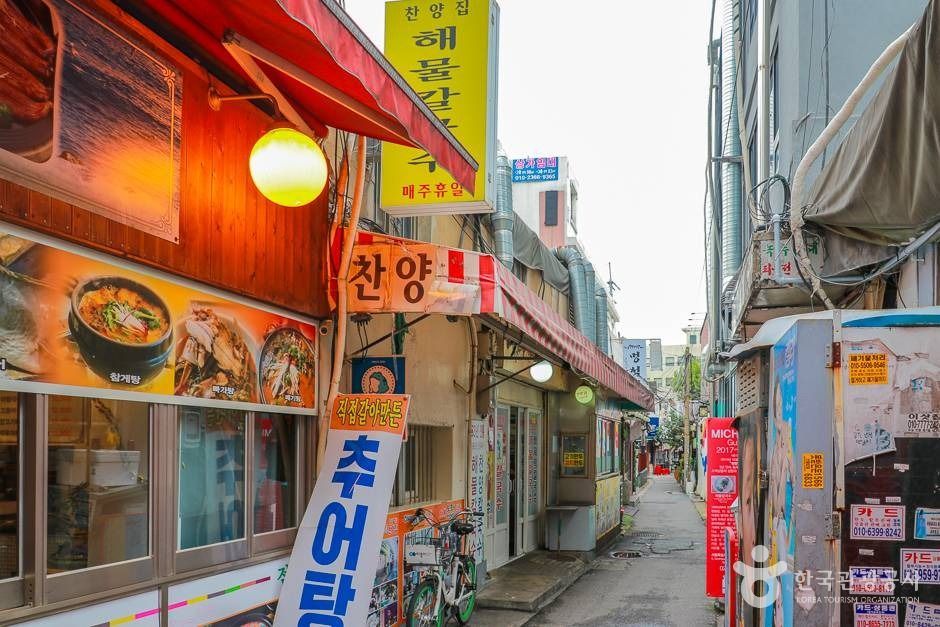
Chanyangjip (찬양집)
1.2Km 2025-07-18
5, Donhwamun-ro 11da-gil, Jongno-gu, Seoul
A popular attraction since the early 1970’s, this rather shabby and hard-to-spot restaurant has attracted many customers with its representative menu item, haemul kalguksu (seafood noodle soup). The soup is delicious and plenty enough for a hearty meal compared to its relatively low price. The noodles are chewy as they are freshly prepared every day and the clam-broth soup is full of flavor. The appearnce of this restaurant may seem old, but it's a recommended spot for a simple and delicious meal.
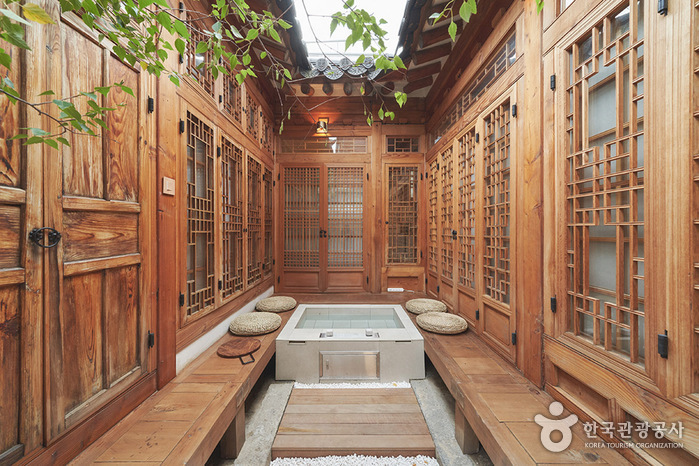
Of one book and stay / 일독일박
1.2Km 2025-08-11
11-1, Pirundae-ro 3-gil, Jongno-gu, Seoul
This hanok (traditional Korean house) is located in Seochon Village near Gyeongbokgung Palace. It is a modern C-shaped hanok centered around the inner courtyard, which is the first thing that the guests see after entering through the gate. While it is not expansive, white pebbles and a foot bath make this hanok a unique one. One can enjoy a foot bath while sitting on the porch.
The bedroom, which is located beyond the living room, is furnished with a queen-sized bed. Opening the screen doors brings one to the view of the kitchen area beyond the inner courtyard. A large table, plush sofa, and a small bookcase make the space ideal for books and discussions. Climbing the wooden ladder to the side of the kitchen brings one to the attic, which also doubles as a Korean-style room with a skylight. The kitchen is furnished with a refrigerator, microwave oven, gas stove, electric kettle, toaster, pots, utensils, wine glasses, and bottled water. There is a restroom with a bathtub. The standard occupancy of the house is 4 people.
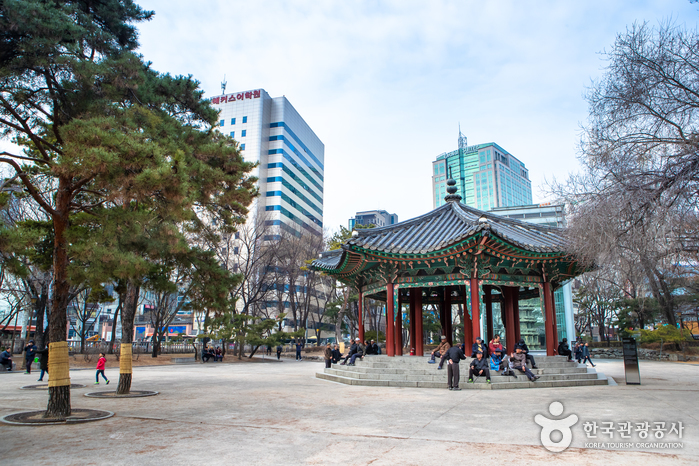
Parque Tapgol (탑골공원)
1.3Km 2021-12-30
Jong-ro 99, Jongno-gu, Seúl
+82-2-731-0534
También conocido como Parque Pagoda, el Parque Tapgol, localizado al lado del templo Weongaksa de la era Joseon, es el primer parque moderno construido en Seúl. El remplo Weongaksa era conocido como templo Heungboksa durante la dinastía Goryeo, pero fue renombrado cuando fue ampliado durante los inicios de la era Joseon. Sin embargo, fue destruido durante el reinado de Yeonsangun y Jungjong debido a la fuerte política de represión hacia el budismo. Más adelante, un parque occidental fue contruido a propuesta del inglés John Mcleavy Brown, pero no hay información precisa sobre la razón y la fecha. El parque contiene varios tesoros nacionales, incluidas la placa que conmemora el movimiento independentista Wongaksaji y la estatua de Byeong-hee. El parque es de gran valor histórico y un espíritu nacional al ser el punto de inicio de la Protesta de Independencia del 1° de mayo de 1919.
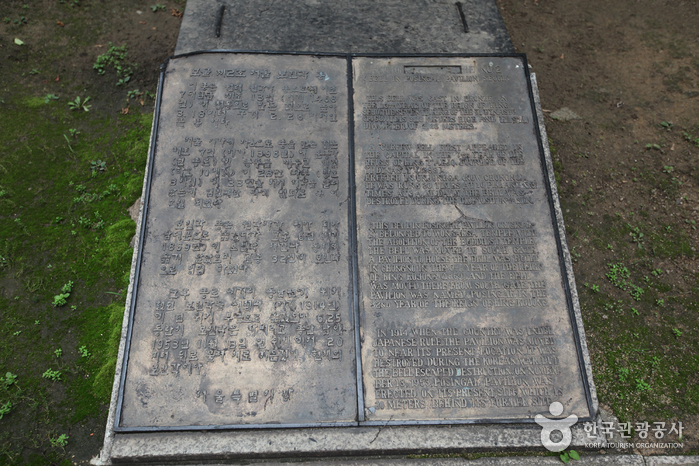
Campanario Bosingak (보신각 터)
1.3Km 2025-06-25
Jong-ro 54, Jongno-gu, Seúl
El campanario Bosingak es el lugar en donde se encontraba la campana que daba la señal de la hora, tanto para las áreas del interior y exterior de la muralla de la ciudad capital. Fue construido en el 13º año (1468) del reinado de Sejo de la época Joseon, y en aquel tiempo, se fundó también el templo Wongaksa, pero fue trasladado al sitio actual, durante el reinado de Gwanghaegun (1619). En la antigüedad, la campana se tocaba 33 veces a las 04:00, y 28 veces a las 22:00, y era utilizada para dar la señal de la hora, y como símbolo de la apertura y cierre del portón de la muralla. Es un patrimonio cultural de gran valor para los estudios académicos. Siendo el Tesoro, la pieza original se encuentra en el Museo Nacional de Corea.
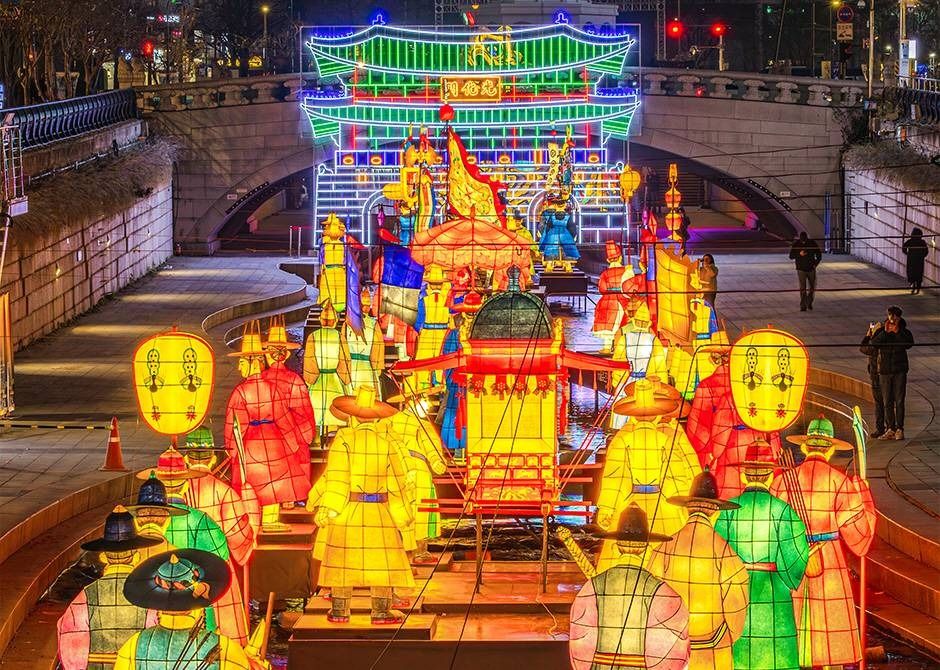
Festival de los Faroles de Seúl (서울빛초롱축제)
1.3Km 2025-12-31
Taepyeong-ro 1-ga 1, Jung-gu, Seúl.
02-3788-8168
Es un festival internacional de faroles realizado desde el año 2009 en pleno centro de Seúl. Este año, en la edición 2025-2026, habrá unas estructuras iluminadas sobre dos arroyos de la ciudad: Cheonggyecheon y Uicheon.
 Español
 한국어
한국어 English
 日本語
日本語 中文(简体)
 Deutsch
 Français
 Русский


