Cheonmachong Tomb (Daereungwon Ancient Tombs) (천마총(대릉원))
1.1Km 2025-05-21
9 Gyerim-ro, Gyeongju-si, Gyeongsangbuk-do
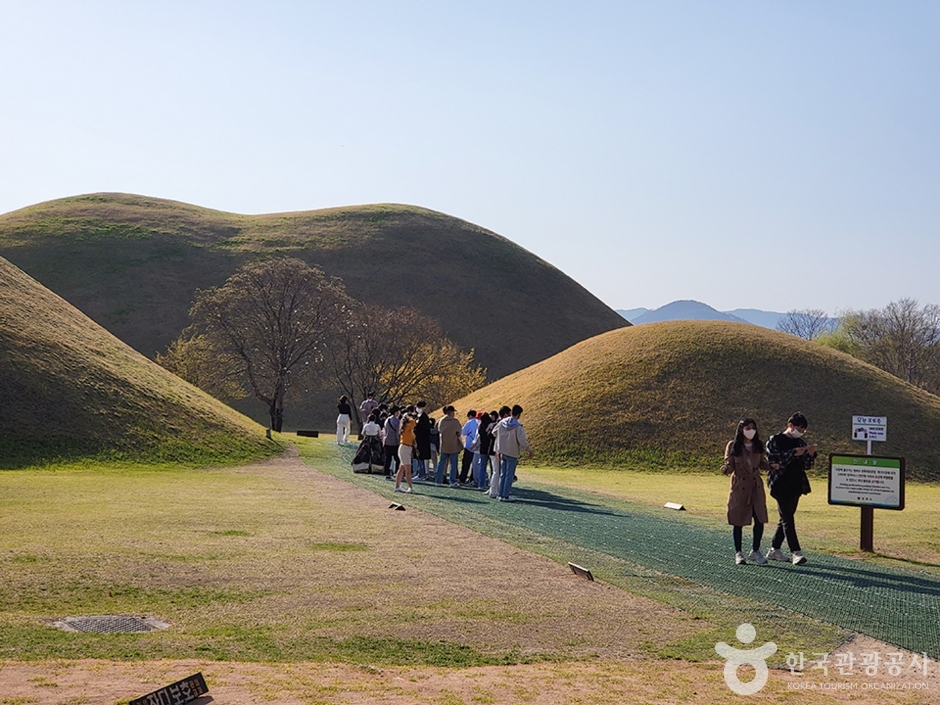
Daereungwon Ancient Tombs are one of the most well-known sights in Gyeongju, a history park home to 23 small and large ancient tombs. The area is dotted with tranquil trails among the tombs like the largest tomb in Hwangnam-dong, Hwangnamdaechong Tomb; Cheonmachong Tomb, the place where Cheonmado, a saddle flap painting, was excavated from; and the tomb of King Michu, nicknamed the “Tomb of the Bamboo Warrior.”
Cheonmachong Tomb, excavated in 1973, has a x_height of 12.7 meters and a diameter of 50 meters. Its excavation unearthed many artifacts, such as the famous Gold Crown from Cheonmachong Tomb. Its name comes from Cheonmado, a mudguard saddle flap with a painting of a heavenly horse. Cheonmachong Tomb is the only tomb in the Daereungwon Ancient Tombs to be opened to the public.
The tomb is thought to have been constructed between the late 5th century and early 6th century. Artifacts excavated from the tomb include a gold crown, gold cap, gold waist belt, gold diadem, and gilt-bronze shoes worn by the buried. The gold crown, in particular, is known as the largest and the most elaborate of all gold crowns unearthed in Korea. The artifacts themselves can be found in Gyeongju National Museum, so don’t miss the chance to see them in person.
Another must-visit site is the Daereungwon Magnolia Photo Area, a lone magnolia tree standing between the beautiful curves of ancient tombs.
Gyeongju Daereungwon Ancient Tomb Complex (경주 대릉원 일원)
1.1Km 2025-10-23
9 Gyerim-ro, Gyeonju-si, Gyeongsangbuk-do
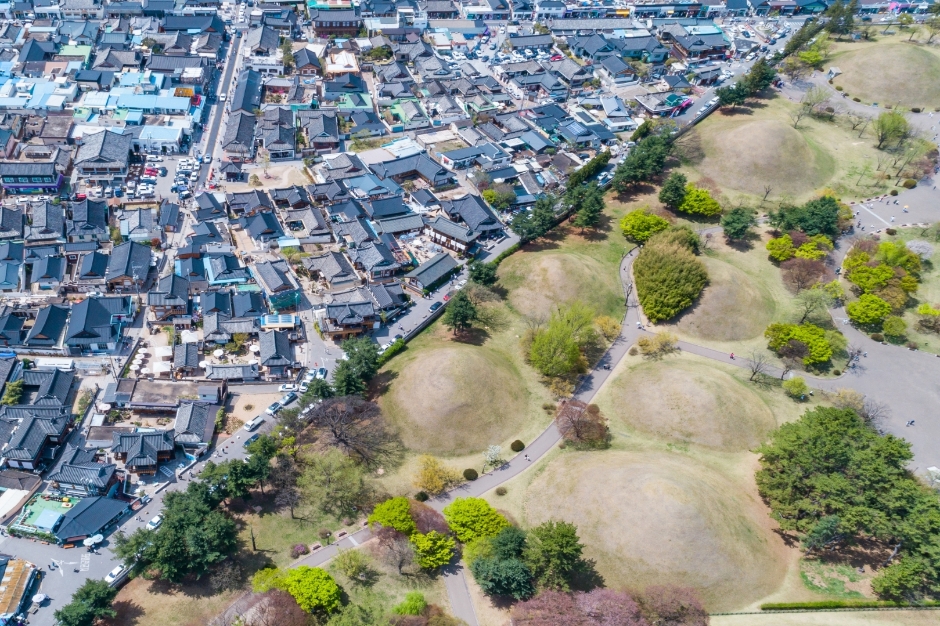
Gyeongju Daereungwon Tomb Complex consists of five tombs, Ancient Tombs of Gyeongju Nodong-ri, Noseo-ri, Hwangnam-ri, Hwango-ri, and Inwang-ri. The tombs are distributed in Hwangnam-dong, Gyeongju-si, and are located in the Daereungwon area. Within Daereungwon Tomb Complex is Cheonmachong Tomb, which was excavated in 1973. Furthermore, Hwangnamdaechong Tomb was excavated between 1973 and 1975, and is a set of twin tombs belonging to a presumed married couple.
Gyeongju Ssambap Street (경주 쌈밥거리)
1.1Km 2025-06-13
9 Gyerim-ro, Gyeongju-si, Gyeongsangbuk-do
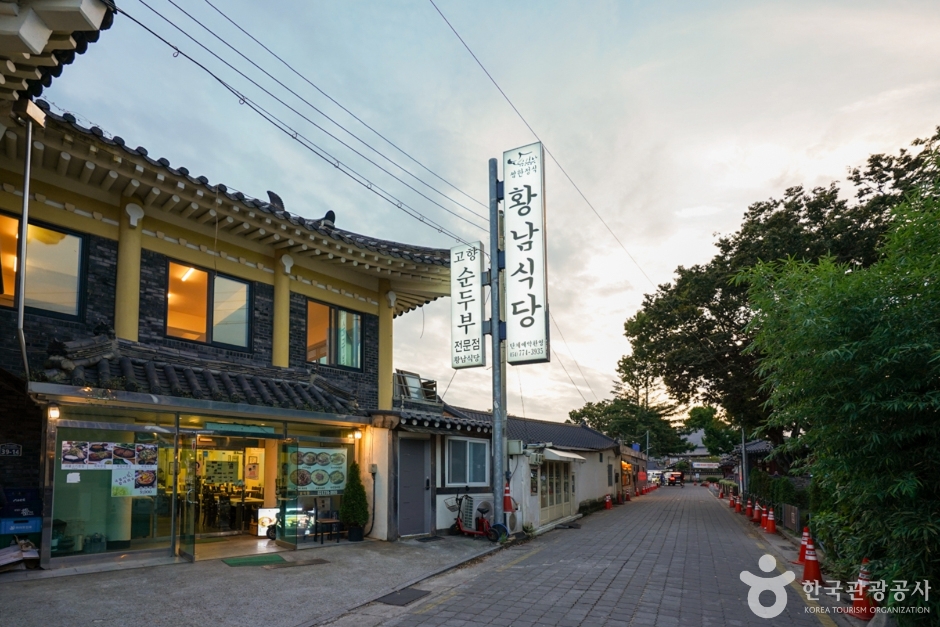
Gyeongju Ssambap Street, developed around the Daereungwon Ancient Tomb Complex in Gyeongju, offers a diverse culinary experience. A highlight is ssambap (leaf wraps and rice), a dish featuring fresh vegetables accompanied by substantial side dishes like fish, meat, and doenjang jjigae (soybean paste jjigae) made from homemade soybean paste. Additionally, this street presents a variety of snacks, including Hwangnam ppang (Hwangnam bread) prepared with red beans and flour, and jjondeugi, a traditional chewy snack made from cornmeal and sugar. Nearby attractions include the Cheomseongdae Observatory, Donggung Palace and Wolji Pond, Woljeonggyo Bridge, and the Gyeongju National Museum.

Gyeongju National Museum (국립경주박물관)
1.2Km 2025-05-21
186 Iljeong-ro, Gyeongju-si, Gyeongsangbuk-do
Gyeongju National Museum houses numerous historical and cultural artifacts of the Silla dynasty (57 BC-AD 935). The museum provides various programs including at the Children’s Museum School. The newly renovated Silla Art Gallery and Silla History Gallery lobby by Teoyang Studio are popular among visitors. This multi-complex center provides the history of Silla with various artifacts.
Hwangnambbang (황남빵)
1.3Km 2025-03-24
783 Taejong-ro, Gyeongju-si, Gyeongsangbuk-do
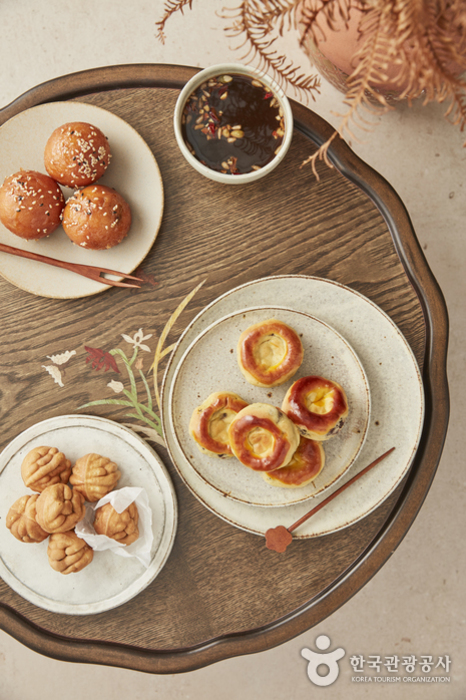
Hwangnamppang, which literally means Hwangnam bread, was created in Hwangnam-dong, Gyeongju, in 1939, and the name was popularized among people who came to Gyeongju to buy this bread. Now branded as "Hwangnambbang," the late Choi Yeong-hwa, the founder of Hwangnam Bread, was a scion of the Gyeongju Choi family who came up with this masterpiece when he was 21 years old after much trial and error. Choi’s creation is based on the tradition of rice cakes and bread made with sweet red beans, passed down throughout the generations in his family. Even today, 80 years after the creation of the bread, it is only flavored with red beans. Another defining feature of Hwangnambbang is the delicate comb pattern inspired by the aesthetics of the Silla period.
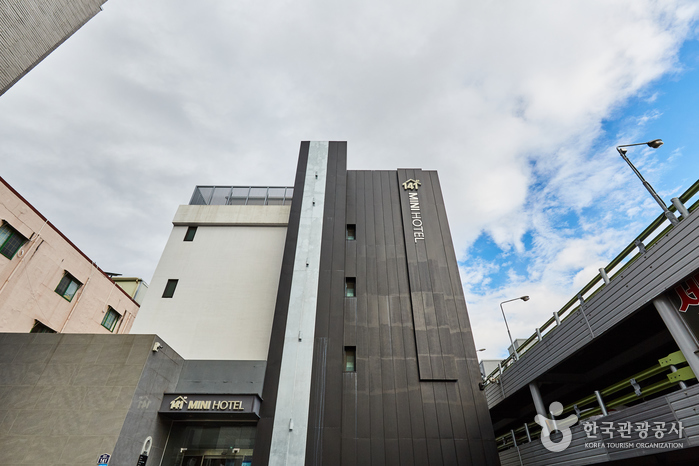
141MINIHOTEL (141미니호텔)
1.4Km 2024-12-19
141 , Wonhyo-ro, Gyeongju-si, Gyeongsangbuk-do
The 141 Mini Hotel is in Gyeongju, Gyeongsangbuk-do - capital of the ancient Silla kingdom and often described as ‘a museum without walls’. The hotel caters to both holiday and business travelers, and hotel facilities include a book cafe, gallery, board game room, and business center, so visitors enjoy hotel-level convenience at motel-level prices. Gyeongju Station and Gyeongju Express Bus Terminal are just 5 minutes and 10 minutes away respectively; while tourist sites such as Daereungwon Tomb Complex, Donggung Palace and Wolji Pond, Cheomseongdae, and Bulguksa Temple are all nearby.
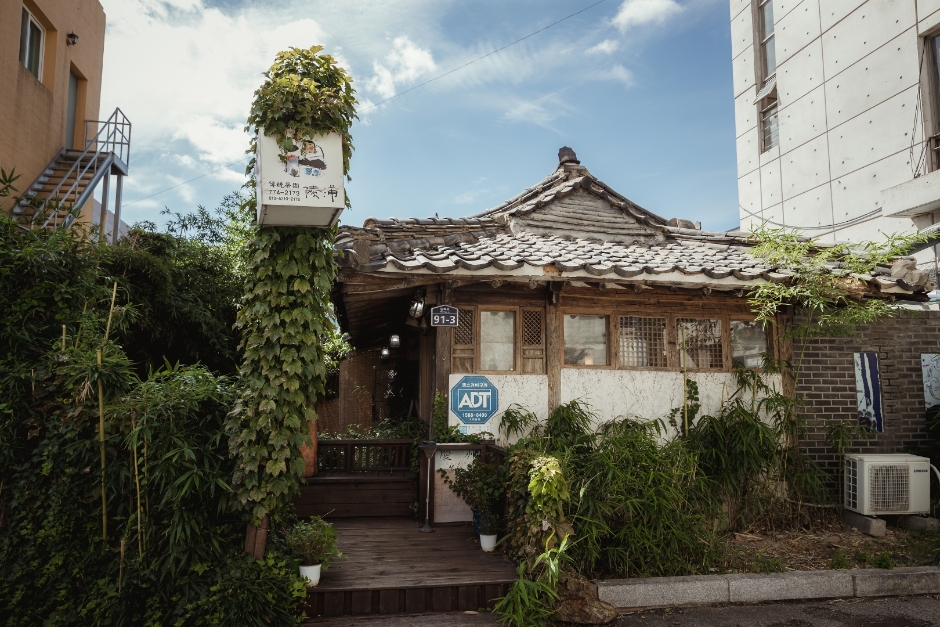
Neungpo Dawon (능포다원)
1.5Km 2025-10-29
91-3 Wonhyo-ro, Gyeongju-si, Gyeongsangbuk-do
A traditional Hanok tea house subtly nestled among buildings. It served as the filming location for the traditional tea house “Arisol” managed by Gong Yoon-hee in the movie “Gyeongju.” The tea, brewed by the owner, boasts a rich flavor. The painting “Chunhwa” that served as the movie's motif is a work by the husband of the tea house owner. Various artworks, starting with “Chunhwa,” are displayed throughout the tea house.
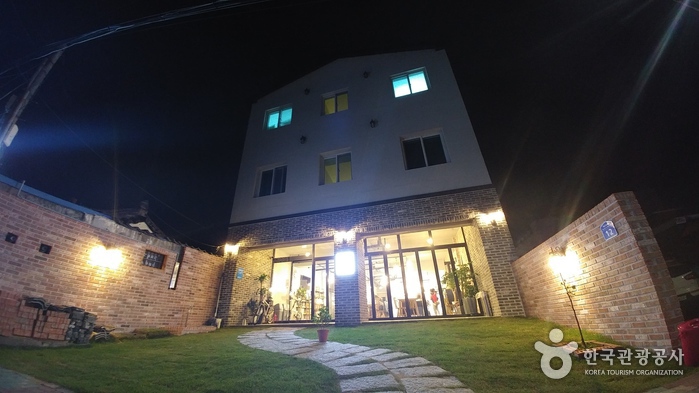
ALLEY HOSTEL & GUESTHOUSE (앨리게스트하우스)
1.6Km 2024-12-19
12 , Gyerim-ro 106beon-gil, Gyeongju-si, Gyeongsangbuk-do
The Alley Guest House in central Gyeongju, Gyeongsangbuk-do, is a 3-minute walk from Gyeongju Station, and is popular with hikers. Guestrooms range from single and twin rooms to family rooms and dormitories with bunk beds. There’s no parking lot, but parking can be arranged for family room customers. All rooms have AC, a bathroom and shower, and lockable doors. A simple free breakfast and a luggage storage service are provided. Nearby must-see places include Daereungwon, Cheomseongdae, Donggung Palace and Wolji Pond.
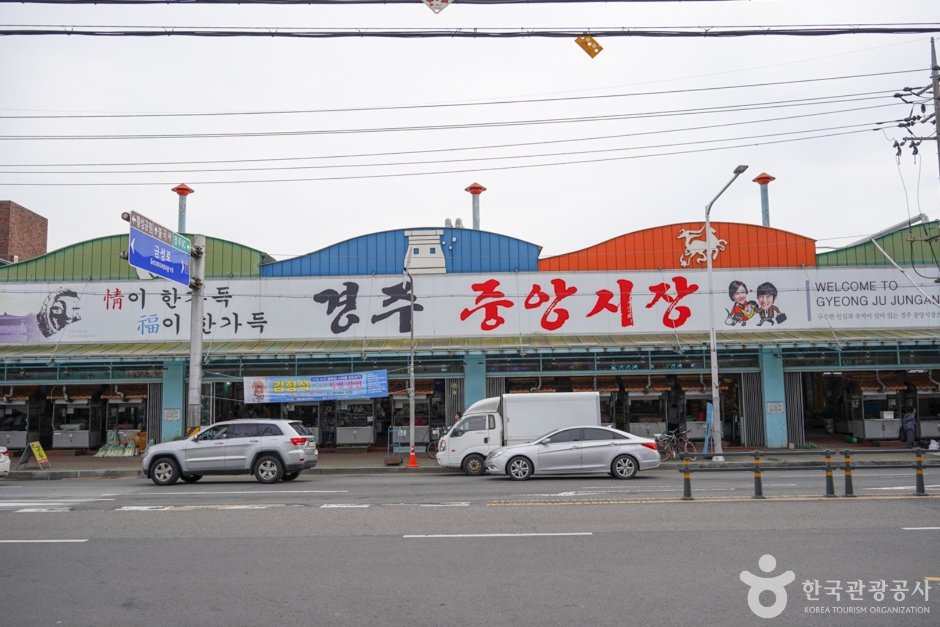
Gyeongju Jungang Market (경주 중앙시장)
1.7Km 2025-05-21
295 Geumseong-ro, Gyeongju-si, Gyeongsangbuk-do
Opened in 1983, Gyeongju Jungang Market is the main marketplace for Gyeongju locals. Nearly 700 stores selling clothing, oils, rice cakes, vegetables, general goods, and meat operate with some 2,000 vendors. The market is open nearly every day, with the busiest days being those ending in a 2 or 7. The night market, open from Thursday to Sunday, is especially popular among both tourists and locals.
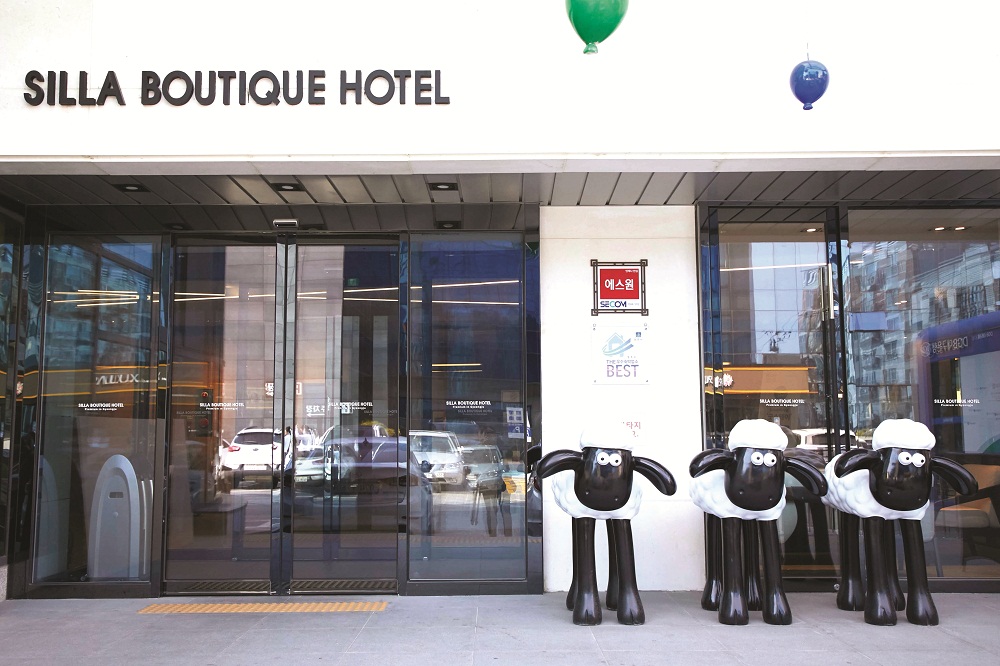
SILLA BOUTIQUE HOTEL PREMIUM (신라부티크호텔 프리미엄)
1.8Km 2024-08-22
200 , Gangbyeon-ro, Gyeongju-si, Gyeongsangbuk-do
Shilla Boutique Hotel Premium is a family-oriented hotel in Gyeongju, Gyeongsangbuk-do. Dedicated rooms for travellers with young children have low beds to prevent falls, and family customers are provided with free tickets to local playparks. For older guests, screen-golf discount coupons are provided. The hotel is a 5-minute walk from the Gyeongju bus terminal, a 20-minute bus ride from Singyeongju station, and an easy drive to most of the city’s tourist attractions.
 English
 한국어
한국어 日本語
日本語 中文(简体)
 Deutsch
 Français
 Español
 Русский


