
21 Century Hospital (서울21세기병원)
13.9Km 2026-01-02
39 Seochojungang-ro, Seocho-gu, Seoul
Opened in 1999, 21st Century Hospital has a long-standing medical staff, most of whom have worked for the hospital for many years.
This safety has attracted many patients to our hospital.

Sky Pizza (스카이피자)
13.9Km 2025-11-05
86, Noryangjin-ro 6-gil, Dongjak-gu, Seoul
K-movie <PARASITE> - Real pizza store in the movie
It is a real pizza store that appears in the movie 'Pizza Age'. Kitaek's (played by Song Kangho) family has a side job folding pizza boxes here. It also appears as a place where family members gather to conspire to kick out President Park's butler. Although it is a pizza store located in a quiet residential area, it is famous for the movie 'PARASITE' and is visited by ‘PARASITE’ fans from all over the world. There is a picture of the president and director Bong Joonho on the inside wall.
Ogane Jokbal (오가네족발)
13.9Km 2024-10-14
21 Nonhyeon-ro 36-gil, Gangnam-gu, Seoul
+82-2-575-6608
Ogane Jokbal is known for its jokbal (braised pigs' feet) and bossam (kimchi cabbage wraps with pork). Jokbal (braised pigs' feet) refers to pigs’ legs braised for extended periods. The meat comes out of the braising process chewy and flavorful. Saeujeot (salted shrimp) is used as the sauce. Bossam (kimchi cabbage wraps with pork) and makguksu (buckwheat noodles) are also on the menu. Lunch specials include the bossam jeongsik (kimchi cabbage wraps with pork set menu) and naengmakguksu (cold buckwheat noodles). Ogane Jokbal was included in the MICHELIN Guide Seoul 2019.
Yanghwa Hangang Park (한강시민공원 양화지구(양화한강공원))
13.9Km 2022-12-16
221, Nodeul-ro, Yeongdeungpo-gu, Seoul
+82-2-3780-0581
Situated on the southern part of the Hangang River, Yanghwa Hangang Park stretches between the mouth of Yeouido Saetgang Tributary and the Gayang Bridge in Gangseo-gu, Seoul. This spacious park is lush with vegetation and offers a spectacular view of the river.
The park is located nearby a number of other attractions including Seonyudo Park, an island in the river, which has been transformed into an ecological park; Seonyu Bridge; and the World Cup Fountains, with jets shooting 202 meters in x_height.
There is a wide bike trail that runs through the park that connects this park with the other Hangang River Parks. Every May, the bike trail is flanked by lush green grass and beautiful roses, making it the ideal photo spot.
Nanji Hangang Park MTB Course Site (난지한강공원 MTB코스장)
13.9Km 2022-10-26
162, Hangangnanji-ro, Mapo-gu, Seoul
+82-2-3780-0611
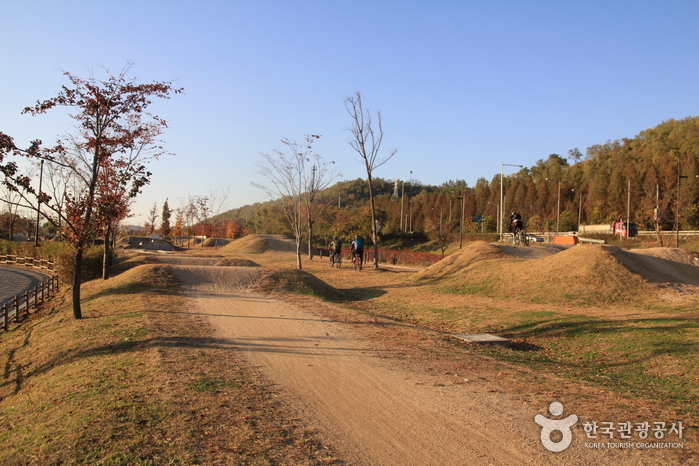
Situated in Nanji Hangang Park, the MTB Course Site is perfect for MTB lovers as well as beginners who wish to enter the world of extreme biking with safety. The MTB Course Site is the nation's first MTB course site, established on a flatland, reproducing perfectly realistic mountain ridges and slopes.
Nanji Hangang Park (난지한강공원)
13.9Km 2025-01-07
162 Hangangnanji-ro, Mapo-gu, Seoul
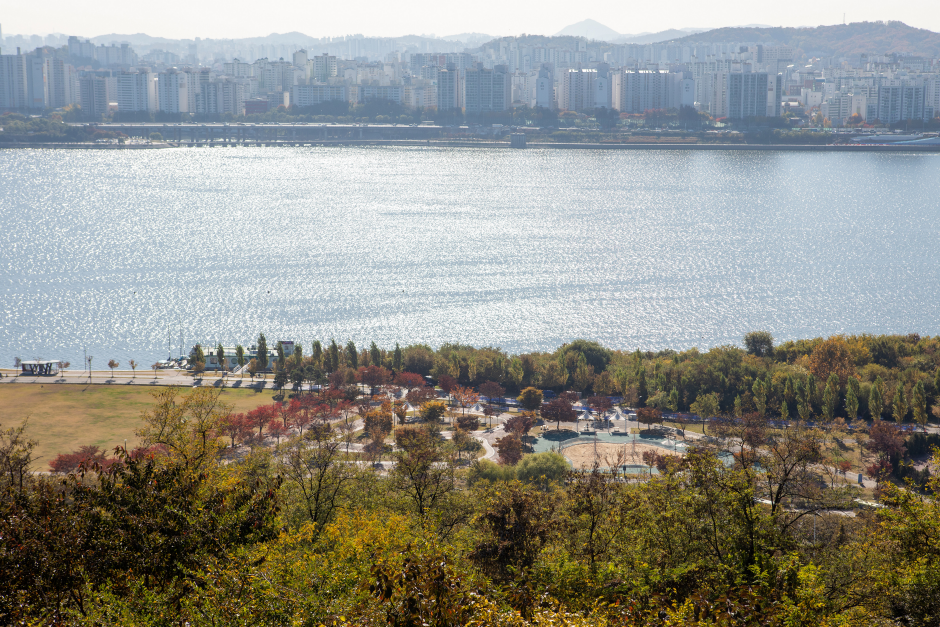
Nanji Hangang Park, situated north of the Hangang River near World Cup Park, provides a riverside space for leisure and recreation. The park offers Campgrounds, Water Leisure Sports Facilities, Bike Lane, Waterside Plaza, Mirror Fountain, Riverside Pool, a convenience store, and an information center. The Mirror Fountain emits a rainbow-like light with each water spray. The campgrounds are popular for their proximity to the city and affordable fees. Visitors can enjoy activities such as motorboating, water skiing, and wakeboarding on the Hangang River.
Yeouido Saetgang Ecological Park (여의도샛강생태공원)
14.0Km 2021-06-14
48, Yeouidong-ro, Yeongdeungpo-gu, Seoul
+82-2-3780-0570
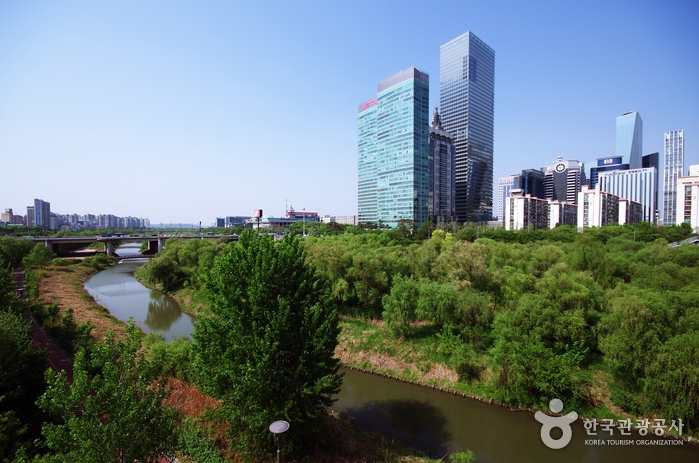
Yeouido Saetgang Ecological Park in central Seoul was the first ecological park in Korea, opened on September 25, 1997. It houses a wide variety of flora and fauna, including kestrels (Natural Monument No. 323), herons, and minnows. There is a 6 kilometer-long promenade that crosses the park, and information signs explaining various flower and plant species throughout the park.
Shinheung Leisure Town (신흥레저타운)
14.1Km 2024-02-16
406-9 Yuwonji-ro, Jangheung-myeon, Yangju-si, Gyeonggi-do
Shinheung Leisure Town is a leisure complex that operates Water World in the summer and Snow World in the winter. Water World, a summer-only leisure facility, is renowned for its clean water and features 400 cabana seatings. Snow World, available only in winter, offers a variety of activities including snow sledge riding, ice sledge riding, smelt-catching activities, and more.
Yonsei GoodDay Dental Clinic Yangjae Office (연세굿데이치과의원 양재점)
14.1Km 2026-01-02
5th–6th Floors, 206 Gangnam-daero, Seocho-gu, Seoul
This is Yonsei Good Day Dental Clinic where English is available. Specialists from university hospitals with more than 10 years of experience gather and treat by field. We provide a wide range of treatment services, including affiliated hotels and tax refund. Experience pain-free dental treatment with painless anesthesia and sleep anesthesia.
Seoul Mountain Climbing & culture center (산악문화체험센터)
14.1Km 2025-11-06
112 Haneulgongwon-ro, Mapo-gu, Seoul
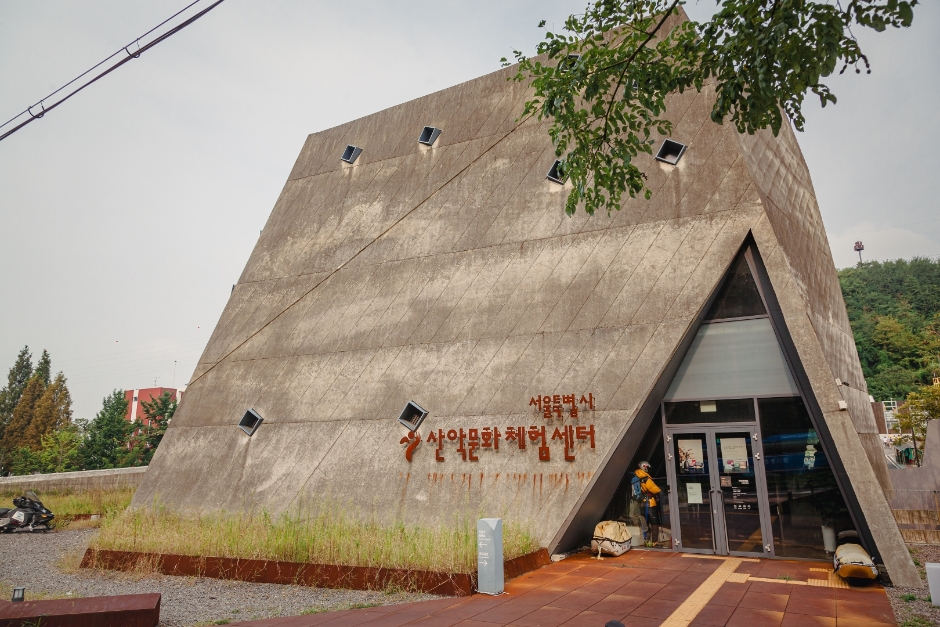
In episode 4 of the drama "Numbers," the character Shim Hyeong-woo goes climbing at the Seoul Mountain Climbing & Culture Center. This center offers a climbing facility where you can enjoy mountain culture and sports together. It features exhibition facilities for experiencing mountain culture and both indoor and outdoor sports climbing.
 English
 한국어
한국어 日本語
日本語 中文(简体)
 Deutsch
 Français
 Español
 Русский


