
THE RIVER DEMATOLOGY (더리버피부과의원)
14.3Km 2025-11-28
6th Floor, 68 Yangpyeong-ro, Yeongdeungpo-gu, Seoul
The River Dermatology Clinic is a dermatology medical clinic located in Seoul. A board-certified dermatologist provides diagnoses and treatments for skin conditions, including laser therapy and injection procedures. It operates primarily as an outpatient clinic.
![Yangju Olleung Royal Tomb [UNESCO World Heritage] (양주 온릉(단경왕후) [유네스코 세계문화유산])](http://tong.visitkorea.or.kr/cms/resource/10/757410_image2_1.jpg)
Yangju Olleung Royal Tomb [UNESCO World Heritage] (양주 온릉(단경왕후) [유네스코 세계문화유산])
14.3Km 2025-01-07
255-41, Hoguk-ro, Yangju-si, Gyeonggi-do
+82-31-855-5228
Olleung Royal Tomb is the royal tomb of Queen Dangyeong (1487-1557), consort of King Jungjong, the 11th ruler of the Joseon dynasty. Queen Dangyeong married King Jungjong when she was 13 years old. In 1506, when King Jungjong ascended to the throne, she became a queen as well, but she was deposed due to her father leading a coup against her husband's acendancy. Therefore, her grave was not regarded as a royal tomb until 1739.
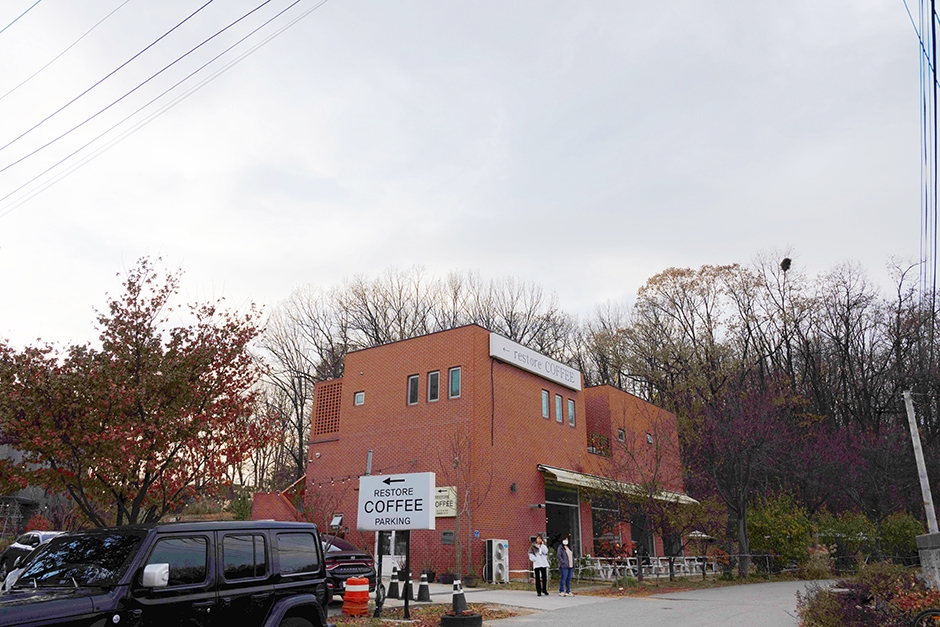
Goyang Restore Coffee (리스토어커피)
14.3Km 2025-10-29
741-35 Gwonyul-daero, Deogyang-gu, Goyang-si, Gyeonggi-do
This is a cafe where coffee made by roasting coffee beans and desserts such as Croiffles are delicious. High ceilings, natural wooden furniture, and tiled counters create a sophisticated atmosphere. The scenery seen outside the large folding door is as beautiful as a painting, making you turn on the camera.
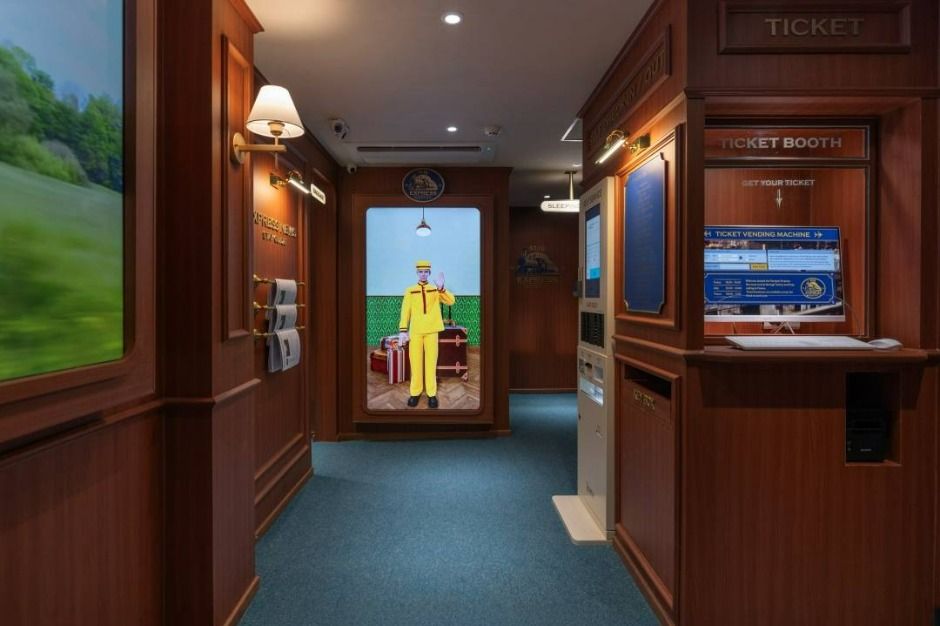
Stay Passport Express Spa Dangsan (스테이 패스포트 익스프레스 스파 당산점)
14.4Km 2025-04-09
92-1 Yangpyeong-ro, Yeongdeungpo-gu, Seoul
Stay Passport Express Spa Dangsan is inspired by European train trip and has a variety of rooms that sticks to the theme. Room types include COUCHETTE, which comes with a wine chiller and a turntable along with vinyl; SLEEPER 4-1 and 4-2, rooms with a turntable and a jacuzzi for four persons; and SLEEPER, a room with a turntable and a jacuzzi for two. The hotel has limited parking space so guests visiting with a vehicle are advised to inquire in advance for a nearby parking lot.
Samsung Medical Center (삼성서울병원)
14.4Km 2025-10-23
81 Irwon-ro, Gangnam-gu, Seoul
Samsung Medical Center (SMC) has been at the forefront of change in the Korean medical field since its foundation in 1994. Guided by its new vision, "We aspire to be the frontier of future medicine," SMC is committed to delivering excellent treatment results for patients with severe and complex diseases by using the latest medical technologies. SMC's International Healthcare Center (IHC) operates an outpatient clinic dedicated exclusively to foreign patients.
Ceramic Palace Hall (세라믹 팔레스 홀)
14.5Km 2024-03-04
90 Irwon-ro, Gangnam-gu, Seoul
Ceramic Palace Hall, situated on the second basement floor of the Milal Art Center, is adorned with aesthetically pleasing pastel-colored ceramic walls. Designed for acoustic excellence, it ensures that every instrument played is heard with clarity. Primarily, it serves as a venue for various concerts, with a particular emphasis on classical music, including piano recitals, chamber music festivals, and violin concerts. Additionally, it offers venue rental services, catering to a range of events.
Hangaram Art Museum in Seoul Arts Center (예술의전당 한가람미술관)
14.5Km 2022-12-16
2406, Nambusunhwan-ro, Seocho-gu, Seoul
+82-2-580-1300
Hangaram Art Museum, located in the left wing of the Seoul Arts Center, displays a unique exhibition of formative arts. Established in 1990, the museum has a total area of 15,540 ㎡ and contains 6 exhibition halls (including one for oversized artwork), a storage area, and an art shop. The building features a lighting system that controls the humidity and temperature and is equipped with a luminous ceiling system that captures natural sunlight and feeds it into the museum, allowing visitors to enjoy a brightly lit viewing area.
The Art Square in front of the museum houses a wide range of exclusive artwork and serves as a venue for various events such as the Cloz Art Market. Visitors may also enjoy the open-air café right in front of the building or dine at “Yehyang,” a traditional Korean restaurant right down the stairs.
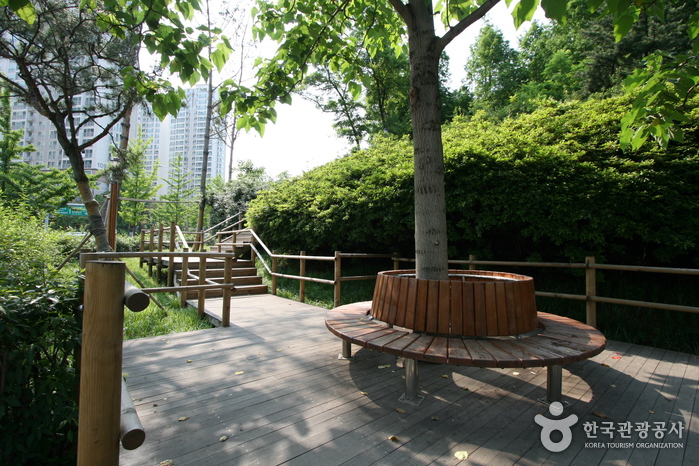
Ogeum Park (오금공원)
14.7Km 2025-01-17
363 Ogeum-ro, Songpa-gu, Seoul
Ogeum Park is a park created by cultivating a mountain with an altitude of 200 meters, providing a panoramic view of Seoul's Songpa district. The park features walking trail, various exercise equipment, and facilities such as badminton and tennis courts. The lawn bowling court is available for use by reservation. There is a toddler forest experience ground and an adventure playground for children, offering activities like rope climbing, rock climbing, net climbing, slides, and spider web climbing.
Seoul Arts Center (예술의전당)
14.7Km 2025-01-17
2406 Nambusunhwan-ro, Seocho-gu, Seoul
The Seoul Arts Center is the representative art complex of Korea. It is comprised of the Opera House, Concert Hall, Art Gallery, Calligraphy Museum, Art Material Hall, and an outdoor stage. You can enjoy various performances and exhibitions all in one site.
The Opera House and Concert Hall consist of a total of five performance halls offering an average of 800 performances ever year, whereas the Art Gallery and Calligraphy Museum has seven exhibition halls providing various exhibitions throughout the year. The outdoor stage also provides various genres of performances all year round.
 English
 한국어
한국어 日本語
日本語 中文(简体)
 Deutsch
 Français
 Español
 Русский


