Sieunjae / 시은재
1.5Km 2025-08-13
439, Samil-daero, Jongno-gu, Seoul
+82-10-5355-3029
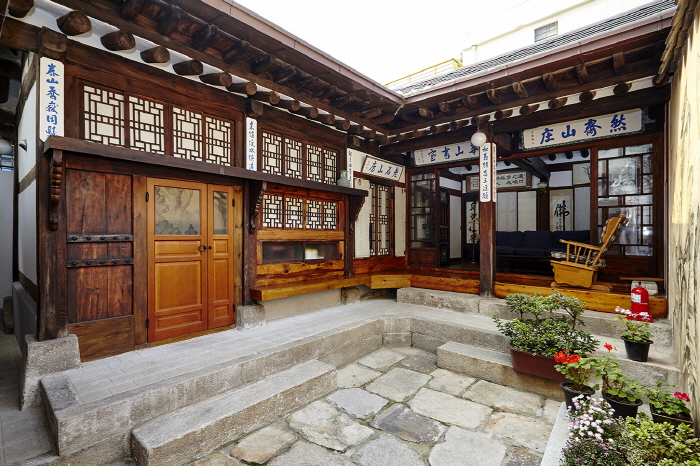
Located in Gyeongun-dong, Jongno-gu at the very heart of Seoul, Sieunjae is a hanok with a longstanding tradition. It has three guestrooms including the anbang (main room), byeolchae (detached building), and jakeunbang (small room). The anbang is the only room with a living room, where various items of old furniture, including a comfortable sofa, create an antique atmosphere. The communal bathroom and toilets are supplied with toiletries, while the communal kitchen is equipped with cooking equipment and a washing machine.
The house can be rented either as individual accommodations or in its entirety. As it is situated in Jongno-gu, at the very heart of Seoul, guests can easily reach many nearby major tourist attractions. Car users are advised to use the public parking lot as the house has no parking spaces. Entering by a small gate, the little flowerbed comes into sight. This old hanok shows traces of repair works on the tiled roof.
Saewha Hostel (세화호스텔)
1.5Km 2025-07-23
50, Samil-daero 32ga-gil, Jongno-gu, Seoul
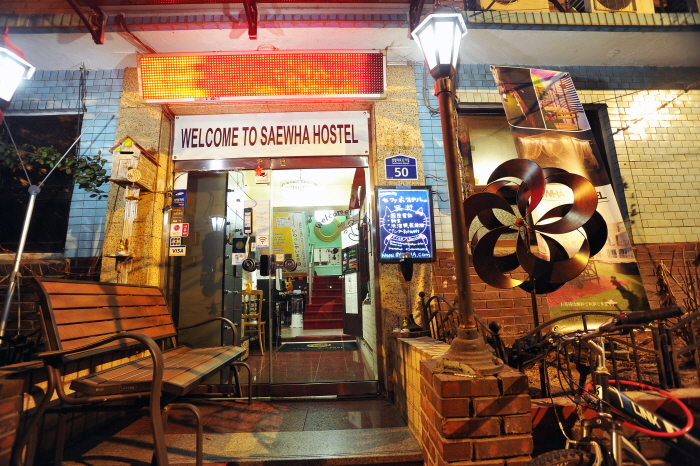
Located in Jongno, in the heart of Seoul, Saehwa Hostel offers a variety of guest rooms, including ondol rooms and bedrooms, for up to 3 people. There’s a bathtub in each room. Shared PCs, massage chairs, microwave ovens, washing machines and dryers are all available free of charge. A simple free breakfast is provided, plus a free international phone service and a foreign language guidance service. Seoul Station is 15 minutes away by subway, and the airport limousine bus stops at Jongno 3-ga station. Changdeokgung Palace, Jongmyo Shrine, and downtown shopping streets are all reachable on foot.
Museo del Tteok (떡박물관)
1.5Km 2021-07-16
Donhwamun-ro 71, Jongno-gu, Seúl.
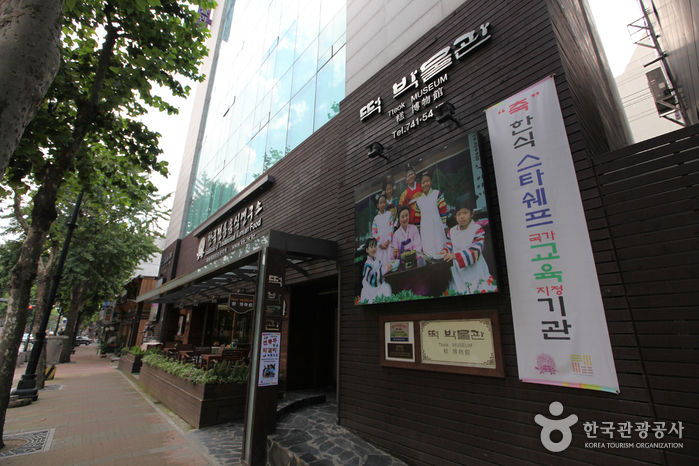
En este lugar se encuentran en exposición diferentes utensilios y artículos que se utilizan para preparar el tteok (pastelillos dulces de arroz de distintos sabores y formas); infusiones y licores tradicionales que son ideles para acompañarlos en cualquier ocasión. El tteok es un tipo de postre coreano que presenta miles de variedades y sabores. La receta de cada tipo de tteok es muy científica y sabe exactamente cómo respetar los ingredientes para obtener un resultado sublime en cuanto al sabor, propiedades nutricionales, textura y aroma.
Insa-dong Antique Art Street (인사동 고미술거리)
1.5Km 2025-08-04
29, Insadong-gil, Jongno-gu, Seoul
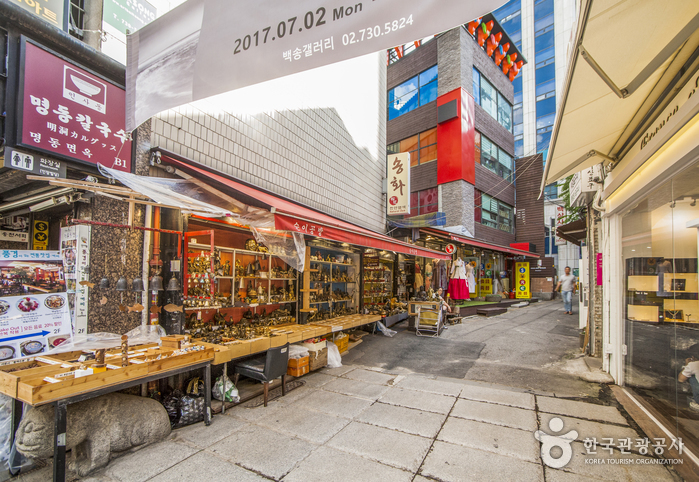
As of today, there are approximately 70 shops in the Insa-dong area that sell antique arts. Some of the products they sell include antique artworks, porcelains, woodcrafts, and metalwork. Visitors may even find rare and valuable products such as earthenware from the Silla period or white porcelain used in the Joseon dynasty. Each shop is a specialty store, authorized to sell product types that are of their expertise, ranging from antique furniture and traditional artworks to handcrafted items.
Hyehwa1938 / 혜화1938
1.5Km 2025-08-12
7, Sungkyunkwan-ro 16-gil, Jongno-gu, Seoul
+82-10-7107-1752
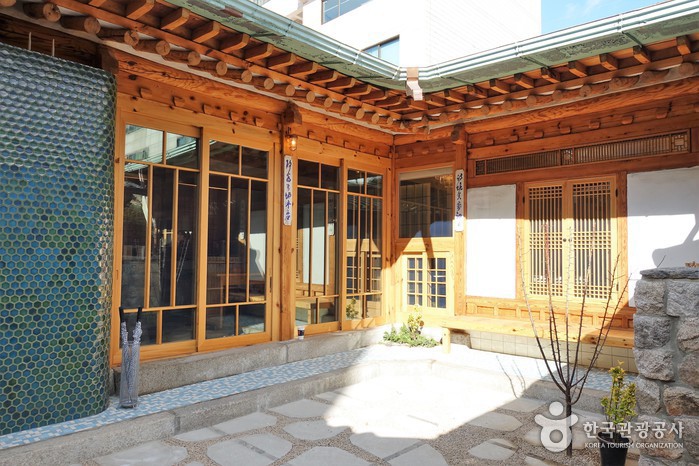
Located in (no suggestions)-dong of Seoul, Hyehwa 1938 is a lodging facility which is based on the remodeling of an 80-year- old traditional Korean house. A traditional Korean house expert initially wanted to use it as an office but later decided to turn it into a guest house due to its large size. As a result, the unique beauty of traditional Korean house was revived while improving practicality. The Woojeong room and Sarang room are now resized to accommodate max 8 persons which used to be only max 4 in the past. Despite the remodeling, the aura and atmosphere of the traditional Korean house is well preserved. Inside the room, you can see that the chandelier of the rich house in the '30s are accompanied by modern furniture and electronics which maintain unique harmony. Open the windows to see sansuyu and maehwa along with other various seasonal trees with beautiful colors and also the space such as edges and sewers are well arranged to avoid any discomforts with your eyesight. The heart of architecture offers only two rooms for guests, and you are all welcome to enjoy the true beauty of Korea.

Imun Seolnongtang (이문설농탕)
1.5Km 2025-08-08
38-13, Ujeongguk-ro, Jongno-gu, Seoul
Imun Seolnongtang has been serving its hearty seolleongtang for over a hundred years since it first opened in 1907. Even its name has a long history: the word imun comes from Imun-gol, the now-obsolete name of the restaurant’s location, and seolnongtang, an old variation of the word seolleongtang. During the Japanese ocupation rule, the restaurant’s regular customers included Gijeong Son, the marathon gold-medalist at the 1936 Berlin Olympics. To make the rich seolleongtang broth, beef meat and bones are simmered for more than 15 hours. Try putting rice and minced green onion in your seolleongtang for a warm and tasty experience. Kkakttugi (diced radish kimchi), provided as a side dish, is also delicious.
Monte Bugaksan (북악산)
1.5Km 2025-08-21
Cheongun-dong, Jongno-gu, Seúl
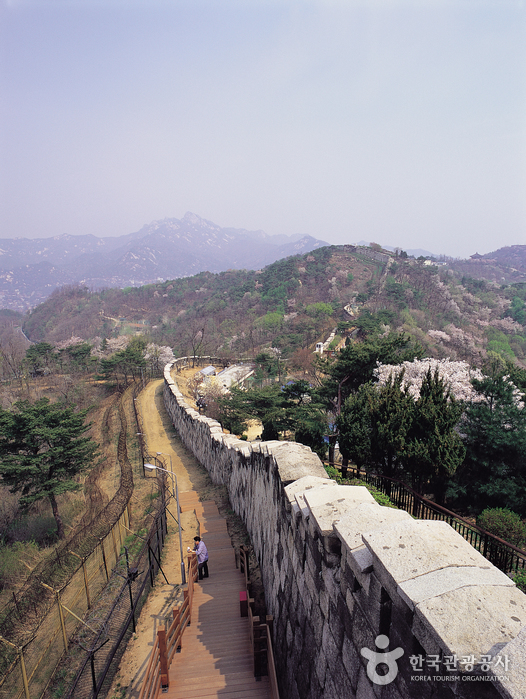
Seúl está rodeada de montañas, principalmente Bugaksan, Namsan, Naksan e Inwangsan. Bugaksan, la montaña situada al norte de Seúl, es la mayor de estas, y es un vástago del monte Bukhansan. También es conocida como Baekaksan.
La Fortaleza de Seúl recorre la sierra y la puerta Changuimun (también llamada Jahamun), una de las cuatro pequeñas puertas que rodeaban el castillo durante la época Joseon, se encuentra al oeste de la montaña, cerca de Inwangsan. La ruta Bugak Skyway, que une Changuimun y Arirang Hill en Jeongneung, tiene unas magníficas vistas del centro de Seúl, y pasa por diversas atracciones como Changuimun y el Pabellón Bukak. Otra atracción es el Parque Samcheong, al sur del monte Bugaksan.
Los montes Inwangsan (al oeste de Bugaksan) y Naksan (al este) tenían ubicaciones perfectas según la geomancia coreana pungsu (feng-shui). El monte Inwangsan estaba plagado de tigres durante los comienzos de la dinastía Joseon. De acuerdo con la leyenda, el rey suplicó a la deidad de la montaña que enviara los tigres al otro lado del río Yalu. Aunque los tigres se marcharon, se le permitió quedarse a una tigresa con cachorros, cuyas crías se multiplicaron convirtiendo Inwangsan en un lugar temible lleno de tigres.
Inwang Skyway conecta la parte este de Insangwan con Bugaksan. La ladera este de Inwangsan se ha convertido en una elegante zona residencial, mientras que Guksadang (que significa literalmente "Santuario Nacional") fue desplazado de Namsan a un área al oeste de la montaña en la década de 1920. Aún hoy, se celebran exorcismos chamanes en el santuario, así como rituales en honor de las deidades de la montaña.
Parque Sejongno (세종로공원)
1.5Km 2024-09-10
Sejong-daero 189 (subsuelo), Jongno-gu, Seúl
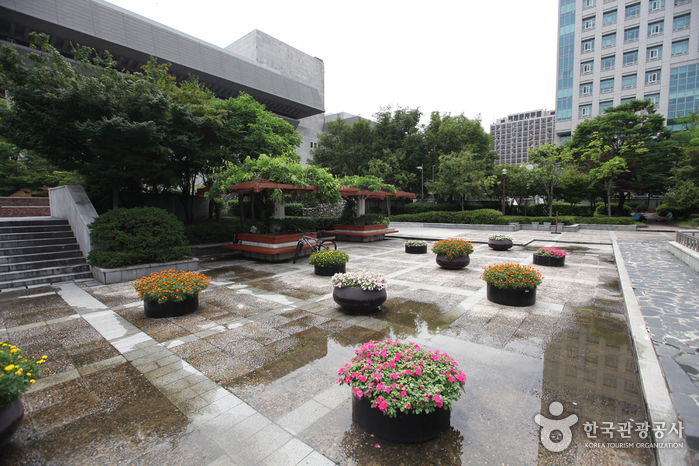
El Parque Sejongno está localizado cerca del Centro Cultural Sejong de Seúl. Dentro del parque hay bancos de madera y zonas con sombra para que la gente pueda sentarse y relajarse. También hay fuentes de agua, un escenario exterior y varias esculturas. Entre semana, el parque se llena de oficinistas que lo visitan a la hora de la comida, y durante los fines de semana incluso se realizan bodas al aire libre.
K-Food Festival Knock Knock (K-푸드 페스티벌 넉넉)
1.6Km 2025-06-20
Sejong-daero Jiha 189, Jongno-gu, Seúl
02-2088-4960
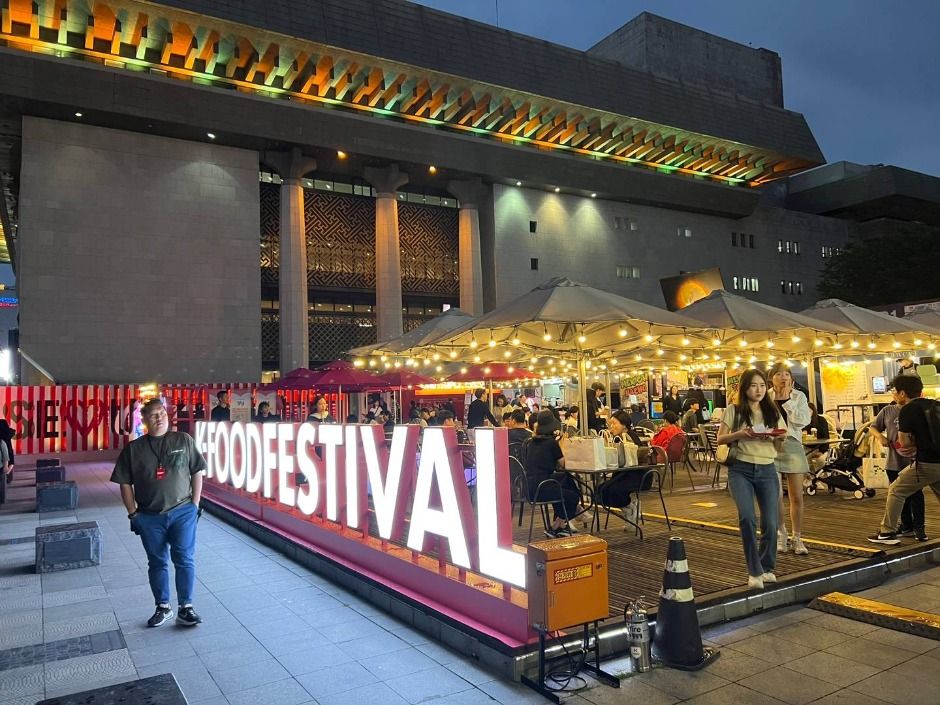
Auspiciado por el Ayuntamiento de Seúl, K-Food Festival Knock Knock es un evento de carácter gastronómico dedicado en especial a la comida coreana. Se instalan unos 15 camiones de comida que ofrecen platos de comida coreana que no son fáciles de encontrar en otros lugares, como crepe de kimchi, panceta y queso; rollo de caqui disecado con nueces y queso crema, brochetas de pollo con kimchi y salsa ssamjang, pollo frito rebozado con arroz acaramelado, bebida de arroz sikhye con calabaza, etc. Durante fines de semana largos y períodos festivos se agregan diversos eventos anexos como espectáculos, tiendas temporales de artesanías, etc.
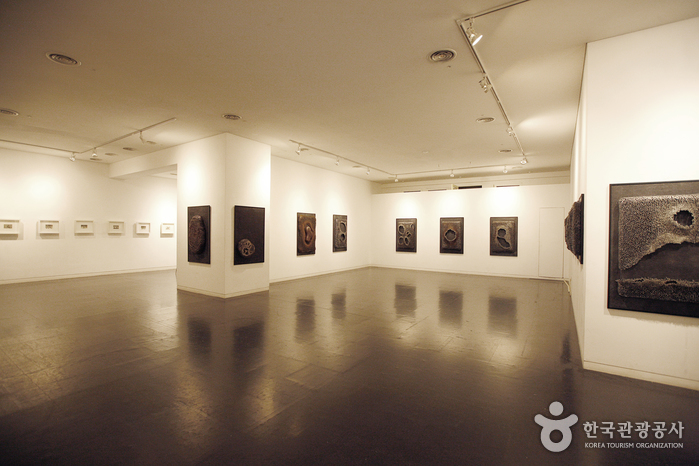
Centro de Arte de Seúl Galería Gongpyeong (서울아트센터 공평갤러리)
1.6Km 2023-01-03
Samil-daero 30-gil 10-3, Jongno-gu, Seúl.
Esta galería, inaugurada en 1992, tiene grandes dimensiones: posee 2 pisos, con 4 salas de exposición. La institución organiza exposiciones de todo tipo: arte oriental, occidental, coreano, de escultura, etc., por lo que es un destino imperdible durante una visita a Insa-dong. Más que ser un espacio destinado únicamente a las exposiciones, trata de desarrollarse como un complejo cultural artístico.
 Español
 한국어
한국어 English
 日本語
日本語 中文(简体)
 Deutsch
 Français
 Русский


