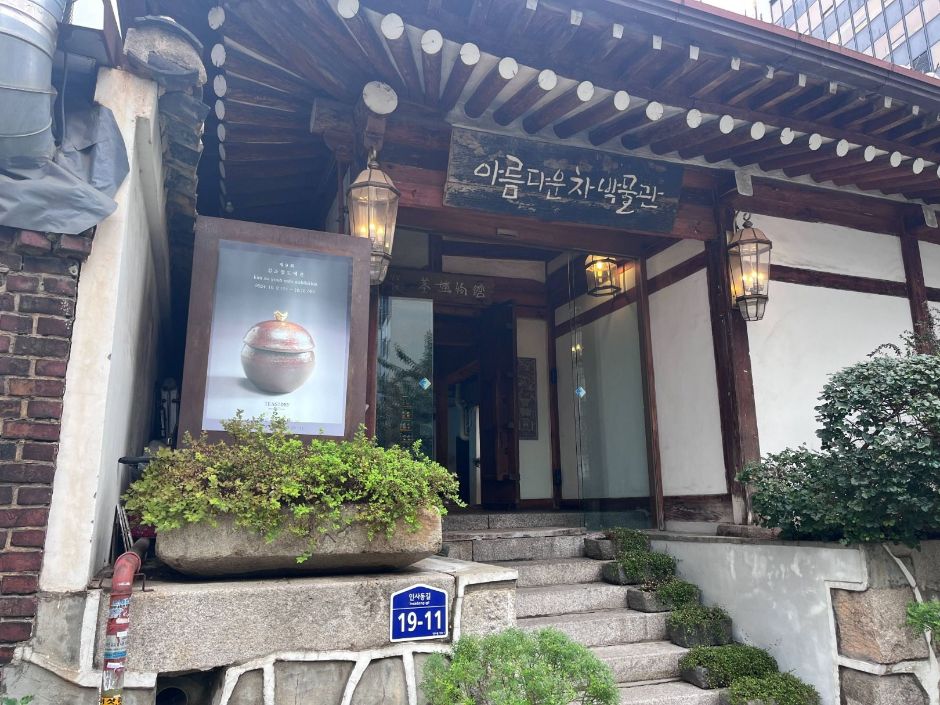
Areumdaun Cha Bangmulgwan (Beautiful Tea Museum) (아름다운차박물관)
2.9Km 2025-05-27
19-11, Insadong-gil, Jongno-gu, Seoul
In addition to gourmet restaurants, traditional tea houses are a popular destination in Insa-dong. Among them, we recommend Areumdaun Cha Bangmulgwan, where you can taste more than 100 types of tea, including Korean, Chinese, Japanese, and Taiwanese. The shop also serves as a museum and gallery. Enjoy a leisurely cup of tea as you appreciate the art that is on display.

Yangbandaek (양반댁)
2.9Km 2025-05-14
19-18, Insadong-gil, Jongno-gu, Seoul
Yangbandeck is a traditional Korean house in Insa-dong, serving ganjang gejang (soy sauce marinated crab) and bori gulbi (barley-aged dried yellow croaker). Theganjang gejang is made from crabs filled with roe, matured in soy sauce. The taste of barley-aged dried yellow croaker, made from dried yellow croaker matured in sea breeze and served on top of rice, is exceptional. Each meal comes with a hot pot rice, and side dishes such as soybean paste jjigae, pancakes, kimchi, and japchae are served as standard.
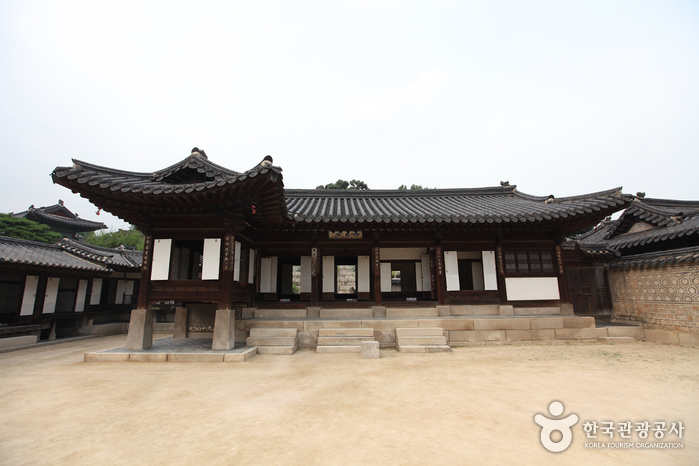
Pabellón Nakseonjae (낙선재)
2.9Km 2021-09-28
Yulgok-ro 99, Jongno-gu, Seúl.
Este pabellón se encuentra dentro del palacio Changdeokgung. Es una estructura de 1 solo piso construida en el estilo tradicional. Tiene 6 kan (compartimientos) en el frente y 2 kan a los lados. Este pabellón fue levantado en 1846 e incluye los salones Seokbokheon y Sugangjae. Detrás de él, hay un jardín de flores con grandes rocas. Las chimeneas, las flores y el entorno conforman una escena muy pintoresca.
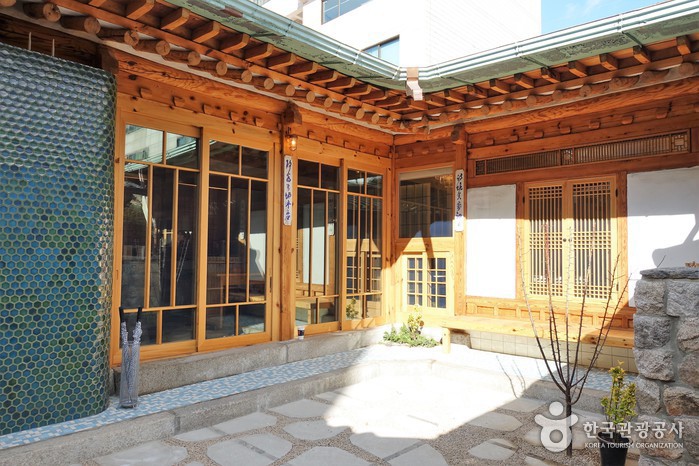
Hyehwa1938 / 혜화1938
2.9Km 2025-08-12
7, Sungkyunkwan-ro 16-gil, Jongno-gu, Seoul
Located in (no suggestions)-dong of Seoul, Hyehwa 1938 is a lodging facility which is based on the remodeling of an 80-year- old traditional Korean house. A traditional Korean house expert initially wanted to use it as an office but later decided to turn it into a guest house due to its large size. As a result, the unique beauty of traditional Korean house was revived while improving practicality. The Woojeong room and Sarang room are now resized to accommodate max 8 persons which used to be only max 4 in the past. Despite the remodeling, the aura and atmosphere of the traditional Korean house is well preserved. Inside the room, you can see that the chandelier of the rich house in the '30s are accompanied by modern furniture and electronics which maintain unique harmony. Open the windows to see sansuyu and maehwa along with other various seasonal trees with beautiful colors and also the space such as edges and sewers are well arranged to avoid any discomforts with your eyesight. The heart of architecture offers only two rooms for guests, and you are all welcome to enjoy the true beauty of Korea.
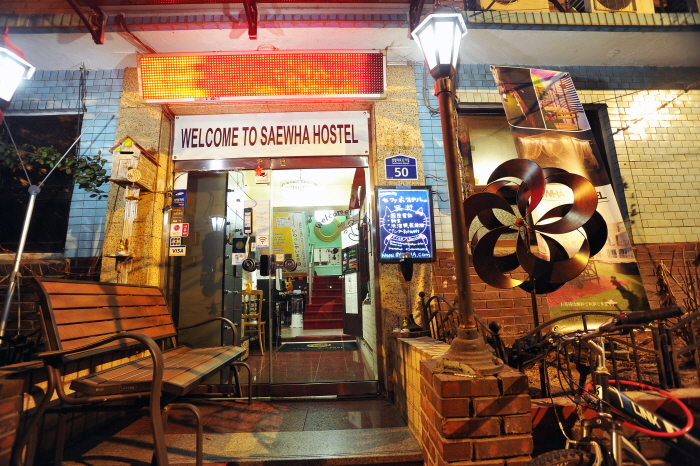
Saewha Hostel (세화호스텔)
3.0Km 2025-07-23
50, Samil-daero 32ga-gil, Jongno-gu, Seoul
Located in Jongno, in the heart of Seoul, Saehwa Hostel offers a variety of guest rooms, including ondol rooms and bedrooms, for up to 3 people. There’s a bathtub in each room. Shared PCs, massage chairs, microwave ovens, washing machines and dryers are all available free of charge. A simple free breakfast is provided, plus a free international phone service and a foreign language guidance service. Seoul Station is 15 minutes away by subway, and the airport limousine bus stops at Jongno 3-ga station. Changdeokgung Palace, Jongmyo Shrine, and downtown shopping streets are all reachable on foot.
Museo del Tteok (떡박물관)
3.0Km 2021-07-16
Donhwamun-ro 71, Jongno-gu, Seúl.
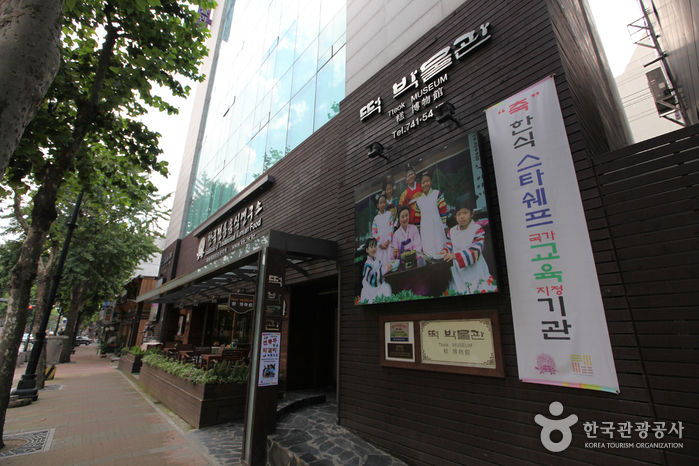
En este lugar se encuentran en exposición diferentes utensilios y artículos que se utilizan para preparar el tteok (pastelillos dulces de arroz de distintos sabores y formas); infusiones y licores tradicionales que son ideles para acompañarlos en cualquier ocasión. El tteok es un tipo de postre coreano que presenta miles de variedades y sabores. La receta de cada tipo de tteok es muy científica y sabe exactamente cómo respetar los ingredientes para obtener un resultado sublime en cuanto al sabor, propiedades nutricionales, textura y aroma.
Pabellón Jungmyeongjeon (중명전)
3.0Km 2024-12-23
Jeongdong-gil 41-11, Jung-gu, Seúl.
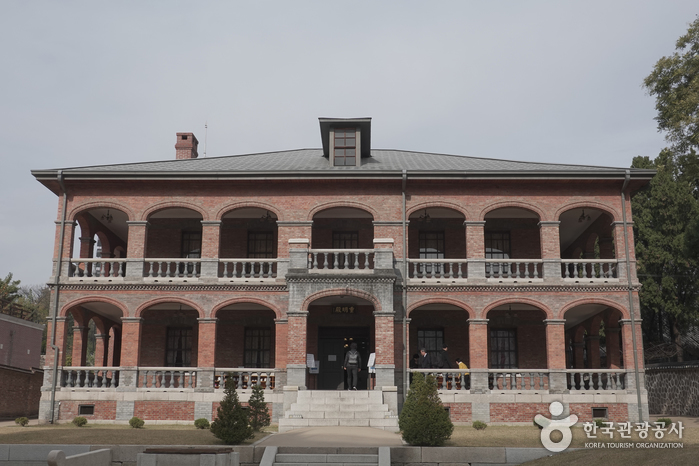
Este sitio histórico se encuentra ubicado por detrás del palacio Deoksugung, cerca del Teatro Jeongdong. Fue la biblioteca real, construido durante el período 1897-1901, por el arquitecto ruso Seredin Sabatin, y consta de 3 pisos en total y es de estilo occidental. Su nombre original fue Suokheon. Después del incendio del palacio Deoksugung en el año 1904, fue utilizado como la oficina administrativa del rey y la sala de audiencia de las delegaciones extranjeras, y también fue el lugar trágico en donde se firmó el Tratado de Eulsa (tratado desigual en el que Corea fue ocupada y declarada protectorado japonés).
En un principio, el pabelló Jungmyeongjeon formaba parte del palacio Deoksugung, pero con el levantamiento del muro de piedra (conocido como el “Doldamgil de Deoksugung”), dejó de serlo. Es una de las primeras construcciones contemporáneas de Corea, pero por el incendio de 1925, solo ha quedado en pie la pared del edificio. Después de la independencia del dominio japonés (15 de agosto de 1945), ha tenido varios usos y dueños diferentes, hasta que en septiembre del 2006, el derecho de propiedad del inmueble pasó a la Administración de Patrimonios Culturales, y finalmente, en febrero del 2007, fue declarado Sitio Histórico Nº 124.
Palacio Changgyeonggung (창경궁)
3.0Km 2025-05-13
Changgyeonggung-ro 185, Jongno-gu, Seúl.
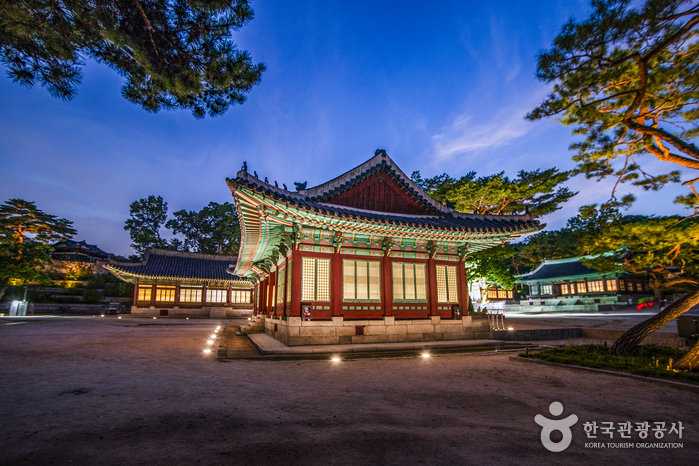
El palacio Changgyeonggung de Seúl es uno de los palacios más especiales del período de la dinastía Joseon. El origen de este palacio proviene de la asunción del rey Sejong (1397-1450) en 1418. Una vez que fue coronado, mandó construir el palacio Suganggung para brindarle mayores comodidades al monarca anterior, Taejong (1367-1422), que había abdicado en su favor. El palacio Changgyeonggung fue degradado a Changgyeongwon, sede de jardín zoológico y botánico durante el período de la ocupación japonesa de Corea (1910-1945). En 1983, el zoológico fue trasladado y el palacio fue completamente restaurado volviendo a ser llamado Chaggyeonggung.
Pasando por la entrada principal al palacio, la puerta Honghwamun, se ve el puente Okcheongyo. Todos los palacios de la dinastía Joseon tienen estanques con un puente encima con forma de arco, tal como el puente Okcheongyo. Cruzando Okcheongyo, se pasa por la puerta Myeongjeongmun, y entonces, se halla el pabellón Myeongjeongjeon, que era la oficina del Rey. Además, Myeongjeongjeon es el pabellón más antiguo de su tipo de todos los palacios del período de Joseon. Normalmente, las construcciones de esta época se elevan mirando hacia el sur, pero Myeongjeongjeon mira hacia el este. Esto se debió a que los mausoleos de los anteriores monarcas se encontraban al sur y según las costumbres confucianas, no se permitían tener aperturas hacia la misma dirección. A uno y otro lado del patio se encuentran alineadas las piedras con los grabados que indicaban la jerarquía de los funcionarios oficiales.
Detrás de Myeongjeongjeon, hacia la izquierda y sobre un terreno más elevado se encuentra la sala Sungmundang. Esta sala fue construida aprovechando muy bien la pendiente de la geografía montañosa. Si se observa Myeongjeongjeon y Munjeongjeon, la combinación de las laderas montañosas y la línea de sus techos logran una armonía de gran belleza. Otro pabellón, Tongmyeongjeon, fue construido para la reina. Es la construcción más grande dentro del palacio Changgyeonggung, y en muchos lugares se notan detalles delicados de sus estructuras en atención a la reina. Andando por las rocas de Yanghwajeon después de pasar por Tongmyeongjeon, se llega a Jagyeongjeon. Y hacia el sudeste de Jagyeongjeon se encuentra Punggidae. Punggidae es un instrumento que servía para medir el viento. Se trata de una larga vara con un jirón de tela atada a una punta, y se la usaba para medir la velocidad y dirección del viento.
Dirigiéndose hacia el norte uno se encuentra con un enorme estanque denominado Chundangji. Originalmente, la mitad del estanque era utilizada por el mismo rey para cultivar arroz y aprender sobre agricultura. Pero durante la ocupación japonesa, transformaron el campo de arroz en estanque para hacer flotar pequeños botes sobre él. El jardín botánico creado en aquellos días sobre la parte superior del estanque permanece aún en la actualidad.
Puerta Honghwamun del Palacio Changgyeonggung (창경궁 홍화문)
3.0Km 2025-08-08
Changgyeonggung-ro 185, Jongno-gu, Seúl
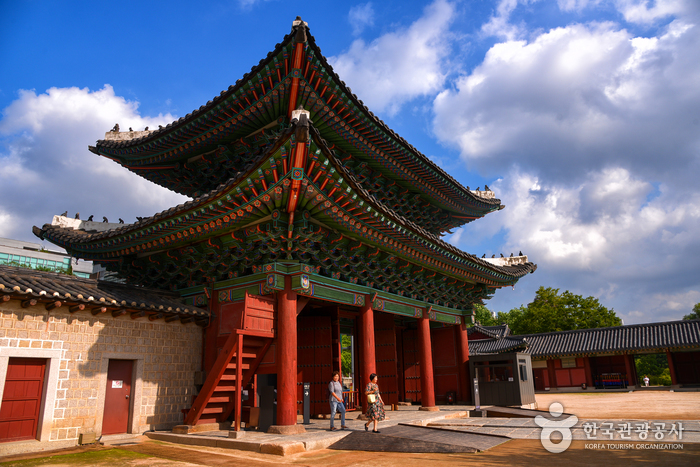
Es la puerta instalada en el noreste de la muralla de Seúl, siendo una de las 4 principales. Fue construida en el mes de septiembre del 5º año del rey Taejo (1396), y en aquel momento fue denominada Honghwamun. Pero en el año 1483, al 14º año del reinado de Seongjong, se reconstruyó el palacio Changgyeonggung, pero su puerta oriental también se llamaba Honghwamun, por la que se le cambió el nombre a Hywahwamun en 1511. La puerta fue destruida cuando se abrió una calle para coches durante el período de la ocupación japonesa, en la primera mitad del siglo XX, pero en 1992 fue reconstruida y recuperó su nombre original.
Museo Alive (en Insa-dong) (박물관은 살아있다(인사동점))
3.0Km 2025-08-13
Insadong-gil 12, Jongno-gu, Seúl
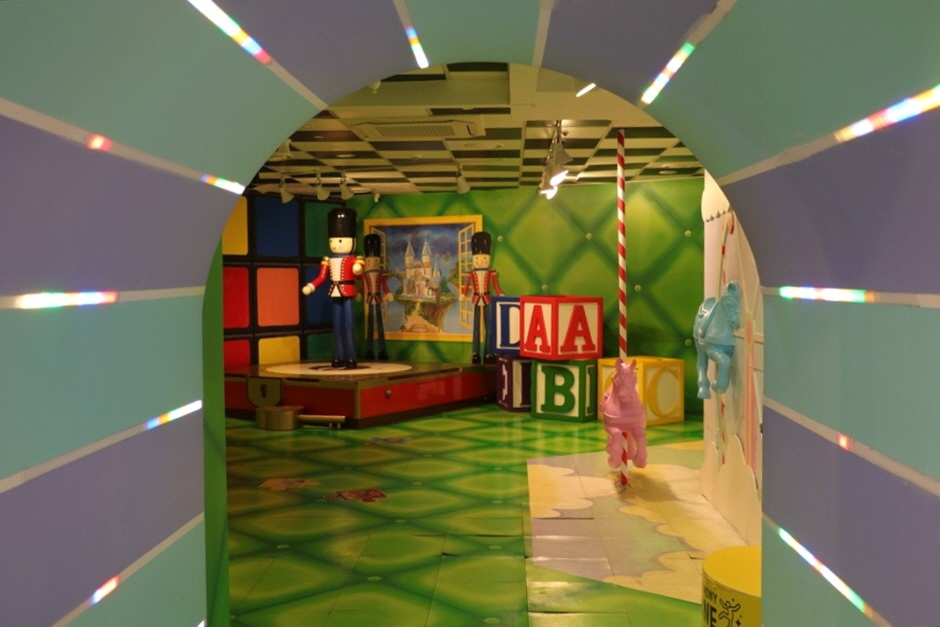
Con una extensión de más de 1.280 ㎡, el Museo Alive, inaugurado el 6 de marzo de 2014, está situado en Insa-dong, un vecindario conocido por su mezcla de ambientes, tanto históricos como modernos. Las exposiciones incluyen obras de efectos ópticos, objetos artísticos y contenido multimedia, entre otros. Más de 100 piezas está expuestas en las salas.
 Español
 한국어
한국어 English
 日本語
日本語 中文(简体)
 Deutsch
 Français
 Русский


