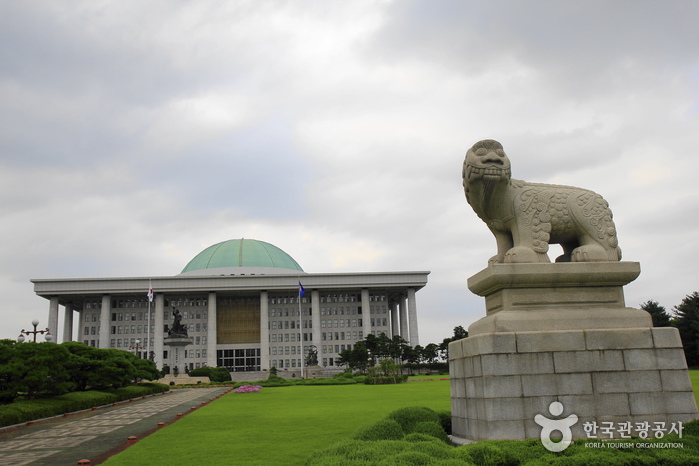
Palacio de la Asamblea Nacional (국회의사당)
7.8Km 2021-07-15
Uisadang-daero 1, Yeongdeungpo-gu, Seúl.
Con 24 pilares de granito, una espléndida cúpula y un exterior de color blanco, el Edificio de la Asamblea Nacional es una obra arquitectónica sorprendente. Esta bella edificación se levantó en 1975, después de seis años de obras. Los pilares y la cúpula simbolizan las diversas opiniones del pueblo surgiendo juntas. Una de las razones de por qué este edifico se encuentra entre las atracciones favoritas de los turistas es porque se ubica en los márgenes del río Hangang. El río Hangang se extiende por detrás del palacio legislativo a modo de un hermoso fondo escénico. El edificio está dotado de un centro para vistas, un área de paseo, como así también bancos a lo largo del río. La forma más fácil de visitar el edificio es mediante la presentación de la solicitud en el Centro de Visitas. El visitante puede recorrer varias partes de este palacio legislativo como así también las áreas principales de conferencias. El proceso de solicitud lleva apenas 20 minutos. La única dificultad es que no se ofrece servicio de guía en idioma extranjero. Aquellos que estén interesados en observar a los políticos coreanos en acción, debería presenciar también el modo en que proceden en las sesiones.
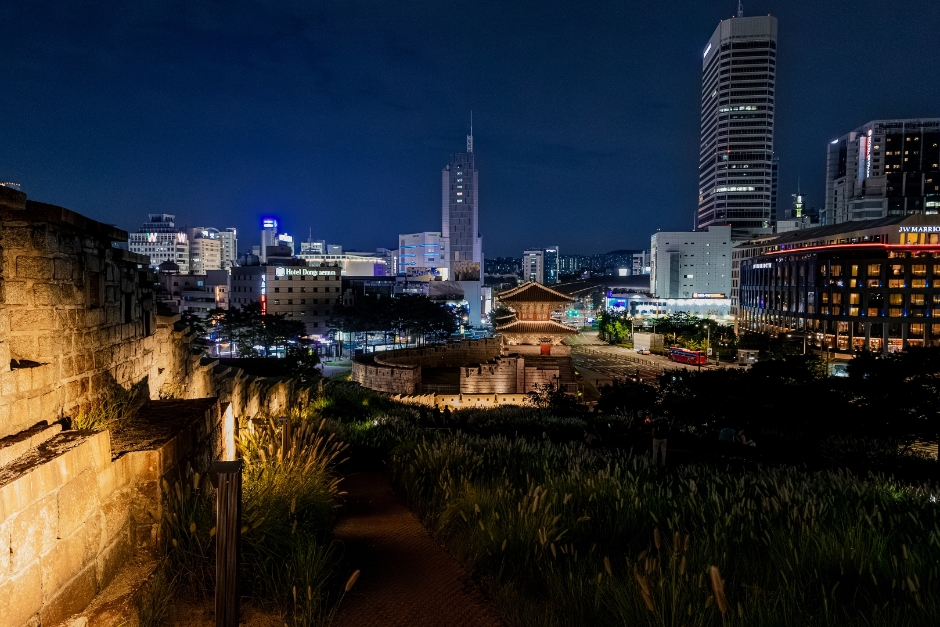
Parque del Monte Naksan (낙산공원)
7.9Km 2025-08-08
Naksan-gil 41, Jongno-gu, Seúl.
El Parque del Monte Naksan recibe su nombre de su apariencia parecida a la joroba de un camello. En coreano, “nakta” significa camello y “san” significa montaña. De esta forma, la gente se refiere al parque como Parque Nakta o Parque Naksan. La montaña es una base de roca sólida de granito. La familia real de Joseon disfrutaba de la belleza natural de la montaña de granito, pero durante el período de la ocupación japonesa una actitud apresurada de planificación urbana dio como resultado la demolición de gran parte de la montaña. En un esfuerzo por salvar las zonas verdes restantes, el 10 de junio de 2002 el monte Naksan fue designado como parque. Situado en el centro de Seúl, este parque histórico y hermoso permite a sus visitantes contemplar la magnificencia de la ciudad.
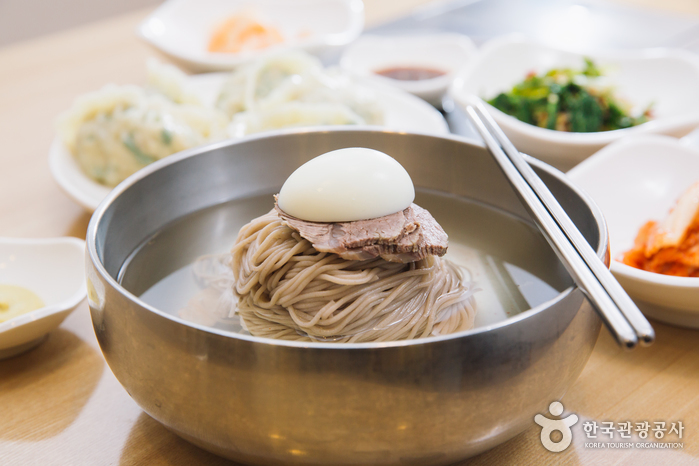
Jungin Myeonok Main Store (정인면옥 본점)
7.9Km 2025-05-16
1F, 10 Gukhoe-daero 76-gil, Yeongdeungpo-gu, Seoul
Jungin Myeonok offers Pyeongyang-style naengmyeon (cold buckwheat noodles), passed down to the owner from parents who came from North Korea.
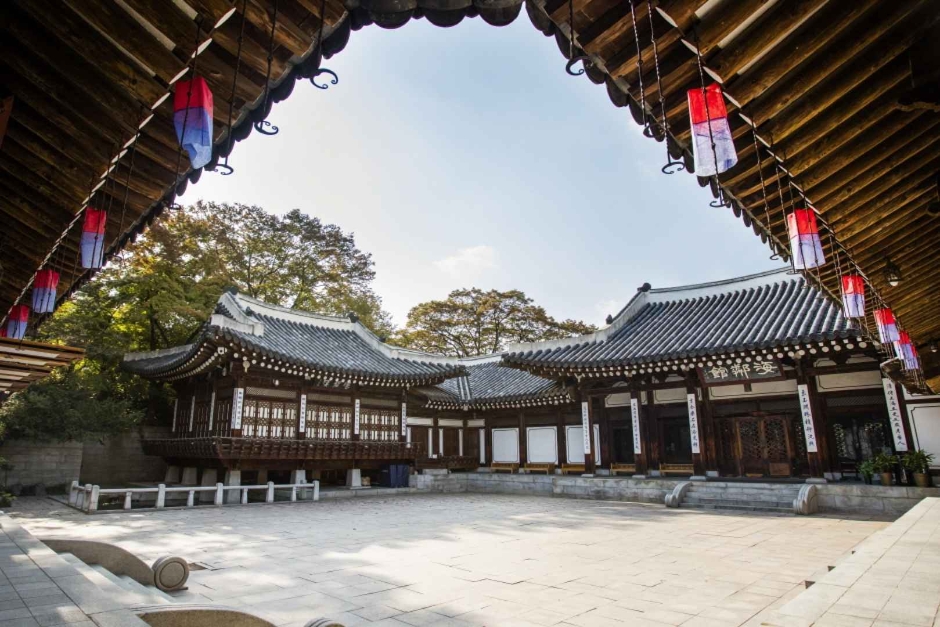
Casa de Corea (Korea House) (한국의집)
7.9Km 2025-08-07
Toegye-ro 36-gil 10, Jung-gu, Seúl
La Casa de Corea fue inaugurada en 1981. Se trata de un edificio tradicional que presenta la cultura y estilo de vida de los coreanos, donde usted también podrá tener una experiencia personal en la tradicional arquitectura y el clásico ambiente.
El edificio fue levantado después de la construcción del pabellón Jagyeongjeon del palacio Gyeongbokgung de la dinastía Joseon. Es el único edificio construido según el estilo arquitectónico tradicional. Se encuentra dividido en Haeringwan (el sector donde la gente del mundo entabla amistad), el teatro folclórico, y tres edificios anexos (Munhyangnu, Nogeumjeong y Cheongujeong). Dentro de Haeringwan usted podrá disfrutar de la música tradicional en Garakdang, y en Sohwadang, probar comidas tradicionales. Especialmente, en el patio de Garakdang podrá observar las ceremonias de boda tradicional o a la gente practicando juegos tradicionales.
Si visita la Casa de Corea un fin de semana, podrá presenciar la ceremonia nupcial tradicional. También, el Teatro Folclórico dispone de unos 100 asientos para recibir al público, y por las tardes, los Patrimonios Culturales Humanos o miembros del Centro de Artes Tradicionales Interpretativas y miembros del Cuerpo Nacional de Danza ejecutan música tradicional e interpretan danzas tradicionales. Sinawi, Salpuri, Pansori, la danza del tambor y la Danza de Máscaras de Bongsan son los programas más populares entre los extranjeros. Todos los programas llevan explicaciones hechas en inglés y japonés. En la Tienda de Presentes Culturales podrá ver diversas obras de artesanía hechas por los maestros de artesanía tradicional, las cuales están a la venta. Hay vajilla de barro, cerámicas, orfebrerías, nudos y bordados, de entre unas 500 piezas de trabajos artísticos hechas por maestros artesanos de 20 diferentes especialidades. Al lado de la Casa de Corea se sitúa la Aldea Tradicional Coreana Namsangol, y allí podrá contemplar también las casas tradicionales coreanas.

Korea House (한국의집)
7.9Km 2025-08-07
10, Toegye-ro 36-gil, Jung-gu, Seoul
Located in the center of Seoul, Korea House is a must-visit tourism spot as a high-end cultural complex offering Hanjeongsik(Korean full-course meal), traditional refreshments, traditional performance arts, and traditional weddings, which make you feel the beauty of Korean culture and the taste of Korea. You can also enjoy the elegant beauty of hanok.

Aldea Tradicional Coreana Namsangol (남산골한옥마을)
8.0Km 2025-06-12
Toegye-ro 34-gil 28, Jung-gu, Seúl.
Si baja del metro de Seúl en la Estación de Chungmuro de las líneas 3 y 4 del metro, se hallará precisamente frente a la Aldea Tradicional Coreana Namsangol. Podrá considerar curioso que lugares como estos estén en medio de una concentración de rascacielos. Esta aldea tiene tres casas tradicionales restauradas, con un pabellón, un estanque y una cápsula del tiempo, que en su conjunto lo convierten en un destino turístico para apreciar las peculiaridades de las épocas antiguas de Corea.
Cuando pase por la entrada frontal, verá un vasto valle y el escenario Cheonugak junto al estanque. Cheonugak era un lugar donde se realizaban espectáculos de entretenimiento. Sobre uno de los lados observará cinco casas tradicionales. Estas casas fueron reconstruidas siguiendo el estilo de las casas tradicionales de la dinastía Joseon. Pertenecen a varias jerarquías sociales, desde la clase baja de los campesinos hasta el mismísimo rey. El mobiliario que concuerda con el propietario de la casa se halla dispuesto en su interior a fin de ayudarle a comprender el estilo de vida cotidiano de aquellos tiempos. Las impecables casas tradicionales y los desgastados utensilios de hogar son excelente material para fotografías. Si quisiera ver recuerdos del lugar, haga una parada en la exhibición de las artesanías tradicionales, pues allí venden pequeñas vasijas y recuerdos. Asimismo, podrá beber té tradicional y refrescos. En los patios hay juegos tradicionales que quizá desee intentar practicar, tales como neolttwigi (salto sobre el sube y baja), tuho (tiro de flecha) y yunnori (juego tradicional que consiste en arrojar cuatro varillas semicilíndricas a modo de dados). Otra cosa que no debería perderse es la ceremonia de boda tradicional.
Los fines de semana se muestran al público casamientos tradicionales en Bak Yeong-Hyo Ga (la casa de Bak Yeong Hyo). La ceremonia nupcial tradicional es un evento interesante tanto para los coreanos como para los extranjeros. Por ello, el lugar está siempre lleno de gente que se agolpa para mirar. Durante el invierno, de noviembre a febrero, no hay muchas ceremonias nupciales, las cuales se realizan con mayor frecuencia en primavera y otoño. Comúnmente, las ceremonias de boda tienen lugar entre el mediodía y las 13:00. Los turistas pueden tomarse fotografías junto a la pareja de marido y mujer luciendo sus trajes tradicionales de boda. Dentro de la aldea hay también una cápsula del tiempo para celebrar el Sexto Centenario de Seúl. Fue enterrada en 1994 y será abierta dentro de 400 años.
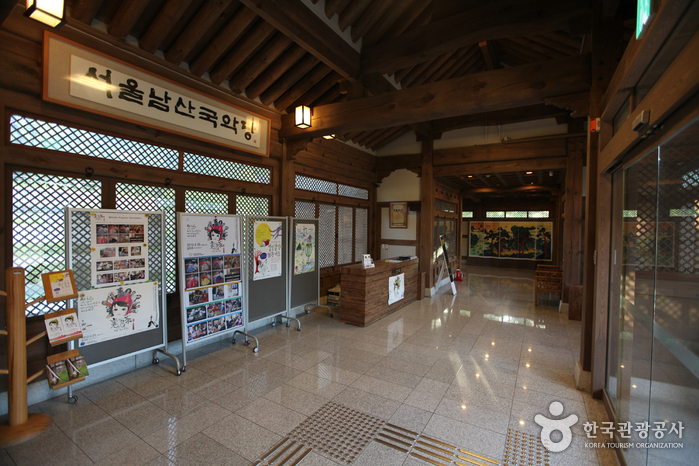
Salón Namsan Gugakdang de Seúl (서울남산국악당)
8.0Km 2025-08-21
Toegye-ro 34-gil 28, Jung-gu, Seúl.
Namsan Gugakdang es un teatro tradicional de interpretaciones musicales de gugak (música tradicional coreana), situado en la Aldea Tradicional Coreana Namsangol. El teatro cuenta con 330 asientos, equipos e instalaciones especialmente diseñados para disfrutar al máximo del gugak. Es el único lugar donde se puede escuchar el sonido natural y puro del gugak, sin efectos, lo cual hace que este local se diferencie de otros teatros tradicionales. Aparte de las interpretaciones, también presenta clases de música con instrumentos musicales tradicionales, clases de arte tradicional coreana y actividades culturales en las que todo el público puede participar libremente.
Parque del Monte Namsan en Seúl (남산공원(서울))
8.1Km 2024-02-22
Samil-daero 231, Jung-gu, Seúl.
El Parque del Monte Namsan (265 m sobre nivel de mar) está en un monte emblemático del centro de la ciudad de Seúl. Pese a que no es muy alto, gracias a su ubicación y la vista panorámica que se logra desde su cumbre, el monte Namsan es muy popular como lugar de descanso.
Sobre la cumbre del monte Namsan hay varias instalaciones de prestaciones públicas tales como Palgakjeong (sala octogonal), Namsan Seoul Tower y la Biblioteca de Namsan, entre otras. Para llegar a la cima, podrá optar por subirse a un teleférico o ir por un sendero escalonado. Además de esta senda de escalones, hay muchos otros caminos para subir a pie a la cumbre partiendo de Namdaemun, Hoehyeon-dong, Toegye-ro 3 -ga, Parque Jangchung, Itaewon, Huam-dong, etc.
El Parque del Monte Namsan también es un sitio histórico. En la cumbre del monte hallará el Bonghwadae (montículo de almenara) porque este fue una vez el centro de defensa de la capital. Durante la dinastía Joseon (1392-1910), la capital fue fundada en Hanyang (la actual Seúl) y para proteger a la ciudad de las invasiones, se construyeron muros de protección en las cuatro montañas principales: Bugaksan, Inwangsan, Naksan y Namsan.
Sobre el pico de Namsan, se levantaron cinco montículos de almenara para informar al gobierno central las noticias del gobierno local con un sistema de señales de fuego. También sobre la cima del monte Namsan, se encuentra el pabellón Palgakjeong, desde el cual se tiene una fantástica vista panorámica.
Desde Namsan Seoul Tower (479,7 metros de altura), podrá ver un panorama de la ciudad. El restaurante giratorio sobre la torre ofrece también vistas grandiosas. Se recomienda especialmente ir a visitar este lugar de noche, para disfrutar de las vistas de la ciudad bellamente iluminada.

Namsan Seoul Tower (남산서울타워)
8.1Km 2025-04-02
Namsangongwon-gil 105, Yongsan-gu, Seúl.
Abierta al público el 15 de octubre de 1980, la Torre de Seúl ha sido designada como una importante atracción turística, desde la que se puede tener una hermosa vista panorámica de Seúl. La Torre de Seúl, de 236,7 metros de altura, construida sobre el monte Namsan –de 243 m–, ha sido conocida como la mejor torre de Asia. Tras 30 años de apoyo ferviente de los turistas, fue remodelada el 9 de diciembre de 2005. La letra N significa “nuevo”, por su aspecto, y fue invertido un coste de construcción total de 15 mil millones de wones en dar a la Torre de Seúl su nueva apariencia. Con la construcción del nuevo sistema de alumbrado, varía en cada estación o evento. Además, la iluminación, con el tema de “La flor de Seúl”, tiene lugar desde las 19:00 hasta la medianoche, con el empleo de 6 reflectores distintos desde diferentes ángulos. El lobby cuenta con una Zona Multimedia, una Sala de Experiencia del Pabellón, salas de exhibiciones y salas de actuaciones. También hay el restaurante N Grill, de estilo occidental, que gira 360 grados cada 48 minutos, y el Sky Restroom que ofrece comodidad y vistas panorámicas de Seúl; ambos son ideales para parejas y amigos.
Granja Hípica Wondang (Let's Run Farm Wondang) (원당종마목장 (렛츠런팜 원당))
8.2Km 2025-11-12
Seosamneung-gil 233-112, Deogyang-gu, Goyang-si, Gyeonggi-do
La Granja Hípica Wondang se hizo famosa por ser utilizada como escenario para el rodaje de series de televisión. Cuenta con instalaciones que pueden ser peligrosas, por lo que se aplican ciertas restricciones al público. Dentro de la granja, los visitantes pueden observar a los caballos paseando tranquilamente por el predio. Este lugar también sirve para el entrenamiento para jinetes y personal relacionado con los caballos, y no funciona como parque público. Por lo tanto, está prohibido beber, cocinar, hacer ruido, practicar cualquier tipo de actividad deportiva (incluido el uso de balones) o instalar tiendas de campaña. Además, todos los visitantes deben recoger su basura antes de marcharse.
 Español
 한국어
한국어 English
 日本語
日本語 中文(简体)
 Deutsch
 Français
 Русский


