Cheongpung Land (청풍랜드)
16.7Km 2025-07-09
San 26, Gyo-ri, Cheongpung-myeon, Jecheon-si, Chungcheongbuk-do
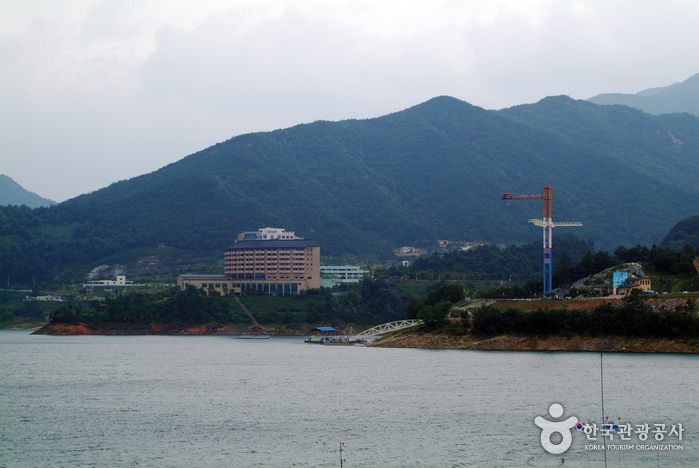
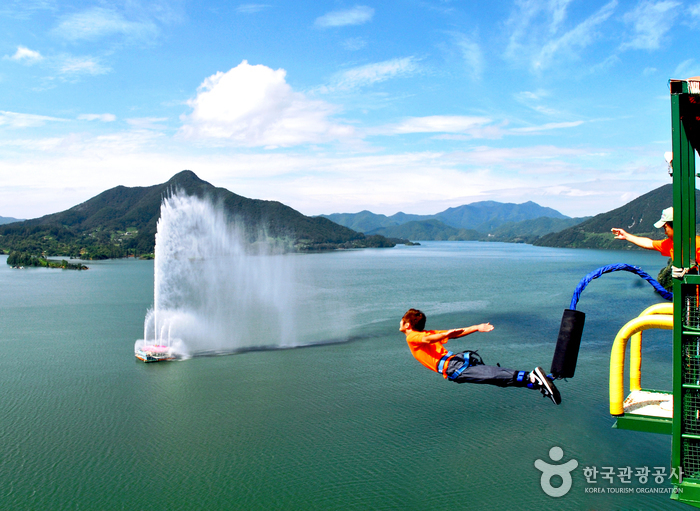
Cheongpung Land est un parc de loisir créé en 2002 près du lac de Cheongpunghoban (lac de Chungjuho à Cheongpung-myeon, Jecheon-si dans la province du Chungcheongbuk-do. Le parc accueille trois attractions pleines de sentations fortes : une tour de saut à l’élastique haute de 62 mètres, le tout premier siège éjectable de Corée et « Big Swing », une expérience à gravité nulle. On peut également y admirer des geysers d’eau jaillissant à 162 mètres dans l’air, ainsi qu’une vue panoramique sur le paysage environnant.
Le parc est l’une des plus grandes attractions touristiques de la région, et se trouve non loin d’autres destinations populaires, comme le site de tournage du drama historique de KBS « Daejo Wangeon », le mont Geumsusan et le parc national de la montagne Woraksan.
Cheongpung Land (청풍랜드)
16.8Km 2024-07-02
6, Cheongpungho-ro 50-gil, Jecheon-si, Chungcheongbuk-do
Cheongpung Land was created in 2002 near Chungjuho Lake in Cheongpung-myeon, Jecheon-si, Chungcheongbuk-do. It features beautiful scenery and the maximum use of practical space to build Korea’s first multi-tower. Based on planning, constructing, and test runs, it is operated by Over Class Inc. which is cosigned by Jecheon-si. The multi-tower’s three main facilities are a 62-meter Bungee Jump, Korea’s first-ever Ejection Seat, and Big Swing. The bungee jump highlights safety by adding a safety line to the gear to prevent falling accidents caused by breaking of the bungee cord rubber.
Cheongpung Cultural Heritage Complex (청풍문화재단지)
17.3Km 2022-12-26
2048, Cheongpungho-ro, Jecheon-si, Chungcheongbuk-do
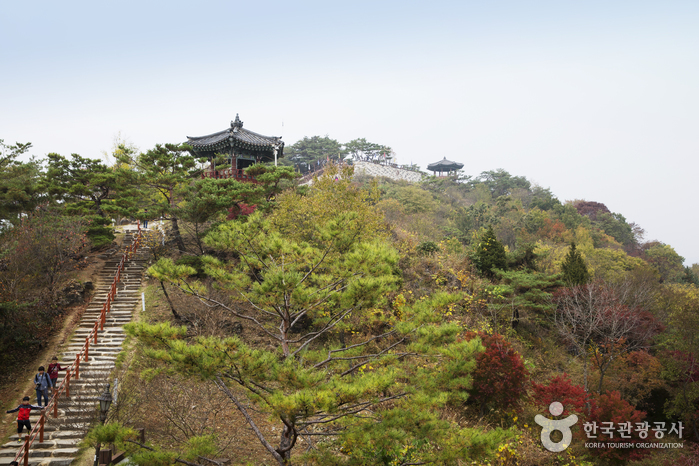
Cheongpung Cultural Heritage Complex in Jecheon, Chungcheongbuk-do contains a variety of cultural heritages and artifacts that were collected from the region before it was flooded in 1985 during the construction of Chungju Dam. Here, visitors can see Hanbyeongnu Pavilion (Treasure), Stone Standing Buddha (Treasure), Paryeongnu Pavilion, Geumnamnu Pavilion, Geumbyeongheon Hall, Eungcheonggak Pavilion and the Cheongpunghyanggyo Local Confucian School as well as nearly 2,000 household artifacts. It has become an outdoor museum of the glorious culture of the upper reaches of the Namhangang River.
Cheongpung Cable Car (청풍호반케이블카)
17.6Km 2024-07-31
166 Munhwajae-gil, Jecheon-si, Chungcheongbuk-do
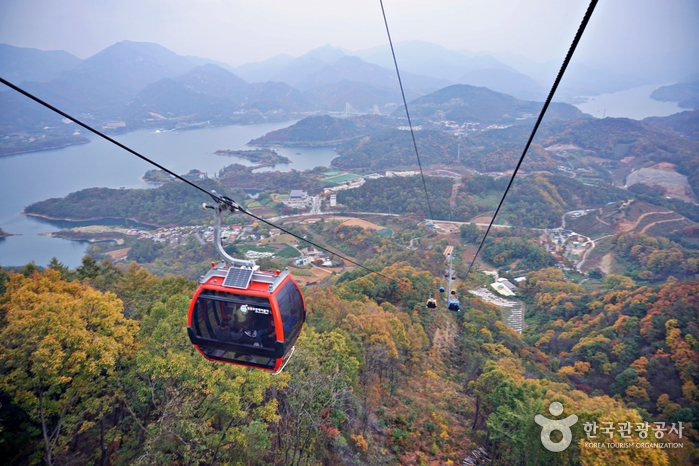
Cheongpung Cable Car takes passengers back and forth between Multae-ri in Cheongpung-myeon and Bibongsan Mountain along a 2.3-kilometer ropeway. There are a total of 43 cabins that accommodate up to 10 passengers per car, with ten cabins featuring transparent flooring to offer a thrilling bird's-eye-view of Cheongpung-myeon. The cable car can reach a maximum speed of 5 meters per second and takes around 10 minutes from the departure point to Bibongsan Mountain peak. Bibongsan Mountain sits at the center of Cheongpungho Lake and has an elevation of 531 meters. The sight from top offers a feeling as if one is looking down at an archipelago. The cable car allows children and the elderly to enjoy the sight without the hassle of hiking up to the summit.

Sobaeksan National Park (Gyeongsangbuk-do Region) (소백산국립공원(경북))
17.8Km 2023-02-17
Punggi-eup, Yeongju-si, Gyeongsangbuk-do
Sobaeksan National Park was designated as the 18th national park in December 1987. The features of Sobaeksan National Park include wildflowers and royal azaleas in spring and snowy scenery in winter. The mountain borders three provinces and four cities. Attractions include various peaks, temples, and waterfalls. The mountain is especially popular in May when royal azaleas are in full bloom and a natural forest tunnel is formed. Birobong Peak of the mountain is covered with snow six months of the year and is called the Alps of Korea.
Geumwolbong Peak (금월봉)
19.7Km 2024-02-26
1316 Cheongpungho-ro, Geumseong-myeon, Jecheon-si, Chungcheongbuk-do
Geumwolbong Peak is a unique, small rocky mountain distinguished by its diverse shapes that blend a touch of artificiality with natural beauty. This site, initially a limestone mine, unveiled its striking rock formations in 1993. The resemblance of these rocks to the Manmulsang (Ten Thousand Rocks) of North Korea's Geumgangsan Mountain earned it the nickname "Little Geumgangsan Mountain." It was later officially renamed Geumwolbong Peak.
 English
 한국어
한국어 日本語
日本語 中文(简体)
 Deutsch
 Français
 Español
 Русский


