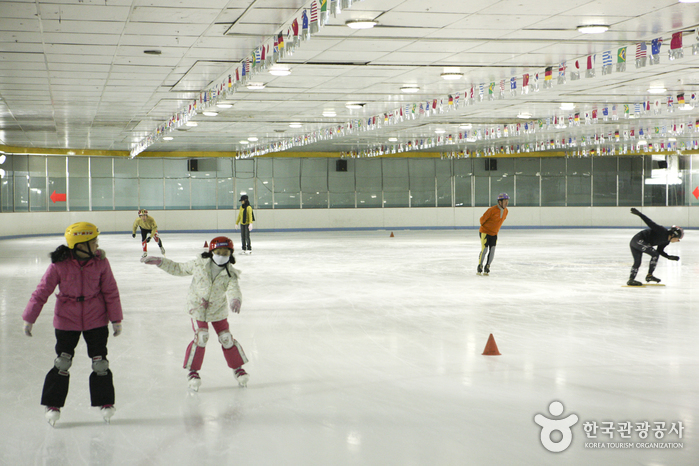
Bundang Olympic Sports Center Ice Skating Rink (분당올림픽스포츠센터 아이스링크)
15.6Km 2025-01-06
35, Junganggongwon-ro, Bundang-gu, Seongnam-si, Gyeonggi-do
Located in the Bundang area of Seongnam in Gyeonggi-do, the Bundang Olympic Sports Center spans eight floors and includes an indoor ice-skating rink, a food court, various convenience facilities, a multi-purpose indoor gym, health club, aerobics room, Taekwondo ring, a golf course and a swimming pool.
The indoor ice skating rink on the first basement floor has state-of-the-art facilities and the highest ice quality, which visitors can enjoy all year round.

We Trip Korea ((주)우리클럽관광개발)
15.6Km 2025-10-23
(101-1204, Lotte Castle President), 467 Gongdeok-dong, Mapo-gu, Seoul
We Trip Korea was established in 2011 and has been successfully attracting international travelers for 13 years. Our company is dedicated to promoting and showcasing our travel products through extensive overseas sales efforts. We actively collaborate with various online travel agencies (OTA) to offer a wide range of travel products that align with current trends. As a professional and customized travel agency, we cater to all types of events, from standard packages to incentive trips, Meetings, Incentives, Conferences, Exhibitions (MICE), medical tourism, VIP services, and personal travels. When you choose our company, you can expect prompt and accurate tailored bookings to meet your specific needs.
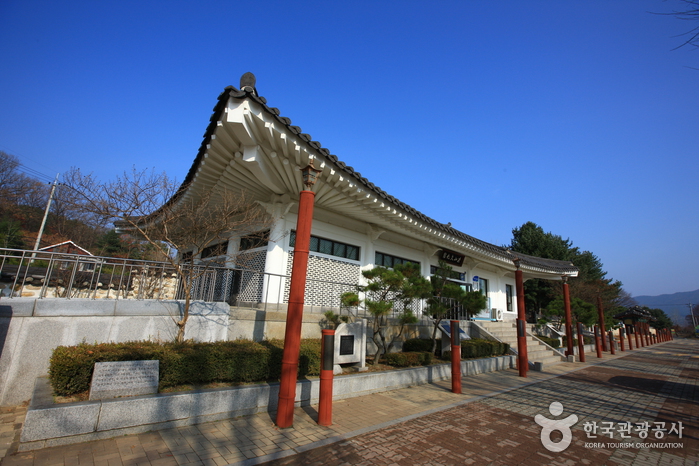
Dasan Heritage Site (Namyangju) (다산유적지 (남양주))
15.7Km 2023-06-27
11, Dasan-ro 747beon-gil, Joan-myeon, Namyangju-si, Gyeonggi-do
Dasan Heritage Site is located in the hometown of Dasan Jeong Yak-Yong (1762~1836), a scholar from the late Joseon Dynasty. Growing up in the village, Dasan criticized corruption, and tried to reform outdated institutions and conventions. During his long exile, Dasan authored "Mongminsimseo" (a book on how to rule the people) and "Gyeongseyupo" (a book on how to reform land policies, stabilize people's lives, and strengthen the nation and its army) among others. Today, Dasan is regarded as one of the greatest scholars of Silhak (Realist school of Confucianism) of the late Joseon dynasty.
At Dasan Heritage Site, Dasan's birthplace, Yeoyudang, grave and works are well preserved. Dasan Memorial showcases the scholar's achievements and footprints such as Geojunggi, a traditional equipment used to lift heavy objects in the Suwon Fortress construction, and the miniature Gangjin Dasan Chodang, where he lived in exile. Dasan Cultural Center houses Dasan's numerous writings and books.
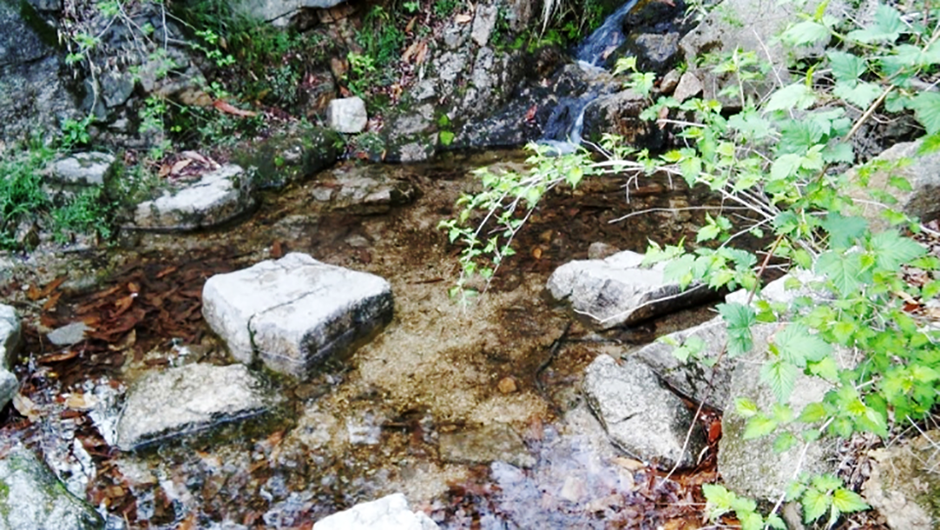
Suseongdonggyegok Valley (수성동계곡)
15.7Km 2023-08-17
185-3, Ogin-dong, Jongno-gu, Seoul 서울특별시 종로구 옥인동
Suseong-dong Valley's stream runs down from Inwangsan Mountain and joins Cheonggyecheon Stream, and it is said that the name of the village was called Suseong-dong during the Joseon dynasty due to the loud and clear sound of the flowing water. It appears in the painting "Jangdong Palgyeongcheop," which is Jangdong Eight Scenic Views, that depicts the eight scenic views of Bugaksan Mountain and Inwangsan Mountain as well as in other historical books of the Joseon dynasty as a place of scenic beauty. The valley was so famous for its beauty, that Prince Anpyeong of the Joseon dynasty built his house "Bihaedang" to fully enjoy the view, and the valley and its stone bridge were designated as a cultural property of Seoul in 2010.
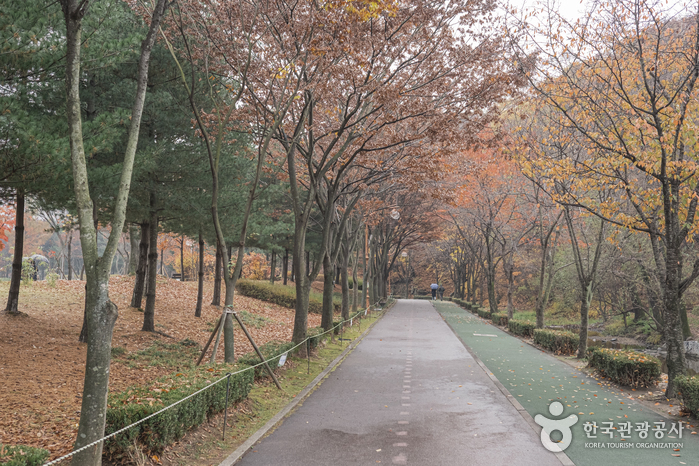
Yuldong Park (율동공원)
15.8Km 2021-11-30
145, Munjeong-ro, Bundang-gu, Seongnam-si, Gyeonggi-do
Yuldong Park is a large urban neighborhood park located in the Bundang area of Seongnam. Since its opening in 1999, the park has become a favorite weekend hangout, frequented by residents of Seongnam and Seoul. This well-equipped park has a 45-meter bungee jumping site, a large fountain and a 33-acre reservoir encircled by a 2.5 kilometer promenade/bike path. Other facilities include a 13 meter-high artificial rock climbing wall, badminton center, children’s playground, foot acupressure path, grass plaza, year-round flower garden, field of reeds and theater. The park is also a popular date course for couples at nighttime as there are many quiet cafes located near the reservoir.
Jangchung Jokbal (장충족발)
15.9Km 2024-10-15
31, Noryangjin-ro 16-gil, Dongjak-gu, Seoul
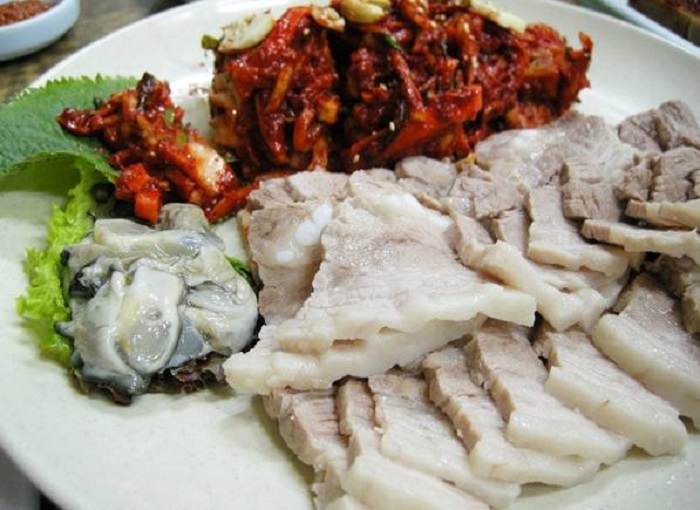
Jokbal (pig’s feet) is a representative food loved by Koreans. The best menu at this restaurant is braised pigs' feet. This Korean dishes restaurant is located in Dongjak-gu, Seoul.
100 Years Market 100 Years Night (백년시장 백년나이트)
15.9Km 2025-10-23
16 Hancheon-ro 144-gil, Gangbuk-gu, Seoul
+82-2-903-9110
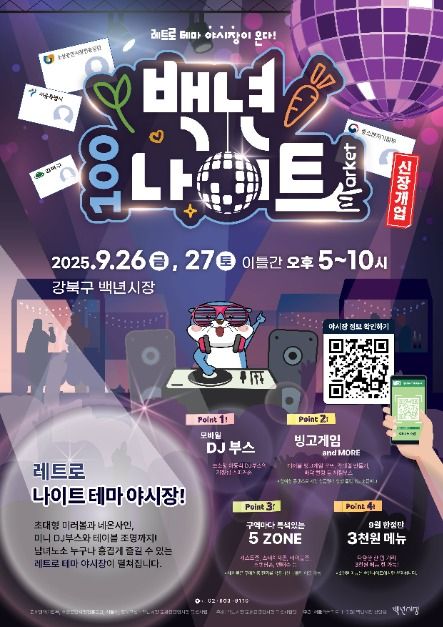
100 Year Market, a traditional market with a long history, transforms into a vibrant night market as evening falls. With a mini mirror ball, neon signs, and a mini DJ booth alongside new dining options each month, this retro-themed market is perfect for visitors of all ages.
 English
 한국어
한국어 日本語
日本語 中文(简体)
 Deutsch
 Français
 Español
 Русский


