
Seorae Village (서래마을)
10.2Km 2022-12-16
Banpo-dong, Seocho-gu, Seoul
+82-2-2155-6220
Seorae Village is located in between Banpo 4-dong and Bangbaebon-dong in Seocho-gu, Seoul. Seorae Village took its form as a French neighborhood when French residents moved to the area after Ecole Francaise de Seoul, a school for French residents in Korea, was established here in 1985. According to 2008 census, about half of the total 1,000 French citizens residing in Korea were registered to be living in Seorae Village. The area naturally took shape as a global neighborhood as many international residents settled at Seorae Village much thanks to the strong presence of French residents. In addition to its convenient location near the central district area as well as Gangnam area and Hangang River Park, Seorae Village serves as a pleasant environment space for all.
Many shops and restaurants in Seorae Village are small in size and rather charming, resembling those in Europe. A bakery that makes traditional French baguettes using ingredients directly imported from France can be found here. In recent years, Seorae Village has undergone several changes, gaining much attention as one of the most modern and fanciest regions found in Seoul.
Stenlee (스텐리)
10.2Km 2025-10-23
15th Floor, 1 Jongno (Kyobo Life Building), Jongno-gu, Seoul
Stenlee is a specialized agency that provides comprehensive support to medical patients, corporate groups and business delegations visiting Korea. We design and manage tailored MICE and medical programs (checkups, medical treatment, fam tours, medical trainings, seminars, incentive trips, etc) handling everything from booking to transportation, translation and interpretation. Our strength lies in optimizing schedules, cost and cultural immersion to ensure efficient results and comfortable stay for our clients.
Kyobo Book Centre Gwanghwamun (교보문고)
10.2Km 2024-12-04
1 Jong-ro, Jongno-gu, Seoul
02-3295-0312
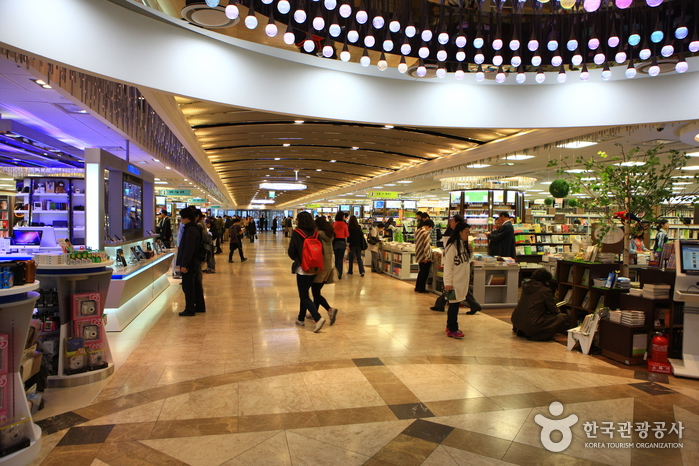
Kyobo Book Centre is the first large-scale bookstore in Korea, and this particular store can be found next to Gwanghwamun Square. Kyobo Book Centre Gwanghwamun divides its internal area into 11 sections and organizes them in a way that allows readers to find books easily. The store also has specialized shops for stationery, digital devices, and accessories, as well as exhibition spaces and cafés.
Ilmin Art Museum (일민미술관)
10.2Km 2022-09-27
152, Sejong-daero, Jongno-gu, Seoul
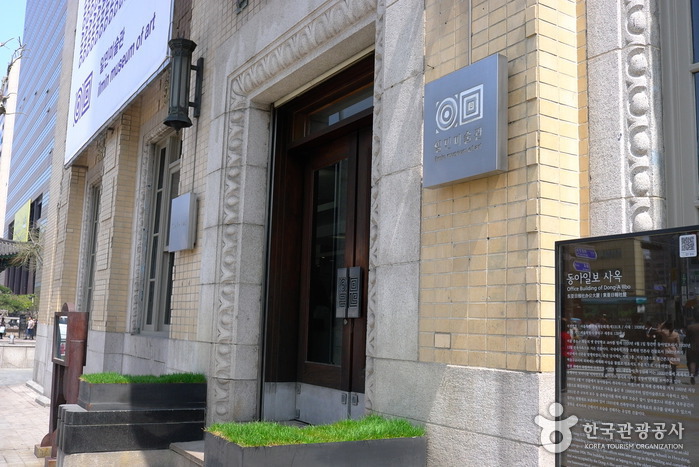
The Ilmin Art Museum located in former Dong-A Newspaper Building, was formed in honor of their honorable and late CEO Kim Sang-man. The museum was established in December of 1996, and with a full renovation in 2001, large exhibition hall and Ilmin collection was placed in. Through the renovation, the combination of glass and steel made Artrium aimed to become one of the best comtemporary museum, connecting the museum to the streets of Gwanghwamun.
This museum boasts a large Ilmin collection. There are 430 pieces of Ilmin collection from Goryeo dynasty (918-1392) to present, 1,200 pieces in the Donga Newspaper's collection of art, and 100 pieces of art owned by Hyundai Corporation. The Ilmin Collection mostly consists of pieces that Kim Sang-man collected from ceramics to aesthetic paintings. The Dongah Newspaper's collection has time-relevant pieces that are important in history.
Bukchon Museum (북촌생활사박물관)
10.2Km 2022-08-30
90, Bukchon-ro 5na-gil, Jongno-gu, Seoul
+82-2-736-3957
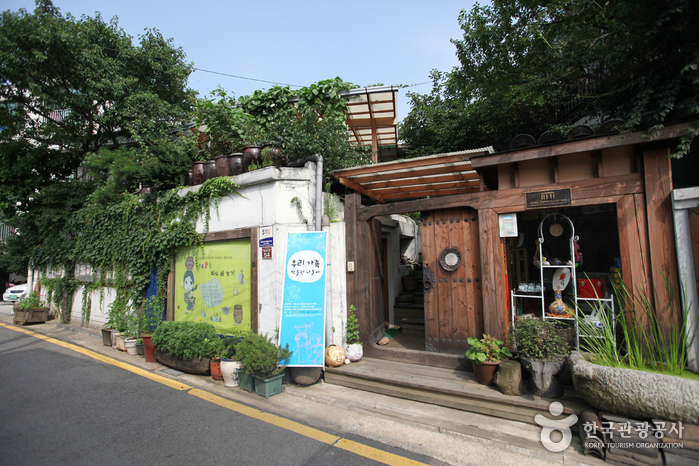
The Bukchon Museum displays items that have been collected from Bukchon, a historical village that was once home to the nation’s nobility. The museum was founded to observe urban development that took place in the recent decades through collected and preserved veryday household items that were used by Bukchon residents. Visitors are even allowed to touch items on display to better be able to imagine life in Korea before industrialization.
Deoksugung Palace's Daehanmun Gate (덕수궁 대한문)
10.2Km 2025-01-13
99 Sejong-daero, Jung-gu, Seoul
+82-2-771-9951
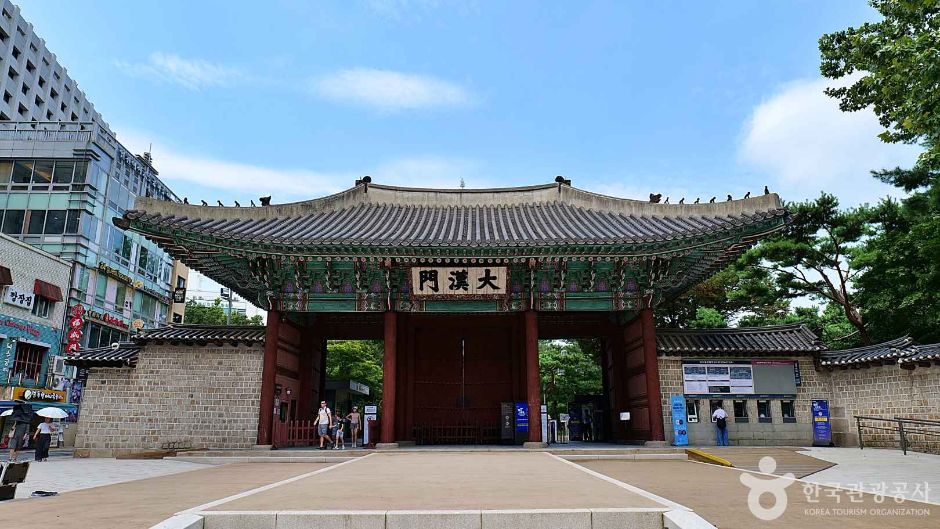
Located near City Hall station, Daehanmun Gate is the main gate of Deoksugung Palace, one of the princiapl five palaces of Joseon dynasty. The name "Daehan" means wish for eternal prosperity of the Korean Empire. In front of the gate, the Palace Royal Guard Changing Ceremony is held twice daily, along with the reproduction of costumes and style throughout the year.
Jeongdong Culture Night (정동야행)
10.2Km 2025-05-20
99 Sejong-daero, Jung-gu, Seoul
+82-2-3396-4625
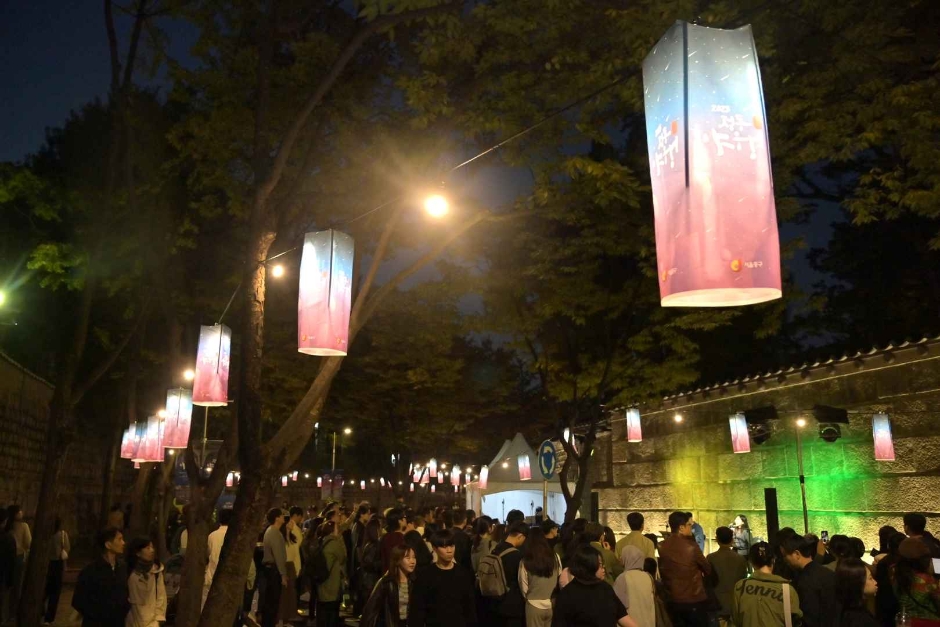
Jeongdong Culture Night is dedicated to promoting the history and culture of Jeongdong, a neighborhood in Jung-gu, Seoul. The festival programs allow participants to understand how the history is connected to today's culture and offers an opportunity to view Jeongdong's cultural facilities in a different perspective.
Lee Ri-Ja Hanbok Museum (이리자 한복전시관)
10.3Km 2022-08-08
20, Samcheong-ro, Jongno-gu, Seoul
+82-2-734-9477
The Lee Ri-Ja Hanbok Museum displays the traditional clothing worn in Korea from birth to death. All hanbok displayed at the museum are created by the hanbok designer Lee Ri-Ja herself, who has over 40 years of experience.
Childrens Museum of the National Museum of Korea (국립중앙박물관 어린이박물관)
10.3Km 2021-09-15
137, Seobinggo-ro, Yongsan-gu, Seoul
+82-2-2077-9000
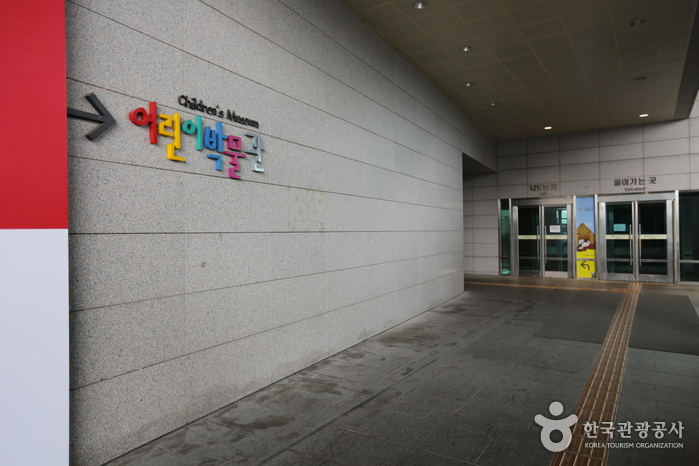
The Children’s Museum of the National Museum of Korea is an experience-oriented museum where children can see, touch, and feel history through hands-on programs and games. The permanent exhibition hall displays replicas of historical items so children can learn about Korea’s cultural heritage in a fun and interactive way. Children can also experience the lifestyle and wisdom of the past through experience programs.
National Museum of Korea (국립중앙박물관)
10.3Km 2025-11-21
137 Seobinggo-ro, Yongsan-gu, Seoul
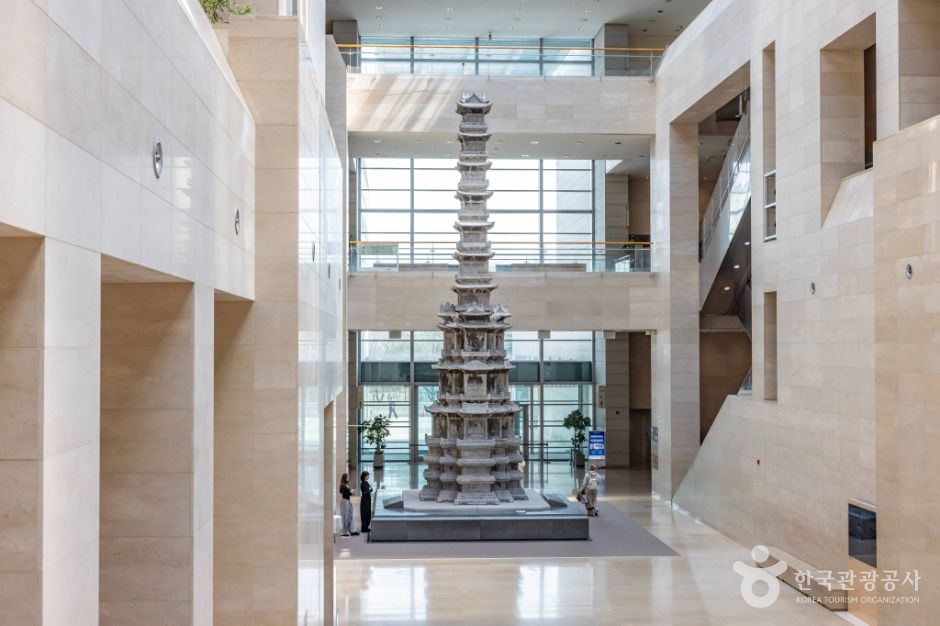
The National Museum of Korea houses a vast collection of artifacts from ancient times to the modern era in a wide range of topics, including art and culture. The museum houses a Children's Museum, where visitors can learn more about the nation's history through educational programs and experiences. The outdoor grounds feature pagodas and other stone artworks too large to be on display inside.
In addition to galleries with a wide array of national and international pieces, the National Museum of Korea is a stage for a number of cultural activities related to collection, preservation, research and analysis, social training, academic publications, intercultural exchange programs, concerts, and more.
 English
 한국어
한국어 日本語
日本語 中文(简体)
 Deutsch
 Français
 Español
 Русский


