
Jogyesa Temple (조계사(서울))
10.0Km 2024-10-25
55 Ujeongguk-ro, Jongno-gu, Seoul
As the main temple as well as the district head temple of the Jogye order in Seoul, Jogyesa Temple is the center of Korean Buddhism. The temple was built in the late 14th century during the Goryeo period but was completely destroyed in a fire. It was rebuilt under the name of Gakwangsa Temple in 1910 with the effort of many respectful monks, namely Han Yong-un and Lee Hee-gwang. The temple was given a role as the head temple of Korea’s Buddhism and renamed to Tegosa Temple in 1936. In 1954, a purification drive took place to eliminate Japanese influence and revive traditional Buddhism, which established the present day Jogyesa Temple as a result.
Jogyesa Temple plays an important role in Korean Buddhism as the head temple of the Jogye order. Jogyesa Temple’s Dharma Hall serves as the main venue for several Buddhist events, holding rituals, lectures, ceremonies, and other events all year long. The annual lantern festival in celebration of Buddha's birthday also takes place at this temple.
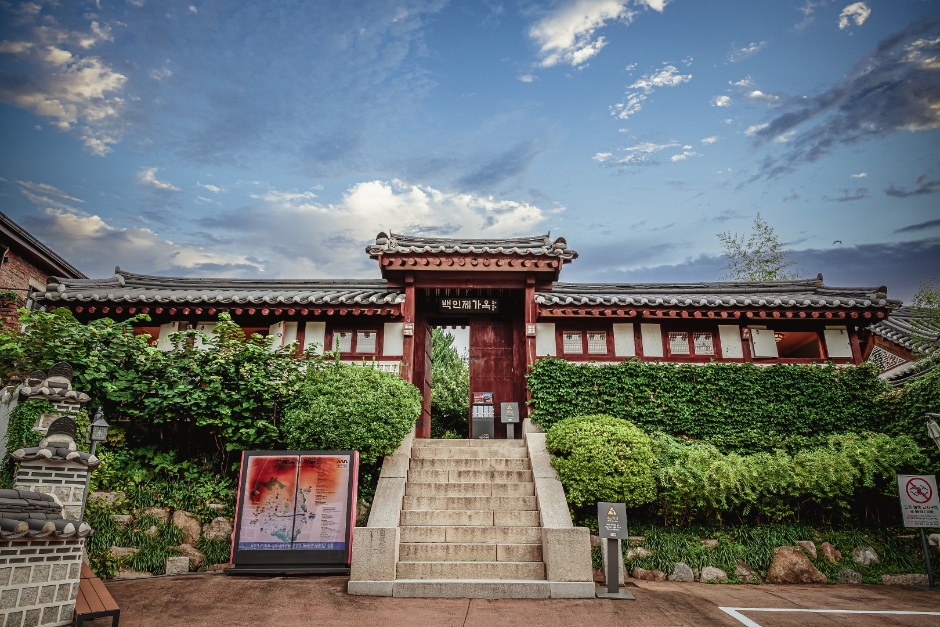
Baek In-je House (백인제가옥)
10.0Km 2025-10-24
16 Bukchon-ro 7-gil, Jongno-gu, Seoul
+82-2-724-0200
Baek In-je House, located in Bukchon Hanok Village, is a hanok built during the Japanese administration period that portrays modern hanok features. The structure consists of a main room offering a good view of the whole village, spacious bedrooms, a large garden, and annex buildings. As it maintains the beauty of a traditional hanok while incorporating the modern trend of its time, Baek In-je House is considered to be highly valuable in means of both architecture and history, representing the Bukchon Hanok Village together with Yun Bo-seon House.
Baek In-je House was built from black pine, which was first introduced in Seoul during the Gyeongseong Expo in 1907, distinguishing itself from other upper-class houses of its time. Unlike other traditional hanok designs that separate the main building from the other rooms, Baek In-je House connects the two with a hallway, allowing convenient access between the two structures. The house also consists of a Japanese-style hallway and floor mat rooms, reflecting the interior trends of that period. Baek In-je House is also unique in that the main room is partially built as a two-story structure, a style that was never seen in any traditional hanok built during the Joseon period.
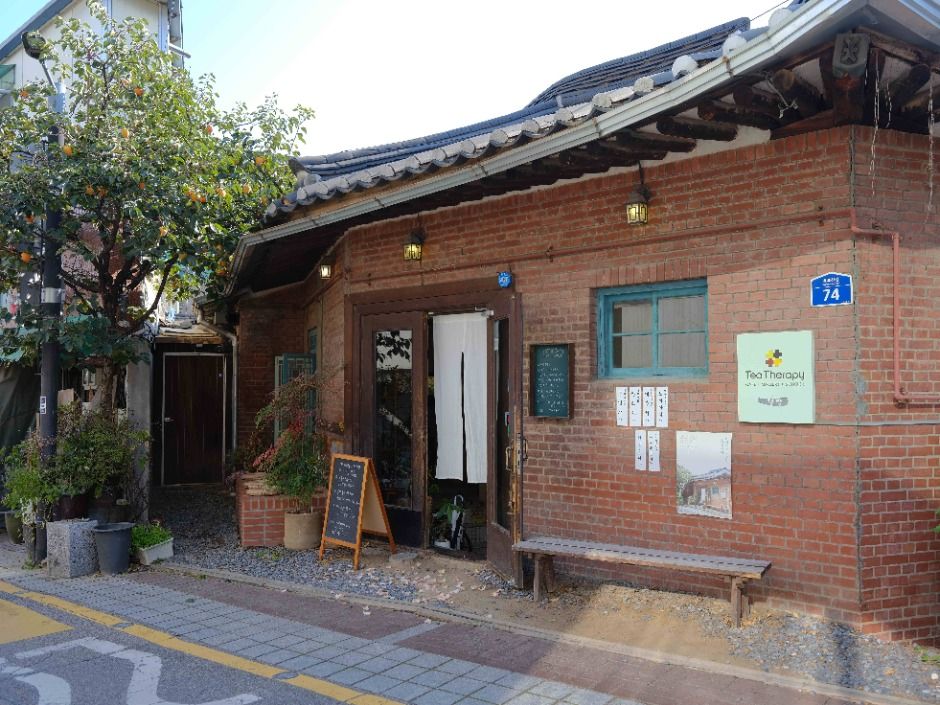
Tea Therapy (티테라피)
10.0Km 2025-10-23
74 Yunboseon-gil, Jongno-gu, Seoul
+82-2-730-7507
Located in Jongno-gu, Seoul, Tea Therapy can be of help to those who chronically feel unwell even though they do not have any serious diseases that need to be treated. It is a place where medicinal herbal teas, which once seemed difficult to enjoy, can be enjoyed without hassle and in a unique way. The teas found at Tea Therapy can be brewed within three minutes, similar to herbal teas found in other countries, and are both delicious and good for your health. Tea Therapy recommends tea through testing so even novices can have fun selecting teas that suit them. Tea products are sold here as well, allowing you to enjoy the same flavors at home.
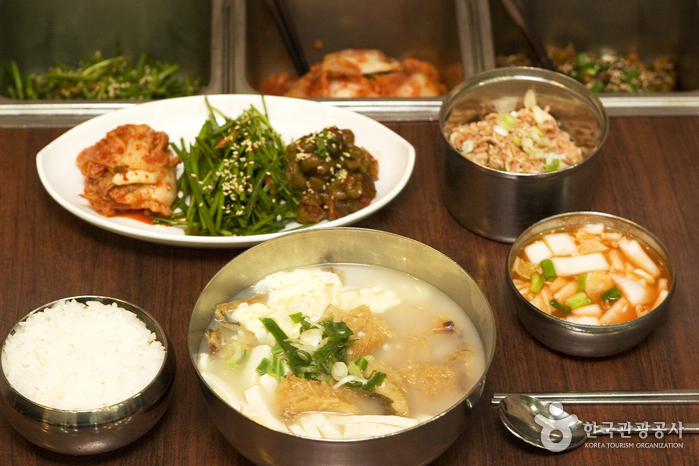
Bugeogukjip (북어국집)
10.0Km 2024-12-27
38, Eulji-ro 1-gil, Jung-gu, Seoul
+82-2-777-3891
Bugeogukjip (formerly “Teojutgol”) is a restaurant behind City Hall in Seoul that has been serving up authentic dried Pollack soup since 1968. Despite a name change, the restaurant has proudly stood in this same location for decades, earning a strong reputation for its dried Pollack soup made using traditional cooking methods.
Since the restaurant only serves one thing—dried Pollack soup—there are few preparations to be made and the meal arrives on your table in minutes. Customers are free to serve themselves basic side dishes such as kimchi and can have as many servings of rice as they’d like, allowing diners to enjoy a hearty meal at a low price. While the restaurant’s design and menu may be simple, Bugeogukjip takes pride in its long history and the careful efforts that have earned it a reputation as one of the most notable restaurants in Seoul.
Yongsan Family Park (용산가족공원)
10.0Km 2022-12-15
185, Seobinggo-ro, Yongsan-gu, Seoul
+82-2-792-5660
Visitors to Yongsan Family Park can enjoy a relaxing time at a big grassy field beside a refreshing pond and well-organized walking paths. Yongsan Family Park spans an area of roughly 89,256.20 ㎡ in what was a section of the former golf course of the Eighth US Army Division. The park is comprised of various facilities such as a 2km-walking path, a natural education site, and Taegeukgi Park. Visitors can watch and feed pigeons and wild pheasants living at the park.
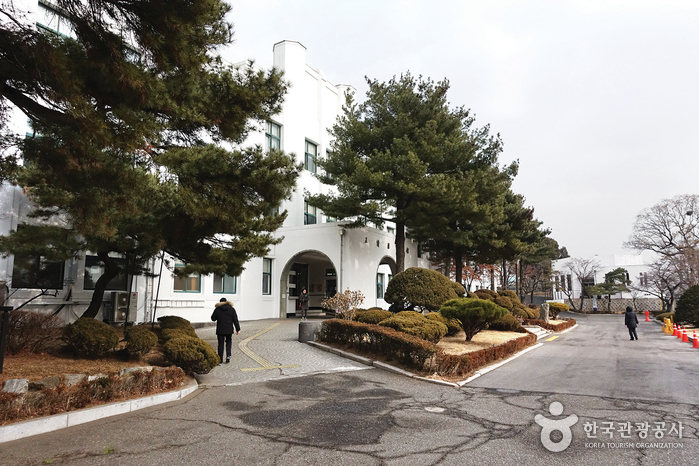
Jeongdok Library (서울특별시교육청 정독도서관)
10.0Km 2021-05-08
48, Bukchon-ro 5-gil, Jongno-gu, Seoul
+82-2-2011-5799
Jeongdok Library opened in January 1977 on the former site of the Gyeonggi High School in Bukchon, Jongno-gu, Seoul. As a public city library, it boasts little under half a million books and 16,300 reference materials. The Seoul Education Museum in the library houses a collection of 12,000 reference materials.
In addition to basic library functions (lending books and offering archives and reading rooms to the public), the library runs various cultural programs such as monthly lectures by invited authors, photo exhibitions, reading seminars, and music/dance performances.

Bukchon Hanok Village Gamgodang Street (북촌한옥마을 감고당길)
10.1Km 2025-10-30
Anguk-dong, Jongno-gu, Seoul
An alley with cute cafes and galleries
This is the road that appeared in the last episode and the flashback scene where Choi Ung (played by Choi Woosik) and Kuk Yeonsoo (played by Kim Dami) got drunk. Behind the Seoul Craft Museum in Bukchon Hanok Village, it extends for about 440m from Poongmoon Girls' High School to Jeongdok Library. There are many pretty cafes and galleries on the cozy road, and there are also craft markets open, so there is plenty to look around. The alley where Kuk Yeonsoo walked with the drunken Choi Ung on her back is Yunboseon Street in the middle of Gamgodang Street. It stretches along the hill between narrow tiled walls and stone walls, giving off a unique atmosphere.
Gilsangsa Temple (Seoul) (길상사(서울))
10.1Km 2025-06-17
68 Seonjam-ro 5-gil, Seongbuk-gu, Seoul
+82-2-3672-5945
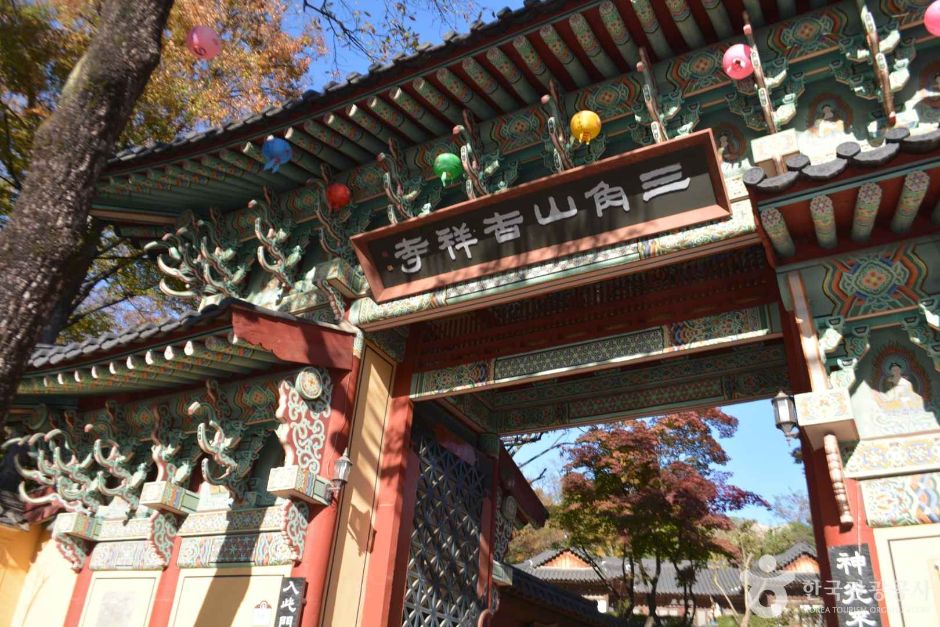
Gilsangsa Temple is a prominent temple located in Seongbuk-dong, Seoul. The name Gilsangsa means "a favorable and auspicious temple." Visitors can experience temple, participate in Buddhist practices, and even enjoy Templestay programs on weekends. In fall, visitors can admire red spider lilies and wildflowers, immersing themselves in the beauty of nature and finding inner peace.
Namdaemun Market (남대문시장)
10.1Km 2024-05-17
21, Namdaemunsijang 4-gil, Jung-gu, Seoul
+82-2-753-2805
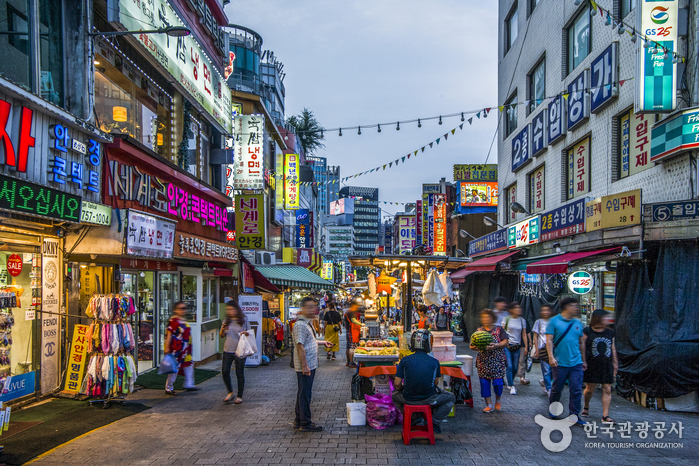
Opened in 1964, Namdaemun Market is the largest traditional market in Korea with shops selling various goods. All products are sold at affordable prices and the stores in this area also function as wholesale markets.
Most of the goods are made directly by the storeowners. Namdaemun Market is even open overnight, from 23:00 to 04:00, and is crowded with retailers from all over the country. When day breaks, the site of busy shoppers bustling around the market creates a unique scene that attracts tourists worldwide. Namdaemun Market sells a variety of clothes, glasses, kitchenware, toys, mountain gear, fishing equipment, stationery, fine arts, accessories, hats, carpets, flowers, ginseng, and imported goods.
The War Memorial of Korea (전쟁기념관)
10.1Km 2022-12-29
29, Itaewon-ro, Yongsan-gu, Seoul
+82-2-709-3144
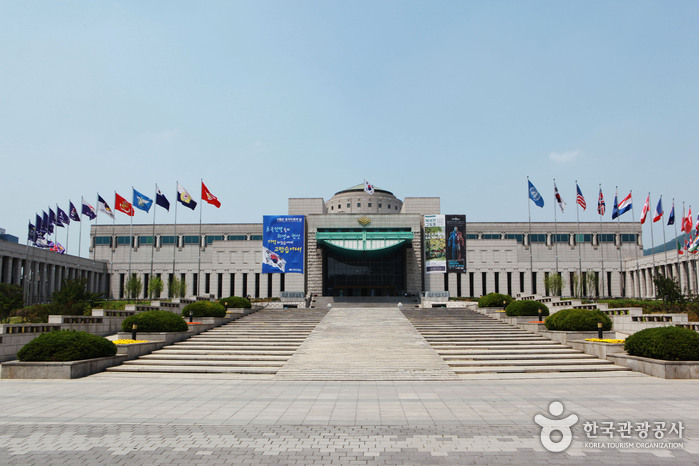
The War Memorial of Korea, located in Yongsan-gu, Seoul, exhibits and preserves materials related to the Korean War and serves as a national moral educational venue. It was established on June 10, 1994 by the War Memorial Service Korea Society to commemorate the noble sacrifice of patriotic martyrs. The museum houses approximately 33,000 artifacts with about 10,000 on display at indoor and outdoor exhibitions. There are six separate indoor halls, including Expeditionary Forces Room, Patriotic Memorial Room, War History Room, 6·25 Korean War Room, Development Hall and Large Machinery Room. The outdoor exhibition showcases large-sized weapons. Visitors of all ages from children to adults can also participate in 20 various educational programs and diverse cultural events such as military music and honor guard events, drawing contest, cultural event and more. The character of War Memorial of Korea is ‘Mudori’ featuring a helmet symbolizing the protection of the nation and a bay leaf meaning peace.
 English
 한국어
한국어 日本語
日本語 中文(简体)
 Deutsch
 Français
 Español
 Русский


