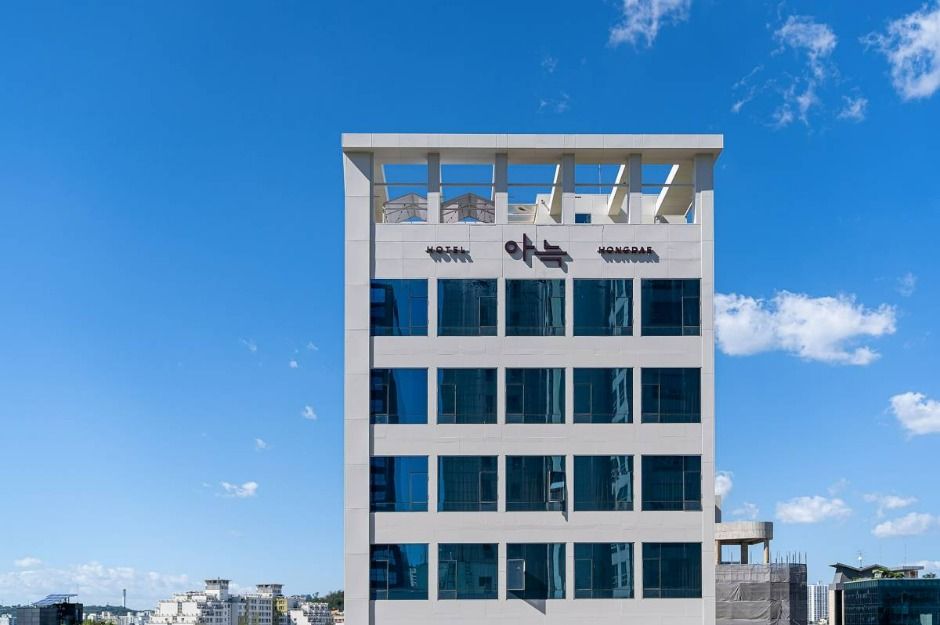
The Hyooshik Aank Hotel Hongdae (더휴식 아늑호텔 홍대점)
13.1Km 2025-04-18
162-7 Donggyo-ro, Mapo-gu, Seoul
The hotel offers rooms equipped with various entertainment options, catering to the diverse preferences of its guests. From a private movie room to a meditation room, guests can choose the type of stay they want, whether it is a fun movie time or a relaxing retreat to unwind. The business room provides the amenities needed for a workation, while the gaming room allows guests to relieve stress by gaming.
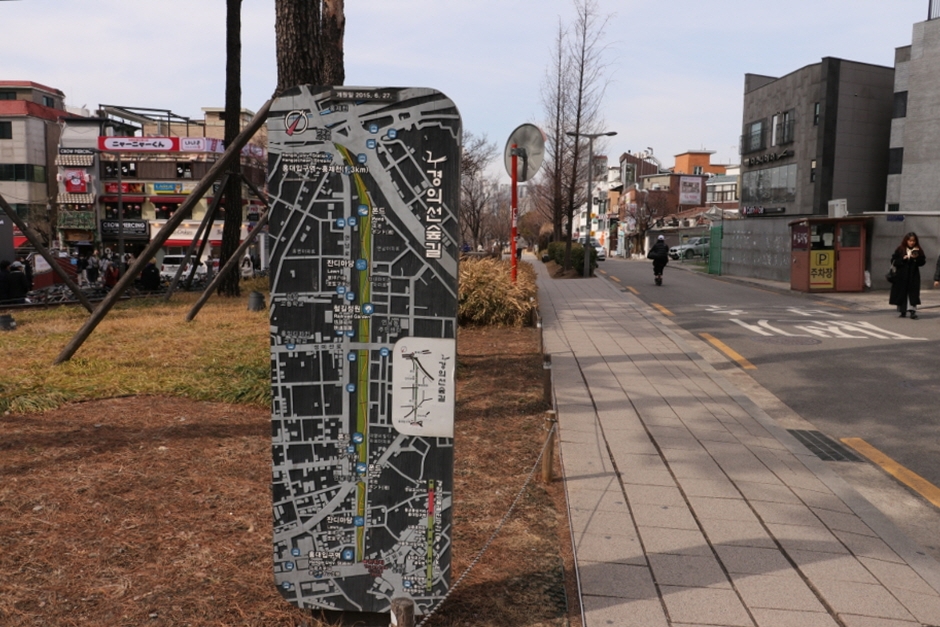
Yeonnam-dong (연남동)
13.1Km 2024-03-19
Yeonnam-dong, Mapo-gu, Seoul
Yeonnam-dong, located near Hongik University Station, has become a hot spot in Seoul as young artists and hipsters gather. It is densely packed with art spaces, and every alley is filled with unique concept cafés and many restaurants. There are also many guesthouses, editorial shops, and fashion stores, along with Yeontral Park, which was transformed from the old Gyeongui Line railroad into a park.

Gyeonggi Janggyeongsa Temple (장경사(경기))
13.1Km 2025-01-14
676, Namhansanseong-ro, Gwangju-si, Gyeonggi-do
Janggyeongsa Temple is located in Namhansanseong Fortress. Namhansanseong Fortress, which protected Seoul along with Bukhansanseong Fortress, was built at the same time as Janggyeongsa Temple in 1638, during the 16th year of King Injo. Warrior monks from all eight provinces throughout the country helped with the construction. Janggyeongsa Temple is the only remaining temple among nine such temples where military groups made up of monks stayed for trainings.
Seokparang (석파랑)
13.1Km 2024-09-02
309 Jahamun-ro, Jongno-gu, Seoul
Seokparang is a place built by relocating the Sarangchae of Heungseon Daewongun, the father of King Gojong of the Joseon dynasty. It boasts beautiful late Joseon-style gardens and three traditional hanok buildings. Here, one can enjoy authentic Gungjung hanjeongsik (royal Korean table d'hote) for both lunch and dinner, featuring meticulously prepared dishes such as traditional porridge, chilled salads, steamed prawns, kimchi cabbage wraps with pork, soybean paste jjigae set menu, and desserts. Diners can also savor traditional liquors crafted by artisans from across the country.
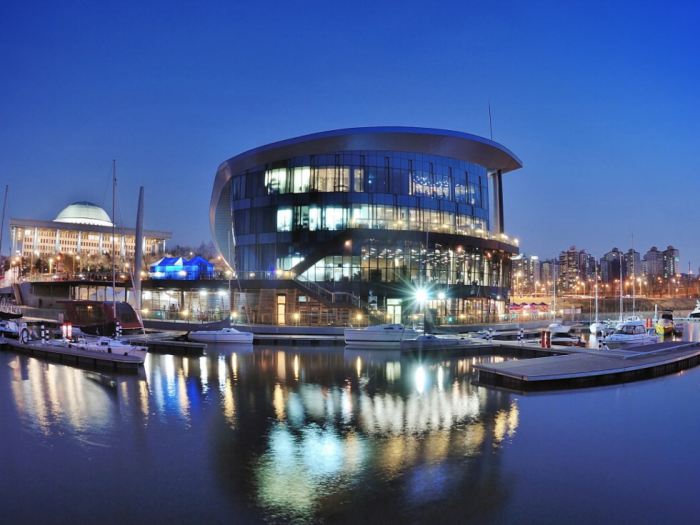
Seoul Marina Club & Yacht (서울마리나 요트&클럽)
13.2Km 2025-04-14
160 Yeouiseo-ro, Yeongdeungpo-gu, Seoul
Located right behind the National Assembly of the Republic of Korea, this marina facility has a rather unique scenery that one cannot easily find in Korea, thanks to the view of the Hangang River and the yachts moored at the marina. Professionals operate the yachts here, so safety is guaranteed. Yacht rides here are popular because one can enjoy a sailing experience in the city center. Another draw of the yacht rides here is the scenery of Seoul, especially at night.
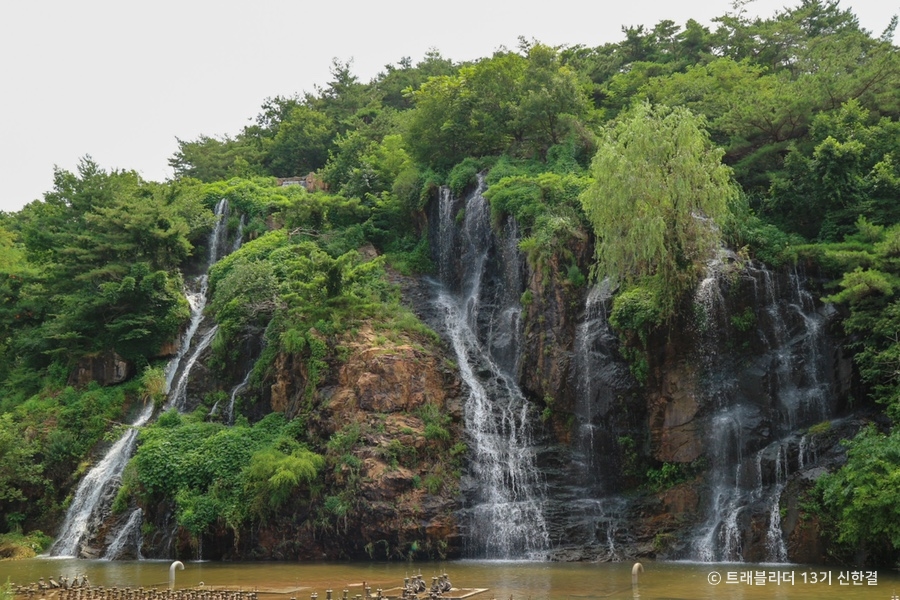
Hongjecheon Artificial Waterfall (홍제폭포)
13.2Km 2024-11-07
Yeonhui-dong, Seodaemun-gu, Seoul
Hongjecheon Artificial Waterfall is located along Hongjecheon Stream in Seodaemun-gu, Seoul. The waterfall was built in 2011 and is 25 meters tall and 60 meters wide. Despite being a man-made waterfall, the design and construction were so well-done that many find it hard to believe it wasn't a naturally formed waterfall. The area around the waterfall features various places for citizens and visitors to relax, while there are many cafes and cultural spaces in the area to make a visit more enjoyable.
Korea Institute of Radiological & Medical Sciences, Korea Cancer Center Hospital (한국원자력의학원 원자력병원)
13.3Km 2025-11-28
75 Nowon-ro, Nowon-gu, Seoul
KCCH (Korea Cancer Center Hospital) is a leading institution specializing in cancer diagnosis, treatment, and research using radiation. It has established an efficient collaborative care system and an integrated multidisciplinary approach to treatment. In addition to cancer care, the hospital operates a hospice palliative care center, offering holistic care to patients. As a government-funded organization, it actively conducts molecular cancer research and studies on the effects of radiation on the human body. With the introduction of PET/MRI diagnostics, KCCH develops more precise treatment plans and leads international clinical research, continuously improving cancer treatment outcomes through advanced research.
Jangmo Bapsang (장모밥상)
13.3Km 2024-10-15
5, Haogae-ro 344beon-gil, Bundang-gu, Seongnam-si, Gyeonggi-do
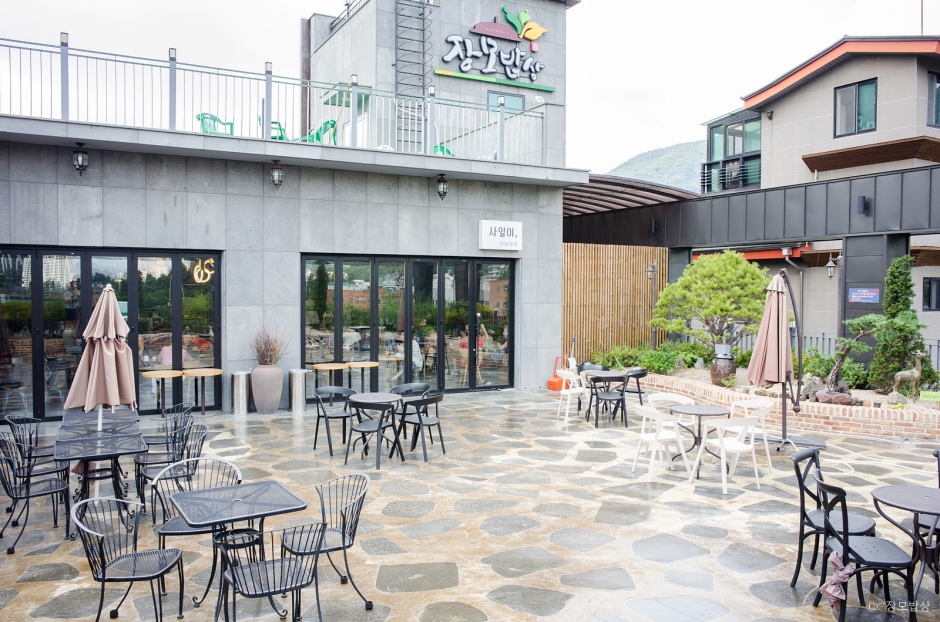
This restaurant specializes in elegant Korean table d’hote. Order the flagship set menu, Jangmo Bapsang, which includes nearly 20 types of side dishes. These dishes range from Saengseongui (Grilled fish), Suyuk (Boiled pork slices), Ganjanggejang (Soy sauce marinated crab), Japchae, Kimchi, Doenjangjjigae (Soybean paste jjigae), Namul (Salad), and Cheongpomukmuchim (Mung bean jelly salad), all served with Gamasotbap (Rice Cooked in Cast-iron Pot). You can enjoy extra servings of side dishes from the self-service bar. The dishes are known for their refined taste. After your meal, enjoy a cup of tea at the café on the second floor.
Jamunbak Cultural Festival (자문밖문화축제)
13.4Km 2025-10-23
5 Pyeongchang 31-gil, Jongno-gu, Seoul
+82-2-6365-1388
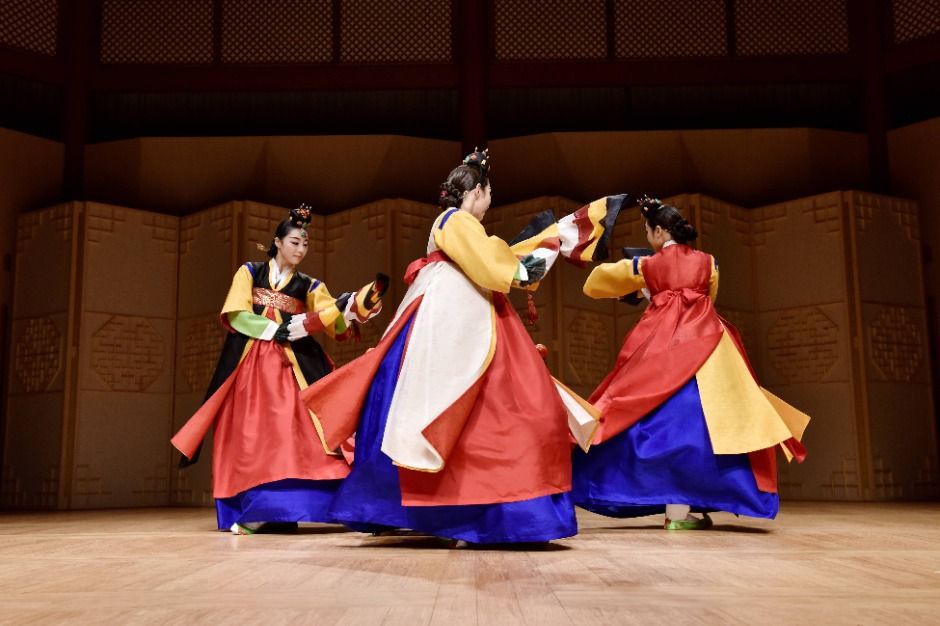
The Jamunbak Festival is a celebration of the artistic life of Seoulites. At the foot of Bukhansan Mountain, the festival features exhibitions, performances, forums, workshops, and field trips that bring together artists of different generations and citizens of Seoul—who have long led Korea’s artistic culture—to reflect on and propose new directions for their own artistic lives. The festival aims to create a platform where emerging artists experimenting with new aesthetics, mid-career artists who form the backbone of Korean art, collectors, critics, students, and the general public can all engage in dialogue together.
Total Museum (토탈미술관)
13.4Km 2022-07-22
8, Pyeongchang 32-gil, Jongno-gu, Seoul
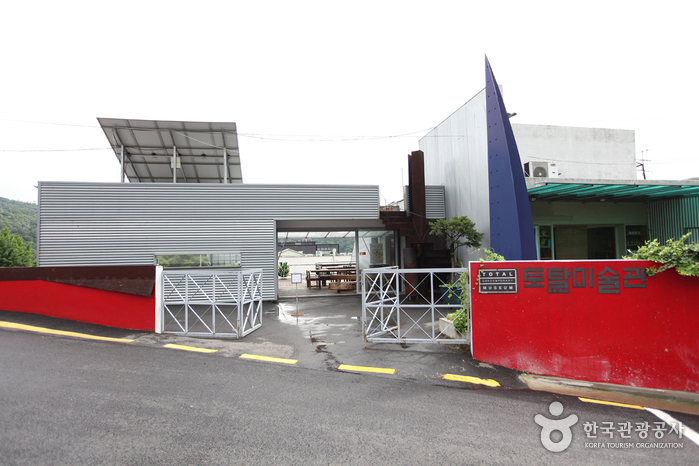
The Total Museum is a branch of Jangheung Art Park (formerly “Total Outdoor Museum”) that opened near Bukhansan Mountain in April 1992. It houses facilities such as an art academy, library, art shop, and outdoor performance stage. In addition to exhibitions, the museum holds a variety of art and culture programs like musical concerts, events, lectures, and seminars. In particular, the members-only educational programs and gallery concerts provide a chance to enjoy high-quality cultural events.
 English
 한국어
한국어 日本語
日本語 中文(简体)
 Deutsch
 Français
 Español
 Русский


