
Goobne Playtown (굽네 플레이타운)
12.9Km 2025-01-16
23 Jandari-ro 2-gil, Mapo-gu, Seoul
Goobne Playtown is a culture and experience center operated by Goobne, one of Korea's chicken franchises that specializes in oven-roasted chicken instead of the standard fried chicken. Visitors can taste the latest products in a relaxing space, as well as enjoy media art and changing items in the pop-up zone.
PETERPAN 1978 (피터팬1978)
12.9Km 2025-10-29
10 Jeungga-ro, Seodaemun-gu, Seoul
◎ Travel information to meet Hallyu’s charm - "BLACKPINK's Favorite Spots"
Jennie found it on YouTube during her bread tour in Yeonhui-dong. Since opening in 1978, it has been in the same place for over 40 years. There are many delicious breads such as the signature bread “Baby Buttocks” and “Sweet Red Bean Bread 1978,” which has kept the same flavor since 1978. There are many breads that give off a deep flavor when you take a bite, but the “Potato Bread” recommended by JENNIE is particularly savory for its fluffy texture.
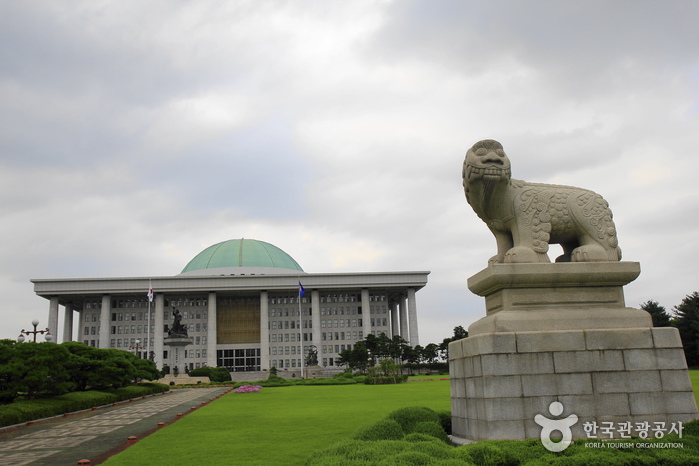
The National Assembly Building (국회의사당)
12.9Km 2024-02-29
1, Uisadang-daero, Yeongdeungpo-gu, Seoul
The National Assembly Building stands as the symbol of Korean democracy. It consists of the National Assembly Building, the National Assembly Library, and the Memorial Hall. Visitors can take part in programs such as observing the Plenary Chamber and visiting the Children's Museum. Because it is a great place to learn about Korean history and politics, it is a popular tourist site. Visitors are required to make reservations for their visit, which can be done through the webpage.

Haha & Kim Jongkook's 401 Restaurant (하하&김종국의 401정육식당)
12.9Km 2025-10-30
23 Jandari-ro, Mapo-gu, Seoul
'Running Man' members Haha & Kim Jongkook
It is a meat restaurant run by Haha and Kim Jongkook, members of the entertainment program 'Running Man'. With the concept of a Grilled Pork Belly restaurant, you can taste Grilled Pork Small Intestines, Grilled Pork Tripe, and Grilled Pork Rinds. It is characterized by the fact that the staff grills the meat for customers, and the combination of well-grilled Pork belly, Salted Anchovy Sauce, Green Onion Salad, and White radish cabbage is popular.
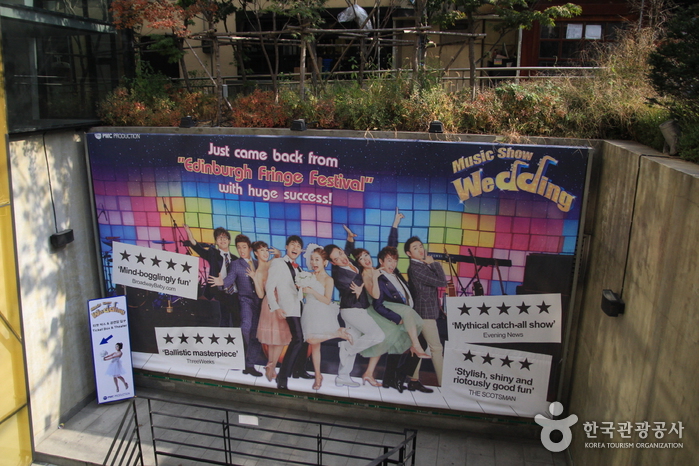
Hongdae Nanta Theatre (홍대난타전용관)
13.0Km 2021-08-27
29, Yanghwa-ro 16-gil, Mapo-gu, Seoul
Located in Hongdae, a signature of youth and cultural streets, Hongdae Nanta Theater has 323 seats and offers two performances daily.
ID Clinic Hongdae (홍대 아이디의원)
13.0Km 2025-10-23
10th Floor, H-CUBE, 140 Yanghwa-ro, Mapo-gu, Seoul
Hongdae ID Clinic is a specialized clinic of the ID Group, backed by over 20 years of expertise in facial contouring surgery, skin treatments, and petit procedures. With a deep understanding of facial anatomy, we provide safe and precise treatments, offering a wide range of customized solutions such as lifting, Botox, fillers, and lasers to create natural and harmonious beauty.
Hwarangdae Railroad Park (화랑대 철도공원)
13.0Km 2023-08-11
Gongneung-dong, Nowon-gu, Seoul
Hwarangdae Railroad Park is a 400-meter-long light park featuring 10 different themed courses with various lit sculptures. It was renovated from abandoned Hwarangdae Station. Visitors can see ann exhbition of real trains that operated in the past and enjoy a cup of coffee at the train cafe.
Boombiz (붐비즈)
13.0Km 2025-10-23
(#65, 9th Floor), 8 Daewangpangyo-ro 645beon-gil, Bundang-gu, Seongnam-si, Gyeonggi-do
Boombiz utilizes AI-based technology to contribute to the advancement of various industries.
In the tourism sector, we have launched the travel brand "Tourevo", which operates an OTA (tourevo.co.kr) and engages in the medical tourism business.
Boombiz offers a wide range of unique tourism products across key regions of Korea, including the DMZ, Seoul, Jeju, Busan, Jeonju, and Gyeongju.
Additionally, with over 15 years of expertise and the use of AI technology, we develop and deliver customized travel packages tailored to customers' specific tourism needs. Communication is also facilitated through AI, enabling multilingual support.
Kleam Clinic (클림의원)
13.0Km 2025-10-23
3F, 141 Yanghwa-ro, Mapo-gu, Seoul
Kleam Clinic is a leader in K-beauty innovation, and they discover the unique, radiant beauty of customers from around the globe.
Kleam Clinic is sought after by many customers as it is known for its excellent procedural competence, honest pricing, and use of genuine products. Additionally, the clinic provides interpretation services in English, Chinese, Japanese, and Thai for international clients. Additionally, the clinic offers airport pick-up and drop-off services, hotel bookings, and tax-free services, allowing foreign visitors a hassle-free one-stop procedure.
The clinic is open from Monday through Sunday so patients can conveniently get consultations on holidays as well.
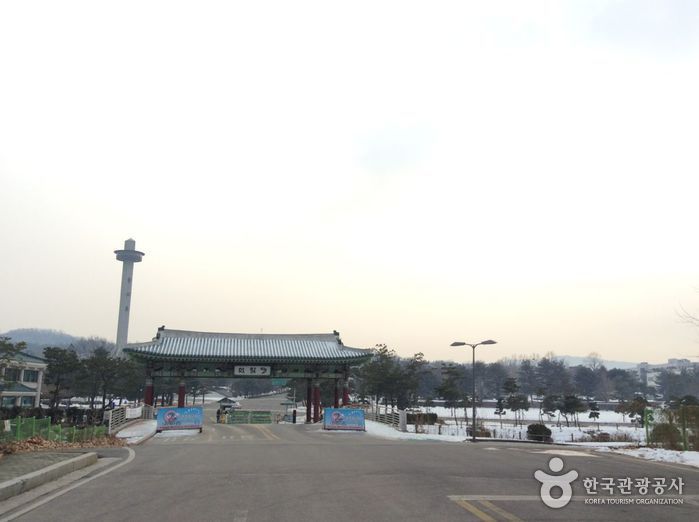
Korea Military Academy (육군사관학교)
13.1Km 2022-08-30
574, Hwarang-ro, Nowon-gu, Seoul
Korea Military Academy is a place of strict rules, patriotism, and military cadets. It was extremely difficult for outsiders to visit the academy until 1997, when a special tourism course was created. The course showcases the major sites at Korea Military Academy. Starting from the school information center, visitors can see the museum, memorial hall, and exhibition center in a 1.5 hour course. The Military Museum displays treasures and materials from each branch of the military, while visitors can see the history of the military and lifestyle of cadets at the memorial hall. However, the highlight of a trip to Korea Military Academy is watching the Hwarang Ceremony, a parade of cadets which takes place every Saturday at 11:30. In the ceremony, cadets don their formal uniform to march. Touring the academy at 10 is perfect for watching the parade later.
 English
 한국어
한국어 日本語
日本語 中文(简体)
 Deutsch
 Français
 Español
 Русский


