
MEDIPACT (메디팩트)
12.1Km 2025-10-23
2nd Floor, 9 Bongcheon-ro 31-gil, Gwanak-gu, Seoul
Medipact is a company that provides an integrated medical platform encompassing foreign patient attraction, global influencer marketing, and interpretation support services. For international patients, Medifact offers personalized one-on-one services to ensure an optimized medical experience, while leveraging its global influencer network to enhance the brand value of partner hospitals and strengthen their international competitiveness.
Furthermore, Medifact goes beyond patient-centered services by operating educational programs for foreign physicians and medical professionals, transferring Korea’s advanced medical technologies and specialized skills. Through these initiatives, Medifact contributes to spreading the excellence of Korean healthcare worldwide and serves as a vital bridge for global medical cooperation.
Goobne Playtown (굽네 플레이타운)
12.1Km 2025-01-16
23 Jandari-ro 2-gil, Mapo-gu, Seoul
Goobne Playtown is a culture and experience center operated by Goobne, one of Korea's chicken franchises that specializes in oven-roasted chicken instead of the standard fried chicken. Visitors can taste the latest products in a relaxing space, as well as enjoy media art and changing items in the pop-up zone.
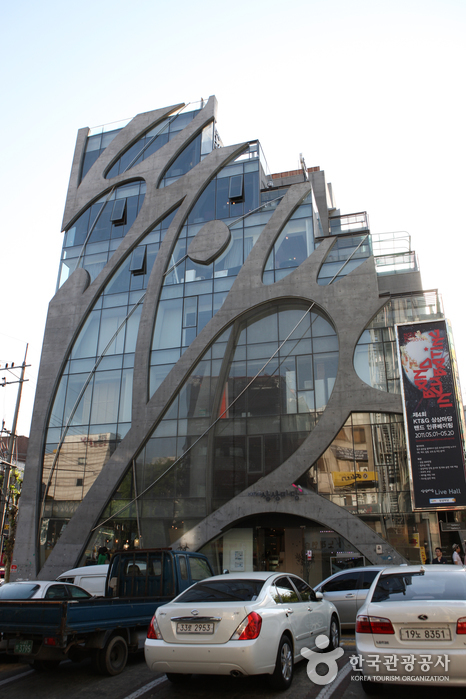
KT&G Sangsangmadang Arts Space (Hongik University) (KT&G 상상마당(홍대))
12.1Km 2024-03-12
65 Eoulmadang-ro, Mapo-gu, Seoul
KT&G Sangsangmadang Arts Space is a multifaceted cultural space established in 2007. Spanning 660 meters with a total floor area of 3,366 meters, it features facilities such as a theater, a concert hall, a design square, a gallery, and cafés. It offers opportunities for close engagement with culture. Located near Hongik University Station, it boasts excellent accessibility and attracts many visitors due to its diverse attractions.
Kleam Clinic (클림의원)
12.1Km 2025-10-23
3F, 141 Yanghwa-ro, Mapo-gu, Seoul
Kleam Clinic is a leader in K-beauty innovation, and they discover the unique, radiant beauty of customers from around the globe.
Kleam Clinic is sought after by many customers as it is known for its excellent procedural competence, honest pricing, and use of genuine products. Additionally, the clinic provides interpretation services in English, Chinese, Japanese, and Thai for international clients. Additionally, the clinic offers airport pick-up and drop-off services, hotel bookings, and tax-free services, allowing foreign visitors a hassle-free one-stop procedure.
The clinic is open from Monday through Sunday so patients can conveniently get consultations on holidays as well.

TEISTY BURGER (테이스티버거)
12.1Km 2025-11-06
67-11 Dongmak-ro, Mapo-gu, Seoul
Singer Tei
This is a handmade burger restaurant of singer Tei, who is famous for being a gourmand. The representative menu is the ‘KRAKEN BURGER’ with squid ink buns, squid patties, and tartar sauce. Crispy and chewy squid patties are attractive. You can enjoy the burger even more moistly by pressing the burger bun and popping the egg yolk. In addition to the main store in Hongdae, there is also a store in Jamsil.
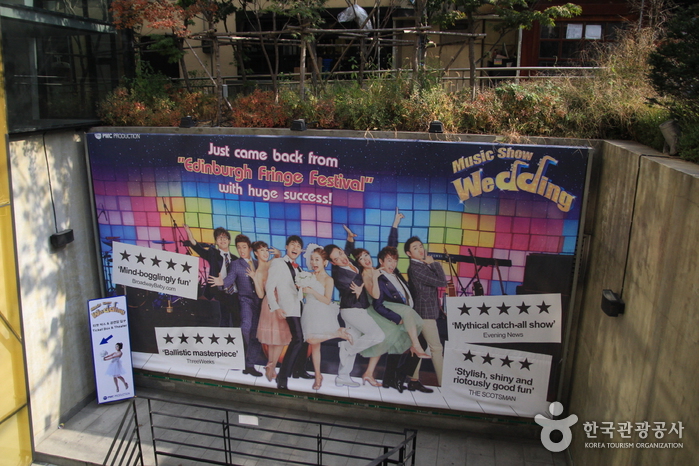
Hongdae Nanta Theatre (홍대난타전용관)
12.1Km 2021-08-27
29, Yanghwa-ro 16-gil, Mapo-gu, Seoul
Located in Hongdae, a signature of youth and cultural streets, Hongdae Nanta Theater has 323 seats and offers two performances daily.

Haha & Kim Jongkook's 401 Restaurant (하하&김종국의 401정육식당)
12.2Km 2025-10-30
23 Jandari-ro, Mapo-gu, Seoul
'Running Man' members Haha & Kim Jongkook
It is a meat restaurant run by Haha and Kim Jongkook, members of the entertainment program 'Running Man'. With the concept of a Grilled Pork Belly restaurant, you can taste Grilled Pork Small Intestines, Grilled Pork Tripe, and Grilled Pork Rinds. It is characterized by the fact that the staff grills the meat for customers, and the combination of well-grilled Pork belly, Salted Anchovy Sauce, Green Onion Salad, and White radish cabbage is popular.

Chosun Hwaro Gui (조선화로구이)
12.2Km 2025-10-30
5, World Cup buk-ro, Mapo-gu, Seoul
BIGBANG's favorite meat restaurant
It is a restaurant specializing in charcoal grill that celebrities from YG Entertainment often visit. Autographs of celebrities including BIGBANG adorn the walls, and it is always full of customers. Only 1++ grade Korean Beef and domestic Pork are used, so the taste is guaranteed. Boneless Korean Galbi are the most popular, and Grilled Marinated Pork Galbi are also a steady seller. All of the Kimchi and side dishes are made with care, and the Galbi Soup for meals is also delicious.
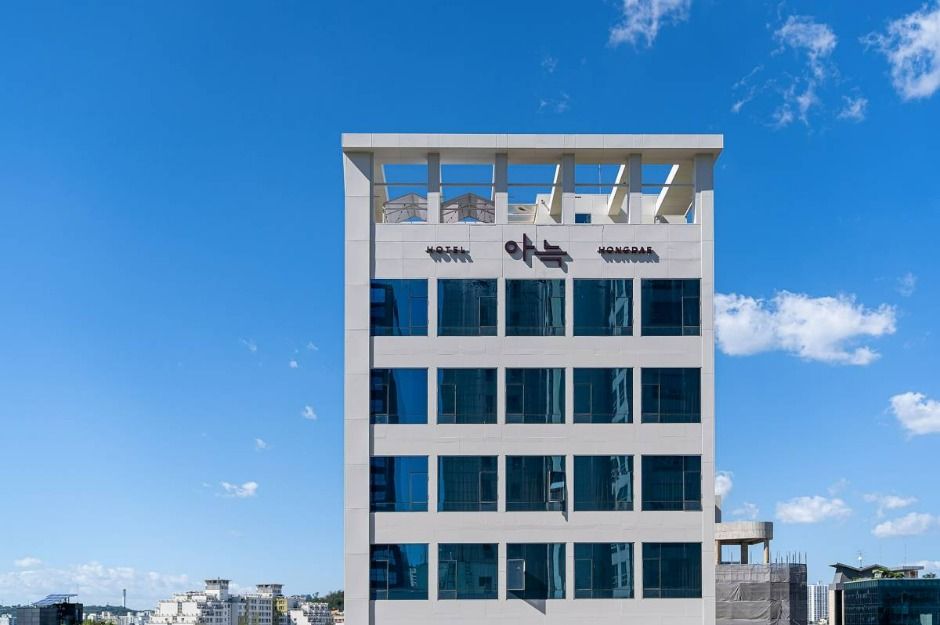
The Hyooshik Aank Hotel Hongdae (더휴식 아늑호텔 홍대점)
12.2Km 2025-04-18
162-7 Donggyo-ro, Mapo-gu, Seoul
The hotel offers rooms equipped with various entertainment options, catering to the diverse preferences of its guests. From a private movie room to a meditation room, guests can choose the type of stay they want, whether it is a fun movie time or a relaxing retreat to unwind. The business room provides the amenities needed for a workation, while the gaming room allows guests to relieve stress by gaming.
Yeouido Park (여의도공원)
12.3Km 2024-04-08
68, Yeouigongwon-ro, Yeongdeungpo-gu, Seoul
Yeouido Park is a large recreational area located on Yeouido Island in the central part of Seoul. It was once originally covered with black asphalt, and people frequented the place for bicycling and roller-skating. The construction began in 1997 and opened officially in February 1999. It is now the place where many people in the city come to rest and enjoy strolling around, playing sports, and cultural events.
 English
 한국어
한국어 日本語
日本語 中文(简体)
 Deutsch
 Français
 Español
 Русский


