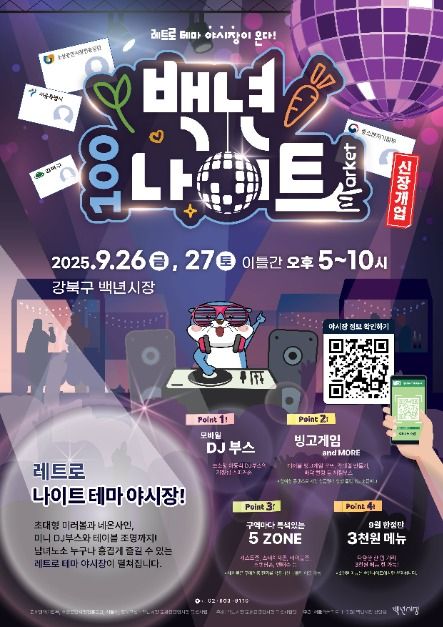
100 Years Market 100 Years Night (백년시장 백년나이트)
11.4Km 2025-10-23
16 Hancheon-ro 144-gil, Gangbuk-gu, Seoul
+82-2-903-9110
100 Year Market, a traditional market with a long history, transforms into a vibrant night market as evening falls. With a mini mirror ball, neon signs, and a mini DJ booth alongside new dining options each month, this retro-themed market is perfect for visitors of all ages.

G-line Book Street (경의선책거리)
11.5Km 2024-03-19
35 Wausan-ro 37-gil, Mapo-gu, Seoul
G-line Book Street spans approximately 250 meters from Exit 6 of Hongik University Station to Wau Bridge, where the old train tracks remain intact. It serves as a prominent cultural hotspot in Hongik University, housing various bookstores and cultural spaces selling books on diverse topics. Independent bookstores, children's bookstores, specialty bookshops, and art galleries converge in this area, offering a rich tapestry of literary experiences.

Ceramic Cafe JOOL(도자기카페 줄)
11.5Km 2025-11-05
11, Sinchon-ro 4-gil, Mapo-gu, Seoul
'24/365 with BLACKPINK' filming location
This is the studio where JISOO and ROSÉ visited and made pottery in BLACKPINK's exclusive reality content '24/365 with BLACKPINK'. Through the one-day class, you can draw a picture on a mug or make your own pottery by hand. If you follow the teacher's class and pay attention, you will feel great fun even if you are clumsy. Just touching the moist clay dough has the effect of relieving daily stress. Classes require reservations.
PETERPAN 1978 (피터팬1978)
11.5Km 2025-10-29
10 Jeungga-ro, Seodaemun-gu, Seoul
◎ Travel information to meet Hallyu’s charm - "BLACKPINK's Favorite Spots"
Jennie found it on YouTube during her bread tour in Yeonhui-dong. Since opening in 1978, it has been in the same place for over 40 years. There are many delicious breads such as the signature bread “Baby Buttocks” and “Sweet Red Bean Bread 1978,” which has kept the same flavor since 1978. There are many breads that give off a deep flavor when you take a bite, but the “Potato Bread” recommended by JENNIE is particularly savory for its fluffy texture.
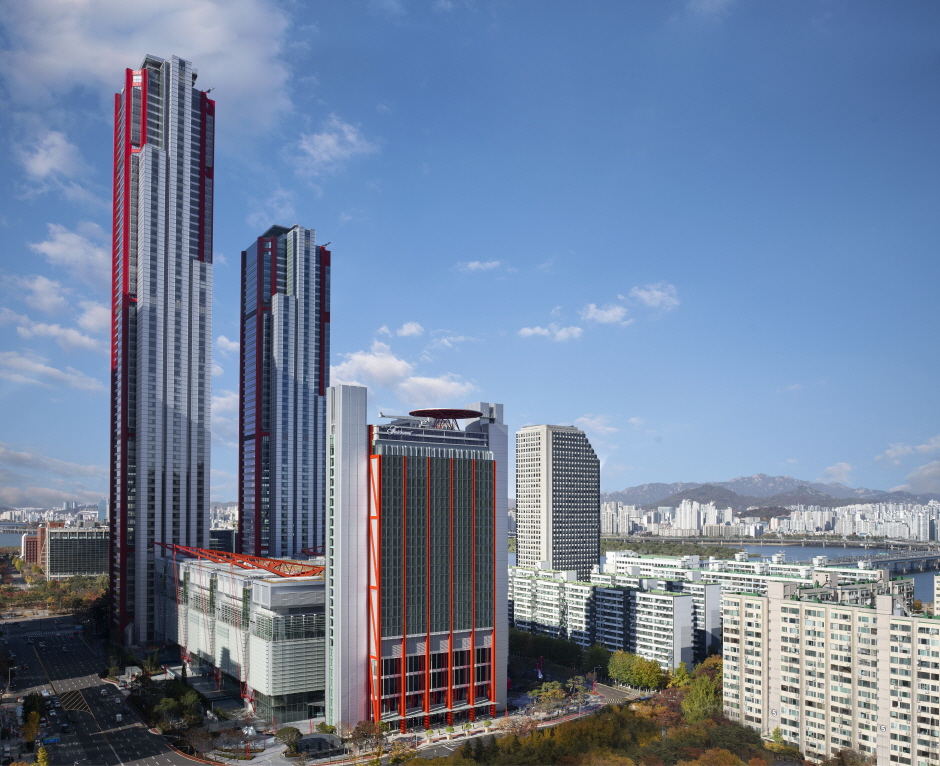
Fairmont Ambassador Seoul (페어몬트 앰배서더 서울 (Fairmont Ambassador Seoul))
11.5Km 2025-10-27
108 Yeoui-daero, Yeongdeungpo-gu, Seoul
◎ Travel information to meet Hallyu’s charm - "Strange Lawyer Woo Young-woo"
In the drama, an incident occurred during a wedding ceremony held at this hotel, and it is the place where Youngwoo visited to investigate. It is a 5-star luxury hotel with 308 rooms, and it is very impressive to see the skyline and view of Seoul. As it is close to Hangang Park as well as Hyundai Department Store and IFC Mall, it is the perfect place to stay, relax and enjoy shopping at the same time.
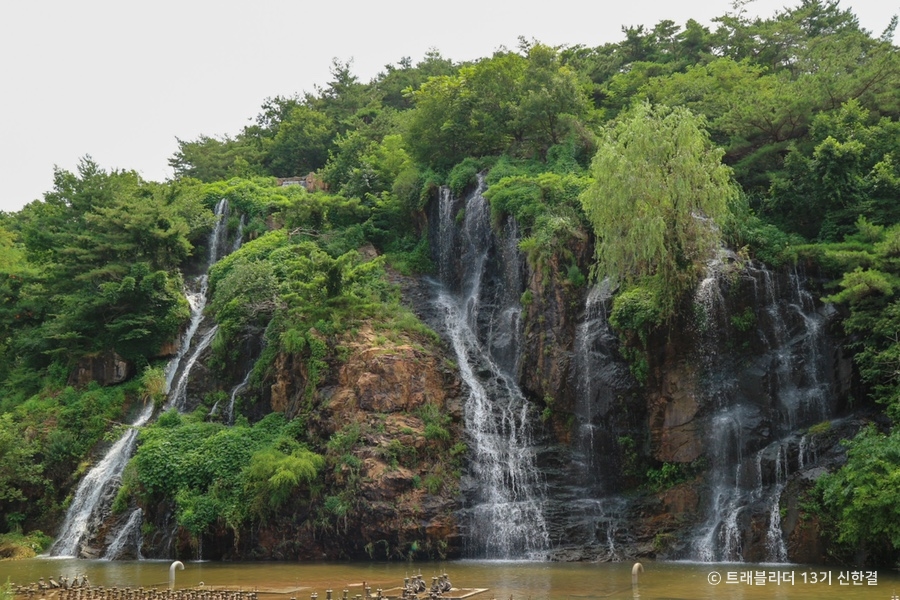
Hongjecheon Artificial Waterfall (홍제폭포)
11.6Km 2024-11-07
Yeonhui-dong, Seodaemun-gu, Seoul
Hongjecheon Artificial Waterfall is located along Hongjecheon Stream in Seodaemun-gu, Seoul. The waterfall was built in 2011 and is 25 meters tall and 60 meters wide. Despite being a man-made waterfall, the design and construction were so well-done that many find it hard to believe it wasn't a naturally formed waterfall. The area around the waterfall features various places for citizens and visitors to relax, while there are many cafes and cultural spaces in the area to make a visit more enjoyable.
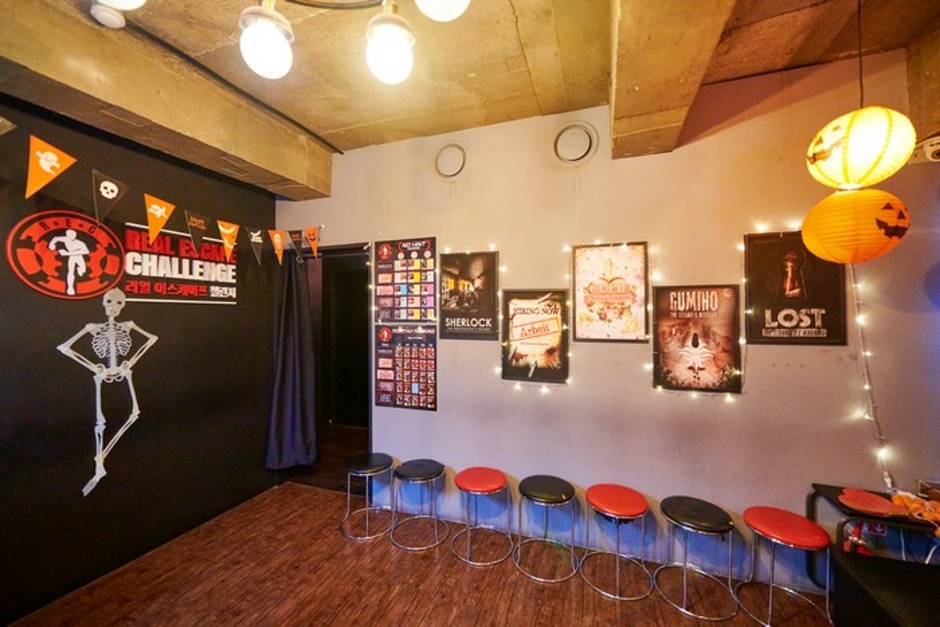
Real Escape Challenge (리얼 이스케이프 챌린지)
11.6Km 2025-11-05
21, Wausan-ro 27-gil, Mapo-gu, Seoul
Thrilling Escape Café
Depending on the theme, you can enjoy a thrill-based game where you have to escape from a room within a time limit. Celebrities such as Lovelyz Mijoo also enjoy visiting. The theme changes periodically and each room is marked in English, and a guide service for foreigners is also provided. It is 100% reservation-based.

LEESEL Hanbok (리슬한복)
11.8Km 2025-11-05
136-11, Eoulmadang-ro, Mapo-gu, Seoul
Hanbok, the beauty of Korea
It is a Hanbok brand that produced BTS Jimin's stage costumes and CHUNG HA's Hanbok worn in the 2022 season's greeting pictorial. The ‘Sochangui Maxi Coat’ worn by SHINee's TAEMIN received an explosive response and became more known. LEESEL x SPAO's collaboration pajamas gained great popularity not only among celebrities but also among the general public. In 2022, Hanbok debuted at Milan Fashion Week for the first time. The head office is located in Jeonju.
Conrad Seoul (콘래드 서울)
11.8Km 2025-01-07
10, Gukjegeumyung-ro, Yeongdeungpo-gu, Seoul
The five-star Conrad Seoul, selected as one of the ‘Best New Hotels’ by Conde Nast Traveler, a world-renowned travel magazine, offers the top-class service and
for the best customer experience. Strategically located in a core business district of Yeouido, Conrad Seoul is one of the four pillar buildings of
the IFC (International Finance Center) Seoul. The building is directly accessible underground from Yeouido Subway Station.
Conrad Seoul has 434 guest rooms with an open, refreshing atmosphere, picturesque views, and
are equipped with Apple digital devices. The hotel also houses a Grand Ballroom, restaurants which offer diverse gourmet cuisines and
a top-notch wellness center.
Korea Medical Institute KMI Yeouido Clinic ((재)한국의학연구소 케이엠아이여의도의원)
11.9Km 2025-10-23
13F-15F & 17F-18F, 24 Gukjegeumyung-ro 2-gil, Yeongdeungpo-gu, Seoul
Korea Medical Institute (KMI), a leader in 'K-health checkups,' operates health checkup centers across eight locations nationwide, from Seoul to Jeju. KMI has been striving to prevent and detect diseases early. It has led the popularization of comprehensive medical examinations in Korea. Based on 39 years of accumulated data and expertise, KMI has enhanced its capabilities in health checkups, services, and brand value.
By utilizing its diagnostic data accumulated over the years, KMI provides accurate test results and follow-up care promptly.
KMI will stay committed to becoming a lifetime health management partner and 'K-health checkup' leader by leveraging its excellence in Korean medicine, beyond health checkups for foreign patients.
 English
 한국어
한국어 日本語
日本語 中文(简体)
 Deutsch
 Français
 Español
 Русский


