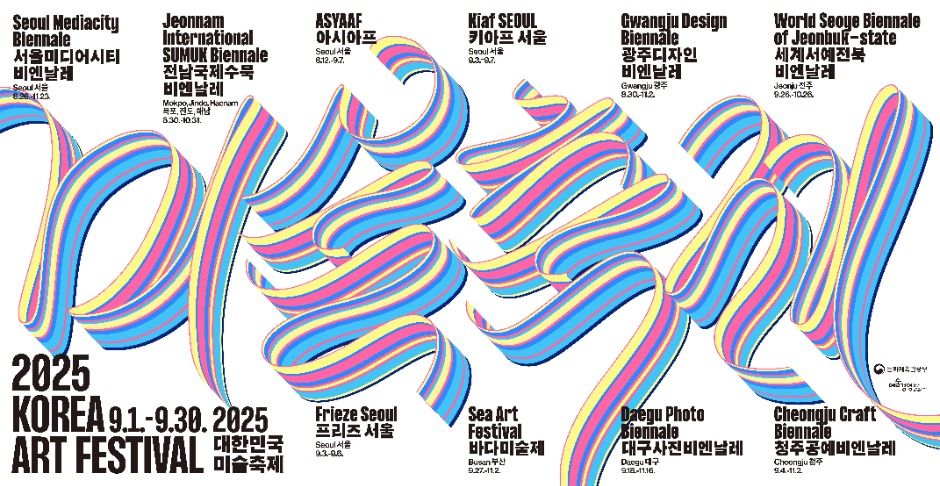
Korea Art Festival (대한민국 미술축제)
18.6Km 2025-07-31
57 Daehak-ro, Jongno-gu, Seoul
+82-70-7575-0980
Korea Art Festival is the nation's largest art festival that connects the 12 major art fairs and biennales taking place nationwide. The 2025 festival takes place in September, inviting visitors to enjoy the world of art.
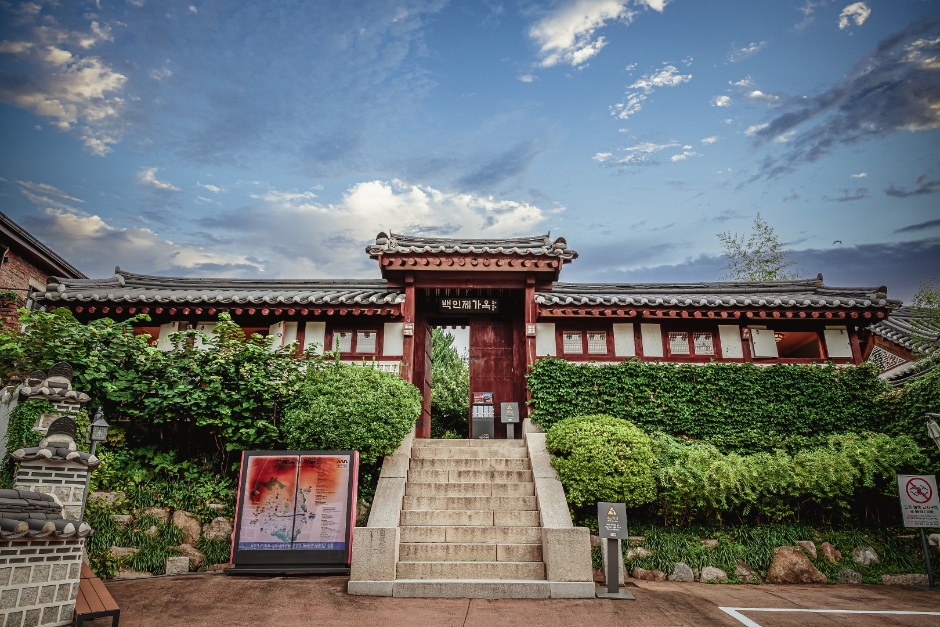
Baek In-je House (백인제가옥)
18.6Km 2025-10-24
16 Bukchon-ro 7-gil, Jongno-gu, Seoul
+82-2-724-0200
Baek In-je House, located in Bukchon Hanok Village, is a hanok built during the Japanese administration period that portrays modern hanok features. The structure consists of a main room offering a good view of the whole village, spacious bedrooms, a large garden, and annex buildings. As it maintains the beauty of a traditional hanok while incorporating the modern trend of its time, Baek In-je House is considered to be highly valuable in means of both architecture and history, representing the Bukchon Hanok Village together with Yun Bo-seon House.
Baek In-je House was built from black pine, which was first introduced in Seoul during the Gyeongseong Expo in 1907, distinguishing itself from other upper-class houses of its time. Unlike other traditional hanok designs that separate the main building from the other rooms, Baek In-je House connects the two with a hallway, allowing convenient access between the two structures. The house also consists of a Japanese-style hallway and floor mat rooms, reflecting the interior trends of that period. Baek In-je House is also unique in that the main room is partially built as a two-story structure, a style that was never seen in any traditional hanok built during the Joseon period.
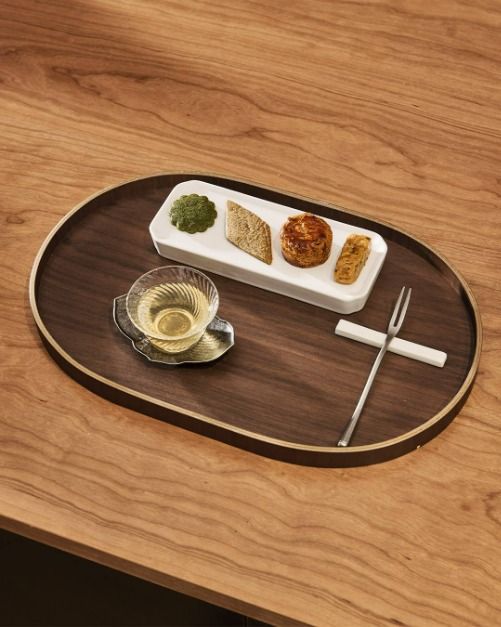
Pyunkang Yul Flagship & Tea house (편강 율 플래그십&티하우스)
18.6Km 2025-12-10
35-4 Bukchon-ro 5ga-gil, Jongno-gu, Seoul
Pyunkang Yul Flagship & Tea house is a cafe in Bukchon Hanok Village near Gyeongbokgung Palace. The first floor is a teahouse where one can enjoy Korean tea infused with traditional ingredients and delightful desserts with a view of the cafe's serene garden, and the second floor is a flagship store of Pyeongang Yul, a K-beauty brand known for integrating hanbang (traditional Korean medicine) in their skincare products. The third floor features a rooftop that offers a sweeping view of the Bukchon Hanok Village and Gyeongbokgung Palace.
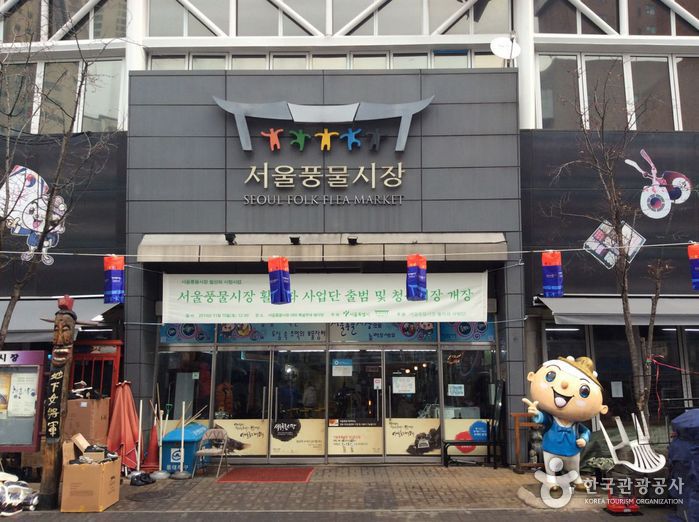
Seoul Folk Flea Market - Traditional Arts & Crafts Studio (서울풍물시장 전통문화체험관)
18.6Km 2021-08-12
21, Cheonho-daero 4-gil, Dongdaemun-gu, Seoul
+82-2-2232-3368
The Traditional Arts & Crafts Studio in Seoul Folk Flea Market was created to give both locals and international visitors a chance to experience the traditional arts of Korea first-hand. For international visitors, programs serve as a brief introduction to some of the finer points of Korean art. For many Koreans, the studio’s programs are ways to relive childhood memories or experience traditional culture as a family.
World Jewellery Museum (세계장신구박물관)
18.6Km 2023-09-21
2, Bukchon-ro 5na-gil, Jongno-gu, Seoul
+82-2-730-1610
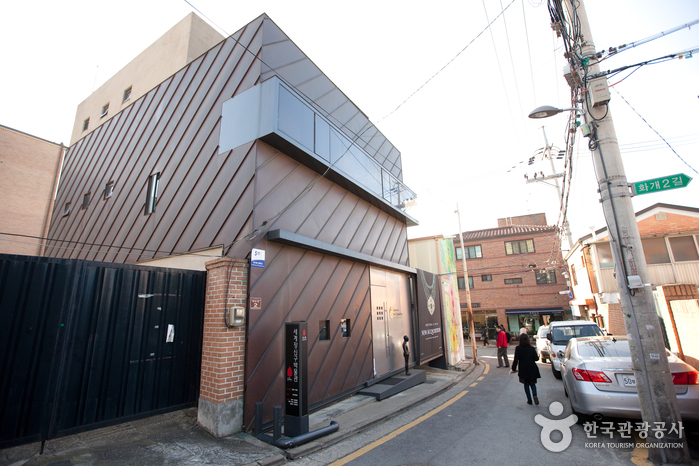
Situated in the gallery district in the back alley of Samcheong-dong (east of Gyeongbokgung Palace), the World Jewellery Museum houses 3,000 jewelry pieces from 60 countries, which have been collected over 30 years. Of which, 1,000 have been selected for display. The first floor contains an Amber Wall that goes back as far as 50 million years, the Golden Hall (El Dorado), the Necklace Hall, and the solemn Alter of the Cross. The second floor holds a mask wall, rings, beads and ivory as well as modern jewelry.

The Children’s Museum of the National Folk Museum of Korea (국립민속박물관&국립민속박물관 어린이박물관)
18.6Km 2025-06-19
37 Samcheong-ro, Jongno-gu, Seoul
The Children’s Museum of the National Folk Museum of Korea, located within Gyeongbokgung Palace, showcases artifacts related to Korean traditional culture. This interactive museum allows children to experience and learn about various aspects of Korean traditional clothing, food, society, culture, and games firsthand. Especially catering to children from Asian countries, there is a service for renting items, and reservations are required for admission.
![Uniqlo - Eunpyeong Branch [Tax Refund Shop] (유니클로 은평)](http://tong.visitkorea.or.kr/cms/resource/81/2889381_image2_1.jpg)
Uniqlo - Eunpyeong Branch [Tax Refund Shop] (유니클로 은평)
18.6Km 2024-04-16
32, Seooreung-ro, Eunpyeong-gu, Seoul
-
Changgyeonggung Palace (창경궁)
18.6Km 2024-10-31
185 Changgyeonggung-ro, Jongno-gu, Seoul
+82-2-762-4868
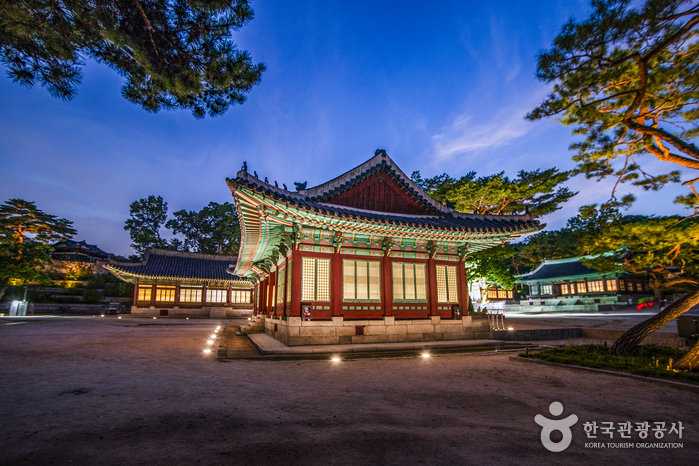
Located in the heart of Seoul, Changgyeonggung Palace was originally built as Suganggung Palace by the 4th ruler of the Joseon dynasty, King Sejong (r.1418-1450), for his retiring father, King Taejong. It often served as residential quarters for queens and concubines. During the reign of King Seongjong (r.1469-1494), the palace was renovated and renamed to Changgyeonggung Palace. It later became a park with a zoo and a botanical garden during Japanese colonial rule. The palace grounds remained this way until 1983 when restoration of its old grace was completed.
Changgyeonggung Palace Honghwamun Gate (창경궁 홍화문)
18.6Km 2021-05-27
99, Yulgok-ro, Jongno-gu, Seoul
+82-2-762-4868
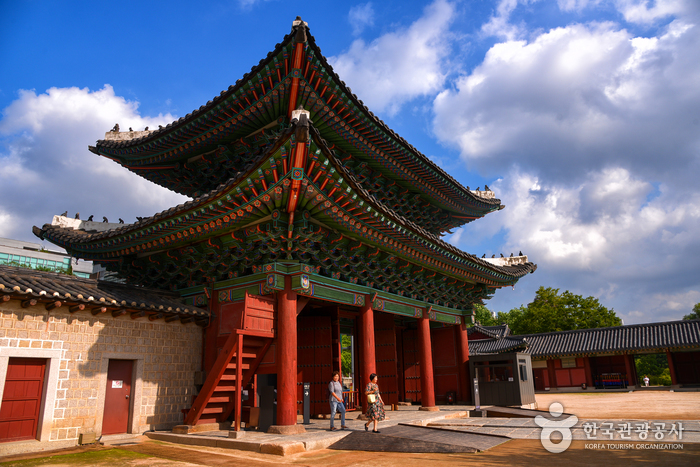
Honghwamun Gate is the main gate of Changgyeonggung Palace. It has three opening gates in the front and two to the side with a sophisticated locking mechanism.
Aēsop - Samcheong Branch [Tax Refund Shop] (이솝 삼청)
18.6Km 2024-04-17
58-3, Samcheong-ro, Jongno-gu, Seoul
-
 English
 한국어
한국어 日本語
日本語 中文(简体)
 Deutsch
 Français
 Español
 Русский


