
Konkuk University Medical Center (건국대학교병원)
7.3Km 2025-10-23
120-1 Neungdong-ro, Gwangjin-gu, Seoul
Founded in 1931, Konkuk University Medical Center utilizes the latest medical technologies and advanced equipment to provide the highest level of healthcare services. We have state-of-the-art medical devices and equipment including the latest robotic surgery systems and a complete medical computerization system, 842 beds, 9 focus centers,14 specialized treatment centers, and a healthcare center for accurate early diagnosis.
Under the safe treatment system, our best medical staff and employees who communicate and empathize with patients do our best to create a patient-centered hospital that both patients and their families can trust the most.
Gyeonghuigung Palace (경희궁)
7.3Km 2024-07-09
45 Saemunan-ro, Jongno-gu, Seoul
+82-2-724-0274
Gyeonghuigung Palace, a designated Historic Site, was originally called the large palace by Saemun Gate, or the Western Palace, for its location within the city. It was not until the eighth year of Gwanghaegun (1616) that the palace was used as a royal residence for the king, changing the name to Gyeongdeokgung Palace. The name later changed again to the current Gyeonghuigung Palace in 1760. The palace grounds included many halls but they were mostly all burned down in a fire in 1829. After the Japanese occupation began, all remaining buildings on the site were torn down and the palace grounds were turned into Gyeongseong Middle School (now Seoul High School). The school moved to Gangnam area in 1987, afterwhich the previous location was turned into a park. The palace grounds currently hold Seoul Museum of Art and walking paths, as well as a restoration of Heunghwamun Gate, the main gate of the palace, and Sungjeongjeon Hall, the main hall, completed in November 1994.
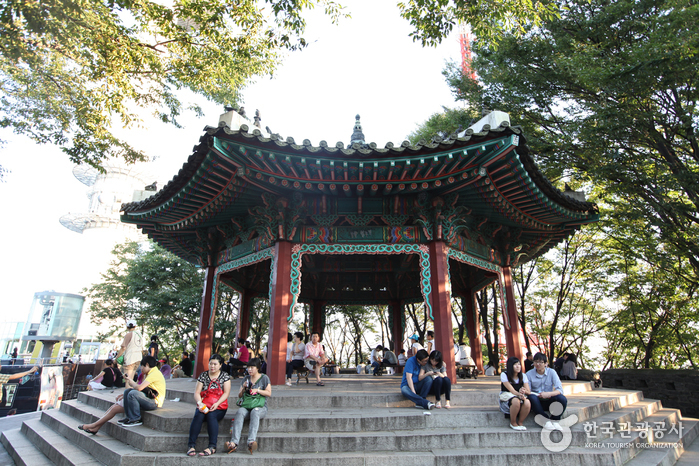
Namsan Octagonal Pavilion (남산 팔각정)
7.3Km 2021-06-19
105, Namsangongwon-gil, Yongsan-gu, Seoul
+82-2-3783-5900
Originally known as Unamjeong Pavilion, the pavilion was built in 1959 to commemorate Rhee Syngman. It was demolished by the 4.19 movement in 1960 and was rebuilt on November 11, 1968. This pavilion now sits atop Namsan Mountain, with views covering the entirety of Seoul below. As it is a prime spot to view the first sunrise of the year, the annual sunrise festival takes place every New Year's Day.
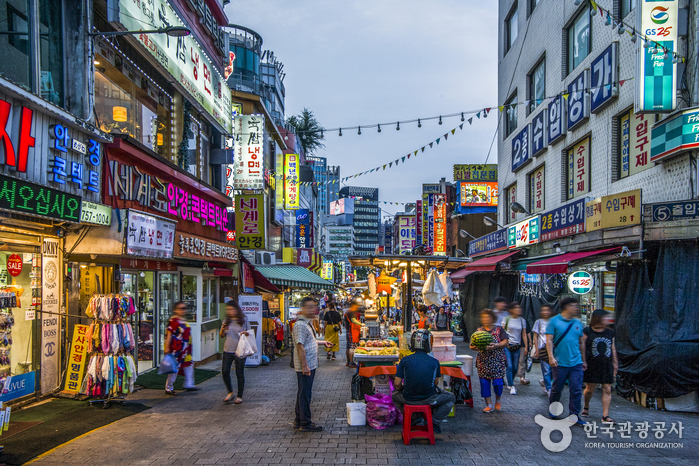
Namdaemun Market (남대문시장)
7.3Km 2024-05-17
21, Namdaemunsijang 4-gil, Jung-gu, Seoul
+82-2-753-2805
Opened in 1964, Namdaemun Market is the largest traditional market in Korea with shops selling various goods. All products are sold at affordable prices and the stores in this area also function as wholesale markets.
Most of the goods are made directly by the storeowners. Namdaemun Market is even open overnight, from 23:00 to 04:00, and is crowded with retailers from all over the country. When day breaks, the site of busy shoppers bustling around the market creates a unique scene that attracts tourists worldwide. Namdaemun Market sells a variety of clothes, glasses, kitchenware, toys, mountain gear, fishing equipment, stationery, fine arts, accessories, hats, carpets, flowers, ginseng, and imported goods.
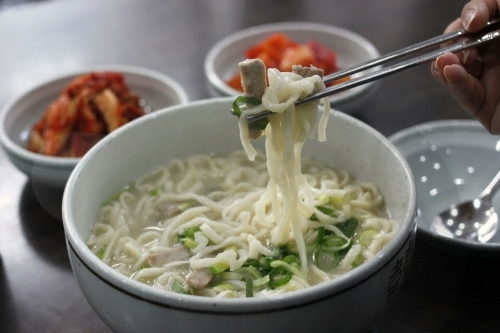
Jeongdong Guksi (정동국시)
7.3Km 2024-06-19
5 Jeongdong-gil, Jung-gu, Seoul
02-732-0114
Jeongdong Guksi features a rich soup with a clean taste, created by carefully removing the oil dozens of times while boiling Korean beef bones for 15 hours. The restaurant uses this same beef bone broth in their mandutguk (dumpling soup), something not many restaurants do. The rich flavor of the broth combined with the soft dumplings, made in-house daily, is a must-try. The restaurant is also surrounded by many cultural and artistic spaces, making it a great addition to tours in the area.

N Seoul Tower (남산서울타워)
7.3Km 2025-10-23
105 Namsangongwon-gil, Yongsan-gu, Seoul
+82-2-3455-9277
Namsan Seoul Tower was the first multipurpose tower to be established in Korea, effectively incorporating a sightseeing observatory into a broadcasting tower. For the past 40 years, Namsan Seoul Tower has served as an iconic landmark of Korea and a representative tourist attraction. The tower's observatory offers an unobstructed view of the whole city, allowing it to become one of the all-time favorite attractions of Seoul citizens as well as domestic and international tourists. Featured in many dramas and reality shows, it is also a fan-favorite destination. Another highlight of the tower is the Namsan Cable Car. The cable car began its operation in 1962, transferring passengers from the foot of the mountain to the base of the tower. Shuttle buses to the Namsan Cable Car from downtown Seoul are also available for visitors' convenience.
◎ Travel information to meet Hallyu’s charm
In TXT’s content “TALK X TODAY,” the youngest members, Huening Kai and Taehyun, enjoyed a day out in their school uniforms. They rode the cable car to the top, took pictures together, and secured their wish lock. You can purchase locks at the souvenir shop near the cable car station at the top of the mountain, where name pens are also available to write down your wishes.
Jinju Hoegwan (진주회관)
7.3Km 2024-06-19
26 Sejong-daero 11-gil, Jung-gu, Seoul
+82-2-753-5388
Jinju Hoegwan is a renowned kongguksu (noodles in cold soybean soup) eatery near City Hall Station. Kongguksu is a traditional Korean summer dish made by boiling and grinding soybeans into a creamy broth, served with noodles, offering a refreshing and nutty flavor. Kongguksu is available from March to November. Their staff-recommended menu includes kimchi bokkeumbap (kimchi fried rice), freshly roasted by the staff, along with kimchi jjigae and samgyeopsal (pork belly).
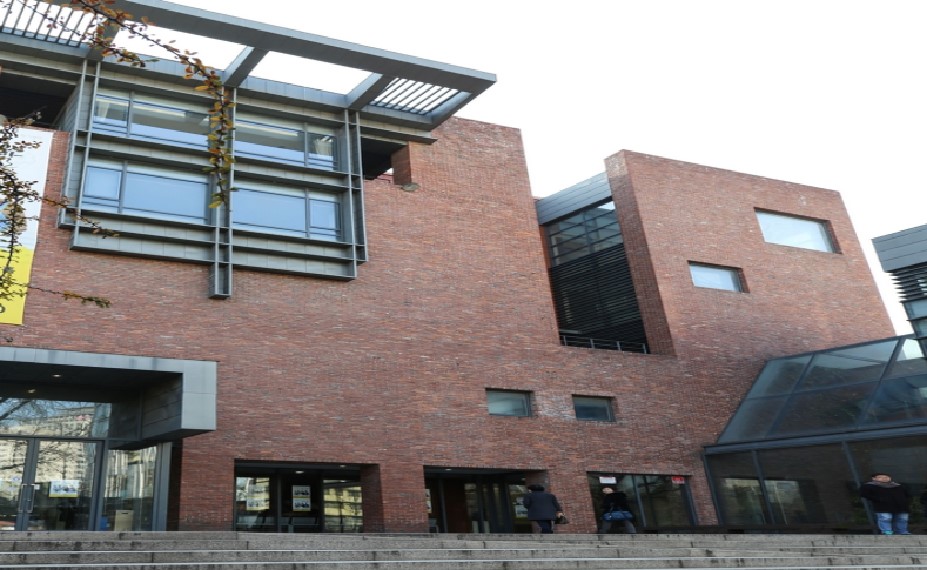
Ewha Centennial Hall (이화여고100주년기념관)
7.3Km 2024-02-20
26 Jeongdong-gil, Jung-gu, Seoul
Ewha Centennial Hall is a multimedia education center located next to Ewha Girls' High School. Spanning underground and five above-ground floors, it features a gallery, a cafe, music rooms, individual practice rooms, and audio-visual rooms. The Hwaham Hall on the first and second floors is utilized for performances such as musicals and concerts, as well as educational events.
Jeongdong-gil Road (정동길)
7.4Km 2024-06-19
2-1 Jeongdong-gil, Jung-gu, Seoul
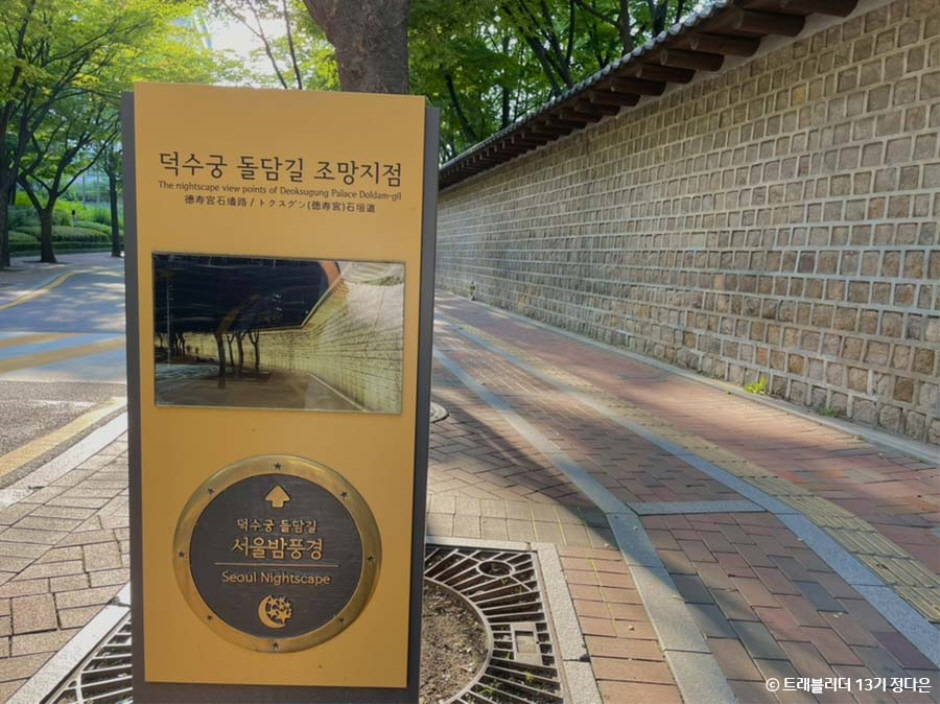
Jeongdong-gil Road is one of Seoul's most famous walking paths, stretching from the intersection in front of Jeongdong Church to Saemunan-gil Road. The street holds importance in Korea's modern history, with the surroundings serving as a living museum of this. During the Joseon dynasty, the area developed into a residental space for distant members of the royal family, with a palace and royal tombs in the area. In 1999, the pedestrian walking area was expanded by turning the two-way road into a one-way road. Since then, the road has earned many awards and honors.
Appenzeller Noble Memorial Museum (배재학당 역사 박물관)
7.4Km 2022-10-14
19, Seosomun-ro 11-gil, Jung-gu, Seoul
+82-2-319-5578
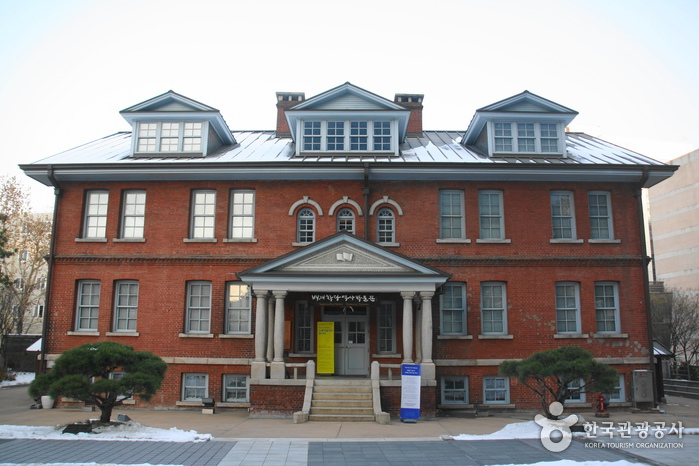
The Appenzeller Noble Memorial Museum is dedicated to Henry Gerhart Appenzeller, the missionary who opened the first Western-style educational institution in Korea in 1885. The school started with English and core subjects, but expanded into the Pai Chai University, Pai Chai High School, and Pai Chai Middle School and has many famous alumni, including Rhee Syng-man. The memorial hall opened in 2008 in the east wing of the original school building, which was built in 1916 and designated as a Seoul Monument. With dynamically arranged permanent exhibitions, annual special exhibitions and special lectures, the museum offers a unique learning experience to visitors and people with an interest in the history of education in Korea.
 English
 한국어
한국어 日本語
日本語 中文(简体)
 Deutsch
 Français
 Español
 Русский


