Gangnam (강남)
10.5Km 2024-12-03
Yeoksam-dong, Gangnam-gu, Seoul
+82-2-3423-5114
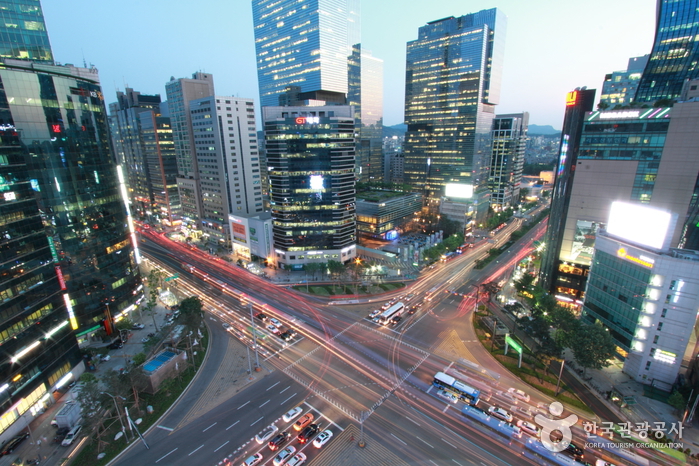
Gangnam Subway Station area is the prime district for those living south of the Hangang River. Gangnam-daero Avenue links Teheran-ro Road in the east to Jamsil and Sadang in the west. Kyobo Tower Crossroad connects Express Terminal to Noryangjin and west of Seoul. Hannam-daegyo Avenue in the north extends to the north of the Hangang River. A southward direction leads to metropolitan areas such as Seongnam, passing Yangjae and Bundang.
Many people tend to gather at Gangnam Subway Station, as the location is geographically and commercially suitable as a meeting point for social gatherings, events, or personal engagements. Hence, during the weekdays it is usually crowded in the evenings while on weekends, areas around Gangnam Subway Station exit numbers 10 and 11, as well as City Theatre, and Giordano are often bustling with people. Visitors travel to Gangnam to take advantage of its convenient transportation, fashion malls, movie theatres, and bookstores.
Gangnam-gu Office operates Gangnam Tourist Information Center to offer tourist information to international and domestic visitors and hands-on activities related to tourism. Also, the center operates Medical Tour Center which introduces Gangnam-gu’s specializing hospitals and medical treatment as well as Hallyu Experience Hall.

Amsa-dong Prehistoric Site Museum (암사동선사유적박물관)
10.5Km 2023-12-22
875 Olympic-ro, Gangdong-gu, Seoul
The archaeological sites in Amsa-dong, Seoul, were a collective settlement where people lived during the Neolithic Age about 6,000 years ago and became known to the world after the sand dunes along the Hangang River caved in during the great flood of 1925, exposing numerous pieces of comb-patterned pottery. The area designated as a historic site in 1979, and excavation of the site took place from 1981 to 1988. The cultural heritage protection area was expanded to a total area of 78,133㎡. Currently, nine Neolithic dugout huts and one experiential dugout hut have been restored. The exhibitions currently open to the public are Exhibition Hall 1, which displays a restoration of a Neolithic Age dugout, and Exhibition Hall 2, which displays various panels and models to help understand the prehistoric era as a whole.
Runner Station at Yeouinaru Station (여의나루역 러너스테이션)
10.5Km 2025-11-06
343 Yeouidong-ro, Yeongdeungpo-gu, Seoul
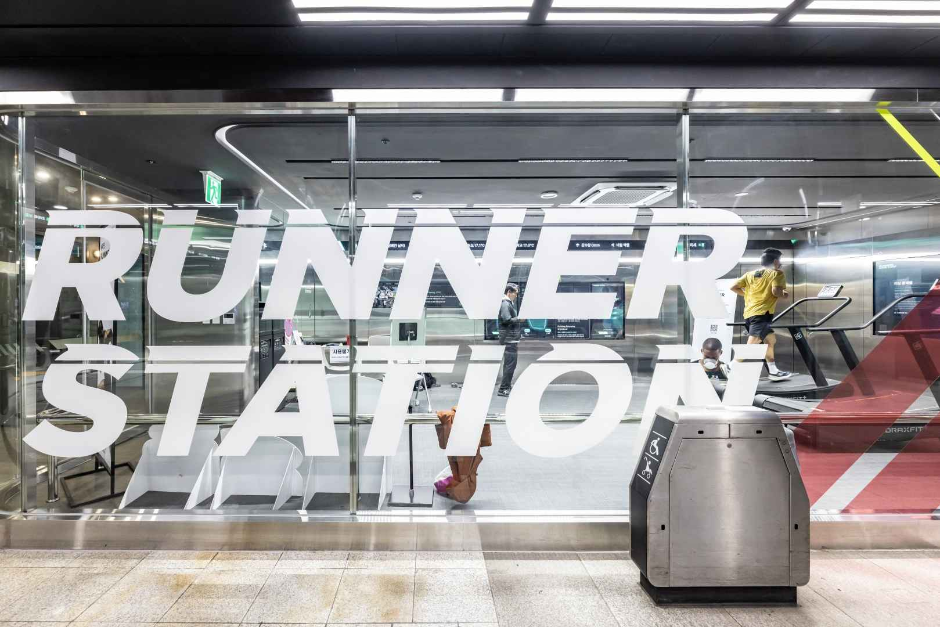
With Seoul’s skyscrapers and the scenic Hangang River, Yeouido has become the top destination for Korean runners. In response to the growing popularity of running along the Hangang among the MZ generation, Yeouinaru Station introduced Runner Station, equipped with essentials like lockers and media boards displaying popular running routes. Wrap up your day with a refreshing run in Yeouido.
East Nine Royal Tombs [UNESCO World Heritage] (구리 동구릉 [유네스코 세계문화유산])
10.5Km 2024-03-20
197 Donggureung-ro, Guri-si, Gyeonggi-do
+82-31-563-2909
The East Nine Royal Tombs, situated on the eastern outskirts of Hanyang (the Joseon dynasty capital), represent a significant collection of nine royal burial sites. This area serves as the final resting place for seven kings and ten queens from the Joseon era. The surrounding forest paths are accessible to the public during the spring and fall seasons. Additionally, the East Nine Royal Tombs Healing Culture and Arts Festival takes place here every autumn, offering a blend of cultural and artistic experiences.
The Hyoosik Croissant Hotel Guri (더휴식 크로와상호텔 구리점)
10.6Km 2025-04-08
148 Cheyukgwan-ro, Guri-si, Gyeonggi-do
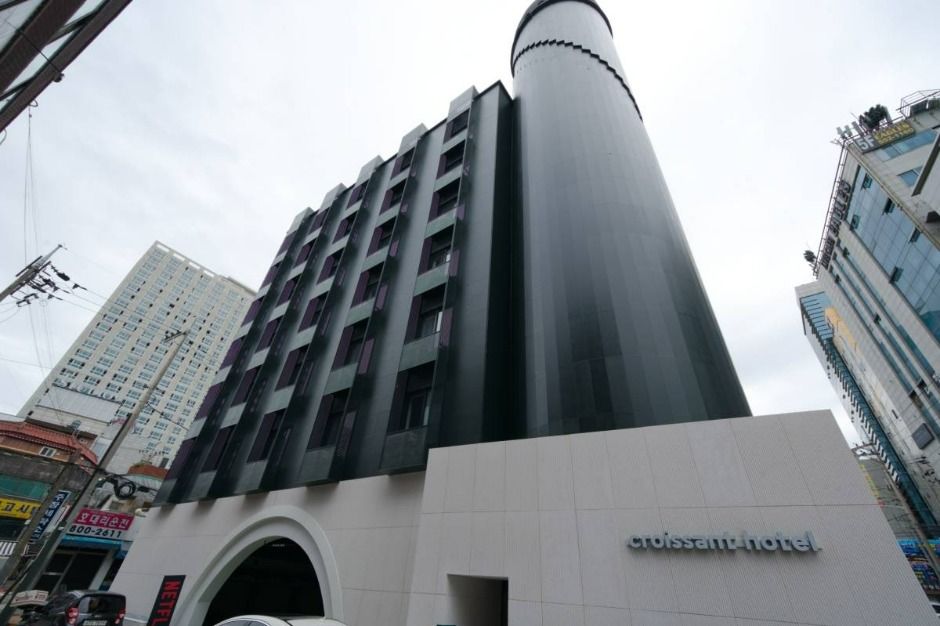
The Hyoosik Croissant Hotel Guri offers a variety of theme-based room types for both leisure and relaxation, such as a standard music room with blutooth speakers, a deluxe home-training room with yoga equipment, a deluxe couple room with high-end gaming PC, a deluxe healing room with a lounge chair, a twin bedroom, a game suite room with Playstation 4 Pro, a movie suite room with a beam projector, a sing suite room with noraebang equipment and soundproof walls, and a party suite room with a kitchenette. The hotel also has a parking lot, guest lounge, rooftop area, and coin laundry.
Simsan Cultural Center (심산기념문화센터)
10.6Km 2022-01-04
55, Sapyeong-daero, Seocho-gu, Seoul
+82-2-3477-2461
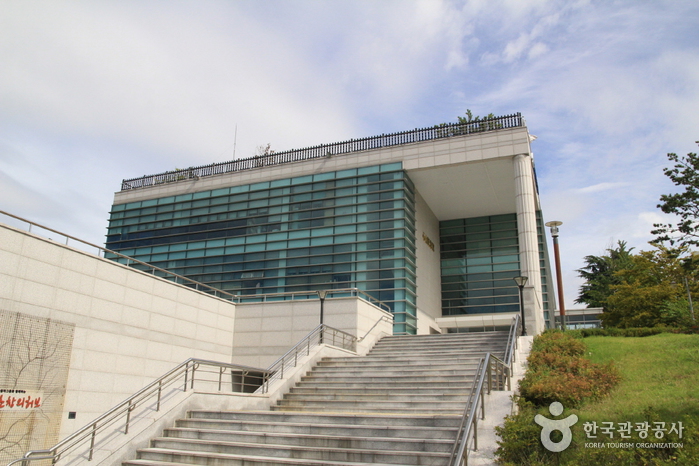
The Simsan Cultural Center was established to commemorate the Confucianism and patriotic spirit of Simsan Kim Chang-Suk. It also offers educational and training programs to the local community for developing life skills while adding to the overall quality of life.
Archaeological Site in Amsa-dong, Seoul (서울 암사동 유적)
10.6Km 2021-07-27
875, Olympic-ro, Gangdong-gu, Seoul
+82-2-3425-6520
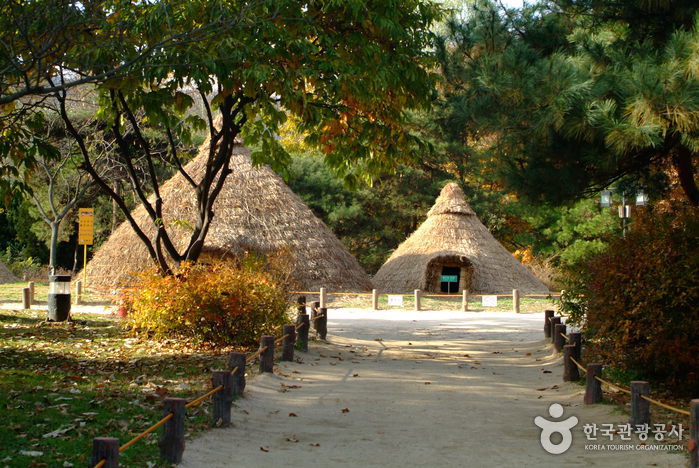
The Archaeological Site in Amsa-dong reproduces the lifestyle of the Neolithic Era. Even the entrance gate is shaped like a huge dolmen and the trash cans are ancient diagonal-line patterned earthenware. Archaeological Site in Amsa-dong was excavated in 1925 when a flood washed away the soil on the banks of the Hangang River and exposed a large number of diagonal-line patterned earthenware. After several excavations, the Archaeological Site in Amsa-dong was established.
The site was a location for a massive colony, thus many ancient buildings, stone axes and stone arrows have been uncovered as well as countless diagonal-line patterned earthenware. The housing site is round with a spot in the center for fire. The site is colossal and possesses nine mud huts, two exhibition halls displaying ancient artifacts and an open mud hut where visitors can experience life in the Neolithic Era. The site offers many attractions such as mud huts and promenades. Archaeological Site in Amsa-dong is also very educational for children and families who want to learn and experience the Neolithic Age.
Samsung Gangnam (삼성 강남)
10.6Km 2024-11-26
411 Gangnam-daero, Seocho-gu, Seoul
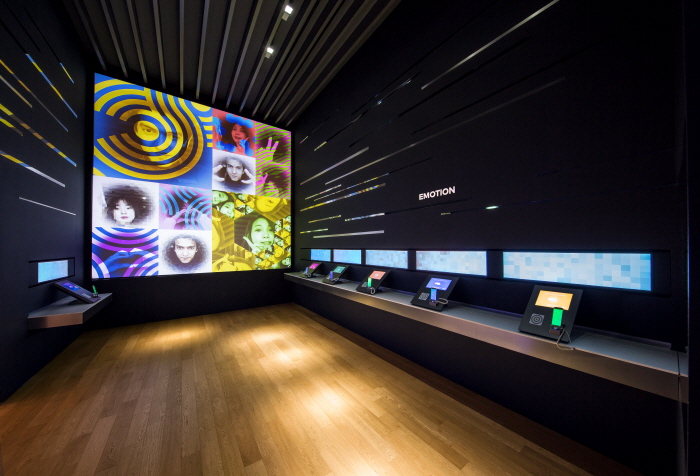
Samsung Gangnam is a flagship store designed as a playground for Samsung Electronics. Within the building are a photo spot, Galaxy flagship, auditorium, bespoke studio, and coffee shop, attracting numerous visitors. They are invited to appreciate media art through art objects and admire stunning views of skyscrapers on Gangnam-daero via a giant display with pleasure.
Chung-Ang Uiversity Hospital (중앙대학교병원)
10.6Km 2025-10-23
102 Heukseok-ro, Dongjak-gu, Seoul
Since its foundation in 1968, Chung-Ang University Hospital has been striving to contribute to the health and happiness of humanity by achieving the best in medical treatment, research, and education based on our core values of "professionalism, fairness, change/innovation, communication/harmony, and empathy/care.”
As a leader in severe disease treatment, we work with highly qualified medical staff and specialized professionals, receiving the top rating in all cancer procedures evaluated (colon, stomach, breast, and lung) by the Ministry of Health and Welfare and the Health Insurance Review and Assessment Service, and the top rating in the care appropriateness evaluation for acute stroke, coronary artery bypass, intensive care unit (adults and newborns), and hemodialysis.
In a “rating from visitor reviews” conducted by a major domestic portal site, we ranked first out of 13 major tertiary hospitals in Seoul, maintaining our reputation as the friendliest hospital in Korea trusted by patients.
Yearimdang Art Hall (예림당아트홀)
10.6Km 2021-12-07
337, Eonju-ro, Gangnam-gu, Seoul
+82-2-6413-3689
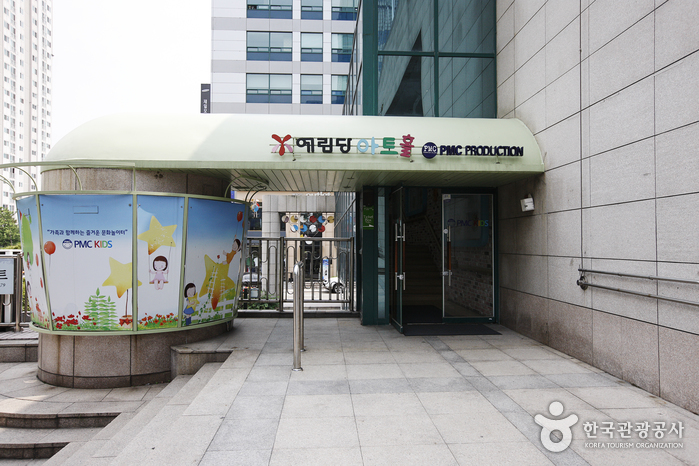
Yearimdang Art Hall is a children’s theater that opened in March 2011. A joint project of Yearimdang publishing company and PMC Production, the art hall is a mid-sized theater with 439 seats divided into two floors. The first floor consists of VIP sets and S-class seats that allow for more interaction with the actors on stage and access to surprise events during the performances. Seats on the second floor (A-class) offer an affordable, bird’s-eye-view of the stage. The seats are designed to fit children’s body, while providing parents with much needed rest.
 English
 한국어
한국어 日本語
日本語 中文(简体)
 Deutsch
 Français
 Español
 Русский


