
Arc Plastic Surgery (아크성형외과의원)
6.9Km 2025-10-23
(9th Floor, K-Platz), 368 Sapyeong-daero, Seocho-gu, Seoul
Arc Plastic Surgery is located in Seocho-gu, Seoul, that pursues naturalness and luxury.
Our clinic aims to complete the natural beauty of an individual by discovering artistic values that begin with one small line. We want to create natural results by pursuing individual characteristics and the most optimized surgical method for each other. This is the spirit of FINE ARC, which Arc Plastic Surgery aims for.
Severance Hospital (연세대학교 의과대학 세브란스병원)
7.0Km 2025-10-23
50-1 Yonsei-ro, Seodaemun-gu, Seoul
THE FIRST & THE BEST
As the first Western-style hospital in Korea, and with over 140 years of history, Severance Hospital (Gwanghyewon) has been leading the medical industry in Korea since its foundation in 1885.
Dedicated to improving the quality of medical services through specialization, Severance Hospital has the distinction of being the first hospital in Korea to operate six specialized hospitals: the Dental Hospital, Cancer Center, Rehabilitation Hospital, Cardiovascular Hospital, Children's Hospital, and Eye Hospital.
In 2023, Severance Hospital achieved a world first by performing 40,000 robotic surgeries and introduced a new paradigm in cancer treatment by bringing Carbon Ion Therapy to Korea for the first time.
As a global leader in advanced medical technology and patient-centered services, Severance Hospital was the first medical institution in Korea to receive JCI (Joint Commission International) accreditation and has ranked first in the medical service sector of the NCSI (National Customer Satisfaction Index) for 14 consecutive years.
Yonsei University Dental Hospital (연세대학교 치과대학병원)
7.0Km 2025-11-21
50-1 Yonsei-ro, Seodaemun-gu, Seoul
Since November 1915, when Dr. William J. Scheifley established the Department of Dentistry at Severance Union Medical School, officially introducing Western dental medicine to Korea, Yonsei University Dental Hospital has maintained its status as the nation's first and foremost dental institution for over 100 years. Notably, Yonsei University Dental Hospital, equipped with the finest medical professionals, state-of-the-art facilities, and a well-coordinated collaborative system among departments, excels in the treatment and prevention of oral and maxillofacial diseases while prioritizing the happiness and well-being of its patients. It stands as the premier dental hospital in Korea.
JW Plastic Surgery (제이더블유(JW)정원성형외과의원)
7.0Km 2025-10-23
(3rd-7th Floors), 553 Samseong-ro, Gangnam-gu, Seoul
JW Plastic Surgery aims to provide the best possible cosmetic results for our patients with the belief that "the difference in skill is the difference in results." For patients who struggle with repeated revision surgeries, we help make it their last. To break the chain of repeated revision surgeries, it is critical to accurately identify and address the cause of failure in the original surgery. We have decades of experience in revision surgery to help you feel satisfied and confident. JW Plastic Surgery maintains a specialized treatment system based on thorough safety management and professional medical staff. With zero medical accidents reported since opening, we consider the safety of our patients as our top priority. Discover a new and beautiful yourself at JW Plastic Surgery Center. We are here to share the precious moment of change with you.
Aimeigroup (아이메이그룹)
7.0Km 2025-10-23
(B2, B1, 1st, 2nd Floors), 49 Gangnam-daero 110-gil, Gangnam-gu, Seoul
AiMei Group has been specializing in medical tourism and global medical marketing since 2018. We raise awareness of Korea's excellent healthcare services among our customers around the world and help them access healthcare services in a safe and convenient manner.
Key services:
1. Medical Tourism: Provides personalized medical care including plastic surgery, orthopedics, dermatology, and more.
2. Global Healthcare Marketing: Promotes Korean medical technologies and services to the world
3. Plane ticket and Hotel Booking: Provides the best flights and accommodations.
4. Airport Pickup: Provides safe transportation
5. Medical Interpretation: Provides professional interpretation services to overcome language barriers.
We at AiMei Group put your health and convenience first. We are committed to making your medical experience in Korea as positive and satisfactory as possible.
Lante Obgyn (랑뜨산부인과의원)
7.0Km 2025-10-23
(5th Floor, Regen Medical Tower), 463 Gangnam-daero, Seocho-gu, Seoul
The services of Lante Obgyn are provided by an all-female medical staff, including four obstetrics and gynecologist and they specialize in a variety of gynecological surgeries including labiaplasty and urinary incontinence surgery.
In addition to obstetrics/gynecology care, we provide a comprehensive, one-stop care for a wide range of women's needs (hair removal, obesity management, aesthetic medicine, IV therapy, menopause treatment, vaccinations, etc.) as well as lasers, fillers, and various other procedures that require less downtime and allow you to return your daily life on the same day.
Located in Gangnam (Sinnonhyeon Station, Exit No. 8), we are easily accessible and have partnership with Seoul National University Hospital, Severance Hospital, the Catholic University of Korea Seoul St. Mary's Hospital, Cha Hospital, Samsung Medical Center, and Asan Medical Center.
JAYJUN Plastic Surgery & Aesthetic (제이준성형외과)
7.0Km 2025-10-23
667 Yeoksam-dong, Gangnam-gu, Seoul
JAYJUN Plastic Surgery consists of board-certified plastic surgeons and experienced medical staff. All procedures follow strict safety standards and medical regulations. The clinic is equipped with advanced medical devices and maintains rigorous hygiene protocols, prioritizing patient safety and care.
Ocloud Hotel (오클라우드호텔)
7.0Km 2024-12-13
12 , Sapyeong-daero 58-gil, Seocho-gu, Seoul
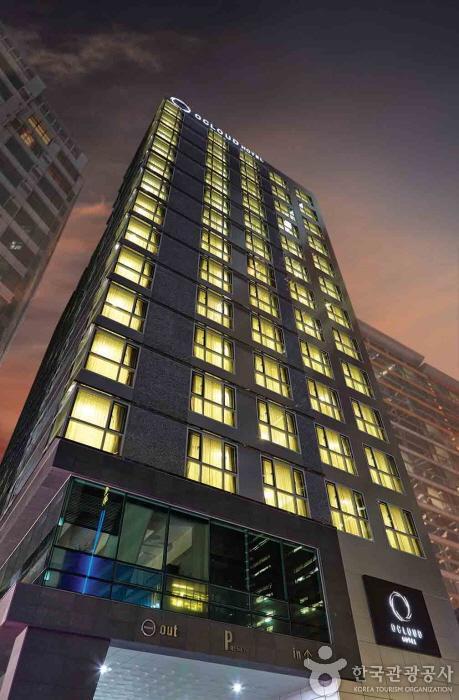
Ocloud Hotel is a 4-star business hotel located at the heart of Gangnam, Seoul, making it an ideal place to stay for business travelers. The hotel offers various room types, including Standard, Deluxe, Family, and Suite, all of which are modern, clean and sure to leave guests satisfied. Each room is equipped with a microwave, wine glasses, and an iron. There is a restaurant that serves meals at a reasonable price on the B1 floor. A fitness center and laundry room are located on the 2nd floor, and from the rooftop garden you can enjoy a night view of downtown Seoul. Business rooms are also available.
SEVEN LUCK CASINO - Gangnam COEX Branch (세븐럭카지노(강남코엑스점))
7.0Km 2023-08-03
58, Teheran-ro 87-gil, Gangnam-gu, Seoul
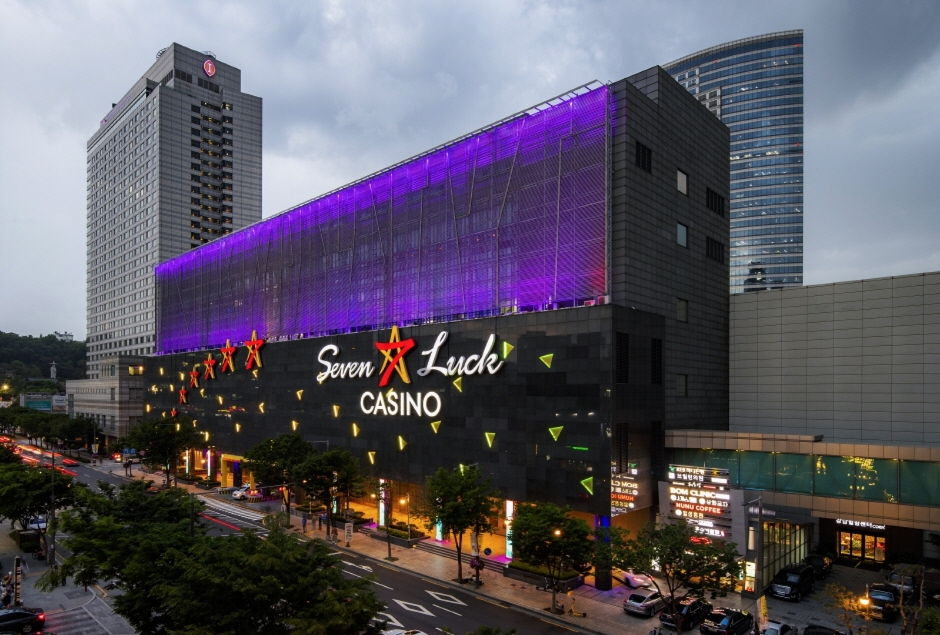
The Gangnam COEX branch of Seven Luck Casino is a Korean-style casino with an oriental atmosphere and state-of-the-art facilities. A total area of 6,093.57㎡ houses 82 table games and 121 of the latest machine games. Visitors can enjoy a great variety of gaming options such as Blackjack, Baccarat, Tai-sai, Roulette, Caribbean Poker, and slot machines. With its convenient location in the central Gangnam area, the casino also makes for an ideal place to sightsee and shop.
KwangDong Hospital (광동병원)
7.0Km 2025-10-23
612 Bongeunsa-ro, Gangnam-gu, Seoul
Kwangdong Hospital, located in the heart of Samseong-dong, Gangnam, is a premium secondary hospital combining university-level expertise with the convenience of a private clinic. We offer diverse departments, including Allergy, Neurology, Orthopedics, Rehabilitation, Family Medicine, and Korean Medicine, along with specialized centers such as Dementia Prevention, Asthma & Allergy, and Anti-Aging & Immunity. With state-of-the-art equipment and experienced medical staff, we provide premium health screening program and patient-tailored integrative care, including regenerative and functional medicine, delivering trusted total healthcare services to both domestic and international patients.
 English
 한국어
한국어 日本語
日本語 中文(简体)
 Deutsch
 Français
 Español
 Русский


