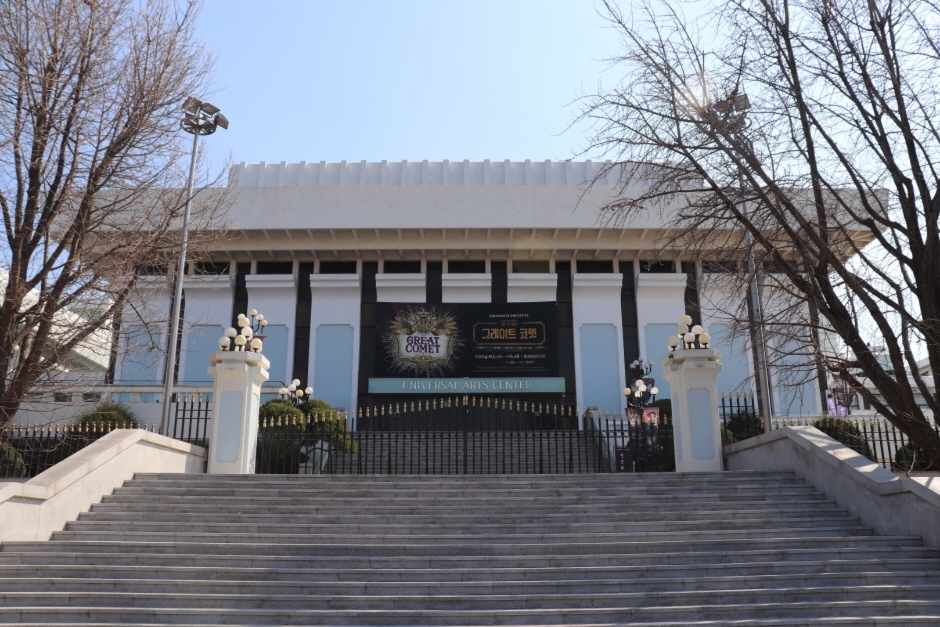
Universal Arts Center (유니버설아트센터)
6.6Km 2024-03-19
664 Cheonho-daero, Gwangjin-gu, Seoul
Universal Arts Center, inaugurated in 1981, stands as a prominent venue for performances. Renowned for its splendid and classic architectural interior, it is celebrated for its distinctiveness. Its main facilities include the Grand Theater, the Luna Hall capable of accommodating up to 300 guests for banquets, and an audience lounge. It serves as a harmonious space where performance venues, artistic community, and art educational institutions converge. Here, visitors can enjoy a diverse array of performances ranging from ballet and musicals to concerts.

Chamin Plastic Surgery (차민성형외과의원)
6.6Km 2026-01-02
4th–6th Floors, Cheongha Building, 503 Gangnam-daero, Seocho-gu, Seoul
ChamIn Plastic Surgery specializes in a wide range of procedures, including revision rhinoplasty, primary rhinoplasty, facelift and mini facelift, forehead lift and forehead reduction, double-chin contouring, eyelid surgery, and various skin treatments such as fillers, Botox, and skin boosters.
All consultations, evaluations, procedures, and follow-up care are provided directly by our medical specialists on a one-to-one basis.
The clinic is structured into a streamlined system with a Treatment Center on the 4th floor, an Operating Center on the 5th floor, and a Consultation Center on the 6th floor.
At ChamIn Medical Center, a gastroenterology specialist provides endoscopy, ultrasound, health check-ups, fecal microbiota transplantation (FMT), and other internal medicine services.
ChamIn Plastic Surgery values trust and professional expertise, offering personalized treatment plans tailored to each individual.
Yongma Falls Park (용마폭포공원)
6.7Km 2024-02-20
250-12 Yongmasan-ro, Jungnang-gu, Seoul
Yongma Falls Park is situated on the mid-slope of Yongmasan Mountain, established following the closure of an aggregate collection plant. The park showcases three artificial waterfalls: Cheongnyongpokpo Falls, Baengmapokpo Falls, and Yongmapokpo Falls. Each waterfall comprises two tiers, with x_heights ranging from 21m to 51.4m. The park is equipped with various amenities, including ponds, tennis courts, soccer fields, a wildflower garden, walking trails, and a barefoot walking trail.
Nana Plastic Surgery (나나성형외과의원)
6.7Km 2025-10-23
(2nd-10th and 12th-13th Floors, HM Tower), 492 Gamnam-daero, Gangnam-gu, Seoul
Nana Plastic Surgery Center provides one-on-one care that takes into account individual characteristics.
We boast a system that makes patients feel at ease. For example, we have surveillance cameras in the operating room, a system where doctors are responsible for safe surgery with their real names, and a resident anesthesiologist.
We have specialized doctors in each field (eye/nose/breast/facial contouring cosmetic surgeries, cosmetic surgery for men, skin lifting, body contouring surgery, non-invasive procedures, collaboration with otolaryngologists, breast examination, etc.). They treat patients with great care and always strive for satisfactory results.
WOOA Plastic Surgery (우아성형외과의원)
6.7Km 2025-11-26
492 Gangnam-daero, Gangnam-gu, Seoul
WOOA Plastic Surgery was formerly Regen Plastic Surgery and Dermatology in Apgujeong. It is run according to the treatment philosophy of Director Woo-jung Kim, the founder of Regen Plastic Surgery who earned a doctorate in plastic surgery at Seoul National University.
WOOA Plastic Surgery is a global comprehensive beauty brand encompassing plastic surgery, dermatology, and cosmetics, with the vision of providing responsible medical services and realizing elegant beauty for each patient.
The clinic is committed to ceaseless research with the goal of becoming a leading medical institution that produces leaders to drive medical developments in Korea. It aims to become a global comprehensive beauty brand, with employees who all prioritize customers' safety and rapid recovery.
Seoul Bongeunsa Temple (봉은사 (서울))
6.7Km 2024-10-24
531 Bongeunsa-ro, Gangnam-gu, Seoul
Once known as Gyeonseongsa Temple, Bongeunsa Temple is located north of COEX, and was constructed in the 10th year of Silla King Weongseong’s reign (794). In 1498, Queen Jeonghyeon refurbished Gyeonseongsa Temple and renamed it Bongeunsa Temple.
Originally located near the Royal Tomb of King Seongjong, the temple was transferred to its current location during Joseon King Myeongjong’s reign. The temple is home to 3,479 Buddhist scriptures of 13 types, including the works of Kim Jeong-hee. The Buddhist ceremony called Jeongdaebulsa is held on the ninth day of the eighth month of the lunar calendar, where monks march carrying the scriptures on their heads and recite the Beopseongge (Buddhist rites).
MS Eye Clinic (엠에스안과의원)
6.7Km 2025-10-23
2F, 189 Sinbanpo-ro, Seocho-gu, Seoul
MS Eye Clinic has attracted international patients by establishing MOUs with several countries. The clinic has nine branches across Korea, with potential for further development.
The clinic offers improved K-medical services through non-discriminatory treatments and prices for both domestic and overseas patients. It takes pride in its medical expertise and technological power with its university and general hospital partners, which have MOUs with the clinic and refer patients who require surgery to the clinic.
To provide better medical services, the clinic has examination and surgical equipment and surgical staff members of university hospital-level or higher. One of the merits of the clinic is that it provides general outpatient care in addition to treatments for presbyopia/cataract surgery, Silk SMILE LASIK, Dream Lenses, dry eye syndrome, retinal diseases, and oculoplastic surgery.
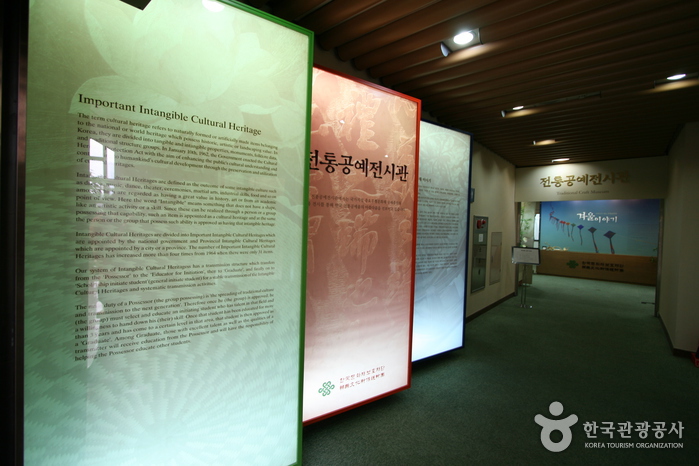
Seoul Center for National Intangible Cultural Asset (서울국가무형문화재전수회관)
6.7Km 2023-06-13
406, Bongeunsa-ro, Gangnam-gu, Seoul
Created by the government to hand down traditions and preserve important, intangible cultural assets, the center supports cultural masters in the training of their pupils and their efforts to promote Korean traditional culture to the general public.
The center houses 8 groups that represent the music field. Serving not only as a training ground for those specializing in the arts, the center also seeks to reach out to the general public through regular programs and recitals. Musicians also participate in musical conferences, events and performances on a national and international level.
There are 12 craft groups at the center that are directed by craft masters who have been designated 'National Intangible Cultural Assets.' Craft groups host a number of training programs.
Other special features of the center include the 'Pungryu,' a 147-seat folk theatre; the 2 or 3 story 'Traditional Craft Hall' with an open-run exhibition hall and planned exhibition hall; a shop selling the works of the artists; a seminar room; a training room; and a practical training room.
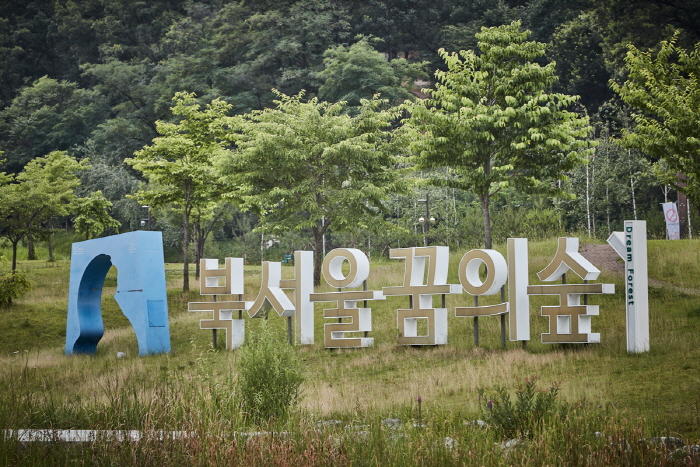
Dream Forest (북서울 꿈의숲)
6.7Km 2023-10-19
173 Wolgye-ro, Gangbuk-gu, Seoul
Dream Forest, previously known as Odong Neighborhood Park, is located in Gangbuk-gu, Seoul. The park is surrounded by cherry blossom trees, and the northern section is filled with maple trees, making the park especially attractive in spring and fall. The Changnyeongwigung Ritual House (Registered Cultural Heritage) has been restored with traditional landscaping such as a pond, pavilion and waterfall created nearby to double the genuine beauty of a traditional Korean park. Major attractions of the park include Wolyeongji Pond, Grass Square, Wolgwangpokpo Falls, Aewoljeong Pavilion, Chilbokji Falls, Event Garden, Children’s Gallery, Wild Grass Garden, Deer Ranch, Exploring Path, Forest Rest, and a water park. The slanted hillside which served as sledding slopes is now a complex cultural space with Buk-Seoul Art Center that houses a fantastic-looking observatory, performance hall, book café, gallery, restaurant, jumping fountain, and children’s playground.
Best Western Premier Gangnam Hotel (베스트웨스턴 프리미어 강남호텔)
6.7Km 2025-01-07
139, Bongeunsa-ro, Gangnam-gu, Seoul
Best Western Premier Gangnam Hotel offers double, twin and suite rooms in contemporary ambience and design. Multilingual staff members and a business center provide the best business atmosphere for visitors. The hotel is located in the heart of Gangnam, with easy access to COEX, Korea World Trade Center, Olympic Stadium, and a number of luxury department stores and the combined business and entertainment area of Gangnam.
 English
 한국어
한국어 日本語
日本語 中文(简体)
 Deutsch
 Français
 Español
 Русский


