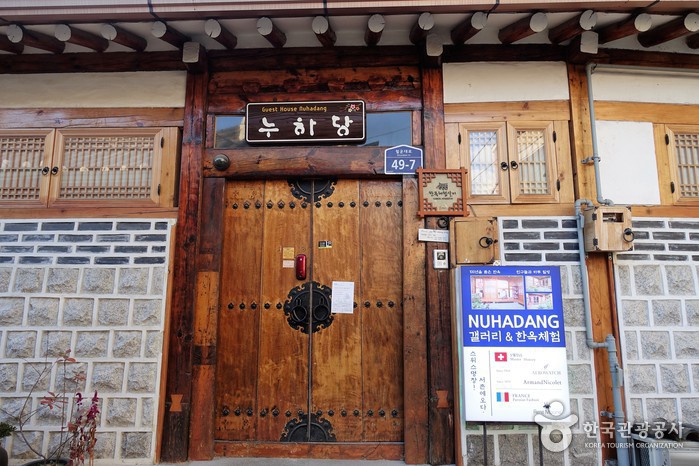
NUHADANG(누하당)
2.9Km 2024-06-20
49-7 , Pirundae-ro, Jongno-gu, Seoul
+82-2-3391-0010, +82-10-4347-5768
Nuhadang is a traditional hanok with over 100 years of history. It is located in a quiet spot in Seochon, Jongno-gu, Seoul, where many scholars and artists have lived since Joseon times. Rooms are wallpapered with eco-friendly Korean paper, and thick cotton blankets and cypress pillows will sooth travelers' fatigue. In the yard and small garden you can experience traditional Korean culture: janggu drumming, the game of yunnori, and Hanbok clothing. Walking the streets of Seochon - past Yun Dong-ju's hostel, Park No-su's art museum, and Lee Sang's house - you can still feel the atmosphere of old Seoul.
![Monday Edition [Tax Refund Shop] (주식회사 먼데이에디션)](http://tong.visitkorea.or.kr/cms/resource/77/2887777_image2_1.jpg)
Monday Edition [Tax Refund Shop] (주식회사 먼데이에디션)
2.9Km 2024-04-23
1F, Store #1, Store#2 (Hannam-dong), 57, Daesagwan-ro 11-gil, Yongsan-gu, Seoul
-

La:ppland [Tax Refund Shop] (라플란드)
2.9Km 2024-04-16
Bldg. Ga. 1F, 83, Samcheong-ro, Jongno-gu, Seoul
-
Lagidang [Korea Quality] / 락이당 [한국관광 품질인증]
2.9Km 2024-08-27
121, Gyedong-gil, Jongno-gu, Seoul
+82-507-1358-3701
Lagidang is a foreigner-only guesthouse in the heart of Bukchon Hanok Village in Jeongno-gu, Seoul. Public transportation links are good, with Exit 3 of Anguk Subway Station just a seven-minute walk away. The house has a fine view over Bukchon Hanok Village, and early-rising guests will also catch the sunrise in the south-eastern sky. The guesthouse is decorated with art works and Joseon-period antiques.
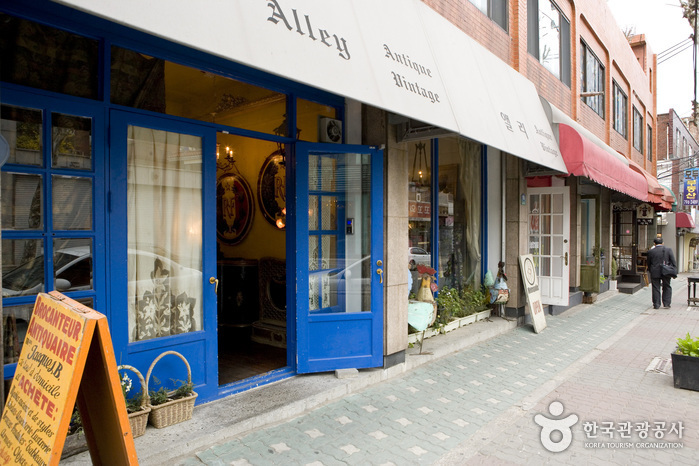
Itaewon Antiques Street (이태원 앤틱 가구 거리)
2.9Km 2025-04-11
109-1 Bogwang-ro, Yongsan-gu, Seoul
Itaewon Antiques Street was formed around the late 1960s, when a group of antique dealerships from Asia, Europe, and North America settled in the district. This 1km-long street is home to antique dealers offering antique sofa, chairs, and tables. Some shops also offer antique decorations, accessories, and clothing. It is a famous shopping district with its own unique ambience from that of Seoul. During spring and autumn, Itaewon Antique Festival takes place, allowing visitors to shop and enjoy cultural performances.
![Inwoohouse [Korea Quality] / 인우하우스 [한국관광 품질인증]](http://tong.visitkorea.or.kr/cms/resource/56/3009456_image2_1.jpg)
Inwoohouse [Korea Quality] / 인우하우스 [한국관광 품질인증]
2.9Km 2023-09-12
1-9 , Gyedong 6-gil, Jongno-gu, Seoul
+82-2-742-1115
Inwoo House is a traditional hanok down an alley in Gye-dong, Jongno, Seoul. There is a swallow's nest under the eaves, and the pride of this house is that the swallow family returns every spring. Each room in the house has a private bathroom. Residents can sample Korean culture by taking part in traditional paper crafts, knot bracelet making, and fan decorating. The location is convenient for restaurants, cafes, and convenience stores, and Gyeongbokgung Palace, Changdeokgung Palace, Insadong, and Samcheong-dong are all within walking distance.
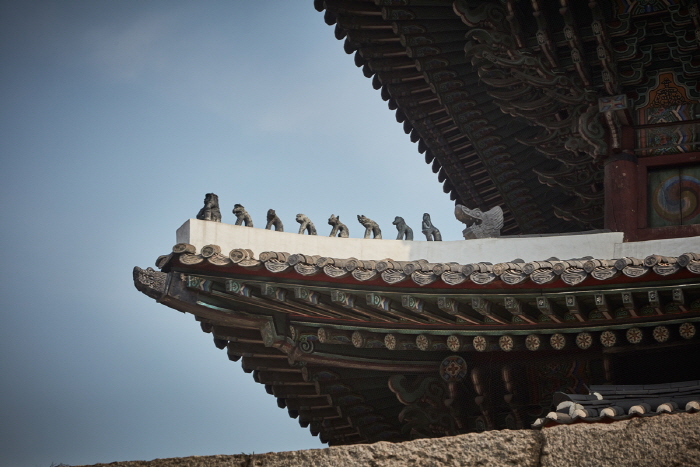
Heunginjimun Gate - Dongdaemun Gate (흥인지문)
2.9Km 2025-10-23
288, Jong-ro, Jongno-gu, Seoul
+82-2-2148-1842
Heunginjimun Gate was built to protect Hanseongbu, which historically housed essential government facilities. Heunginjimun Gate was the gate on the east side of the outer wall of Seoul Fortress among eight gates. It is referred to as Dongdaemun Gate as well. The gate was constructed during King Taejo’s 5th year in 1396, remodeled during the reign of King Danjong in 1453, and was newly built in 1869 during the sixth year of King Gojong’s reign in 1869.
The gate features a hipped roof with five front and two side compartments on a two-storied building. The thin and weak bracket system supports the eaves and is excessively decorated, reflecting the construction features of the late Joseon period. Also, outside of the fortress is the half-circle-shaped Ongseong, a small wall, to protect the gate.
One of the unique factors of Heunginjimun Gate is that it is the only gate among Seoul’s eight to have Ongseong, further exhibiting the style of construction used during the late Joseon period.
![Go-un [Korea Quality] 고운 [한국관광 품질인증]](http://tong.visitkorea.or.kr/cms/resource/08/2948908_image2_1.JPG)
Go-un [Korea Quality] 고운 [한국관광 품질인증]
2.9Km 2024-08-14
35-1, Bukchon-ro 12-gil, Jongno-gu, Seoul
+82-504-0904-2464
Go-un, meaning "High Cloud," is a hanok stay atop a steep hill in Gahoe-dong, Bukchon Hanok Village, Jeongno-gu, Seoul. The view from the house’s big windows takes in hanok tiled roofs, Seoul’s downtown, and Inwangsan Mountain - a vista that merges the past and the present. After enjoying Bukchon's attractions, entertainment, and food, guests can relax in the hanok’s half-body bath overlooking the yard (mugwort bath salts provided) - or enjoy a movie on the beam projector.
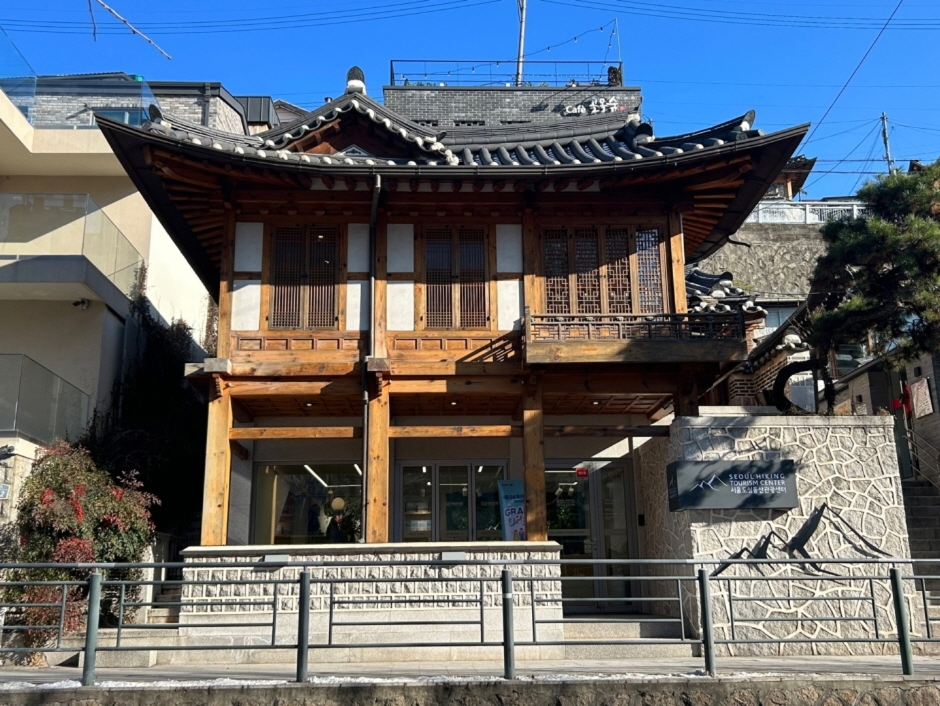
Seoul Hiking Tourism Center - Bugaksan Branch (서울도심등산관광센터(북악산))
2.9Km 2024-03-05
88 Samcheong-ro, Jongno-gu, Seoul
The Bugaksan branch of Seoul Hiking Tourism Center is located on Samcheong-dong Culture Street and provides various services to hikers. It provides hiking course guidance and information (available in Korean, English, Chinese, and Japanese) about the mountains of Seoul, including Bukhansan, Bugaksan, and Inwangsan Mountains, as well as promotional materials such as Seoul hiking tourism guidebooks and maps. Also, it operates hiking tour programs with various themes every week for foreigners and offers hiking gear rental services such as hiking boots, hiking attire, trekking poles, gloves, and crampons for foreigners. (Koreans accompanied by foreigners can also rent the gear.) In addition, there is a storage locker and lounge for visitors, so they can pack up and rest before hiking.
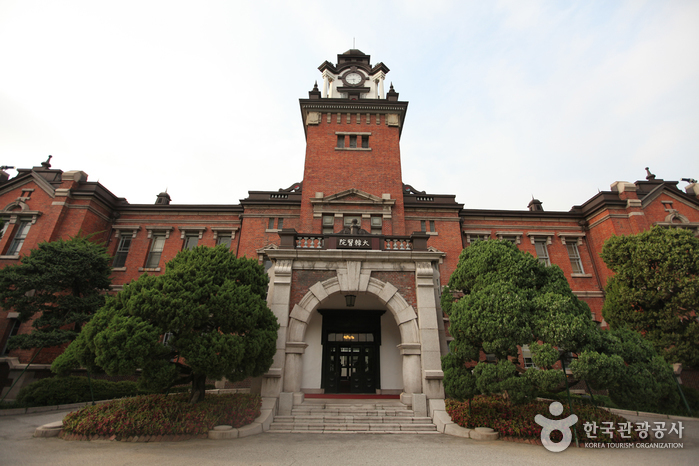
The Museum of Medicine (서울대학교병원의학박물관)
2.9Km 2024-03-18
101 Daehak-ro, Jongno-gu, Seoul
The Museum of Medicine is located in the building of the former Daehan Medical Center, the oldest modern hospital in Korea. It is a medical museum that provides a comprehensive view of the development of modern medicine in Korea, the history of medical devices, and the transformation of Seoul National University Hospital. Through permanent and special exhibitions, the museum showcases medical artifacts and documents related to the history of medicine.
 English
 한국어
한국어 日本語
日本語 中文(简体)
 Deutsch
 Français
 Español
 Русский


