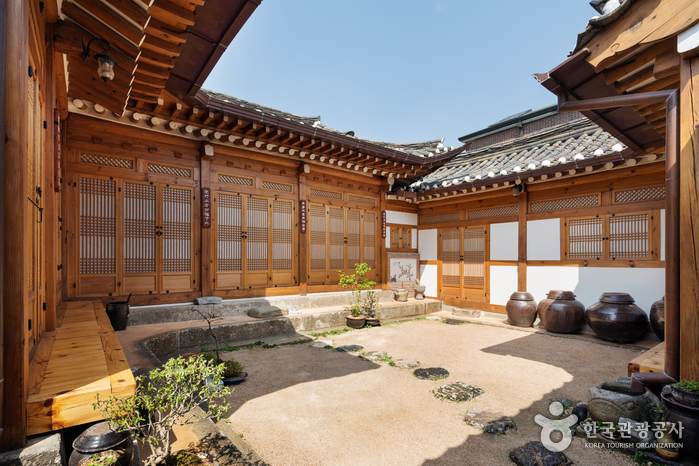
Hanok Guesthouse Dongchonchae (한옥 게스트하우스 동촌재)
2.8Km 2024-12-23
21-10 , Jahamun-ro 11-gil, Jongno-gu, Seoul
+82-10-8561-5227, +82-10-9127-5227
Dongchonjae is a hanok guesthouse in Seochon, Jongno, Seoul. The the Anchae(women's quarters) consists of four sleeping rooms and a cheongmaru lounge space, plus kitchen and toilet. (There are also shared toilets in the yard.) Cooking is not allowed, but guests are welcome to bring in prepared food. A free breakfast is provided. Guests can watch movies in the yard or main hall, and can use the refrigerator and washing machine. A guided night tour of Seoul City Wall is offered, as is a tea ceremony, and rice-cake making experience.
![Series; Corner [Tax Refund Shop] (시리즈코너)](http://tong.visitkorea.or.kr/cms/resource/09/2891109_image2_1.jpg)
![Kolon Series; - Itaewon Branch [Tax Refund Shop] (코오롱 시리즈 이태원)](http://tong.visitkorea.or.kr/cms/resource/73/2889073_image2_1.jpg)
Kolon Series; - Itaewon Branch [Tax Refund Shop] (코오롱 시리즈 이태원)
2.8Km 2024-04-18
244, Itaewon-ro, Yongsan-gu, Seoul
-
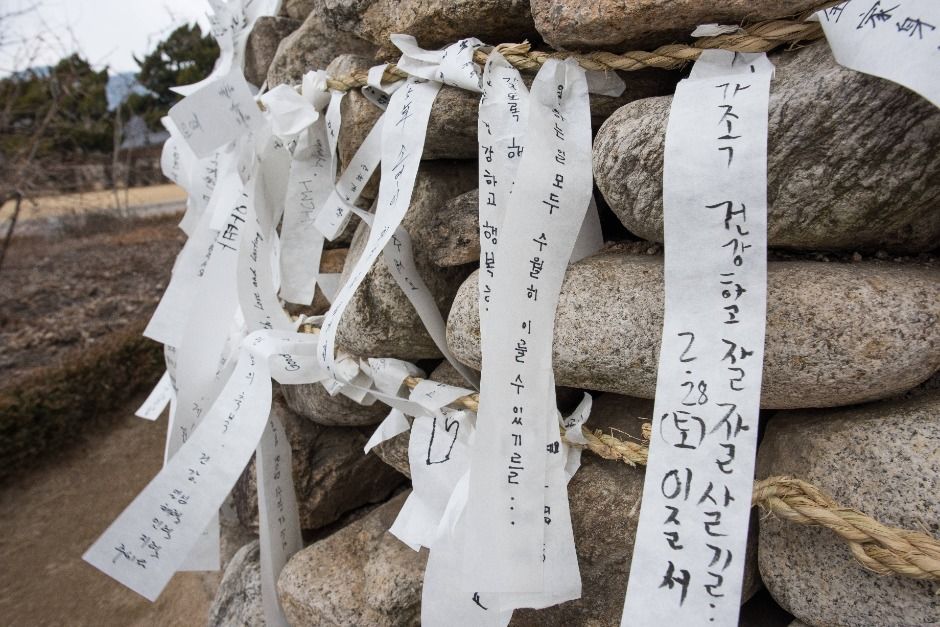
The Great Full Moon Festival (정월대보름 한마당)
2.8Km 2025-02-05
37 Samcheong-ro, Jongno-gu, Seoul
+82-2-3704-3106
The National Folk Museum is celebrating the first full moon of the Lunar new year, Jeongwol Daeboreum. A variety of experiences are prepared to eliminate bad luck and pray for prosperity and health. The event provides a chance for locals and tourists alike to learn more about the traditional culture of Korea.
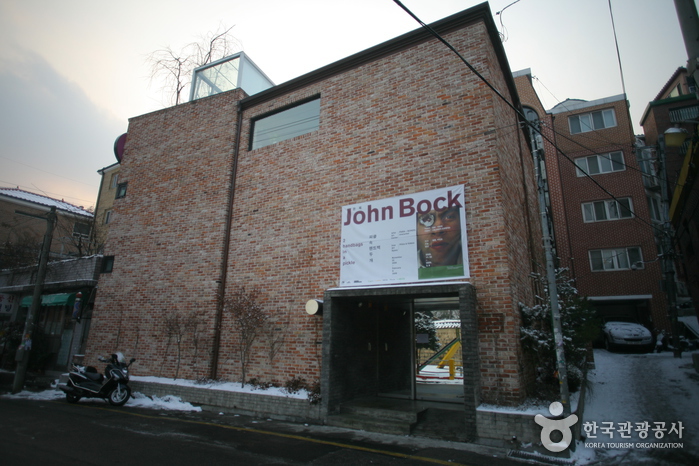
Insa Art Space (인사미술공간)
2.8Km 2021-02-26
89, Changdeokgung-gil, Jongno-gu, Seoul
+82-2-760-4722
Insa Art Space was established in 2000 to support artists who are experiencing financial difficulties. In 2005, Art Space started to develop artistic projects and in 2006, the gallery began to provide project consultations, and publishing and marketing, to develop into a stronger self-sufficient gallery. Currently, the gallery provides special exhibitions for artists and independent curators.
![yyk [Tax Refund Shop] (와이와이케이)](http://tong.visitkorea.or.kr/cms/resource/67/3313167_image2_1.jpg)
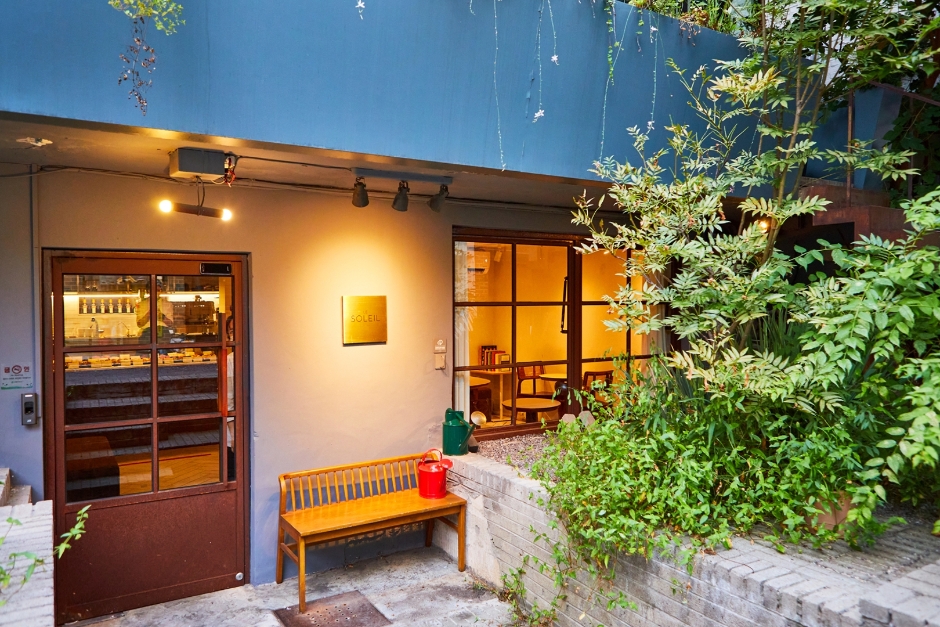
LE SOLEIL (르솔레이)
2.8Km 2024-03-18
28 Itaewon-ro 54-gil, Yongsan-gu, Seoul
LE SOLEIL is a dessert café in Yeonhui-dong that is small but constantly crowded with customers. About 20 kinds of madeleines of various ingredients fill the showcase. Representative menu items include Rose & Litchi Madeleine, which has a subtle rose scent and attractive litchi flesh, and Nurung Madeleine, which combines cream cheese and scorched rice toppings. Brûlée Madeleines with a luxurious vanilla scent and Truffle Madeleines with a truffle scent are also popular because they are not commonly seen elsewhere. Popular items will likely be sold out early, so it is best to check the information through their official Instagram before visiting.
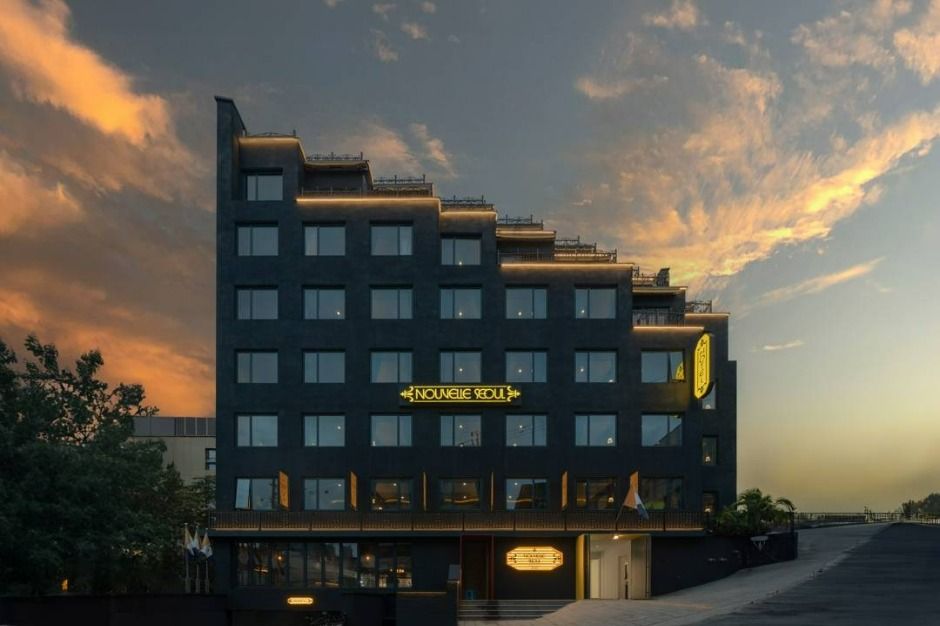
The Hyoosik Nouvelle Seoul Itaewon (더휴식 누베르 서울 이태원점)
2.8Km 2025-04-08
11 Usadan-ro 14-gil, Yongsan-gu, Seoul
The Hyoosik Nouvelle Seoul Itaewon aims to rediscover Seoul through creativity and inspiration. The overall design of the hotel is inspired by French avant-garde, using a variety of objects and props to create an artistic and stylish atmosphere. The hotel has Collection T room type, a twin bedroom; Collection D room type, a double bedroom; and Collection S room type, a single bedroom. On the first floor of the hotel is a guest lobby and a pasta restaurant. The hotel's parking lot is limited in space, and therefore guests are advised to use a nearby public parking lot.
![On The Spot [Tax Refund Shop] (온더스팟)](http://tong.visitkorea.or.kr/cms/resource/13/2891113_image2_1.jpg)
![Changdeokgung Palace Complex [UNESCO World Heritage Site] (창덕궁과 후원 [유네스코 세계유산])](http://tong.visitkorea.or.kr/cms/resource/03/3092503_image2_1.jpg)
Changdeokgung Palace Complex [UNESCO World Heritage Site] (창덕궁과 후원 [유네스코 세계유산])
2.8Km 2025-07-21
99 Yulgok-ro, Jongno-gu, Seoul
Changdeokgung Palace was the second royal villa built following the construction of Gyeongbokgung Palace in 1405. It was the principal palace for many kings of the Joseon dynasty, and is the most well-preserved of the five remaining royal Joseon palaces. The palace grounds are comprised of a public palace area, a royal family residence building, and the rear garden. Known as a place of rest for the kings, the rear garden boasts a gigantic tree that is over 300 years old, a small pond and a pavilion.
The palace gained importance starting from the time of Seongjong, the 9th king of Joseon, when a number of kings began using it as a place of residence. Unfortunately, the palace was burned down by angry citizens in 1592 when the royal family fled their abode during the Imjin War. Thanks to Gwanghaegun, the palace was restored in 1611. Even today, it houses a number of cultural treasures, such as Injeongjeon Hall, Daejojeon Hall, Seonjeongjeon Hall, and Nakseonjae Hall.
Changdeokgung Palace’s garden behind the inner hall, called the "Secret Garden," was constructed during the reign of King Taejong and served as a rest area for the royal family members. The garden had formerly been called Bugwon and Geumwon, but was renamed Biwon Garden, or Secret Garden, after King Gojong came into power. The garden was kept as natural as possible and was touched by human hands only when absolutely necessary. Buyongjeong Pavilion, Buyongji Pond, Juhamnu Pavilion, Eosumun Gate, Yeonghwadang Hall, Bullomun Gate, Aeryeonjeong Pavilion, and Yeongyeongdang Hall are some of the many attractions that occupy the garden. The most beautiful time to see the garden is during the fall when the autumn foliage is at its peak and the leaves have just started to fall.
Though it has been treasured by Koreans for centuries, Changdeokgung Palace and its complex was recognized as a World Cultural Heritage site by the UNESCO World Cultural Heritage Committee in December of 1997 during the committee meeting in Naples, Italy.
 English
 한국어
한국어 日本語
日本語 中文(简体)
 Deutsch
 Français
 Español
 Русский


