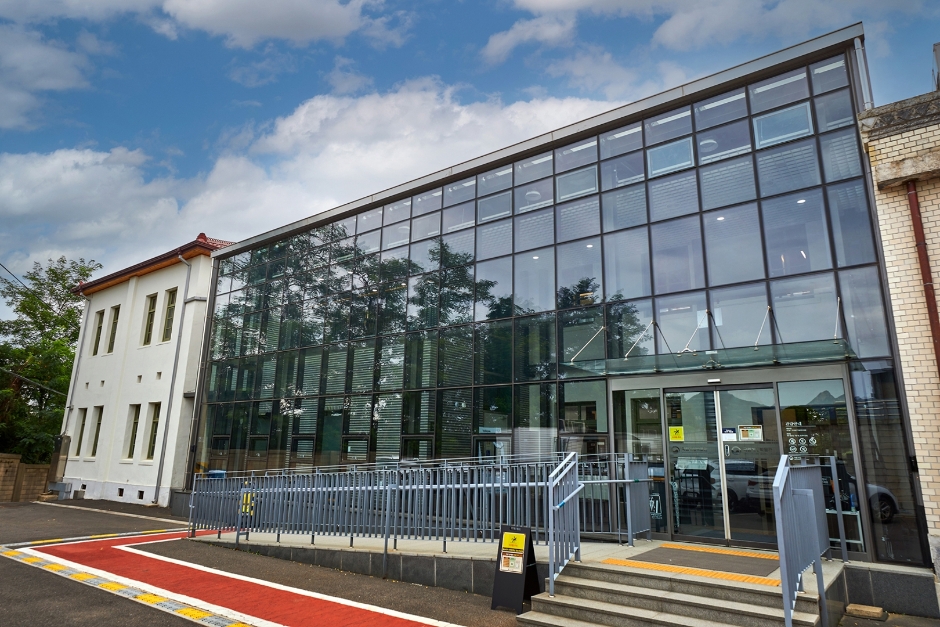
National Meteorological Museum of Korea (국립기상박물관)
2.4Km 2024-03-26
52 Songwol-gil, Jongno-gu, Seoul
A museum where one can look at Korea's meteorological observation history and technological development through exhibitions. The museum has the world's first rain gauge, invented in 1441, in the early Joseon dynasty. The museum operates approximately 350 meteorological observatories across Korea and focuses on promoting the uniqueness and excellence of Korea's meteorological science. There are permanent collections and special exhibitions. The permanent collections focus on the history of meteorological science in Korea. At the same time, the special exhibitions take a closer look at the history and information about meteorological science and natural disasters (e.g., earthquakes) that occurred in various regions of Korea. There are experience programs related to meteorological science, such as making a rain gauge or learning about rain gauges.
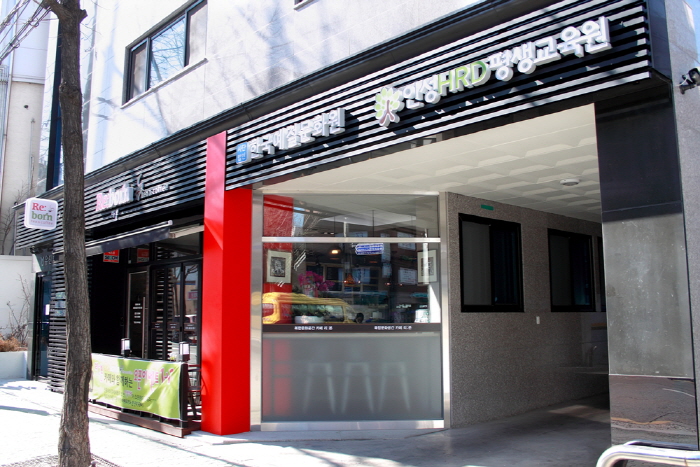
Korea Etiquette Institute (한국예절문화원)
2.4Km 2022-07-08
43 , Gajaeul-ro 4-gil, Seodaemun-gu, Seoul
+82-2-391-1988
Korea Etiquette Institue is dedicated to observing, researching, developing and passing down Korea's etiquette. Education programs are also available.
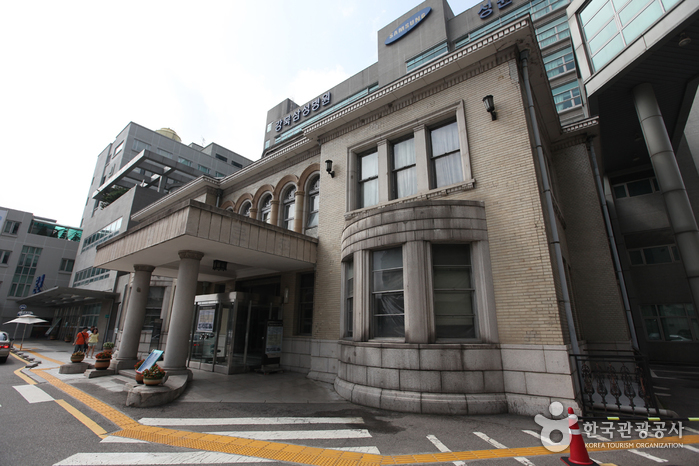
Seoul Gyeonggyojang House (서울 경교장)
2.4Km 2021-09-15
29, Saemunan-ro, Jongno-gu, Seoul
+82-2-735-2038
Gyeonggyojang House, a designated Historic Site, was the location of the provisional government and the place where Baekbeom Kim Koo passed away. Seoul reproduced the historical site, Gyeonggyojang House, to use the area as an educational site. Also, the house exhibits the history of the provisional government in order to see the history more clearly.
Restoration work included the demolition of the interior that was changed when the building was turned into a hospital facility and embassy after Kim Koo passed away in 1949. During the work, the remaining parts were maintained with the utmost care. Reconstructed parts were based on the building's floor plan written in Chosun and Architecture (8th edition in 1938). Visitors can see various contents related to the Korean Provisional Government history through relics, video, and information searching corners.

Lee Glasses - Hongdae Branch [Tax Refund Shop] (이기대안경 홍대점)
2.4Km 2024-06-27
1F, 56, Dongmak-ro, Mapo-gu, Seoul
-
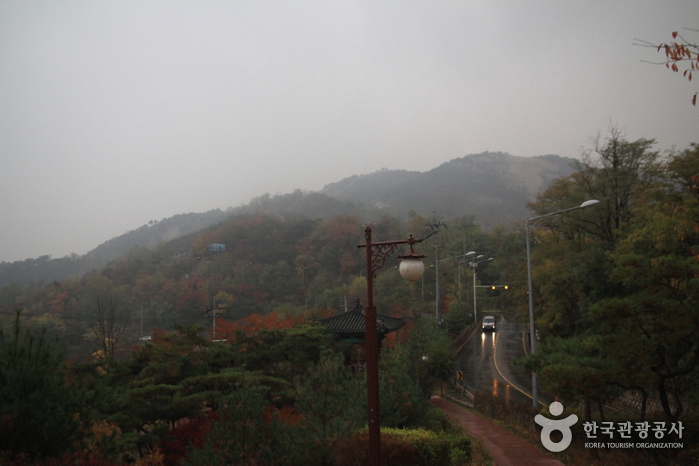
Inwangsan Mountain (인왕산)
2.5Km 2024-03-04
San 2-1, Muak-dong, Jongno-gu, Seoul
+82-2-2148-2834
Inwangsan Mountain is a rocky mountain located to the northwestern side of Seoul. It stands 338m tall. The Seoul City Wall is built along its ridge, connecting to the Baegak Mountain Trail. From the summit, one can see the three mountains of Naksan Mountain, Namsan Mountain, and the Bugaksan Mountain surrounding the historical center of Hanyang, the historical name for Seoul in Joseon period, with the Gyeongbokgung Palace at the center. There are five hiking trails, all taking about two hours to complete. It takes about three hours if you want to visit all the peaks of the mountain.
Seoul Hyochang Park (서울 효창공원)
2.5Km 2024-07-09
177-18 Hyochangwon-ro, Yongsan-gu, Seoul
+82-2-2199-7608
Hyochang Park covers 122,245 square meters spanning across Hyochang-dong and Cheongpa 2-dong. It is a historic landmark that once contained several royal tombs, and was known at that time as Hyochangwon. The cemeteries that were originally located in Hyochangwon belonged to Crown Prince Munhyo, King Jeongjo’s first son who died at the age of five; Royal Noble Consort Uibin of the Seong Clan, King Jeongjo’s royal concubine and Crown Prince Munhyo’s mother; Royal Noble Consort Sugui of the Park Clan, King Sunjo’s royal concubine; and her daughter Princess Yeongon. The royal tombs were moved to Seooreung Tombs in the waning months of the Japanese colonial period. The Japanese empire began the development of Hyochangwon into a park in 1924, and the Japanese governor-general officially assigned the site as a park in 1940.
Presently, several of Korea’s greatest leaders are buried in Hyochang Park. The remains mostly belong to independence activists including Yoon Bong-gil, Lee Bong-chang, and Baek Jeong-gi, whose graves are collectively known as Samuisa Tomb. A statue of Lee Bong-chang has been built in the graveyard. Among the other patriotic martyrs who are interred in the park are Kim Gu and some of the key figures of the provisional government such as Lee Dong-nyeong, Cha I-seok, and Cho Seong-hwan. An ancestral shrine named Uiyeolsa has been built along the main gate and holds the portraits of the deceased independence activists.
![Zara - Lotte Seoul Station Branch [Tax Refund Shop] (자라 롯데 서울역점)](http://tong.visitkorea.or.kr/cms/resource/25/2878425_image2_1.jpg)
Zara - Lotte Seoul Station Branch [Tax Refund Shop] (자라 롯데 서울역점)
2.5Km 2024-04-22
378, Cheongpa-ro, Yongsan-gu, Seoul
-
![Olive Young - Jeongdong Branch [Tax Refund Shop] (올리브영 정동)](http://tong.visitkorea.or.kr/cms/resource/11/2888011_image2_1.jpg)
Olive Young - Jeongdong Branch [Tax Refund Shop] (올리브영 정동)
2.5Km 2024-04-22
26, Saemunan-ro, Jung-gu, Seoul
-
![Lens Me - Sangsu Café Street Branch [Tax Refund Shop] (렌즈미상수카페거리점)](http://tong.visitkorea.or.kr/cms/resource/99/2887799_image2_1.jpg)
Lens Me - Sangsu Café Street Branch [Tax Refund Shop] (렌즈미상수카페거리점)
2.5Km 2024-04-22
65, Yanghwa-ro 6-gil, Mapo-gu, Seoul
-
Kangbuk Samsung Hospital (강북삼성병원)
2.5Km 2025-10-23
29 Saemunan-ro, Jongno-gu, Seoul
Established in 1968, Kangbuk Samsung Hospital has over 50 years of history and is taking a new leap forward with a vision for its centennial year.
Through partnerships with renowned institutions, such as Johns Hopkins Hospital in the United States and the BBDC in Canada, the hospital delivers advanced medical services while leading the public health arena. It is also committed to systematic research and the development of ICT-integrated digital healthcare, which will be the foundation for future medicine. With an excellent infrastructure that includes clinics and specialized centers (e.g., the Diabetes Center, Breast and Thyroid Cancer Center, Digestive Cancer Center, Musculoskeletal Disease Center, and Prostate Center), Kangbuk Samsung Hospital provides top-quality medical services focused on providing patients with satisfactory treatments.
 English
 한국어
한국어 日本語
日本語 中文(简体)
 Deutsch
 Français
 Español
 Русский


