
Chungjangsa Shrine (충장사)
4.7Km 2026-06-30
13, Songgang-ro, Buk-gu, Jeonnam-Gwangju Special Metropolitan City
When you reach Baejae along the tourist road leading up to Wonhyosa Temple, you can see the well-maintained tomb and the magnificent building of Chungjangsa Shrine on the left. It was built in 1975 as a memorial to General Kim Deok-ryeong, born in Mudeungsan Mountain. In the precincts, there are the shrine, where Kim Deok-ryeong's portrait and command paper are enshrined; the east room and west room; Eullyun Monument and Commentary Monument, the relics hall; Chungyongmun Gate; and Ikomun Gate. In the relics hall, the clothes of 'General Kim Deok-ryeong,' designated as Important Folk Material, and the coffin excavated from the general's tomb, as well as his handwriting, are on display. On the hill behind the shrine is Kim Deok-ryeong's tomb and tombstone, as well as his family's tomb.
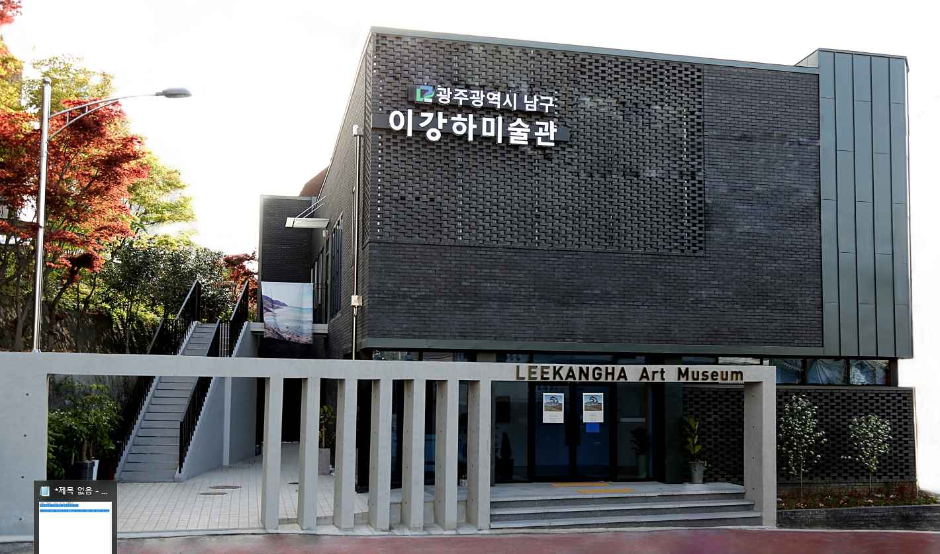
LEEKANGHA Art Museum (이강하미술관)
4.9Km 2026-06-30
6 3·1manseundong-gil, Nam-gu, Jeonnam-Gwangju Special Metropolitan City
The LEEKANGHA Art Museum, opened in 2018, offers a range of exhibitions, educational programs, and a research center. Visitors can explore the life and art world of Lee Kang-ha in different eras through various exhibitions and gain a deeper understanding of art with performances and educational programs. The museum aims to foster empathy and communication to enrich cultural knowledge by using diverse art-culture experience programs.
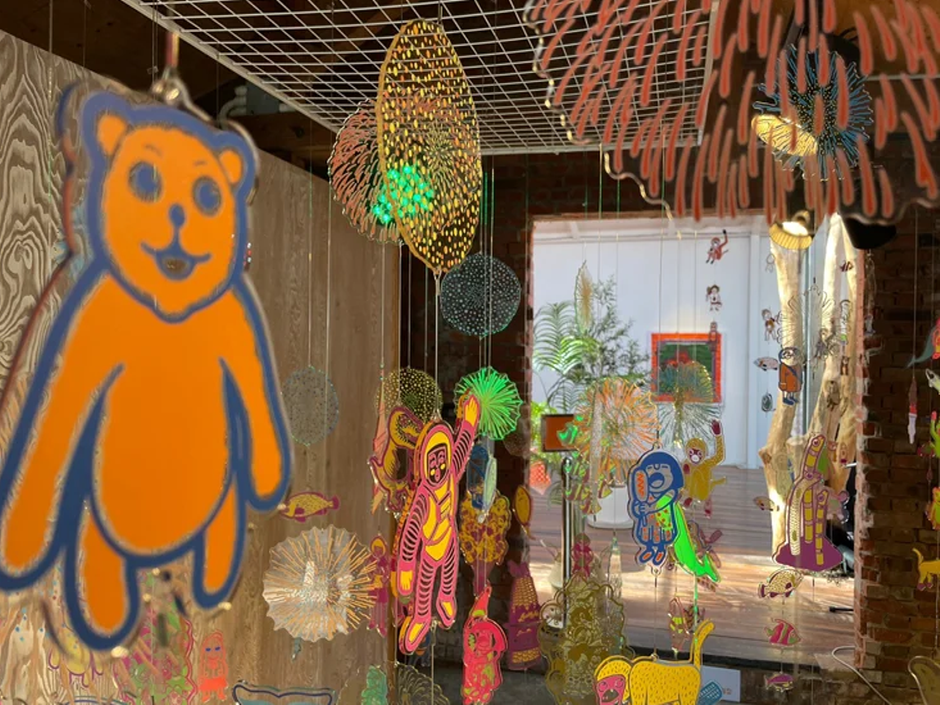
Art Polygon Horanggassinamu (호랑가시나무 아트폴리곤)
4.9Km 2026-06-30
22 Jejung-ro 47beon-gil, Nam-gu, Jeonnam-Gwangju Special Metropolitan City
Located in Yangnim-dong, Art Polygon Horanggasinamu is a multi-purpose cultural space that hosts various programs such as exhibitions, lectures, and performances. In 2021, it was used as one of the venues for the Gwangju Biennale. The space was created by preserving and expanding the original structure of a missionary's garage. Yangnim-dong is home to many modern historical cultural heritage sites and art galleries that connects the past and the present.
Jin Convalescent Hospital (진요양병원)
5.0Km 2026-06-30
33, Daejasil-ro, Buk-gu, Jeonnam-Gwangju Special Metropolitan City
Jin Convalescent Hospital is a Ministry of Health and Welfare-certified cancer rehabilitation hospital located in Unam-dong, Buk-gu, Gwangju. We provide personalized care tailored to each patient’s condition and symptoms, focusing on specialized programs for cancer patients while utilizing the latest equipment and technology. Our commitment is to prioritize patients’ health and wellness. In 2024, we were designated a foreigner-friendly hospital in Gwangju, offering internal medicine consultation, a wellness clinic, comprehensive blood tests, obesity treatments, and an integrated pain clinic combining Western and Korean medicine for international patients. Experience compassionate, patient-centered care and expert medical treatment here with us.
Gaemagowon (개마고원)
5.3Km 2026-06-30
1094 Sangmu-daero, Seo-gu, Jeonnam-Gwangju Special Metropolitan City
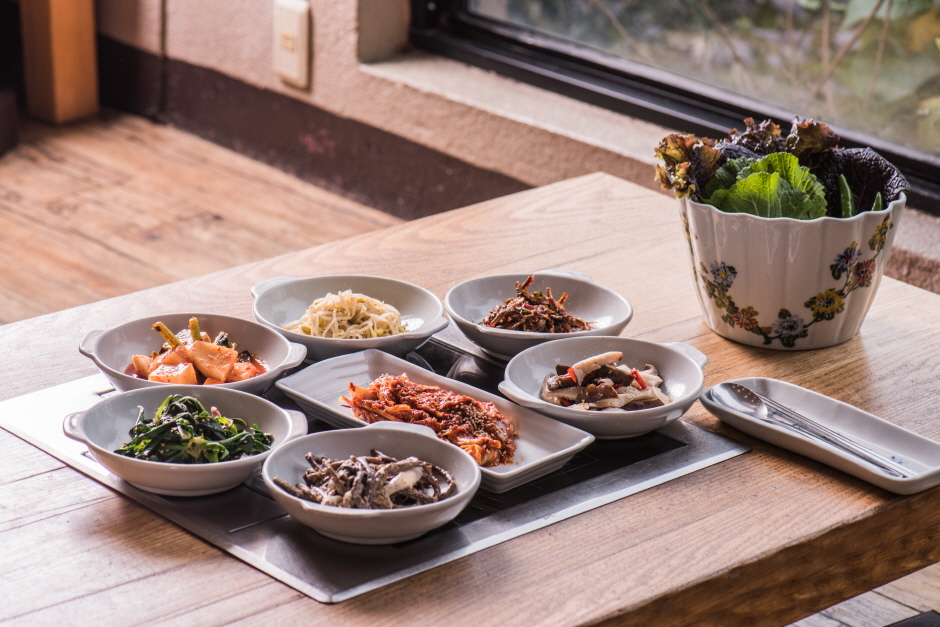
Gaemagowon is a hanu (Korean beef) restaurant that has been serving the Gwangju area for over 20 years. The menu includes a variety of dishes using hanu.
De Young Museum (드영미술관)
5.4Km 2026-06-30
6 Seongchon-gil, Dong-gu, Jeonnam-Gwangju Special Metropolitan City
De Young Museum is an art gallery located at the entrance to Mudeungsan National Park. The gallery opened in 2018 with the concept of being "forever young" and aims to develop the local culture scene through connections with the local community.
Gwangju Family Land (광주 패밀리랜드)
5.8Km 2026-06-30
677, Uchi-ro, Buk-gu, Jeonnam-Gwangju Special Metropolitan City
Gwangju Family Land is an amusement park equipped with dozens of exciting rides as well as recreational facilities such as a swimming pool, an ice rink, and a sledge park. Spanning 290 acres of land, it is the largest urban amusement park in all of Jeollabuk-do and Jeollanam-do Provinces. The amusement park also offers entertainment courses designed for couples, families and children.
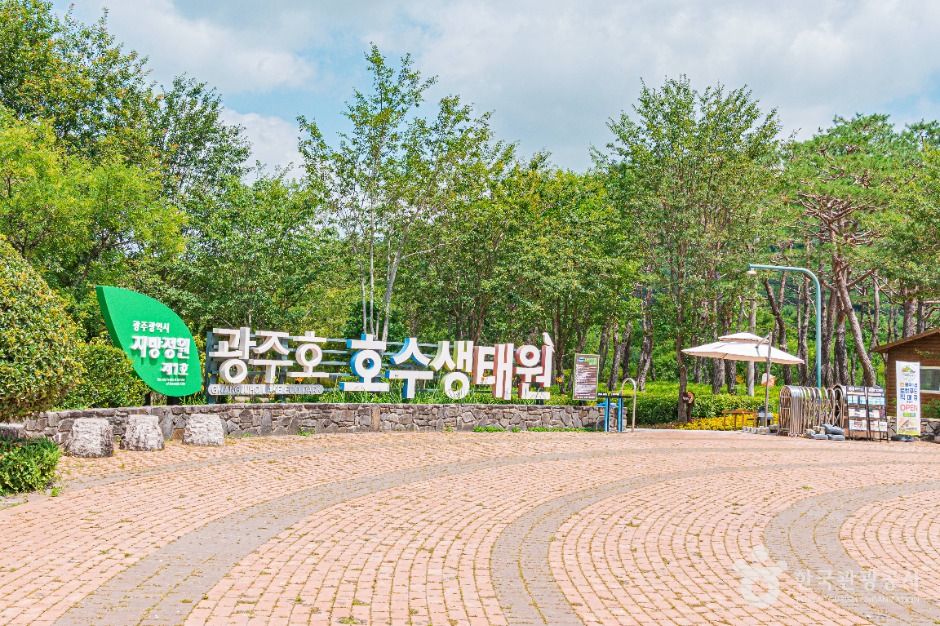
Gwangjuho Lake Eco Park (광주호 호수생태원)
6.2Km 2026-06-30
Chunghyo-dong, Buk-gu, Jeonnam-Gwangju Special Metropolitan City
Gwangjuho Lake Eco Park is an ecological park located near the banks of Gwangjuho Lake, featuring a Nature Observation Center, Nature Learning Center, Lawn Area, and Waterside Wetland. The park is home to around 170,000 wildflowers and over 3,000 trees, offering opportunities to observe various flora and fauna up close. Visitors can witness diverse birds thriving in the wetlands.
May 18th National Cemetery (국립 5·18 민주묘지)
6.3Km 2026-06-30
200 Minju-ro, Buk-gu, Jeonnam-Gwangju Special Metropolitan City
The May 18th National Cemetery in Gwangju is a symbol of freedom and democracy. The cemetery holds the graves of 764 victims of the May 18th Democratic Uprising in 1980, seven structures, and many monuments.
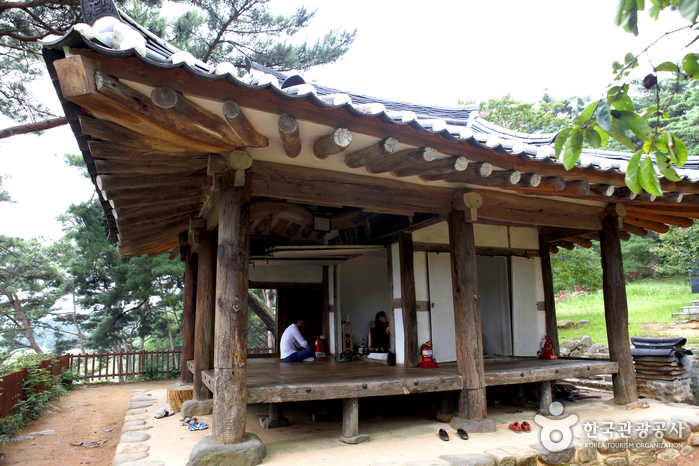
Sigyeongjeong Pavilion (담양 식영정)
6.4Km 2026-06-30
Jigok-ri, Damyang-gun, Jeonnam-Gwangju Special Metropolitan City
Designated as the top monument of Jeollanam-do, Sigyeongjeong Pavilion means a place where even the shadow of the moon can find a place to rest. As its name suggests, this pavilion is set in a lush and remote forested area. Countless number of scholars and writers have been attracted to this pavilion as a place of profound inspiration. The pavilion gained more fame from the legendary lyrics of Seongsanbyeolgok written by the poet Jeong Cheol. The elegant words of Kim Seongwon, a literary scholar, depict the scenic beauty of Seongsan Mountain as the seasons change.
Of all the pavilions situated at the basin of the Yeongsangang River the Sigyeongjeong Pavilion is said to be blessed with a breathtaking view from the side. The current building was restored in the early 1900s. At the Sigyeongjeong Pavilion there is the Buyongdang, a monument with the lyrics to the Seongsanbyeolgok Poem, and next to it an old library building called Jangseogak built to preserve the wooden blocks of Songgangjib, a book of poetry written by Jeong Cheol.
 English
 한국어
한국어 日本語
日本語 中文(简体)
 Deutsch
 Français
 Español
 Русский


