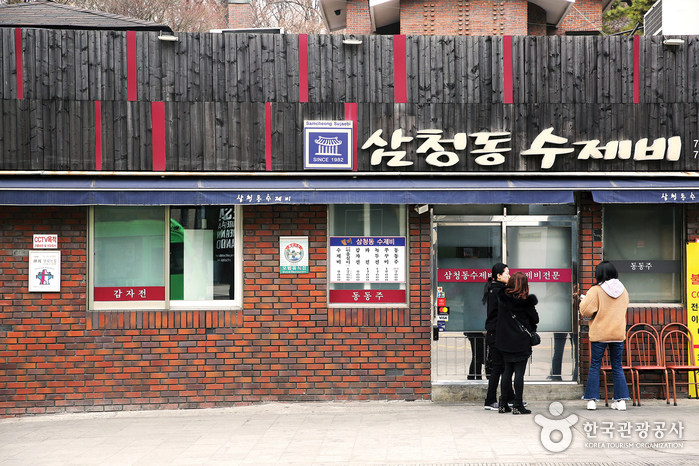
Samcheong Sujaebi (삼청동수제비)
11.8Km 2024-03-04
101-1 Samcheong-ro, Jongno-gu, Seoul
+82-2-735-2965
Samcheong Sujaebi is a handmade sujebi (hand-pulled dough soup) specialty restaurant located in Samcheong-dong. Sujebi is a dish made by tearing hand-pulled dough into pieces and boiling it in anchovy broth, among other broths. The signature menu features sujebi with sliced pumpkin, clams, and potatoes, all boiled together and served in a pot. Another specialty is the potato pancake made exclusively from 100% potatoes. Nearby attractions include Bukchon Hanok Village, the National Museum of Modern and Contemporary Art, and Gyeongbokgung Palace.

Samcheong-dong Street (삼청동길)
11.8Km 2025-01-22
107 Samcheong-ro, Jongno-gu, Seoul
It is said that Samcheong-dong was named from the story about the three "cheong" (Chinese character meaning clean) of the area, namely the mountain, water, and people. Another theory is that the origin of the region's name came from Samcheongjeon Hall where three tablets called "Taecheong," "Sangcheong," and "Okcheong," were set up based on Taoism. Samcheong-dong Street features a mixture of old scenes of hanok buildings with traditional beauty and modern scenes of galleries and cafés, creating a unique atmosphere. Visitors can feel the abundant cultural mood at every corner of the street through the art galleries, museums, antique shops, and quiet pathways.
BBQ CHICKEN Myeong-dong Star(BBQ치킨 명동스타)
11.8Km 2024-03-07
2F, 2 Myeongdong 4-gil, Jung-gu, Seoul
+82-507-1363-8810
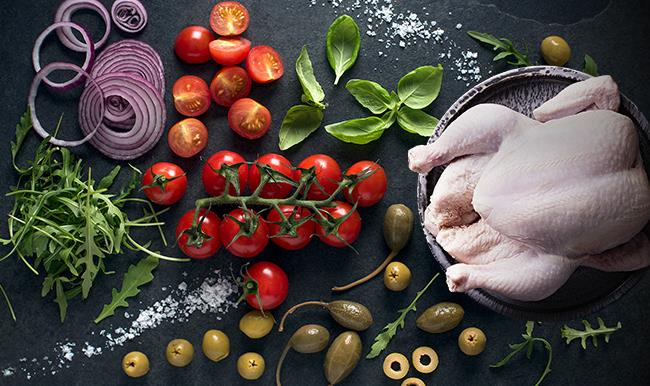
BBQ CHICKEN Myeong-dong Star's signature dish is the Golden Olive Fried Chicken, which is fried in savory olive oil. The crispy batter and tender, savory meat are excellent. Patrons have other option to yangnyeom chicken (seasoned fried chicken), basak garlic chicken, or half and half. Ordering chicken legs and wings by cut is also a favorite. The best combination is with a cold beer.
Seoul Museum of Craft Art (SeMoCA) (서울공예박물관)
11.8Km 2025-06-19
4 Yulgok-ro 3-gil, Jongno-gu, Seoul
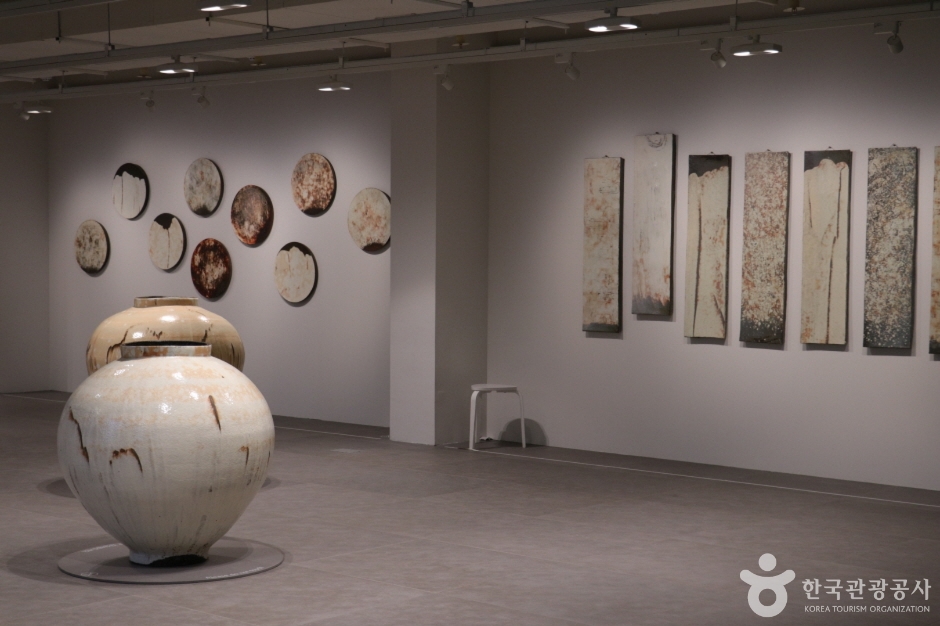
The Seoul Museum of Craft Art (SeMoCA), the first public museum of craft art in Korea, opened its doors in Anguk-dong, Jongno-gu, in July 2021 after renovating five buildings of the former Pungmoon Girls’ High School. SeMoCA studies and shares not only works, but also information, records, people, and environment related to craft art with the goal of becoming a dynamic platform for experiencing the technical, practical, artistic, and cultural values of craft.
SeMoCA holds a collection that comprises various crafts and craft materials covering multiple fields and eras from the traditional to the present. SeMoCA also holds exhibitions that feature the history of craft from traditional to contemporary art as well as local and children’s crafts, along with programs that utilize the museum’s craft installations, craft archives, craft library, and craft resource management system.
The site of the museum has deep historical roots as it is also the Andong Secondary Palace Site, where a detached palace was constructed as a royal residence for King Sejong’s son Prince Yeongeung, and served as a venue for royal celebrations, such as the wedding of King Sunjong. The site is also at the center of Jongno-gu, where Joseon-era master artisans (“gyeonggongjang”) of the royal palace produced and delivered craft works.
![Kaist Optical Shop [Tax Refund Shop] (카이스트안경)](http://tong.visitkorea.or.kr/cms/resource/47/2878647_image2_1.jpg)
Kaist Optical Shop [Tax Refund Shop] (카이스트안경)
11.8Km 2024-04-22
49, Myeongdong 2-gil, Jung-gu, Seoul
-
Bosingak Belfry (보신각 터)
11.8Km 2024-03-04
54, Jong-ro, Jongno-gu, Seoul
+82-2-2133-2641
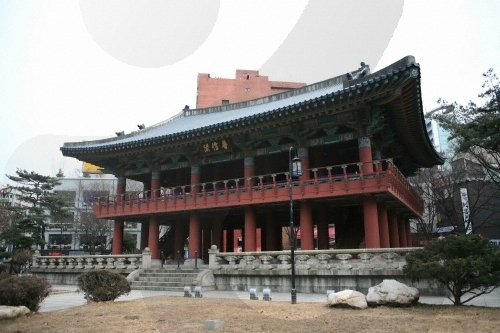
Bosingak Belfry is also known as Jonggak. It was the site in which a large bell, used to keep the time in Seoul, was found during the Joseon period (1392-1897). Bosingak Belfry was burned down during the Korean War (1950-1953) and was reconstructed in 1979. The original bell was moved to the Gyeongbokgung Palace, and a new bell was forged in 1985. At midnight, January 1, the bell at the Bosingak Belfry is rung to welcome the new year. Many people gather around the belfry to make a wish for their new year.
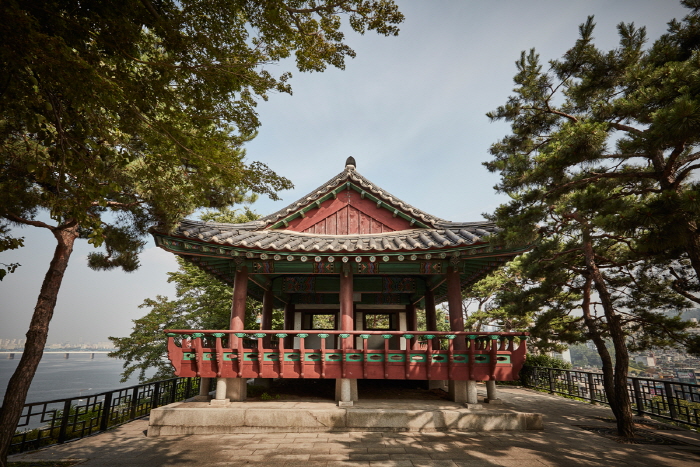
Hyosajeong Pavilion (효사정)
11.8Km 2025-01-13
55, Hyeonchung-ro, Dongjak-gu, Seoul
+82-2-820-9848
Hyosajeong Pavilion is where Nohan, the second vice premier of the Joseon dynasty during King Sejong and King Sejo’s reign, stayed. After he lost his mother, he built the pavilion to mourn at her grave while still being able to see his father’s grave in Gaeseong to the North. His brother-in-law, then Minister of the Interior, Gang Sa-deok named the pavilion “Hyosajeong,” which means pavilion of filial piety.
In order to find the original location of the pavilion, poems by Jeong Inji and Seo Geojeong and an old map of Korea were referenced, but the pavilion was not found because the surrounding landscape had changed too much. As a result, a location was selected and the pavilion was reconstructed at its current location. The house is 3 kan* in the front and 2 kan* on the side. The roof is a hip-and-gable roof. The pavilion has one room with under floor heating and a railing around the pavilion
(* kan: a traditional measurement that corresponds to the space between two columns)
![Innisfree - Myeong-dong Chungmu Branch [Tax Refund Shop] (이니스프리 명동충무)](http://tong.visitkorea.or.kr/cms/resource/11/2878611_image2_1.jpg)
Innisfree - Myeong-dong Chungmu Branch [Tax Refund Shop] (이니스프리 명동충무)
11.8Km 2024-04-16
28-1, Myeongdong 8na-gil, Jung-gu, Seoul
-
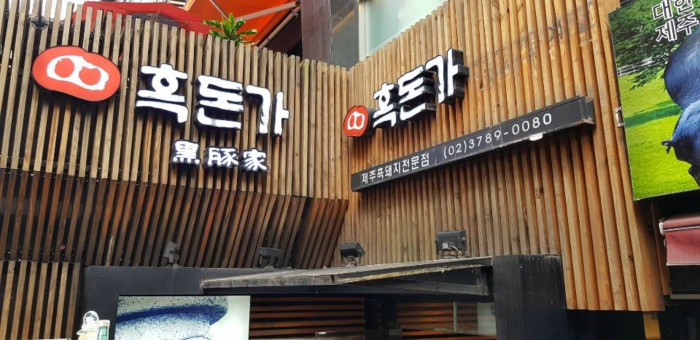
Heukdonga Myeongdong (흑돈가 명동)
11.8Km 2024-03-07
21, Myeongdong, 7-gil, Jung-gu, Seoul
+82-2-3789-0080
Situated in Myeongdong, Heukdonga focuses on Jeju-style grilled black pork. Once black pork cut into thick chunks are grilled over charcoal, it is ready to be served with salted anchovies or pickled perilla leaves. The meat is grilled on a wire mesh over charcoal, which renders the fat and gives it a nice charcoal flavor. After finishing the meat, patrons have the option to soybean paste jjigae with rice or cold buckwheat noodles, which are also a must-try in Korean barbecue restaurants.
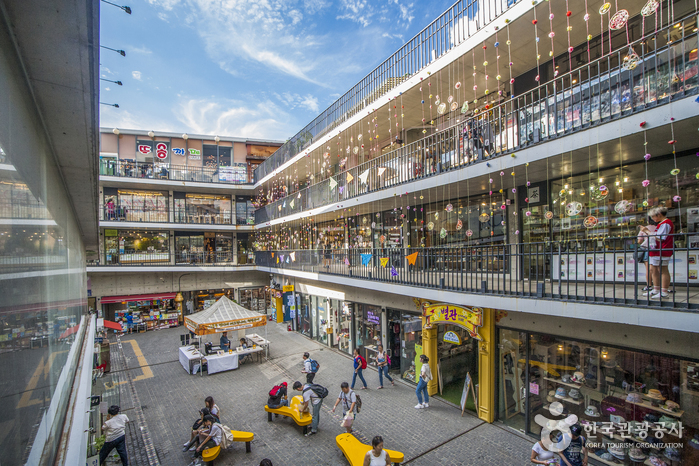
Insa-dong (인사동)
11.8Km 2024-05-17
62, Insadong-gil, Jongno-gu, Seoul
+82-2-734-0222
Insa-dong, located in the heart of the city, is an important place where old but precious traditional goods are on display. There is one main road in Insa-dong with alleys on each side. Within these alleys are galleries, traditional restaurants, teahouses, and cafes.
The galleries are the heartbeat of Insa-dong. There are about 100 galleries in the area offering every example of traditional Korean fine art from paintings to sculptures. The most famous galleries are Hakgojae Gallery, which functions as the center of folk art, Gana Art Gallery, which promotes many promising artists, and Gana Art Center.
The teahouses and restaurants are the perfect complement to the galleries. They are hidden deep within the twisting alleyways, making it feel like a treasure hunt. The shops in Insa-dong are very popular among all age groups, because each one is unique.
Every Saturday from 14:00 to 22:00 and Sunday from 10:00 to 22:00, the main street is blocked to vehicular traffic and it becomes a cultural space. Stores set up booths outside and Korean candy merchants and fortune teller stalls can easily be found; there are traditional performances and exhibits as well. Insa-dong is especially popular among international tourists. This is where they can experience and see traditional Korean culture first-hand, and also purchase pieces of fine art.
 English
 한국어
한국어 日本語
日本語 中文(简体)
 Deutsch
 Français
 Español
 Русский


