
Jeongnamjin Jangheung Water Festival (정남진 장흥 물축제)
16.3Km 2025-07-11
805 Geosan-ri, Jangheung-eup, Jangheung-gn, Jeollanam-do
+82-61-860-5771
The Jeongnamjin Jangheung Water Festival is held in the cleanest locations, such as the Tamjingang River, Jangheung Dam, and Deungnyangman Beach. The summer festival runs a variety of programs and games under the familiar theme of “water” for those who want to get out of the heat.
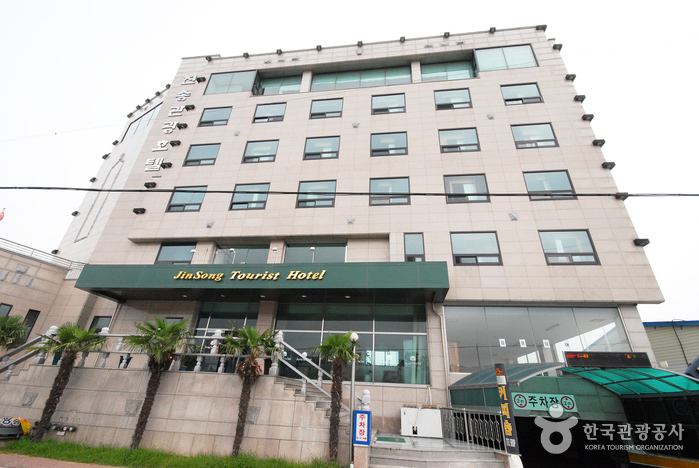
Jinsong Tourist Hotel (진송관광호텔)
17.0Km 2025-01-07
1, Donggyo 2-gil, Jangheung-gun, Jeollanam-do
+82-61-864-7775
Jinsong Hotel offers the refreshing elements of nature and ultimate relaxation in this Jeongnamjin area. Together with the Jeongnamjin market opening every Saturday and the scenic views of a nearby stream by the night, guests can get lost in the comforts of natural environment. The hotel is located 20 minutes away from the Boseong Tea Plantation and 30 minutes from the Haenam Ttangkkeut Maeul (the Southern tip of the peninsula). Other tourist attractions in the region include Yulpo Beach Resort, Sumun Beach Resort, Cheon-gwansan among others, providing one of the best places for sight-seeing. Jinsong Tourist Hotel is the choice hotel recommended for family and group tourists as it is the only hotel-class accomodation in this area richly endowned with tourist destinations.
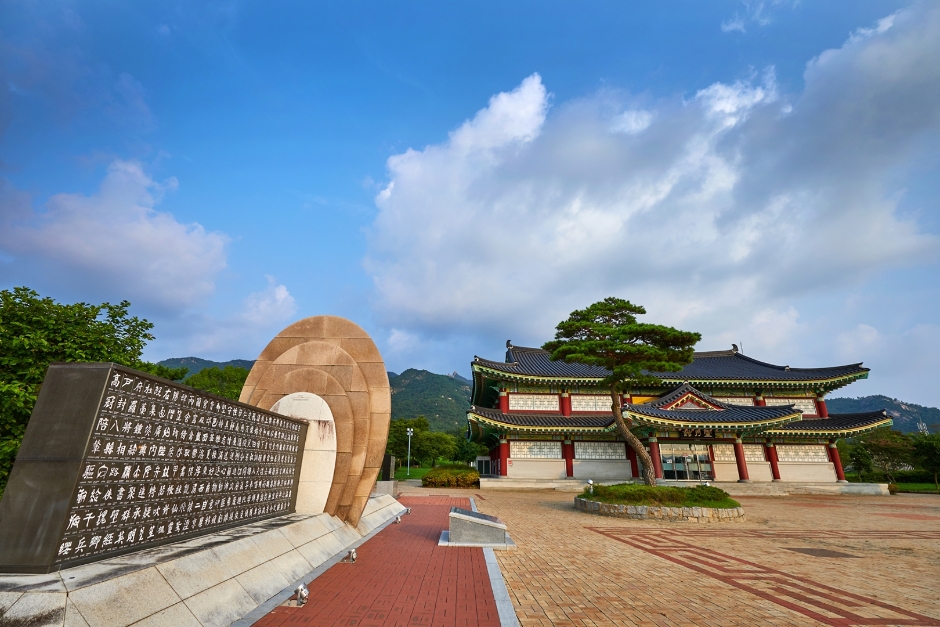
Historical Site of Wangin (왕인박사 유적지)
17.3Km 2024-01-10
440 Wangin-ro, Yeongam-gun, Jeollanam-do
The hometown of Wangin Baksa (Wangin the Great Scholar) is located at the foot of Munpilbong Peak to the east of Gurim Village. Due to Wangin’s importance and contributions to Korean history, this historical attraction is preserved and maintained in honor of his memory and achievements.
Seonggidong is the official birthplace of Wangin (marked by the Yuheobi memorial monument) and is also home to Seongcheon, the well Wangin is believed to have drunk from. Halfway up Wolchulsan Mountain are Chaekgul, Munsanjae and Yangsajae where Wangin is said to have studied as well as nurtured local pupils. To commemorate the significance of these areas, a memorial is held every March at Munsanjae and Yansanjae.
In front of Chaekgul is a statue of Wangin which is said to symbolize his benevolent character. Just west of Seonggidong is Doljeonggogae, a hill from which it is believed Wangin made a sorrowful look back at his countrymen before leaving for Japan.
Wangin departed for Japan from Sangdaepo, which at the time was an international trading port. The renowned Baekje scholar was beginning his journey at the request of Japanese Emperor Eungshin. He took with him ten books on the Analects of Confucius and a book of Cheonjamun, a text of one thousand Chinese characters. Over time, he earned the trust of the emperor and became instructor to the crown prince. Wangin is well-known for his part in the development of Japanese culture and his name appears often in Japanese history. Wangin educated beyond textbooks and made great contributions to the development of arts, crafts and music and is revered as the originator of Japan’s Asuka culture.
This historic site was originally reconstructed from 1985 to 1987 and is continually receiving improvements to improve accessibility for visitors.
Yeongam Wangin Culture Festival (영암왕인문화축제)
17.5Km 2025-07-11
440 Wangin-ro, Yeongam-gun, Jeollanam-do
+82-61-470-2347
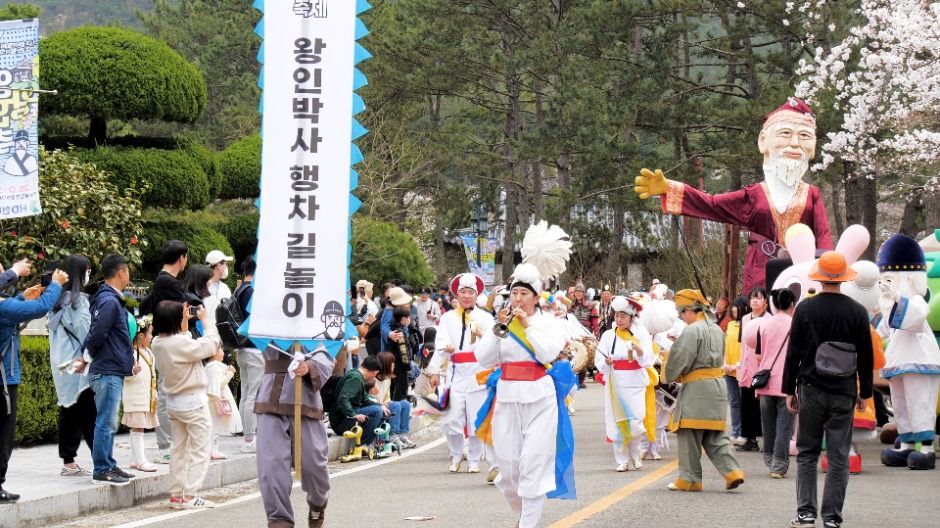
The Yeongam Wangin Culture Festival is a local event held to honor the birth of the Baekje scholar Wangin and his achievements. The festival’s main event is the parade. With the dance troupe leading the procession, the Pungmul troupe and Yeongam-gun residents follow in the dance, playing musical instruments and waving flags. The parade takes visitors to historical sites where traces of the scholar remain. The festival reinterprets Wangin’s humanistic values through modern perspectives, featuring major content utilizing letters and typography. It also highlights the craftsmen (ceramics, tile, and Buddhist artisans) who, along with Wangin, influenced the Asuka culture in Japan. The festival is praised for showcasing the social, political, and economic changes in Japan initiated by Wangin’s visit to Japan, making it one of Korea’s prominent humanities festivals.

Naju National Museum (국립나주박물관)
17.8Km 2022-02-04
747, Gobun-ro, Naju-si, Jeollanam-do
+82-61-330-7800
Naju National Museum displays artifacts found near the Yeongsangang River region and preserves artifacts excavated from throughout the Jeolla region.
While most national museums are found within the city, Naju National Museum is the first national museum to be located in a rural countryside. Its location provides a perfect relaxing atmosphere for visitors to take time and appreciate what the museum has to offer.
Although the museum may be isolated from urban cities, it uses modern technology to provide convenient museum experience. Naju National Museum is the first national museum to integrate NFC features within smart phones with the exhibition guide system for all exhibition halls. This integrated feature acts as a means to provide communication both ways, as visitors can receive information guides and upload them on social media via smart phones.
In addition to the collection of artifacts, the open-type storage rooms and the hands-on activities offered at the experience center provide opportunities to personally witness and experience the process of preservation and storage of cultural assets.
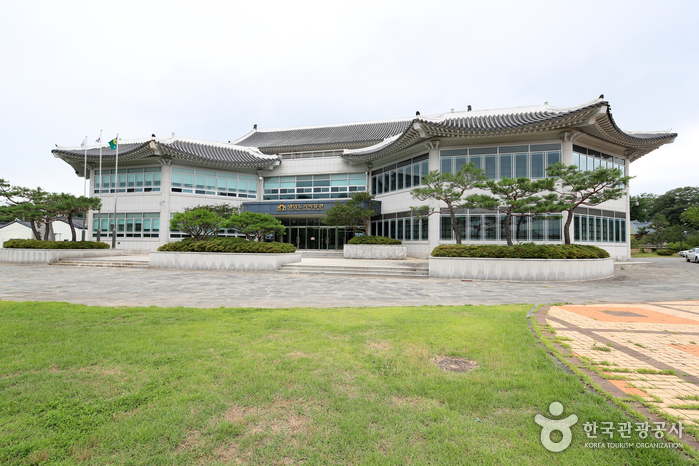
Yeongam Pottery Museum (영암도기박물관)
18.1Km 2025-01-09
5, Seohojeong-gil, Yeongam-gun, Jeollanam-do
+82-61-470-6851
Yeongam Pottery Museum is dedicated to promoting the history of pottery in Korea, starting from the oldest known pottery coming from Gurim Village. Visitors can learn about the history of this art form through exhibitions, educational programs, and hands-on experiences. Locally produced pottery is also available for sale. Nearby attractions include the Wangin Historic Site and Ha Jung-woong Museum of Art.
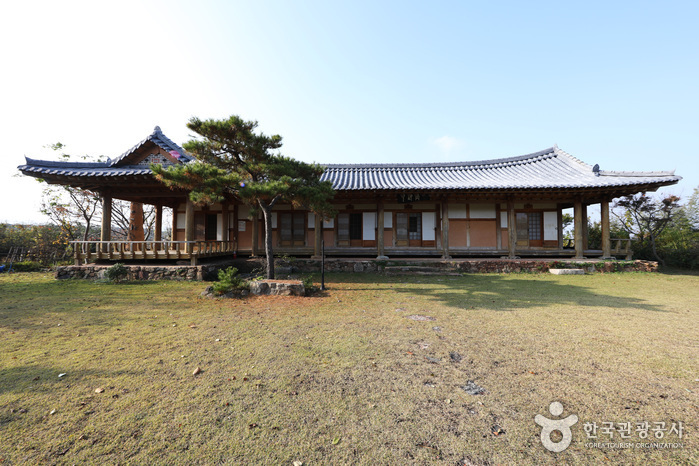
Worlindang (월인당)
18.2Km 2024-08-05
37-11 , Mojeong 1-gil, Yeongam-gun, Jeollanam-do
+82-61-471-7675, +82-10-6648-7916
Wolindang hanok stay in Mojeong Haengbok Village, Yeongam-gun, Jeollanam-do, is a year-round great spot for full moon watchers. Its traditional hanok features include red clay walls, daecheong (hall), ondol underfloor heating, and a numaru or upper floor - where visitors can take their tea. Outside is a fireplace for sweet potato baking or barbecues. Residents can enjoy a tea ceremony or sample natural dyeing or making red bean kalguksu (hand-cut noodle soup). The large grassy yard is decorated with interesting murals, and is often the site of outdoor ball games.
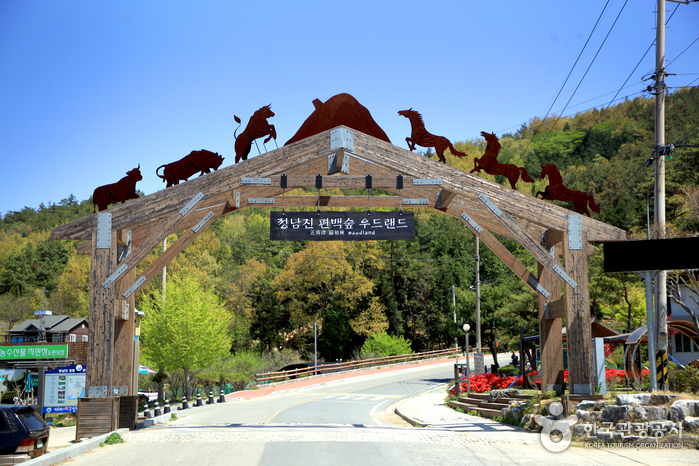
Jeongnamjin Cypress Forest Woodland (정남진 편백숲 우드랜드)
19.2Km 2025-10-23
180, Woodland-ro, Jangheung-gun, Jeollanam-do
+82-61-864-7911
Jangheung Jeongnamjin is an ecological village situated next to mountains, the sea, and the river. The Jeongnamjin Cypress Forest Woodland is the best spot in the area to enjoy the refreshing air and a forest full of tall, 40-year-old cypress trees. Sitting at the foot of Eokbulsan Mountain overlooking downtown Jangheung-eup, the Jeongnamjin Cypress Forest Woodland is home to the Wood Culture Experience Hall, beautiful lodging facilities, including hanoks (traditional Korean houses), the Jeonnam Woodcraft Center, the Ecological Building Experience Site, Forest of Therapy, and the Cypress Salt House (traditional Korean sauna).
Yehyang (예향)
19.4Km 2024-02-19
11-1 Boeun-ro 3-gil, Gangjin-eup, Gangjin-gun, Jeollanam-do
061-433-5777
Yehyang is a traditional Korean table d'hote restaurant that originated in 1930 on Yeongrang-ro in Gangjin. They offer set menus such as ye jeongsik, hyang jeongsik, and surasang, all served based on a portion size for four people. Using natural ingredients, they provide healthy and flavorful meals with dishes like hongeo samhap (skate, pork, and kimchi combo), tteokgalbi (grilled galbi patties), and bori gulbi (barley-aged dried yellow croaker).
Haetae Sikdang (해태식당)
19.6Km 2024-02-16
6 Seoseongan-gil, Gangjin-eup, Gangjin-gun, Jeollanam-do
Haetae Sikdang specializes in Namdo-style hanjeongsik (Korean table d'hote), with the Haetae jeongsik (Haetae set menu) being the sole offering on its menu. This nutritious array of dishes is prepared using ingredients sourced from the rich natural environment of Gangjin. The selection of food varies seasonally, featuring Gangjin daehap (hard clams) in spring, minmul jangeo (freshwater eel) in summer, jeoneo (gizzard shad) and odori (raw shrimp) in autumn, and maesaengiguk (seaweed fulvescens soup) in winter, ensuring a diverse and fresh dining experience throughout the year.
 English
 한국어
한국어 日本語
日本語 中文(简体)
 Deutsch
 Français
 Español
 Русский


