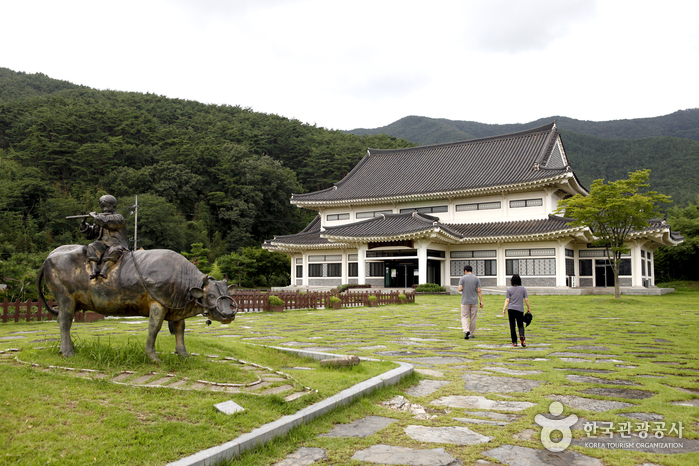
Korea Gasa Literature Collection (한국가사문학관)
17.5Km 2021-09-07
877, Gasamunhak-ro, Damyang-gun, Jeollanam-do
+82-61-380-2701
The Gasa Literature Collection was completed in October 2000 and is located in Damyang, Jeollanam-do, an area which is famous for its fertile land and rich historical heritage. Apart from the main building, additional buildings include a souvenir shop, and traditional tea house. In the museum, historical literature such as “Myeonangjip” (a collection of Gasa poems by Song Sun) and “Songgangjip,” (a collection of Gasa poems by Jeong Cheol) are on display. There are 11,461 artifacts and literature on Gasa culture, 18 Gasa works, and 15,000 books about Gasa.
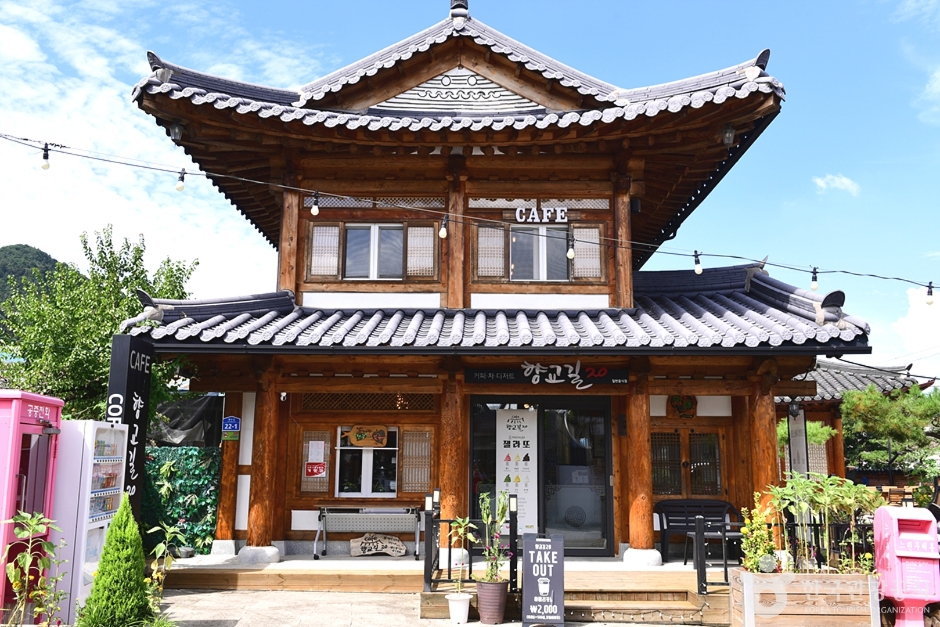
Hyanggyo-gil 20 Café (향교길20카페)
17.6Km 2024-02-19
22-1 Hyanggyo-gil, Naju-si, Jeollanam-do
Hyanggyo-gil 20 Café is a hanok café located along the Hyanggyo-gil street in Naju. Visitors can enjoy beverages in a space that preserves the beauty of tradition through the renovation of hanok architecture. One of its signature items is the Naju bae ssalppang (Naju pear-shaped rice bread), a gluten-free dessert made by filling a rice dough, incorporating Naju pears, with cream. It pairs wonderfully with traditional Korean beverages such as hongsam ssanghwacha (red ginseng medicinal herb tea) and daechucha (jujube tea).
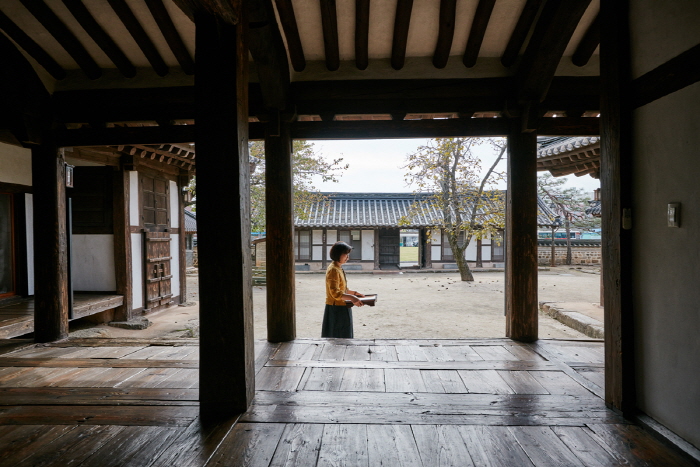
Naju Moksanaea (나주목사내아)
17.6Km 2021-09-30
13-10, Geumseonggwan-gil, Naju-si, Jeollanam-do
+82-61-332-6565
Naju Moksanaea was the private residence of Naju's moksa, the title of highest official in the region. This traditional hanok house was built in 1825 and follows the traditional hanok design of a wealthy aristocrat. It is recognized as Jeollanam-do Cultural Hertiage Material.
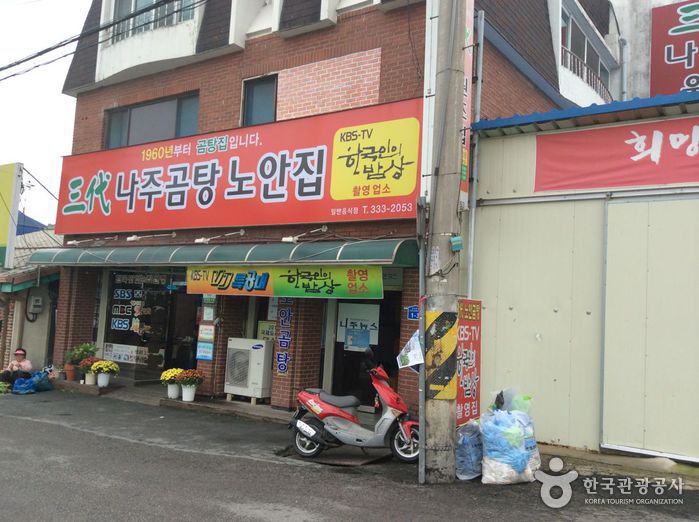
Naju Gomtang Noanjip (나주곰탕노안집)
17.7Km 2024-02-19
1-3 Geumseonggwan-gil, Naju-si, Jeollanam-do
061-333-2053
Naju Gomtang Noanjip started as a rice soup restaurant in 1963 and has become famous nationwide for its Naju gomtang (Naju beef bone soup) specialty. The gomtang at the restaurant is boiled for several hours, resulting in a rich and flavorful broth combined with tender beef. As a local favorite, it is located in Naju Beef Bone Soup Street, making it easily accessible.
Pyeongchon Ceramics Workshop (평촌도예공방)
17.7Km 2024-11-14
77 Damanpyeongmu-gil, Buk-gu, Gwangju
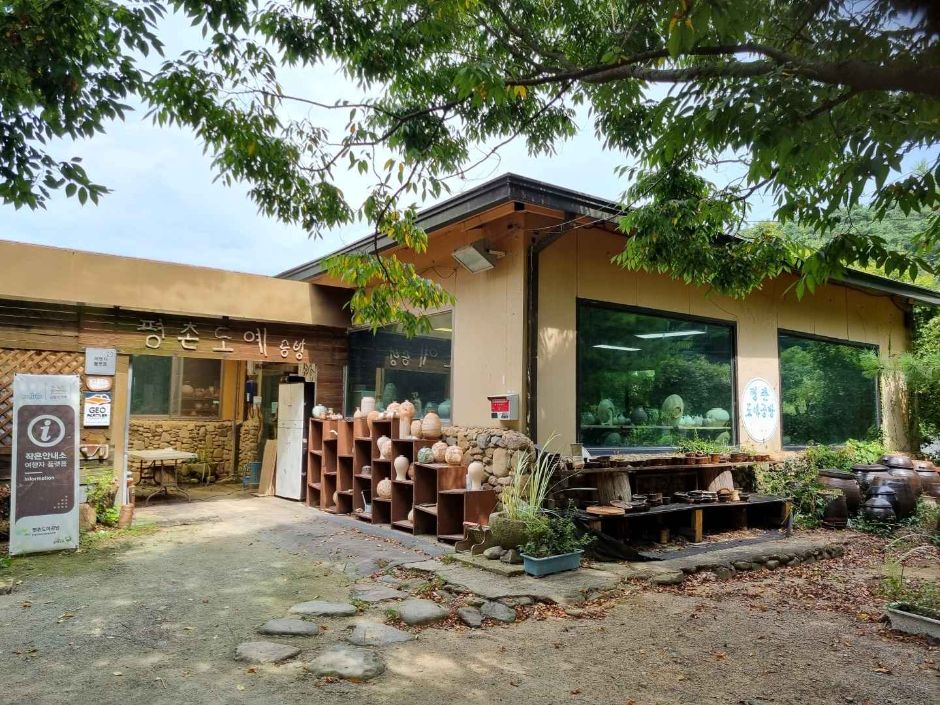
The Pyeongchon Ceramics Workshop keeps the spirit of traditional Korean Buncheong pottery alive by offering an experiential learning space and hands-on programs that blend classic Korean and contemporary styles. Visitors can create unique pieces that capture the rustic beauty of tradition while keeping the modern flair.
3917Majung (3917마중)
17.7Km 2024-12-23
42-16 , Hyanggyo-gil, Naju-si, Jeollanam-do
+82-61-331-3917
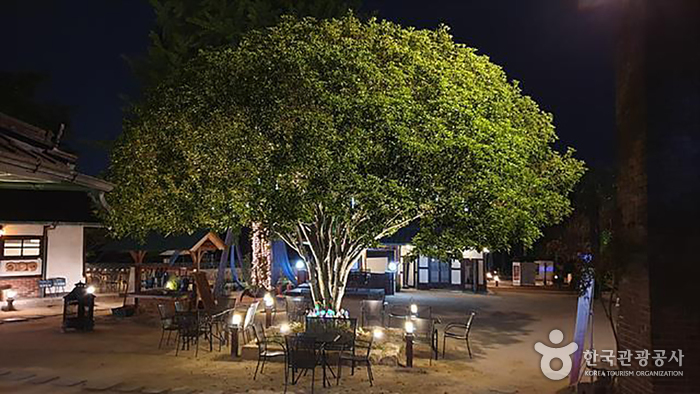
3917 Majung is a Japanese- and Western-style hanok commonly seen in the late Korean Empire period, in Naju, Jeollanam-do, which combines a cafe, cultural space and hanok stay. The 3.2 acre site contains four buildings, with a mixture of ondol rooms, tatami rooms, daecheong floors and numaru lofts. Some buildings have bathrooms installed, some share outdoor bathrooms. All four buildings are let as private houses.
Gwangju Pyeongchon Village (광주 평촌마을)
17.9Km 2025-08-12
15 Pyeongchon-gil, Buk-gu, Gwangju
+82-62-266-2287
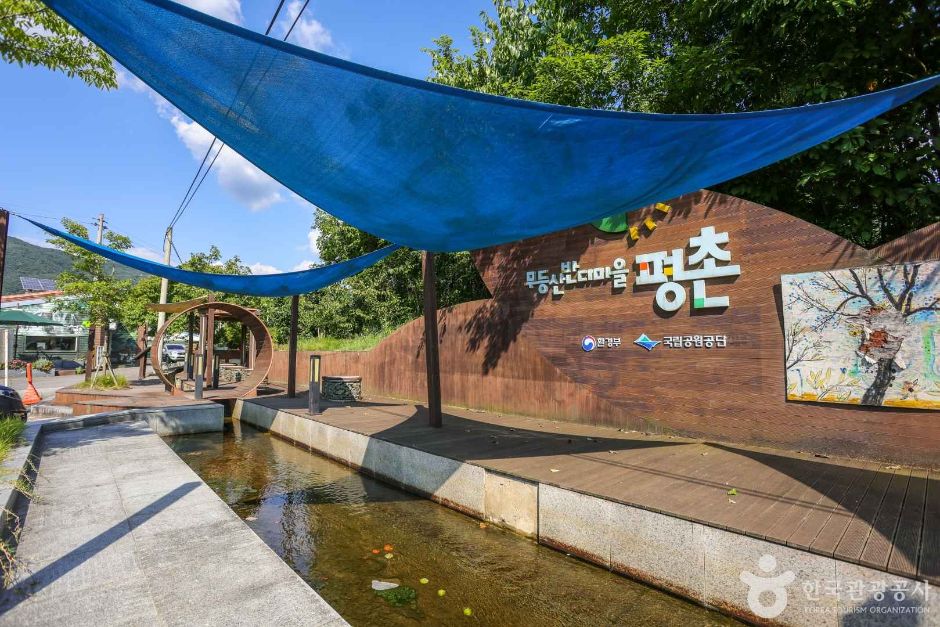
Gwangju Pyeongchon Village, located north of Mudeungsan Mountain, is a cozy farming village made up of four villages Dongrim, Daman, Woosung, and Dangmoe. The village still has an excellence natural preservation, growing environmental-friendly rice in the fields and Punamcheon stream that runs through the middle of the village is home to fireflies and otters. The village also keeps the tradition of making pottery as the village was the place that made grayish-blue-powdered celadon during the Joseon dynasty. The village street corner offers visitors to Mudeungsan Mountain a place to rest with Mudol-gil shelter and Bandi lodging.

Soswaewon Garden (담양 소쇄원)
18.1Km 2023-01-04
17, Soswaewon-gil, Damyang-gun, Jeollanam-do
+82-61-381-0115
Soswaewon Garden is a private garden from the Joseon period where Korea's traditional beauty is preserved. It was built by Yang San-Bo (1503-1557) after he gave up his success when his mentor Jo Gwang-Jo (1482-1519) was killed during political strife. Soswaewon Garden presents itself as a clean and transparent garden where the righteous enjoy the life of anbinnakdo (being comfortable amid poverty and taking pleasure in an honest lifestyle) surrounded by a bamboo grove.
Including peach trees, various kinds of trees and grass are planted on both sides of the stream while clear water flows down the foot of the garden walls. The log bridge above the valley adds to the charm of the scenery. The harmony between nature and the artificial waterfall is a sight to behold. Soswaewon Garden is 150 meters away from the main road. Passing through the thick bamboo forest, you will find the small valley and Soswaewon Garden on your left.
Myeonangjeong Pavilion (면앙정)
18.5Km 2025-01-09
382-11 Myeonangjeong-ro, Damyang-gun, Jeollanam-do
+82-61-380-2811
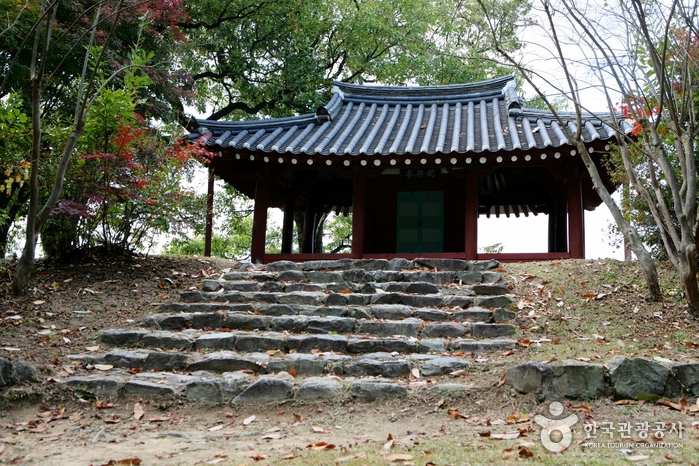
Myeonangjeong Pavilion is located on the slopes of Jebongsan Mountain in Damyang-gun. The pavilion was constructed in 1533 by Song Sun (1493-1583), who built it as a place for writing poems. After its construction, the pavilion served as a meeting place for scholars and intellectuals and was even frequented by Lee Hwang (1501-1570), a representative Confucian scholar who is pictured on the 1,000 won bill.
The roof of Myeonangjeong Pavilion was originally made of reeds, straw, grass and other materials which could not withstand the elements. After several repairs, the building was developed into the wooden structure that it is today.
From the back of the pavilion, you can see the mountain range and open wide fields; renowned scholars’ poems are engraved on the wooden panels that decorate the pavilion walls.
Mopyeong Village (모평마을)
19.2Km 2022-11-11
80, Sangmo-gil, Hampyeong-gun, Jeollanam-do
+82-61-320-1783
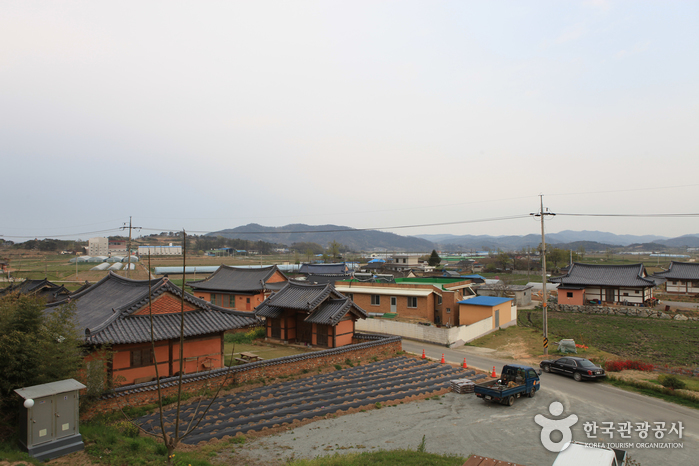
Located in Hampyeong-gun, Jeollanamdo, Mopyeong Village is a scenic farming village that is rich in tradition and history. From the moment you start walking down the stonewall-lined path into town, this small village will capture your heart. The village’s important history (including its title as the origin of Hampyeong-gun of Jeollanam-do Province) is evident in everything you see: from the traditional houses to the 500-year old forest. The area is home to 27 historical and cultural sites and the beautiful Haebochoen Stream, which is shaded by over 40 different types of trees including zelkova trees, nettle trees, and willow trees. Some of the town’s traditional houses, which are about 80 years old, offer guesthouse accommodations to tourists. They include Mopyeongheon, Sopungga and Hisomun (a house made of yellow sod).
In addition to the beautiful country scenery, there is a great selection of available programs that highlight the area’s specialties, including: mulberry-picking, silkworm-feeding and Korean traditional sauce-making. You can also visit a traditional watermill, which has been restored, and swim and splash around in the forest stream. Visitors are encouraged to try their hand at making green tea cakes at the traditional teahouse nearby.
The area of Mopyeong is full of things to entertain visitors, including a number of attractions and special events. Some of the area’s most praiseworthy attractions are the Hampyeong Butterfly Festival, the Cluster Amaryllis Festival in Yongcheonsa Temple, the Chrysanthemum Festival, and the Hampyeong Eco Park and Folk Museum.
Other towns well worth a visit in the Mopyeong area are Hamo Maeul, Ungok Maeul and Wonsan Maeul. A stay at Wonsan Maeul gives visitors a chance to experience firsthand the reality of an agricultural lifestyle by doing some activities like mulberry-picking. For a more low-key trip, make your way over to Ungok Maeul, where you can enjoy the fantastic scenery at the lake or take a relaxing walk along the hiking trails of Mt. Wolyangsan.
 English
 한국어
한국어 日本語
日本語 中文(简体)
 Deutsch
 Français
 Español
 Русский


