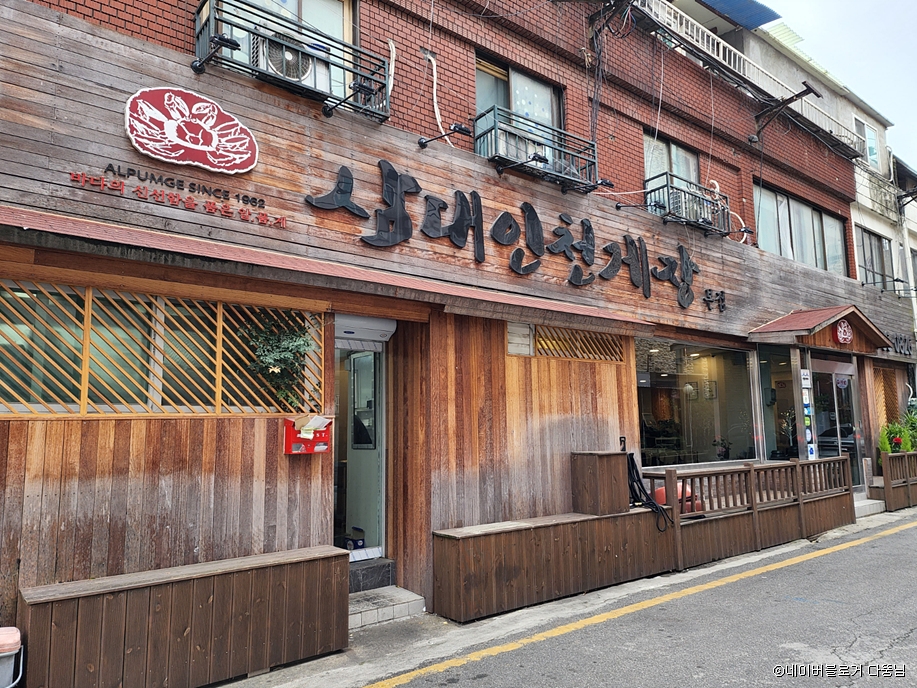
Samdae Incheon Gejang (삼대인천게장)
19.2Km 2025-10-31
22 Geumgok-ro 81beon-gil, Dong-gu, Incheon
Established in 1962, this restaurant has been serving gejang for nearly sixty years and is now in its third generation (“sam-dae“) of family ownership. It uses blue crabs from Yeonpyeongdo Island and traditionally crafted and aged soy sauce. The restaurant employs a low-sodium method in its ganjang gejang (soy sauce marinated crab), highlighting the dish’s savory flavors.
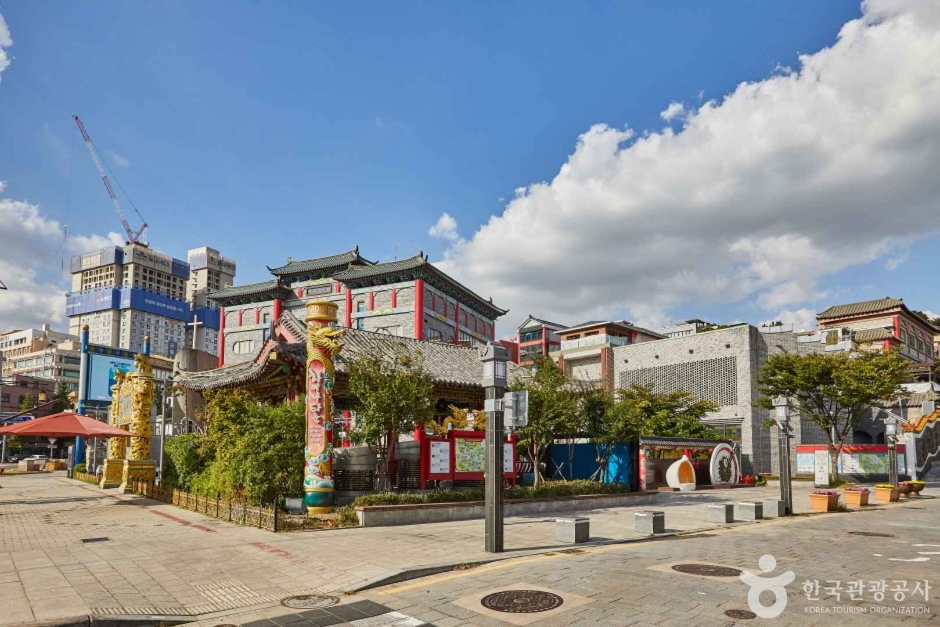
Incheon Chinatown (인천 차이나타운)
19.2Km 2025-10-23
20 Chinatown-ro 59beon-gil, Jung-gu, Incheon
Incheon's Chinatown came into being with the opening of Incheon Port in 1883 and Incheon's designation as an extraterritoriality of the Ching dynasty in the following year. In the past, the area held many stores trading goods imported from China, but currently most Chinese businesses in the area are restaurants. Today, the residents of Chinatown are mostly 2nd or 3rd generation Chinese, descendents of the early Chinese settlers. The area harbors many of the flavors of China, while the traditional culture of the first generation is preserved.
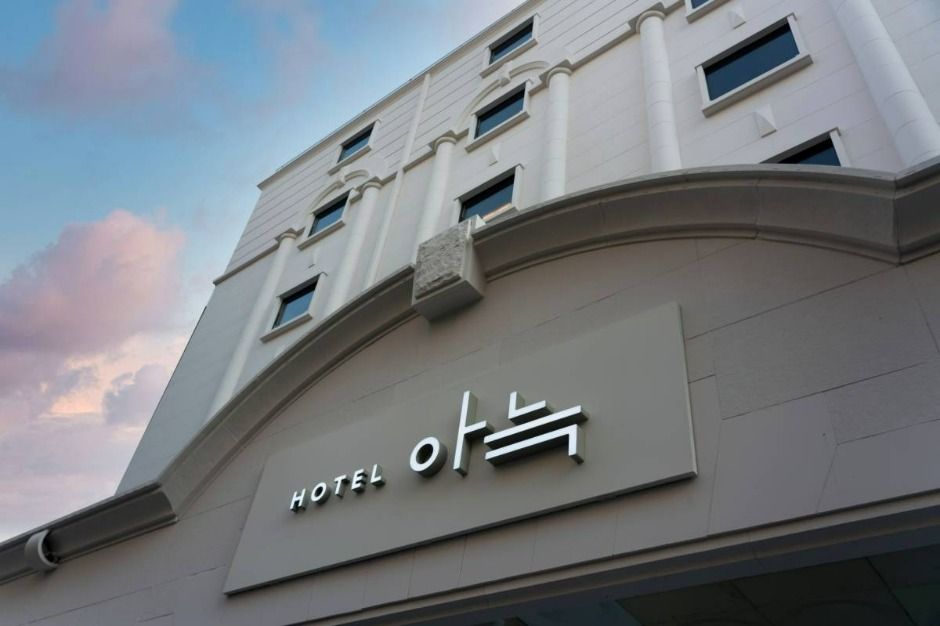
The Hyoosik Aank Hotel Incheon Bupyeong (더휴식 아늑호텔 인천 부평점)
19.2Km 2025-04-08
18-8 Gyeongwon-daero 1417beon-gil, Bupyeong-gu, Incheon
The Hyoosik Aank Hotel Incheon Bupyeong offers a variety of room types focusing on a specific theme for both leisure and relaxation, such as a deep sleep room with a premium massage chair, a singing room with noraebang equipment and soundproof walls, a deluxe couple room with two high-end gaming PCs, a movie room with a beam projector, a spa room with a tile tub, a party room, a twin bedroom, and a regular standard room. The hotel also has a parking lot and a guest lounge.
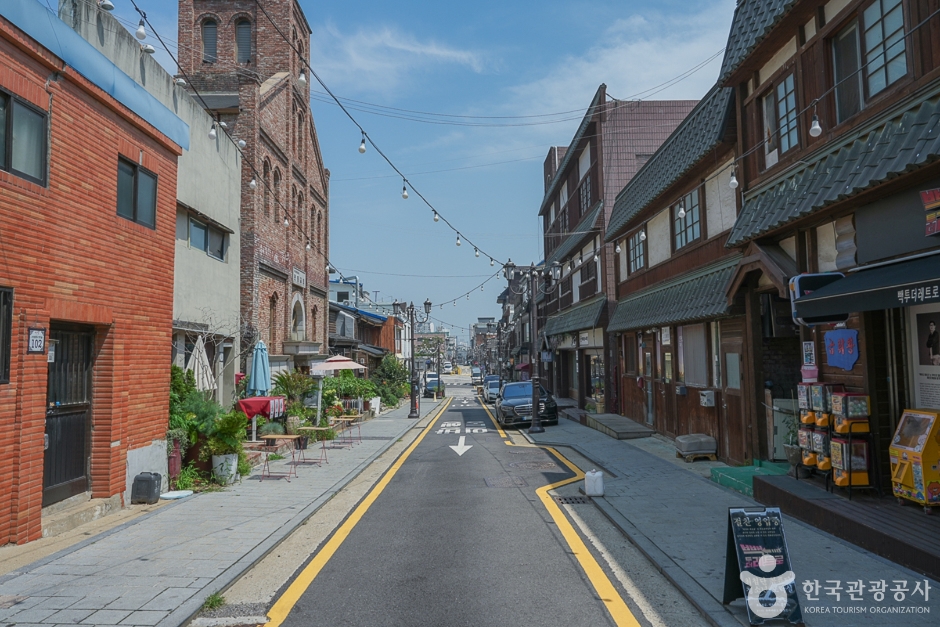
Incheon Japanese Street (인천일본풍거리)
19.2Km 2024-02-16
Gwandong 1(il)-ga, Jung-gu, Incheon
Incheon Japanese Street, established following the opening of Incheon and Jemulpo Ports in 1883, was home to the Japanese concession. It preserves several Japanese-style wooden houses and stone structures from that era. These wooden houses, designed in the distinctive style of Japanese architecture where a storefront is integrated into the residential building, have been renovated and are now serving as cafés and exhibition halls. Nearby, visitors can also explore Incheon Chinatown and the Gaehangjang (Open Port Area) Street.
Wolmido Island (월미도)
19.2Km 2023-11-08
36 Wolmimunhwa-ro, Jung-gu, Incheon
+82-32-765-4169
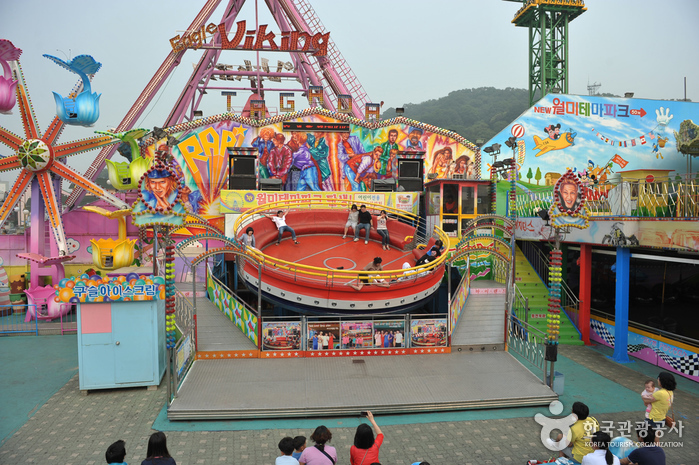
Wolmido Island has very few historical records, despite being the location of a temporary palace, built in 1653 during the reign of King Hyojong. The palace was built on the eastern side of the island, but it is impossible to find traces of it now. From the late 1920s until the '30s, the island was transformed into a resort, a very popular destination at the time. Wolmi Culture Street opened in July 1989 and helped improve the area's fame.
On weekends and holidays, people flock to Wolmido Island to enjoy coffee and fresh seafood at the cafes and restaurants overlooking the sea. Despite being 1 kilometer off the coast, Wolmido is no longer an island, being connected to the mainland through modern construction techniques. It is now an easily accessible retreat for locals and tourists alike.
![Lotte Mart - Bupyeong Station Branch [Tax Refund Shop] (롯데마트 부평역점)](http://tong.visitkorea.or.kr/cms/resource/34/2882434_image2_1.jpg)
Lotte Mart - Bupyeong Station Branch [Tax Refund Shop] (롯데마트 부평역점)
19.2Km 2024-04-22
16, Gwangjang-ro, Bupyeong-gu, Incheon
-
![Lotte Himart - Bupyeong Station Branch [Tax Refund Shop] (롯데하이마트 부평역점)](http://tong.visitkorea.or.kr/cms/resource/40/2882440_image2_1.jpg)
Lotte Himart - Bupyeong Station Branch [Tax Refund Shop] (롯데하이마트 부평역점)
19.2Km 2024-04-23
16, Gwangjang-ro, Bupyeong-gu, Incheon
-
![Artbox - Bupyeong Station Branch [Tax Refund Shop] (아트박스 부평역사)](http://tong.visitkorea.or.kr/cms/resource/35/2882435_image2_1.jpg)
Artbox - Bupyeong Station Branch [Tax Refund Shop] (아트박스 부평역사)
19.2Km 2024-04-23
5, Seolleung-ro 162-gil, Gangnam-gu, Seoul
-
Daebul Hotel Exhibition Hall (대불호텔전시관)
19.2Km 2025-10-23
101 Sinpo-ro 23beon-gil, Jung-gu, Incheon
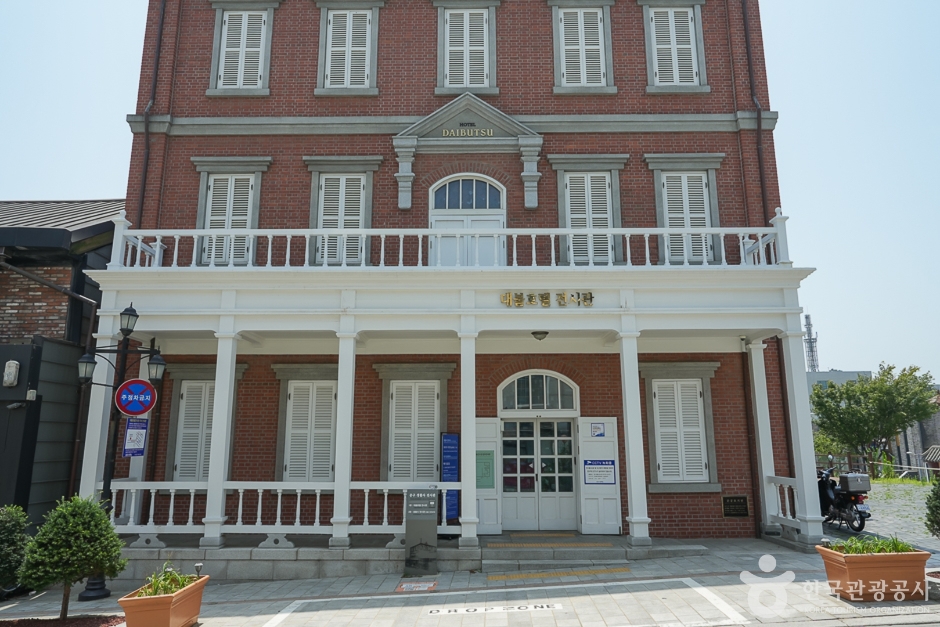
This museum is located on the site of Daebul Hotel, Korea's first Western-style hotel, established in 1889. The hotel was demolished in 1978, but parts of the hotel structure were discovered in 2011 and rebuilt to preserve the hotel's original appearance. The first floor is the Daebul Hotel Exhibition Hall, through which visitors can see traces of Daebul Hotel at the time. The second floor is the Jung-gu Life History Museum, where visitors can get a glimpse of life in Incheon's Jung-gu area in the 1960s and 1970s.
Korean-Chinese Cultural Center (한중문화관)
19.2Km 2021-02-26
238, Jemullyang-ro, Jung-gu, Incheon
+82-32-760-7860
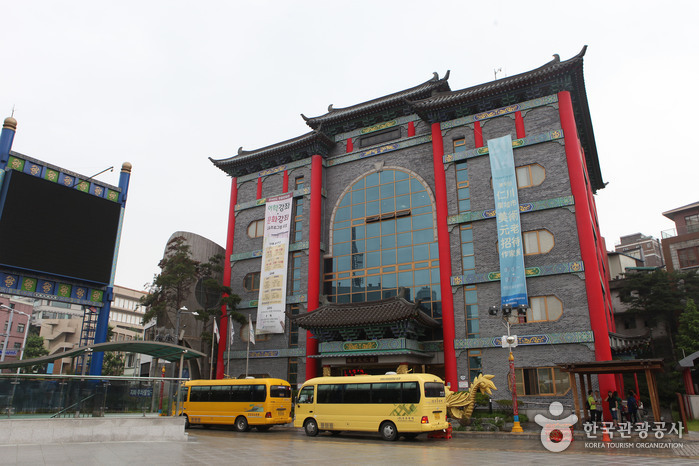
The Korean-Chinese Cultural Center, located within Incheon Chinatown, was built to facilitate mutual understanding between Korea and China by learning more on each other's culture, history, economy and society. Diverse performances are available, along with special exhibitions, and Chinese cultural lectures. The Chinese cultural experience corner and reading room on Korean-Chinese history & culture are put in place for visitors to enjoy while learning. In addition, on the weekends, Chinese language classes for Koreans, Korean language classes for foreigners, free movie screenings, and other exhibits are also available.
 English
 한국어
한국어 日本語
日本語 中文(简体)
 Deutsch
 Français
 Español
 Русский


