Eulsukdo Cultural Center (을숙도문화회관)

Explanation

Consists of a big and small performance theater, outdoor playground, exhibition halls and other integrated cultural arts performance space, the Eulsukdo Cultural Center was established in a harmonious blend of nature and culture. With the wide grass fields against magnificent architecture, as well as various art sculptures and pond rest areas, this is a great cultural space for residents to take a rest while enjoying the nature. * Opening Date: October 5, 2002


Inquiry

+82-51-220-5811


Homepage

www.saha.go.kr/eulsukdo (Korean only)


Information Use

Capacities : Big Performance Theater: 708 seats, Small Performance Theater: 242 seats

Contact and Information : • 1330 Travel Hotline: +82-2-1330
(Korean, English, Japanese, Chinese)
• For more info: +82-51-220-5811

Parking facilities : Available (about 606 slots, including nearby parking slots)

Parking Fees : * For regular visitors, 100 won for every 10-min (1-hour: 600 won, 1-day: 2,400 won)
※ Excluding buses or large-sized vehicles

* For visitors watching performances, 3 hours of free parking available
※ Verification of parking coupon required after performance

Day off : Open all year round (Exception: Closed on Mondays and day of center's maintenance day)

Charges : Vary according to performance.

Scale : * Total area: 33,058㎡

* Building Area & Scale:
- Big Performance Theater, Exhibition Management Building: 8,579㎡ (1 basement, 2 above ground levels)
- Small Performance Theater: 1,651㎡ (2 above ground levels)
- Outdoor Performance Theater: 704㎡
- Exhibition Halls (1,2,3) : 457.38㎡

Touring Time : Vary according to performance.


More information

Industry Information
Establishment of exhibitions or peformances, or for holding cultural lectures

Collections Status
Sculpture Park has about 20 pieces from the 2004 Busan Biennale

Reservations
Online reservations available via official website (vary according to performances).

General Overview
Main Hall Management: +82-51-220-5811

Reservation for Foreigners
Online reservations available via official website (vary according to performances).

Location

25, Nakdongnam-ro 1233beon-gil, Saha-gu, Busan
Little Prince House (감천문화마을 어린왕자 전시관)

Little Prince House (감천문화마을 어린왕자 전시관)

2026-03-12

200 Gamnae 1-ro, Saha-gu, Busan

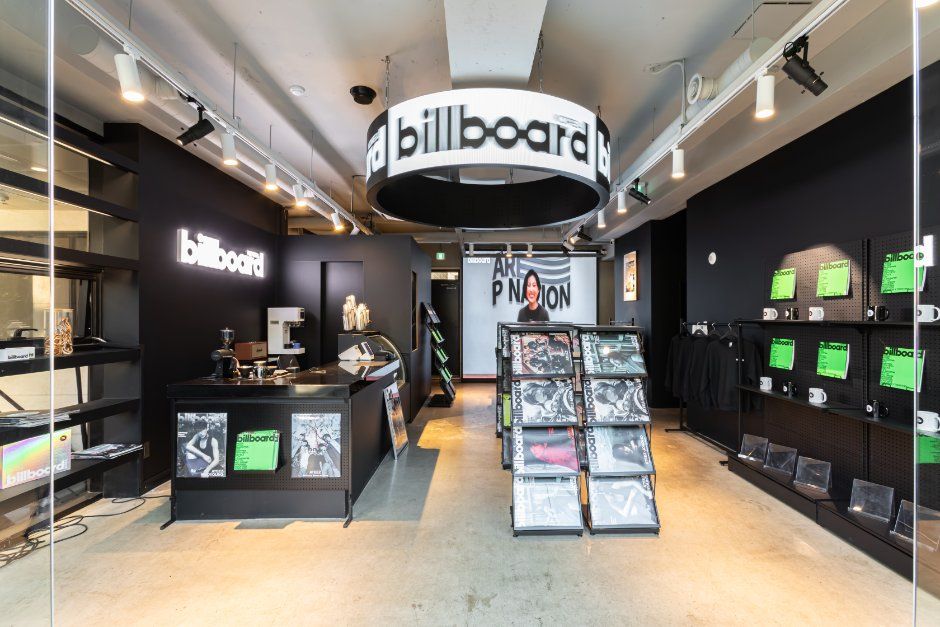
Little Prince House in Gamcheon Culture Village, Busan, was established by the Succession Antoine de Saint-Exupéry in collaboration with Gamcheon Culture Village. As the only exhibition hall in Korea dedicated to "The Little Prince," it invites visitors to explore Saint-Exupéry’s philosophy through immersive displays, photo zones, and experiential exhibits inspired by the story’s iconic themes.

Chungju Museum (충주박물관)

Chungju Museum (충주박물관)

2026-03-11

112-28 Jungangtap-gil, Jungangtap-myeon, Chungju-si, Chungcheongbuk-do

Chungju Museum was established with the purpose of preserving academic research and artifacts of the Korea's central inland cultural region and realizing a museum that engages with citizens through various events such as special exhibitions. It is composed of the first exhibition hall, the second exhibition hall, and outdoor exhibition spaces. The first exhibition hall displays Buddhist relics, such as those related to Mireukdaewon Stone Temple Site and the second exhibition hall focuses on materials excavated from the Chungju area, showcasing the historical characteristics from the prehistoric era to the Unified Silla period. In particular, the exhibition of the Chungju Goguryeobi Monument and the Danyang Jeokseongbi Monument demonstrates that the Chungju area was a strategic location during the Three Kingdoms period.

Exhibition Hall of Chungju Goguryeo Monument (충주고구려비전시관)

Exhibition Hall of Chungju Goguryeo Monument (충주고구려비전시관)

2026-03-11

2319 Gamno-ro, Jungangtap-myeon, Chungju-si, Chungcheongbuk-do

Opened in 2012, the Exhibition Hall of Chungju Goguryeo Monument is the only place in Korea where visitors can see the Goguryeobi Monument, a stone stele from the ancient Goguryeo Kingdom. Chungju was once a strategic stronghold, controlling key mountain passes and the Namhangang River. The monument provides evidence of Goguryeo’s occupation of the area for more than 70 years. Although it had long stood in Ipseok Village, its historical significance was not recognized until 1979. It is believed to have been erected after King Jangsu expanded Goguryeo’s territory into the Namhangang River basin. Beyond the monument itself, the exhibition hall presents Goguryeo’s history, culture, legends, and daily life, as well as information on the monument’s discovery and other major Goguryeo relics.

Jangmi Gallery (장미갤러리)

Jangmi Gallery (장미갤러리)

2026-02-20

232 Haemang-ro, Gunsan-si, Jeonbuk-do

Jangmi Gallery was originally built during the Japanese colonial period and was renovated in 2013 into a cultural art space. Its name comes from “jangmi” (藏米), meaning “stored rice,” referring to Jangmi-dong—an area once used as a granary for rice collected and shipped to Japan through Gunsan Port during the colonial era. Large warehouses were built near the port to gather grain from the Honam and Chungcheong regions before export. Although the name Jangmi-dong is no longer used as an official administrative district, the history remains embedded in the area. Today, the gallery’s first floor operates as a hands-on learning center offering craft programs such as making coasters, scented candles, wooden necklaces, and personalized handkerchiefs, popular with children, families, and international visitors. The second floor serves as an exhibition hall, hosting memorial and special exhibitions by Korean artists. Adjacent to the gallery is the 77-seat performance hall, created by renovating a former rice warehouse used in the 1930s, and now used for cultural performances and events.

Cheongju Arts Center (청주예술의전당)

Cheongju Arts Center (청주예술의전당)

2026-01-29

69 Heungdeok-ro, Seowon-gu, Cheongju-si, Chungcheongbuk-do

The Cheongju Arts Center hosts a wide range of cultural events for both residents and visitors, covering diverse genres and themes such as opera, ballet, musicals, symposia, and more. The center features a large and a small performance hall, large and small exhibition rooms, and a large conference room, along with convenient facilities such as a children’s playroom.

Unbo’s House (운보의 집)

Unbo’s House (운보의 집)

2026-01-29

92-41 Hyeongdong 2-gil, Naesu-eup, Cheongwon-gu, Cheongju-si, Chungcheongbuk-do

Unbo’s House, built at the foot of a mountain, is the former residence where the late master of Korean painting, Unbo Kim Kichang, spent his later years. Passing through the elegant hanok gate and into the garden, visitors arrive at the beautifully preserved main house. The Unbo Art Museum displays artworks and personal artifacts of Unbo Kim Kichang and his wife, Park Rehyun. Recently, the site has also gained popularity as a filming location for dramas. It offers visitors a meaningful glimpse into the life and artistic world of Unbo Kim Kichang, who overcame hearing impairment to become a master of Eastern painting.

Neo Art Center (네오아트센터)

Neo Art Center (네오아트센터)

2026-01-29

37 Suam-ro, Sangdang-gu, Cheongju-si, Chungcheongbuk-do

The Neo Art Center supports the creative activities of young artists by planning exhibitions, fostering a community for artists and collectors, and providing market trend information. It serves as a cultural platform that naturally connects the production and consumption of culture in everyday life. The center features four indoor exhibition halls, an outdoor exhibition space, an outdoor performance venue, and the NEO Cafeteria, making it suitable for a wide range of multicultural events, including house weddings.

Mokpo Hall of Popular Music (목포 대중음악의 전당)

Mokpo Hall of Popular Music (목포 대중음악의 전당)

2026-01-29

34 Haean-ro 249beon-gil, Mokpo-si, Jeollanam-do

Mokpo Hall of Popular Music is a remodeled space of the former Honam Bank Mokpo branch. The space that was used as the administrative office on the first floor displays historical materials and videos related to the Honam Bank Mokpo branch, while the Modern Times space offers a VR experience where visitors can imagine and experience modern Mokpo and enjoy old songs. The Retro Cafe, an event hall, serves as a modern cultural experience space, equipped with a modern music cafe and a modern costume experience area. A media facade expressing Mokpo's modern cultural heritage is displayed along the exhibition hall walls. On the second floor, the exhibition highlights popular songs connected to Mokpo and introduces the city’s representative singer. By combining the atmosphere of the past with modern digital technology, the hall offers an enjoyable cultural experience for all ages.

INART Pyeongchang (이나트(INART) 평창)

INART Pyeongchang (이나트(INART) 평창)

2025-12-31

787 Olympic-ro, Daegwallyeong-myeon, Pyeongchang-gun, Gangwon-do

INART Pyeongchang is a permanent immersive media art exhibition venue opened in September 2025. Located within Mona Yongpyong Resort at the foothills of Balwangsan Mountain, the 4,000-square-meter media art space has been designed to present 16 diverse media art installations across 13 distinct zones. Conceived as an artistic space where light and imagination come together to awaken the senses, the exhibition features media art enhanced by sound and scent, inviting visitors into a richly sensory experience. From interactive exhibitions designed for leisurely exploration to quiet spaces for deep immersion, visitors embark on a shimmering artistic journey shaped by themes of discovery, magic, and the light of nature.

Ulsan Keunaegi House (울산큰애기집)

2026-01-29

28 Munhwaui-geori, Jung-gu, Ulsan

Ulsan Keunaegi House is a cultural complex that exhibits and sells tourism-related products. The first floor houses a tourist information center and a souvenir shop, while the second floor serves as an exhibition space decorated with themed props. The third floor is a photo studio, where visitors can rent retro costumes and enjoy unique photo sessions in a variety of styles with couples, friends, or family.