
Parque Jangchungdan (장충단공원)
1.5Km 2021-07-02
Dongho-ro 261, Jung-gu, Seúl
En noviembre de 1900, el emperador Gojong levanta un pequeño santuario (en el actual territorio donde se encuentra el Hotel Shilla) en memoria de los soldados que lucharon por la protección de la emperatriz Myeongseong (la emperatriz luego muere a manos de mercenarios japoneses). Durante la Guerra de Corea (1950-1953), el lugar fue destruido y solo pudo salvarse una lápida, que fue llevada hasta el parque en 1969.

Yangbandaek (양반댁)
1.6Km 2025-05-14
19-18, Insadong-gil, Jongno-gu, Seoul
Yangbandeck is a traditional Korean house in Insa-dong, serving ganjang gejang (soy sauce marinated crab) and bori gulbi (barley-aged dried yellow croaker). Theganjang gejang is made from crabs filled with roe, matured in soy sauce. The taste of barley-aged dried yellow croaker, made from dried yellow croaker matured in sea breeze and served on top of rice, is exceptional. Each meal comes with a hot pot rice, and side dishes such as soybean paste jjigae, pancakes, kimchi, and japchae are served as standard.
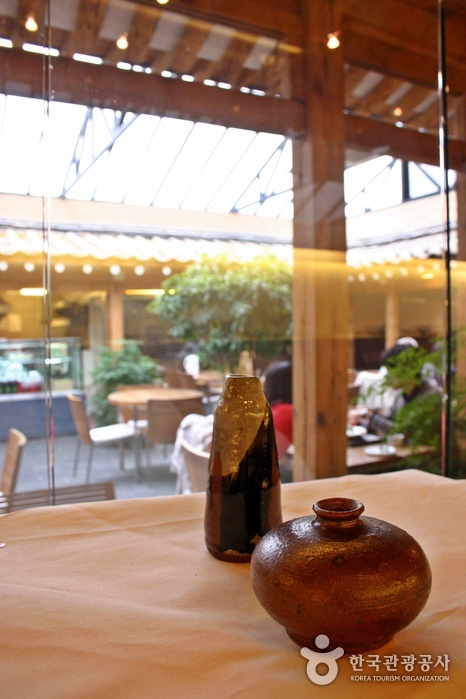
Museo del Té Areumdaun (Beautiful Tea Museum) (아름다운 차박물관)
1.6Km 2025-12-17
Insadong-gil 19-11, Jongno-gu, Seúl.
El Museo del Té Areumdaun es un espacio multicultural y comprende una galería que invita a descubrir obras de porcelana realizadas por jóvenes artistas, una tienda que propone alrededor de 110 tipos de té de Corea, China, Japón, Taiwán, Sri Lanka, India y países de Europa, y un salón para degustar un buen té. La sala de exposiciones se divide en tres secciones destinadas respectivamente a Corea, China y el Tíbet. Allí se exponen diversos estilos de servicios de té para tener una impresión de las características del arte del té de cada país. Asimismo, jóvenes artistas organizan exposiciones y ventas. El museo expone cerca de 130 tipos de té, podrá comprar o degustar diferentes variedades como té clásico, té verde, té azul, té negro, té a las hierbas, té a las flores, etc.
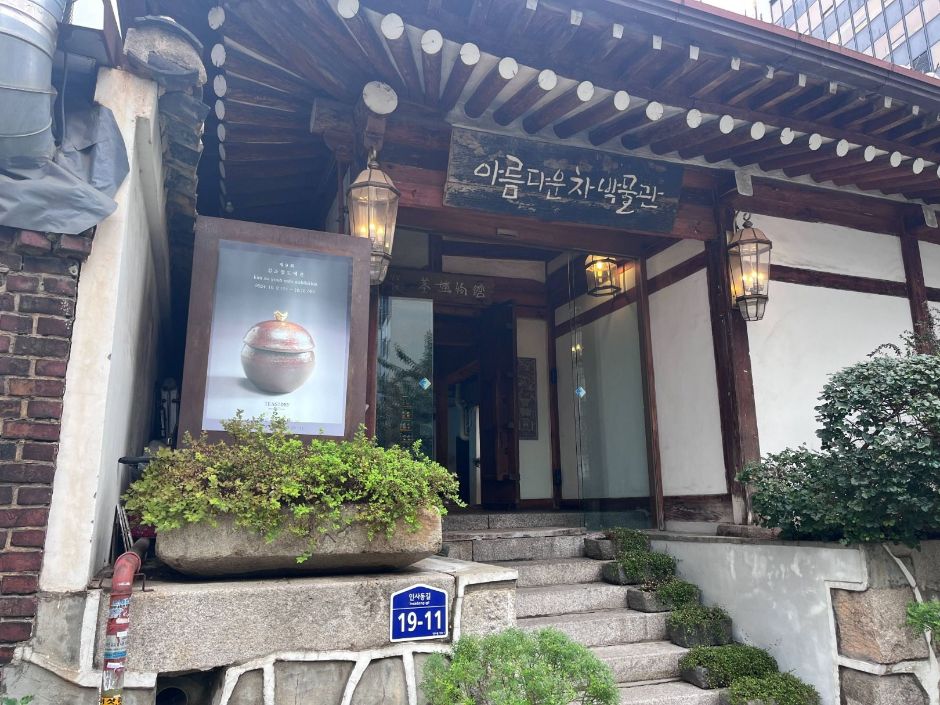
Areumdaun Cha Bangmulgwan (Beautiful Tea Museum) (아름다운차박물관)
1.6Km 2025-05-27
19-11, Insadong-gil, Jongno-gu, Seoul
In addition to gourmet restaurants, traditional tea houses are a popular destination in Insa-dong. Among them, we recommend Areumdaun Cha Bangmulgwan, where you can taste more than 100 types of tea, including Korean, Chinese, Japanese, and Taiwanese. The shop also serves as a museum and gallery. Enjoy a leisurely cup of tea as you appreciate the art that is on display.
Pabellón Jungmyeongjeon (중명전)
1.6Km 2024-12-23
Jeongdong-gil 41-11, Jung-gu, Seúl.
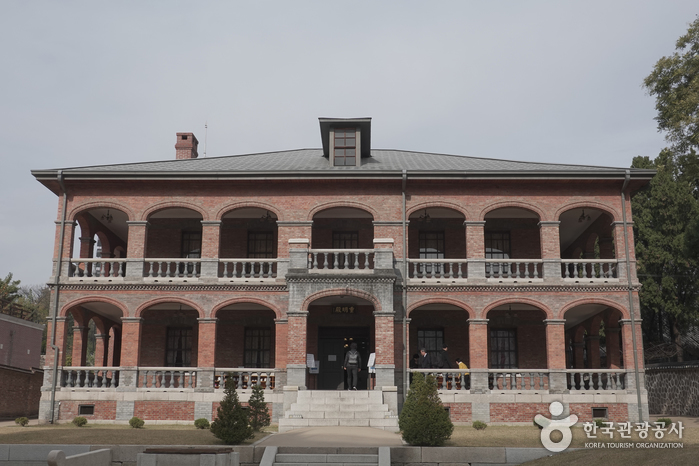
Este sitio histórico se encuentra ubicado por detrás del palacio Deoksugung, cerca del Teatro Jeongdong. Fue la biblioteca real, construido durante el período 1897-1901, por el arquitecto ruso Seredin Sabatin, y consta de 3 pisos en total y es de estilo occidental. Su nombre original fue Suokheon. Después del incendio del palacio Deoksugung en el año 1904, fue utilizado como la oficina administrativa del rey y la sala de audiencia de las delegaciones extranjeras, y también fue el lugar trágico en donde se firmó el Tratado de Eulsa (tratado desigual en el que Corea fue ocupada y declarada protectorado japonés).
En un principio, el pabelló Jungmyeongjeon formaba parte del palacio Deoksugung, pero con el levantamiento del muro de piedra (conocido como el “Doldamgil de Deoksugung”), dejó de serlo. Es una de las primeras construcciones contemporáneas de Corea, pero por el incendio de 1925, solo ha quedado en pie la pared del edificio. Después de la independencia del dominio japonés (15 de agosto de 1945), ha tenido varios usos y dueños diferentes, hasta que en septiembre del 2006, el derecho de propiedad del inmueble pasó a la Administración de Patrimonios Culturales, y finalmente, en febrero del 2007, fue declarado Sitio Histórico Nº 124.
Dongwha Duty Free (동화면세점)
1.6Km 2025-08-04
Sejong-daero 149, Jongno-gu, Seúl.
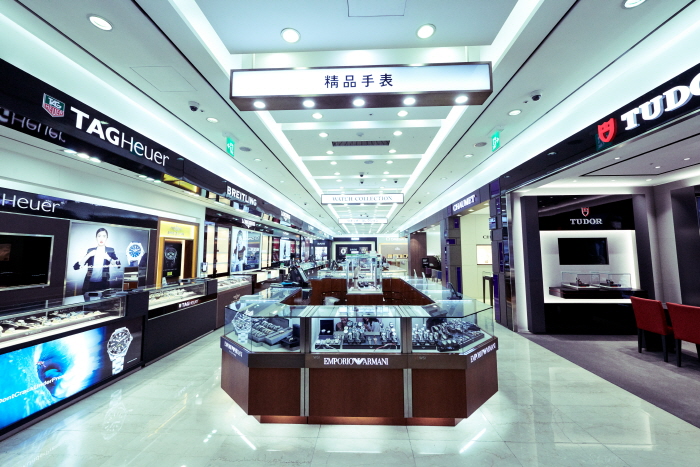
Dongwha Duty Free solo tiene en venta las mejores marcas del mercado. Puede encontrar las últimas marcas con más tendencia de perfumes, cosméticos, accesorios, entre otros. Aparte de marcas coreanas y extranjeras, puede también encontrar productos de especialidad coreana u objetos tradicionales de todo el mundo.
Mallijihwa Main Branch (만리지화 본점)
1.6Km 2025-11-27
17, Jong-ro 3-gil, Jongno-gu, Seoul
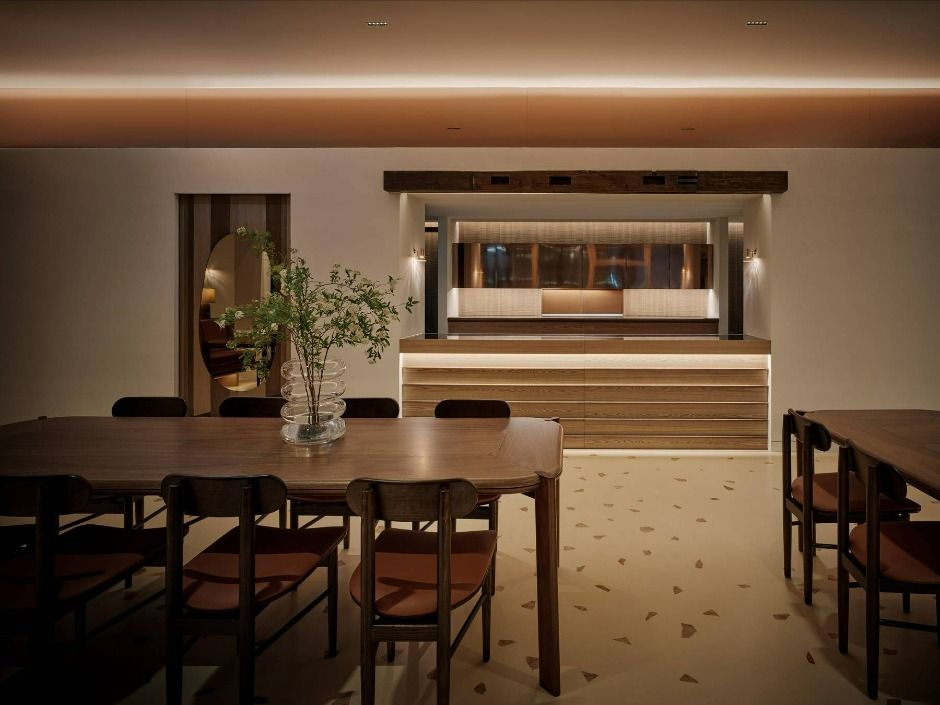
Mallijihwa, which embodies the meaning "eel that travels 10,000 ri and met fire," is an eel dining brand that modernizes the depth of Korean gastronomy. The restaurant's name was inspired by the eel's remarkable strength to swim across vast oceans to its spawning grounds—so significant that it is referred to as "malli fish" in the "Donguibogam" ("A Precious Mirror of Eastern Medicine"). Hence the name, Mallijihwa specializes in serving grilled eel, which is carefully grill with briquettes. The restaurant reinterprets eel with Korean aesthetics, offering a comfortable and elegant dining experience in a space that blends traditional architectural elements with a modern twist. The dishes served here offers an outstanding dining experience where the texture of the eel melts in one's mouth, and its flavor lingers long after. Signature dishes include grilled eel rice bowls, grilled eel, eel gujeolpan (platter of nine delicacies), and eel meal courses. The restaurant also offers seasonal lunch box made with fresh, seasonal ingredients.
Modern Shabu House Gwanghwamun D Tower Branch (모던샤브하우스 광화문D타워점)
1.6Km 2025-12-03
17, Jong-ro 3-gil, Jongno-gu, Seoul
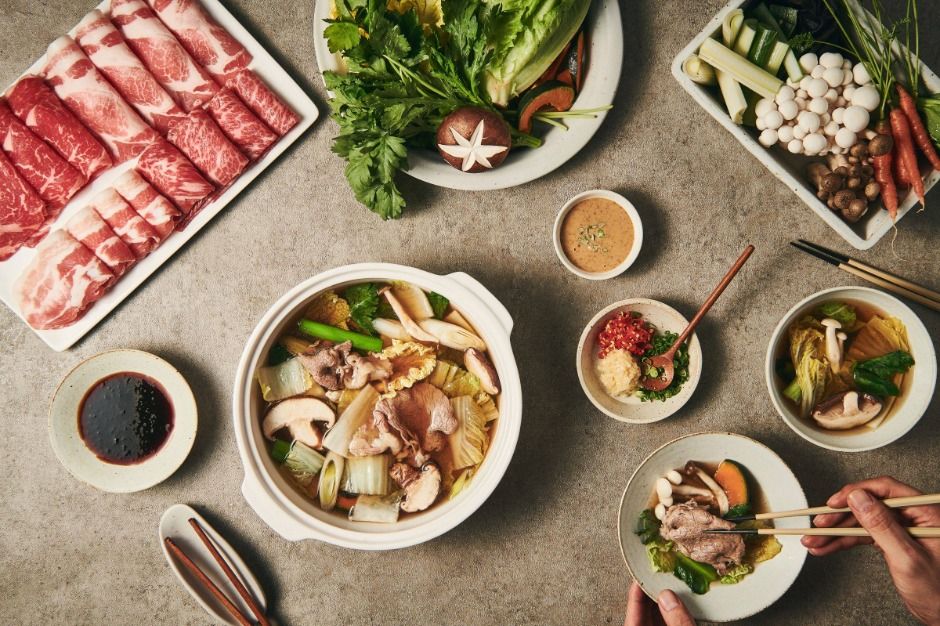
Located in Jongno-gu, Modern Shabu House Gwanghwamun D Tower Branch offers a selection of specialty broths to enjoy unlimited beef, pork, and vegetables. The restaurant serves four cuts of pork and beef in every course. The interior is designed with natural materials like earth, stone, and wood, inspired by the fluid process of cooking ingredients like meat and vegetables in a pot. The design reflects the natural movement and flow of ingredients as they cook together. The restaurant also has a range of private rooms, making it a popular choice for families with children and for gatherings, providing a comfortable dining experience.
Centro de Arte de Seúl Galería Gongpyeong (서울아트센터 공평갤러리)
1.6Km 2023-01-03
Samil-daero 30-gil 10-3, Jongno-gu, Seúl.
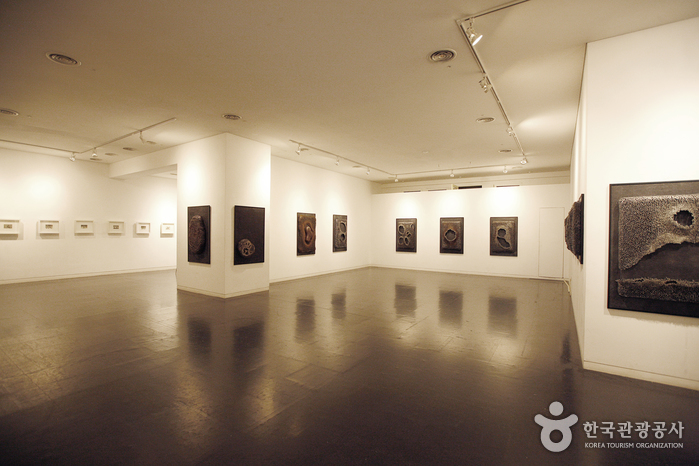
Esta galería, inaugurada en 1992, tiene grandes dimensiones: posee 2 pisos, con 4 salas de exposición. La institución organiza exposiciones de todo tipo: arte oriental, occidental, coreano, de escultura, etc., por lo que es un destino imperdible durante una visita a Insa-dong. Más que ser un espacio destinado únicamente a las exposiciones, trata de desarrollarse como un complejo cultural artístico.
Imun Seolnongtang (이문설농탕)
1.6Km 2025-08-08
38-13, Ujeongguk-ro, Jongno-gu, Seoul
Imun Seolnongtang has been serving its hearty seolleongtang for over a hundred years since it first opened in 1907. Even its name has a long history: the word imun comes from Imun-gol, the now-obsolete name of the restaurant’s location, and seolnongtang, an old variation of the word seolleongtang. During the Japanese ocupation rule, the restaurant’s regular customers included Gijeong Son, the marathon gold-medalist at the 1936 Berlin Olympics. To make the rich seolleongtang broth, beef meat and bones are simmered for more than 15 hours. Try putting rice and minced green onion in your seolleongtang for a warm and tasty experience. Kkakttugi (diced radish kimchi), provided as a side dish, is also delicious.
 Español
 한국어
한국어 English
 日本語
日本語 中文(简体)
 Deutsch
 Français
 Русский


