
Museo Nacional del Hangeul (국립한글박물관)
4.6Km 2022-12-15
Seobinggo-ro 139, Yongsan-gu, Seúl.
+82-2-2124-6200
El Museo Nacional del Hangeul fue inaugurado el Día de Hangeul (9 de octubre) del año 2014, para revisar la historia del alfabeto coreano a través del uso de materiales físicos. Como las vocales coreanas se crearon con base en el trasfondo filosófico de la conexión entre la tierra, los seres humanos y el cielo, el museo fue construido tomando en cuenta este diseño: la planta subterránea representa la tierra, las dos primeras plantas, los seres humanos y el tercer piso, el cielo, todos conectados en un solo edificio de cuatro plantas. La exhibición principal del museo se encuentra en el segundo piso. "Huellas del Hangeul" muestra el camino recorrido por el alfabeto Hangeul, desde su creación hasta su forma actual, e incluso su futuro. La tercera planta cuenta con una “Zona de juegos con el Hangeul para niños” y un centro de aprendizaje. Este último proporciona una manera fácil para que los extranjeros se familiaricen con el alfabeto coreano mediante el uso de equipos digitales y actividades de esparcimiento.
Niwa (니와)
4.7Km 2025-05-14
22, Ichon-ro 75-gil, Yongsan-gu, Seoul
Niwa is an authentic Japanese izakaya, serving alcoholic beverages and food. In order to stay true to tradition, Niwa works in cooperation with an izakaya chain in Hiroshima, Japan, creating a cooking system that realizes genuine Japanese tastes. Customers are able to experience Japan at Niwa, without even visiting the country. The restaurant is constantly working to develop new, delicious menu items.
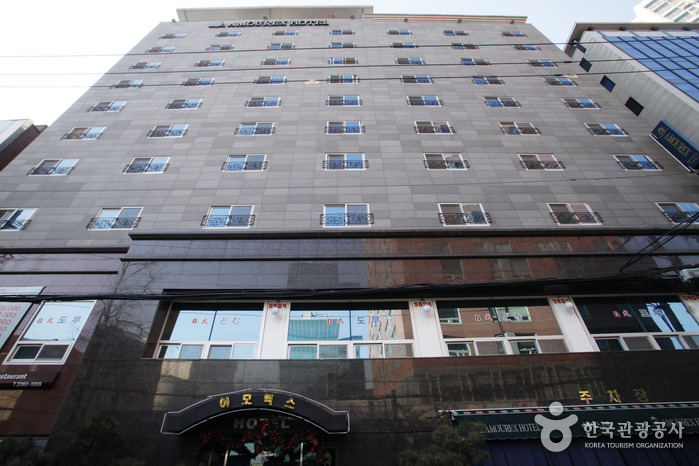
Amourex Hotel (아모렉스관광호텔)
4.7Km 2025-06-09
19, Wangsimni-ro 20-gil, Seongdong-gu, Seoul
Amourex Hotel is for both business travelers and tourists. It takes 20 minutes by car to Seoul’s major attractions such as Dongdaemun market, Myeongdong, and the Seoul City Hall. It is also close to Wangsimni Subway Station (line 1). The hotel offers comfortable guestrooms and services. The hotel’s Japanese Restaurant provides an upscale atmosphere for successful business meetings.
Parque Familiar Yongsan (용산가족공원)
4.7Km 2022-12-15
Seobinggo-ro 185, Yongsan-gu, Seúl
Los visitantes del Parque Familiar Yongsan pueden disfrutar de momentos de relajación en grandes campos de hierba junto a estanques refrescantes y senderos bien organizados. Este parque de aproximadamente 89,256.20 ㎡ fue un antiguo campo de golf de la Octava División del Ejército de Estados Unidos. Actualmente, se compone de varias instalaciones: senderos de 2 km, jardines y el Parque Taegeukgi.
Calle de los Libros de la Línea Gyeongui (경의선책거리)
4.8Km 2023-02-22
Wausan-ro 37-gil 35, Mapo-gu, Seúl
La Calle de los Libros de la Línea Gyeongui ha sido instalada a lo largo de dicha línea férrea antigua, cerca de la zona de Hongdae. La calle abarca numerosos espacios culturales, donde los caminantes pueden disfrutar de una vida sana a través de los libros y la literatura.
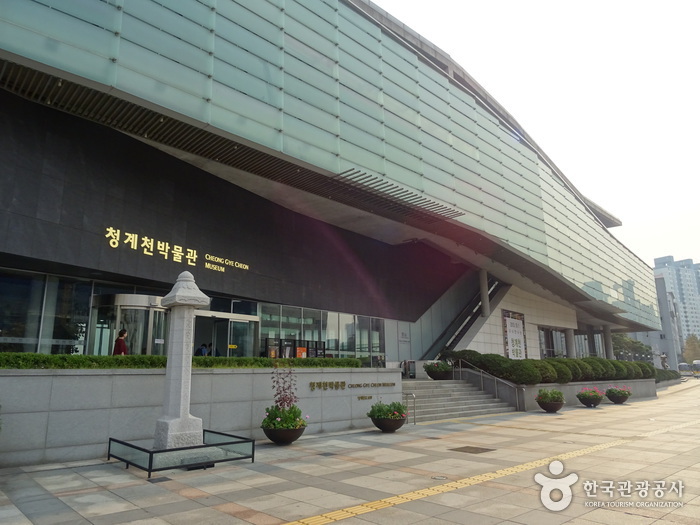
Museo del Arroyo Cheonggyecheon (청계천박물관)
4.8Km 2021-09-28
Cheonggyecheon-ro 530, Seongdong-gu, Seúl.
El museo se construyó a imagen y apariencia del arroyo, la fachada está representada por un largo tubo de vidrio, y en su interior expone todas las etapas de desarrollo y reconstrucción que se han llevado a cabo desde julio de 2003 hasta septiembre de 2005. Muestra todo el proceso histórico y de reformación que ha atravesado el arroyo. Consta de varias salas destinadas para las exhibiciones culturales e históricas, tanto para exposiciones a largo como a corto plazo. También posee una sala para seminarios y escenarios para pequeños espectáculos.
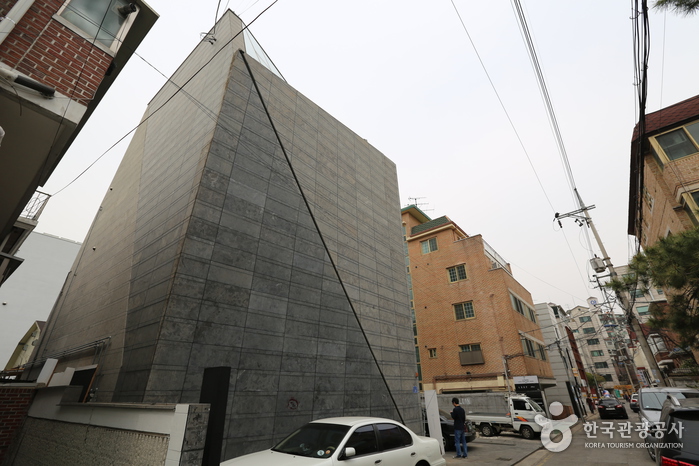
Alternative Space Loop (대안공간 루프)
4.9Km 2025-05-14
Wausan-ro 29-nagil 20, Mapo-gu, Seúl.
Alternativa Space Loop es una galería inaugurada en febrero de 1999 y forma parte de los Espacios Alternativos. Los Espacios Alternativos ofrecen salas de exposición a nuevos artistas con perspectivas a futuro y los apoya en asuntos relacionados con sus obras y son emprendimientos sin ánimo de lucro. Actualmente, son patrocinados por el Ministerio de Cultura y Turismo y la Agencia de Fomento de Cultura y Arte de Corea. Alternative Space Loop ha organizado cada año decenas de exposiciones y espectáculos. Asimismo, ha realizado actividades de intercambio internacional, participando en eventos como el Bienal de Tirana. Fue invitado como uno de los Espacios Alternativos para el Bienal de Gwangju 2002.
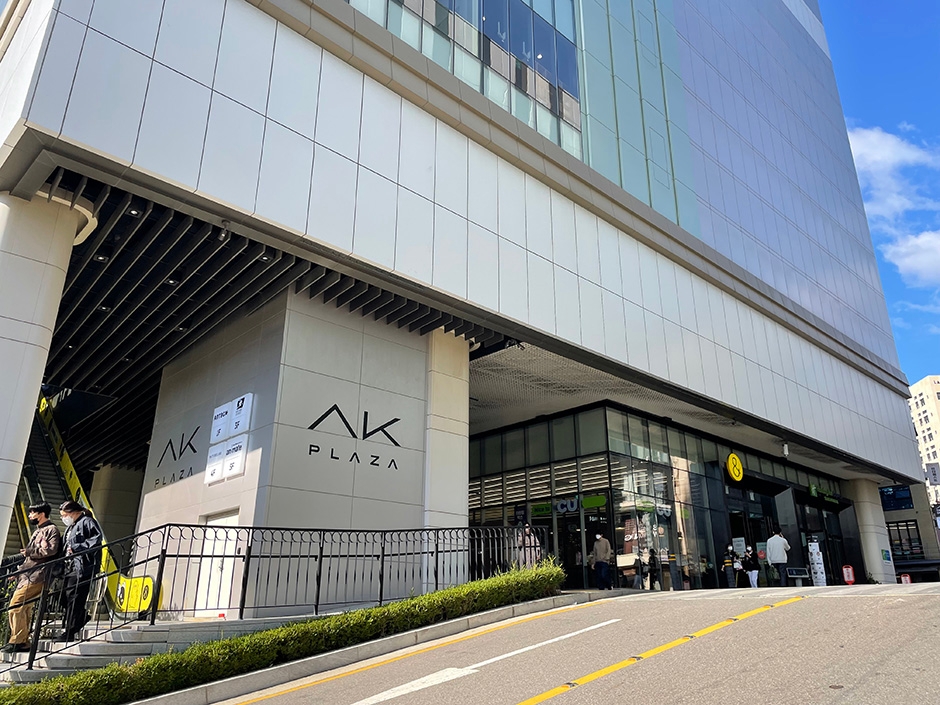
AK Plaza Hongdae (AK Plaza 홍대)
5.0Km 2025-06-18
Yanghwa-ro 188, Mapo-gu, Seúl
AK Plaza Hongdae es un gran centro comercial ubicado justo frente a la salida 4 de la Estación de Hongik Univ. de la línea 2 del metro. Desde su apertura en 2018, ofrece una variedad de contenido, incluyendo cultura infantil, K-pop, etc. reflejando las características juveniles del barrio de Hongdae. El local de cinco plantas es popular entre jóvenes y turistas extranjeros, con una variedad de tiendas temáticas como animé, cultura callejera y accesorios para fans del K-Pop. En la primera planta, también hay una tienda de cosméticos Chicor y una tienda de takoyaki jumbo, para que pueda disfrutar de compras y comida gourmet al mismo tiempo.
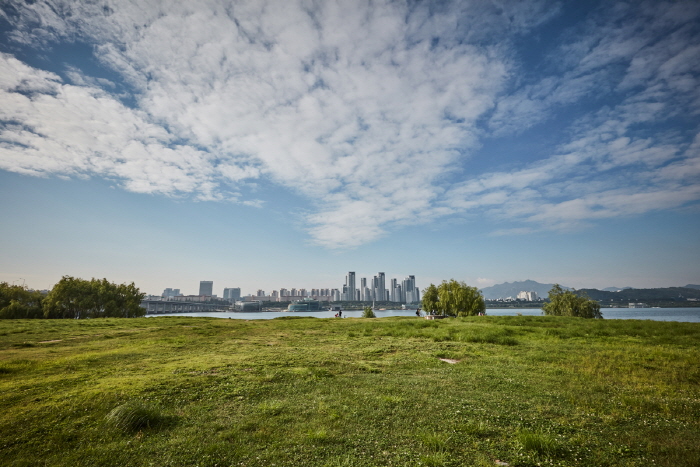
Parque Ichon del Río Hangang (이촌한강공원)
5.1Km 2021-07-27
Ichon-ro 72-gil 62, Yongsan-gu, Seúl.
Situado entre los puentes Jungnangcheongyo y Wonhyodaegyo, el Parque Ichon del Río Hangang es un lugar muy visitado por la gente por su hermoso paisaje y por ser un lugar ideal para hacer ejercicios o para dar un paseo tranquilo.
El parque cuenta con muchas instalaciones deportivas como la Plaza de la Juventud, campo de fútbol, tenis, gateball, pistas de patinaje en línea, etc. También hay programas de rafting en lancha de goma, muy popular entre los estudiantes y trabajadores de oficina, ya que son ideales para aliviar el estrés acumulado durante la semana.

Shanti (산띠)
5.2Km 2026-01-05
70, Wausan-ro 27-gil, Mapo-gu, Seoul
Shanti is an Indian, Nepalese restaurant with cuisine prepared by chef with over 15 years of experience.
 Español
 한국어
한국어 English
 日本語
日本語 中文(简体)
 Deutsch
 Français
 Русский


