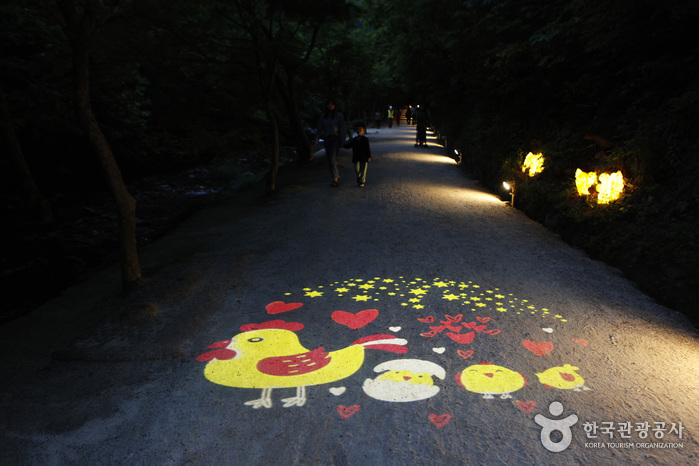
Gangcheonsan County Park (강천산 군립공원)

  • Gangcheonsan County Park (강천산 군립공원)
  • Gangcheonsan County Park (강천산 군립공원)
  • Gangcheonsan County Park (강천산 군립공원)
  • Gangcheonsan County Park (강천산 군립공원)
  • Gangcheonsan County Park (강천산 군립공원)
  • Gangcheonsan County Park (강천산 군립공원)
  • Gangcheonsan County Park (강천산 군립공원)
  • Gangcheonsan County Park (강천산 군립공원)

Explanation

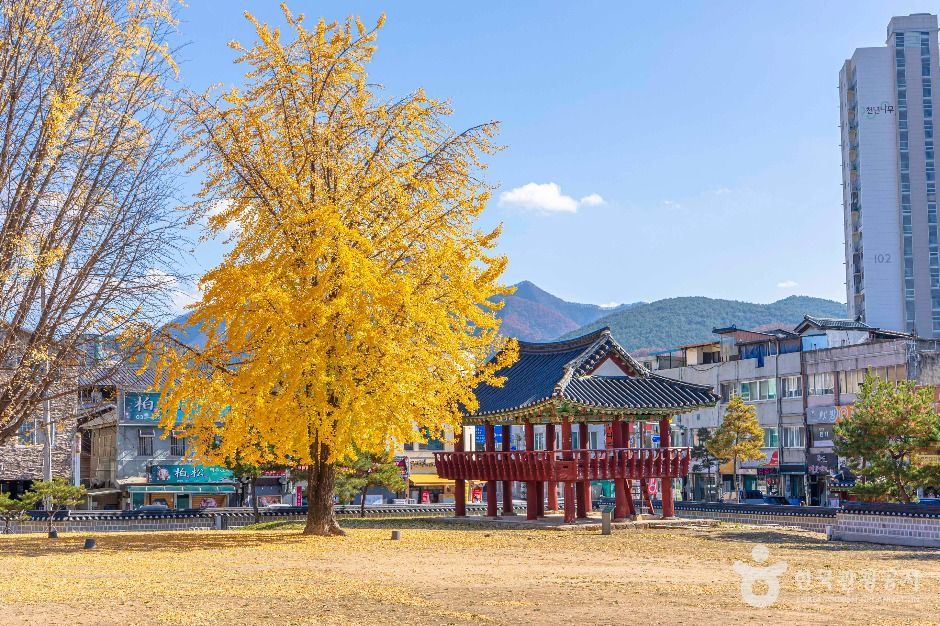
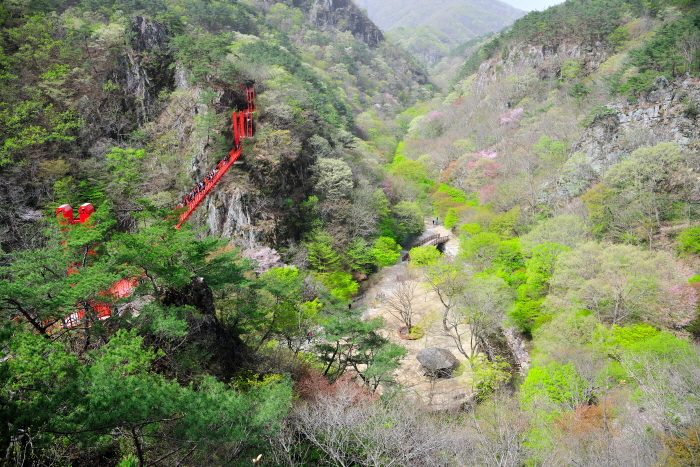
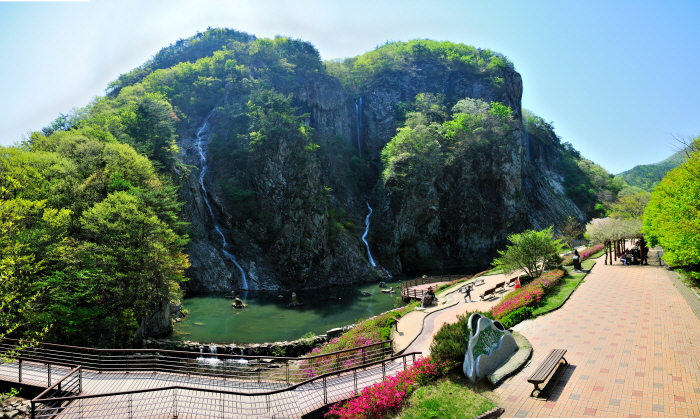
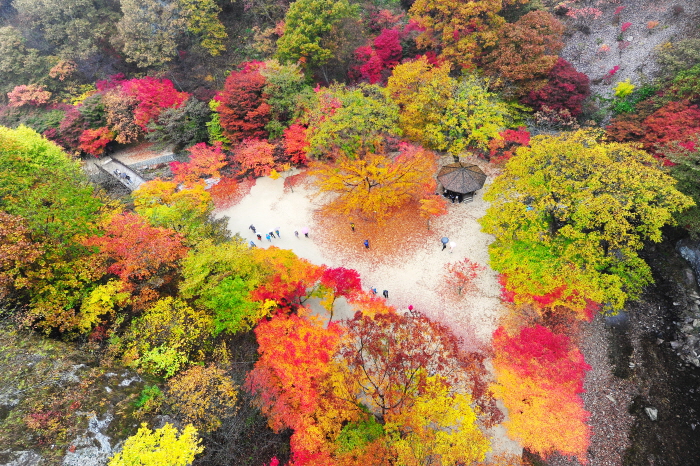
Gangcheonsan Mountain is surrounded by Gwangcheonsan Gwangjubong Peak (583.7 meters above sea level), Gwangdeoksan Seonnyeobong Peak (578 meters), and Sanseongsan Yeondaebong Peak (603 meters above sea level) in the area of 996beonji, Cheonggye-ri, Sunchang-gun, Jeollabuk-do. It is divided into small canyons and has an outstanding view with rocky mountains on all sides. The valley was called Gangcheon Valley because clean and clear water flows like a spring on the hard rocks, and all the mountains around it were called Gangcheonsan Mountain. It is said that in the past it was called Yongcheonsan Mountain, named after the shape of two dragons waving their tails toward the sky and ascending to heaven.

Following the Noryeong Mountain Range to Chuwolsan Mountain, it forms Gwangdeoksan Mountain and Yongcheonsan Mountain. On Sanseongsan Mountain (two dragons from the eastern sky to the western sky) that towers high in the sky, two dragons run east side by side. There are numerous peaks, some famous ones are, Yeondaebong, Undaebong, Suyeongbong, Cheonjabong, Gitdaebong, Gwangjubong, Gyeonjebong, and Songrakbong peaks. Between these two mountains is a very deep valley. Some of the famous valleys are, Yeondaegyegok Valley, Seonnyeogyegok Valley (Jeobujegol), Wondeunggyegok Valley (Yongdaeamgol), Buntonggol Pass, Jijigol Valley, Somokgol Valley, Samindaegyegok Valley (Hwangwoojegol), Giwoojegol Valley, Senyanggol Valley, Multonggol Valley, Chodanggol Valley, Ujakgol Valley, Dongmakgol Valley, Geumganggyegok Valley (Tapsanggol), Seungbanggol Valley, Byeondugol Valley, etc. The clear water flowing from every valley joins into one and the sound of the water crashing against the rocks and stones echoes throughout the valley and enters Gangcheonho Lake.

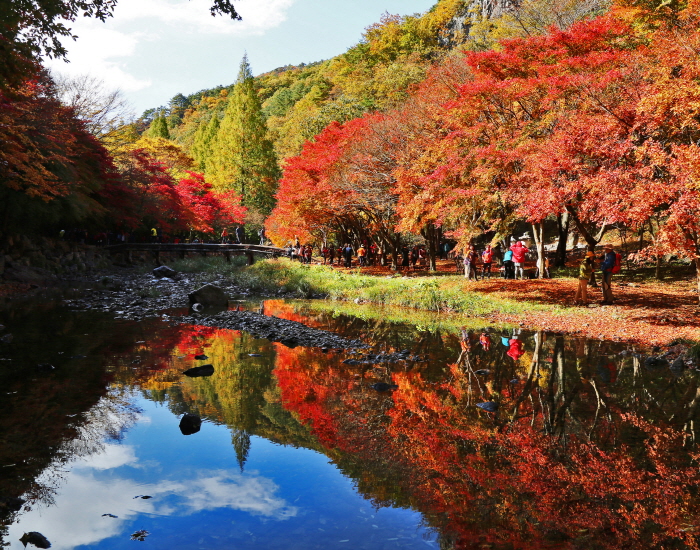
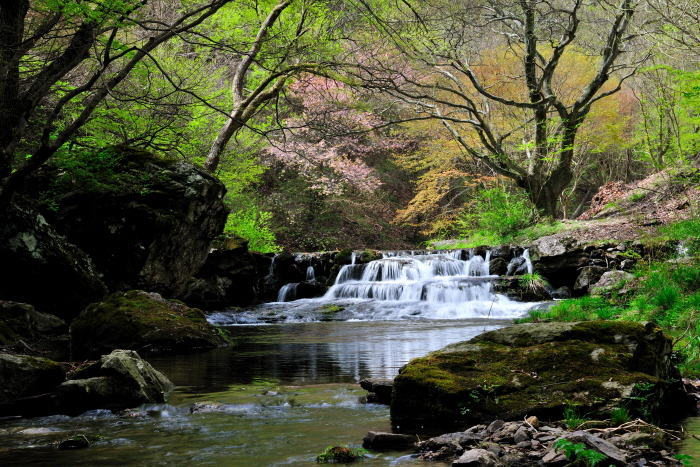
When spring comes, willows bloom, and when the forsythia and azaleas are in full bloom, wild cherry blossoms reach full bloom on every mountain peak. The clear and clean water flows continuously between the gravel along the valley. Visitors can cool off the heat in this river that does not collect moss either because it is too cold or clean. On Gangcheonsan Mountain, there are beautiful shrubs and maple trees, and the baby maples and baby squirrels announce the arrival of autumn among the seven different types of maple trees. The multiple trails on the mountain are not steep or too dangerous, making it popular regardless of age. It is also ideal for mountaineering and mountain-loving hikers. The scenery of the river with white snow and icicles attracts painters who want to capture the moment on a canvas. Gangcheonsan Mountain has four distinct seasons making it a popular destination all year round.


Homepage

gangcheonsan.kr


Information Use

Contact and Information : • 1330 Travel Hotline: +82-2-1330
(Korean, English, Japanese, Chinese)
• For more info: +82-63-650-1672

Parking facilities : Available

Day off : N/A (Open all year round)

Hours : April-October 08:30-18:30
November-March 09:00-17:00
* Operating hours subject to change depending on the weather condition


More information

Night-time Hike Restriction Notice
Limited access after sundown

Hiking Course
Barefoot walking trail: Byeongpungpokpo Falls - Gangcheonsa Temple - cloud bridge - Gujanggunpokpo Falls (5.5 km, 2 hr)
Forest walking trail: Byeongpungpokpo Falls - playground - forest village - Hwangujegol Valley - Samindae - ticketing booth (4.7 km, 2 hr)
Healing hiking course: Byeongpungpokpo Falls - Gancheonsa Temple - cloud bridge - observatory - Hwangujegol Valley - Samindae ticketing booth (5.5 km, 2 hr)
Wangjabong course 1: Byeongpungpokpo Falls - Gitdaebong Peak - Wangjabong Peak - cloud bridge - ticketing booth (6.2 km, 3 hr)
Wangjabong course 2: Byeongpungpokpo Falls - Gitdaebong Peak - Wangjabong Peak - Hyeongjebong Peak - second lake - Gujanggunpokpo Falls - ticketing booth (8.7 km, 4 hr)
Wangjabong course 3: Byeongpungpokpo Falls - Gitdaebong Peak - Wangjabong Peak - Hyeongjebong Peak - Songnakbawi Rock - Gujangpokpo Falls - ticketing booth (10.7 km, 5 hr)
Seonnyeobong course 1: Byeongpungpokpo Falls - Okhobong Peak - Hwangujegol Valley - Sinseongbong Peak - cloud bridge - Gangcheonsa Temple - ticketing booth (7.5 km, 3 hr)
Seonnyeobong course 2: Byeongpungpokpo Falls - Okhobong Peak - Hwangujegol Valley - Gwangdeoksan Mountain - Seonnyeogyegok Valley - Gujanggunpokpok Falls - ticketing booth (10 km, 4 hr)
Seonnyeobong course 3: Byeongpungpokpo Falls - Okhobong Peak - Gwangdeoksan Mountain - East gate - Biryongpokpo Falls - Gujanggunpokpo Falls - ticketing booth (12.8 km, 5 hr)
Jungju course: Byeongpungpokpo Falls - Gitdaebong Peak - Wangjabong Peak - Hyeongjebong Peak - Songnakbawi Rock - Sirubong Peak - Gwangdeoksan Mountain - Okhobong Peak - ticketing booth (18.6 km, 8 hr)

Shopping Information
Approx. 20 restaurants, accommodations, convenience stores, etc.

Parking Fees
Free

Admission Fees
[Individual]
Adults 3,000 won / Students 2,000 won

[Groups]
Adults 2,500 won / Students 1,500 won

* Students (elementary, middle, high school)
* Groups: 30 or more people.
* Free admission: Preschoolers (ages 6 & under) and senior citizens (ages 65 and older)

Restrooms
Available

Location

97, Gangcheonsan-gil, Sunchang-gun, Jeonbuk-do
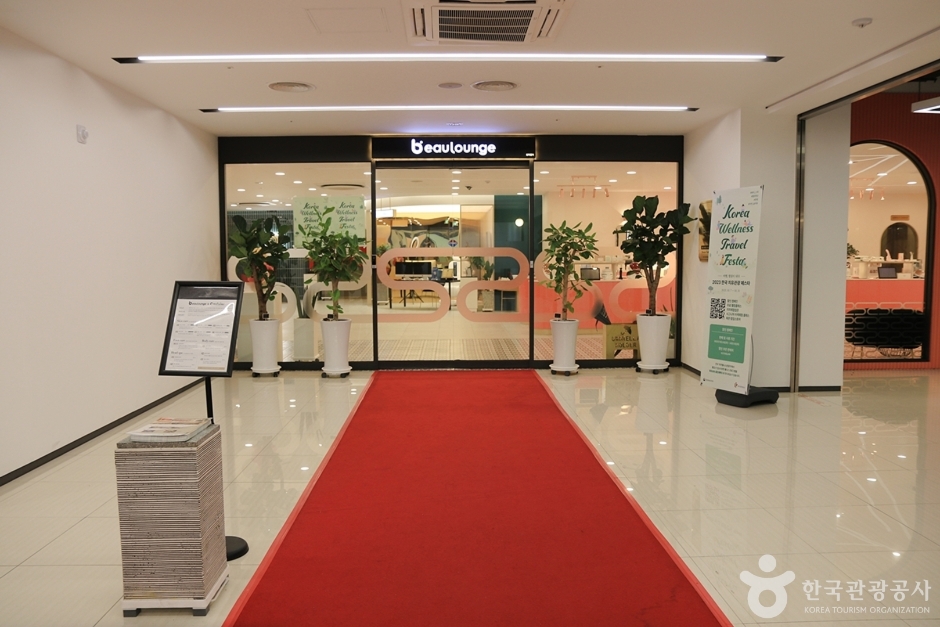
Beaulounge (뷰라운지)

Beaulounge (뷰라운지)

2026-05-21

2F, Kang-san Bldg., Suseong University, 15 Dalgubeol-daero 528-gil, Suseong-gu, Daegu

Beaulounge, located within Suseong University, provides premium aesthetic and professional skin care services. Customized treatment solutions are offered based on data obtained through smart technology, which diagnoses and analyzes customers' skin and scalp conditions. The skin care program includes multi-care, anti-aging care, brightening care, hormone care, balance care, and moisture care to help customers get healthy and younger-looking skin. Head spa services promote blood circulation in the scalp area and relax the muscles to support lymphatic flow. This helps clear toxins and waste from the scalp, nourishing it and enhancing health and elasticity for both the scalp and skin. The body care service includes relaxing, slimming, and detox therapies.Beaulounge, a place for professional premium skincare, is a new type of tourist destination that promotes the excellence of K-beauty and has helped the beauty industry develop into a tourism resource. Additionally, the facility collaborates with the Korea Tourism Organization, the Daegu Medical Tourism Development Institute, and the Medi Beauty Leader Center of Suseong University to provide special interest tourism and beauty/wellness tourism to foreigners. Beaulounge also introduces beauty products made by companies in Daegu, targeting general customers as well as overseas tourists. As a result, Beaulounge was designated as an excellent wellness tourist destination by the Korea Tourism Organization in 2022.

Haslla Gangneung Immersive Art Show (하슬라강릉 이머시브아트쇼)

Haslla Gangneung Immersive Art Show (하슬라강릉 이머시브아트쇼)

2026-06-02

474-4 Chodang-dong, Gangneung-si, Gangwon-do

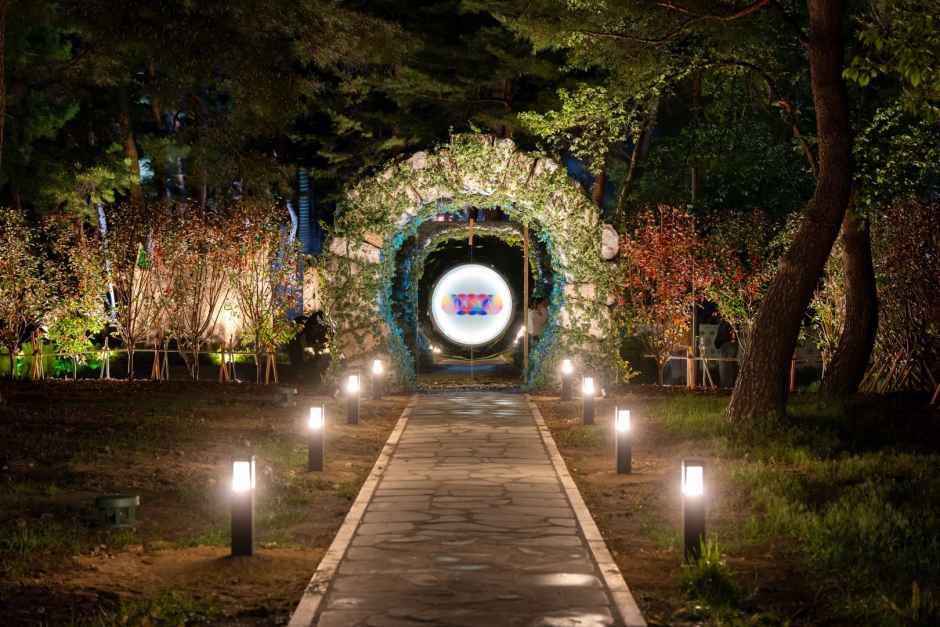
Haslla Gangneung Immersive Art Show is an outdoor immersive media art show held in the dense pine forest of Chodang-dong, Gangneung. Visitors can walk along the forest path and experience the unique atmosphere created by the combination of light, music, and nature. Each visit presents a different atmosphere shaped by seasonal and weather conditions, establishing it as a distinctive form of nighttime tourism content that offers a more memorable way to experience Gangneung after dark.

Incheon Jotang (인천조탕)

Incheon Jotang (인천조탕)

2026-05-14

30 Yongyuseo-ro, Jung-gu, Incheon

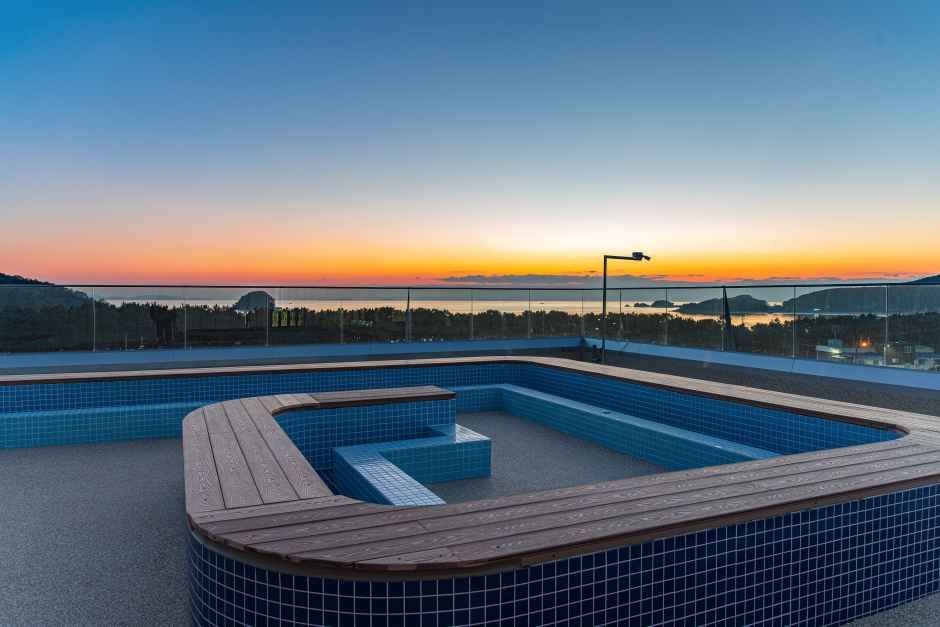
Incheon Jotang is a premium wellness spa complex inspired by Korea’s first seawater bath, Jotang, dating back to the 1920s. Spanning approximately 5,950 square meters and accommodating up to 1,600 visitors at once, it offers high-quality spa services at reasonable prices. The facility features a wide range of amenities, including a sauna, jjimjilbang, massage chair zone, comic café, outdoor foot bath, and an outdoor swimming pool.

Titasy Metal Craft (티타지 금속공예)

Titasy Metal Craft (티타지 금속공예)

2026-05-07

10 Ujeong-ro, Naju-si, Jeollanam-do

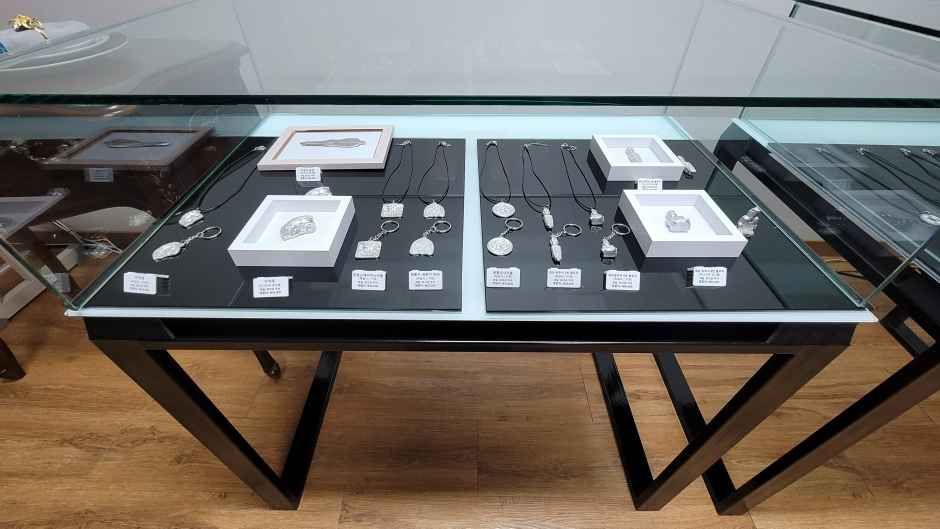
Titasy Metal Craft is a hands-on workshop where visitors can create rings, jewelry, soju cups, plates, and other everyday items using silver and eco-friendly tin. One of its signature programs allows participants to reinterpret cultural relics into modern accessories, offering both a creative and educational experience. Suitable for individuals, families, groups, and students of all ages, the workshop introduces the full metal crafting process from basic techniques to the final piece, which participants can take home as a unique souvenir.

Yeongwol Tourism Center (영월관광센터)

Yeongwol Tourism Center (영월관광센터)

2026-04-08

126-3 Cheongnyeongpo-ro, Yeongwol-eup, Yeongwol-gun, Gangwon-do

Yeongwol Tourism Center, also called Y-Square, is a cultural complex developed to support integrated tourism in the former coal mining area of Yeongwol and to help establish travel routes throughout the region. Visitors can access information on major tourist attractions, cultural heritage, natural landscapes, and historical sites, along with a range of convenient services. The center also offers customized travel itinerary guidance based on visitors’ needs. On the second floor are exhibitions and experience halls.

Shrine for Prince Wolsan (월산대군사당)

Shrine for Prince Wolsan (월산대군사당)

2026-03-23

1243-39 Hoguk-ro, Deogyang-gu, Goyang-si, Gyeonggi-do

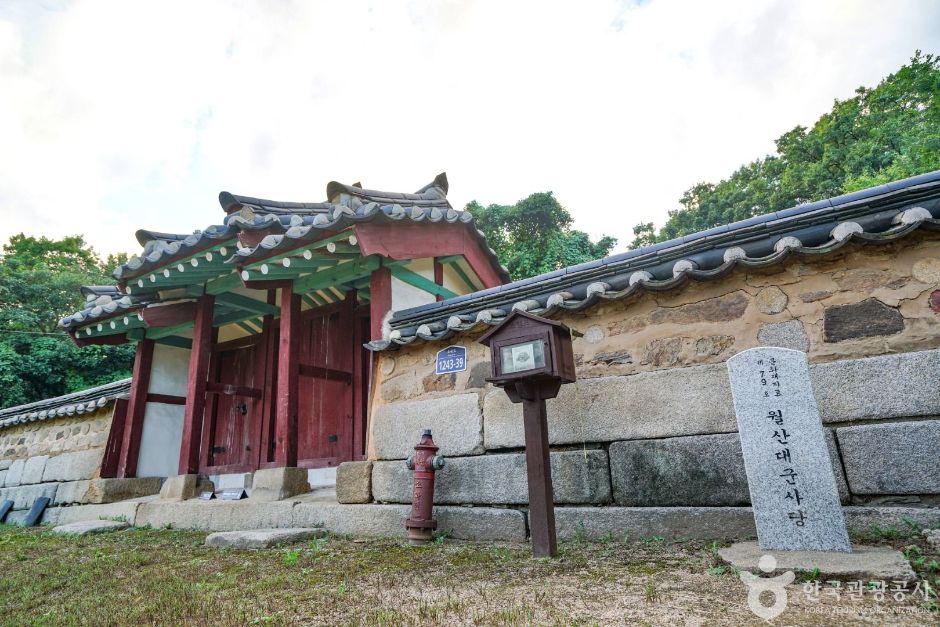
Prince Wolsan, born Yi Jeong, was the elder brother of King Seongjong, the 9th ruler of the Joseon dynasty. He was regarded as an accomplished writer, with his reputation said to have extended even to China. King Seongjong is known to have frequently visited Prince Wolsan’s residence, where he named a pavilion Pungwoljeong after the prince’s pen name. The prince is also remembered for his loyalty and close fraternal bond with the king. Adjacent to the shrine lies Prince Wolsan’s tomb. The shrine itself was established before 1693, with the current structures reconstructed in 1786. Preserved within the shrine is a small palanquin known as a yoeo, which was used to carry the prince’s spirit tablet.

Goyang Special Tourist Zone (고양관광특구)

Goyang Special Tourist Zone (고양관광특구)

2026-03-23

1271-1 Jungang-ro, Ilsandong-gu, Goyang-si, Gyeonggi-do

“Special tourist zones” are areas designated by law for the concentrated development of tourism infrastructure and services, including visitor guidance and promotional activities, with the aim of attracting international travelers. Among them is the Goyang Special Tourist Zone, which was established to draw both domestic and overseas visitors while positioning the city as an international tourism hub. The zone brings together key attractions such as KINTEX, a major venue for the MICE industry, along with Ilsan Lake Park, La Festa, Western Dome, One Mount, and Aqua Planet Ilsan. The area hosts a variety of cultural programming, including live performances, music contests, and seasonal festivals, reflecting its ongoing role as a hub for entertainment and tourism.

Jagyuru Pavilion and Gwanpungheon Hall (자규루 및 관풍헌)

Jagyuru Pavilion and Gwanpungheon Hall (자규루 및 관풍헌)

2026-03-30

61 Jungang-ro, Yeongwol-eup, Yeongwol-gun, Gangwon-do

Gwanpungheon Hall was used as a magistrate’s office to handle local affairs during the Joseon Dynasty. The site consists of an annex and a 3x3 kan building (a traditional Korean structural unit). Currently, it serves as a mission center for the Bodeoksa Temple of the Jogye Order of Korean Buddhism. About 50 meters away from the hall is Jagyuru Pavilion, where King Danjong (r. 1452–1455) stayed during his exile after losing the throne to King Sejo (r. 1455–1468). It is said that Danjong frequently visited this pavilion to write poetry known as jagyu poetry. In these works, he compared his own grief to the blood-spitting cries of the jagyu (oriental scops owl), a bird characterized by its painful and mournful call. The pavilion was originally built by County Magistrate Shin Kwon-geun in 1428 (the 10th year of King Sejong's reign) and was initially called Maejungnu. It was renamed after Danjong wrote his famous poems there. The buildings were eventually lost and forgotten until they were rediscovered and restored by Gangwon Provincial Governor Yun Sa-guk in 1791 (the 15th year of King Jeongjo's reign). (Source: National Heritage Administration)

Chungju Ecology Experience Museum (충주자연생태체험관)

Chungju Ecology Experience Museum (충주자연생태체험관)

2026-03-11

260 Jideung-ro, Dongnyang-myeon, Chungju-si, Chungcheongbuk-do

Chungju Ecology Experience Museum is an interactive space designed to foster appreciation for nature through hands-on exhibits, educational programs, and its surrounding natural environment. While geared toward children, it offers a relaxing and engaging experience for visitors of all ages. The complex includes a basement, three above-ground floors, Yonggyo Bridge Ecology Park, and an annex building. The basement features a safe indoor play area with slides and activity equipment. The first and second floors include a screening room for nature documentaries, exhibition halls introducing rare native species and their characteristics, and a collection of ecology-related books.

LEGOLAND Korea Resort (레고랜드 코리아 리조트)

2026-05-14

128 Hajungdo-gil, Chuncheon-si, Gangwon-do

LEGOLAND® Korea Resort is the first global theme park of its kind in Korea, located on Jungdo Island in Chuncheon, Gangwon State, and the tenth LEGOLAND Resort worldwide. It officially opened on Children’s Day, May 5, 2022. Designed primarily for children aged 2 to 12 and their families, the resort features around 40 rides and attractions, along with a variety of shows and events. Visitors can enjoy fun-filled experiences at the LEGOLAND Park during the day and extend their stay at the LEGOLAND Hotel in the evening. The LEGOLAND Hotel offers a total of 154 rooms, each uniquely decorated in one of four LEGO-themed concepts, providing a playful and immersive stay for families.