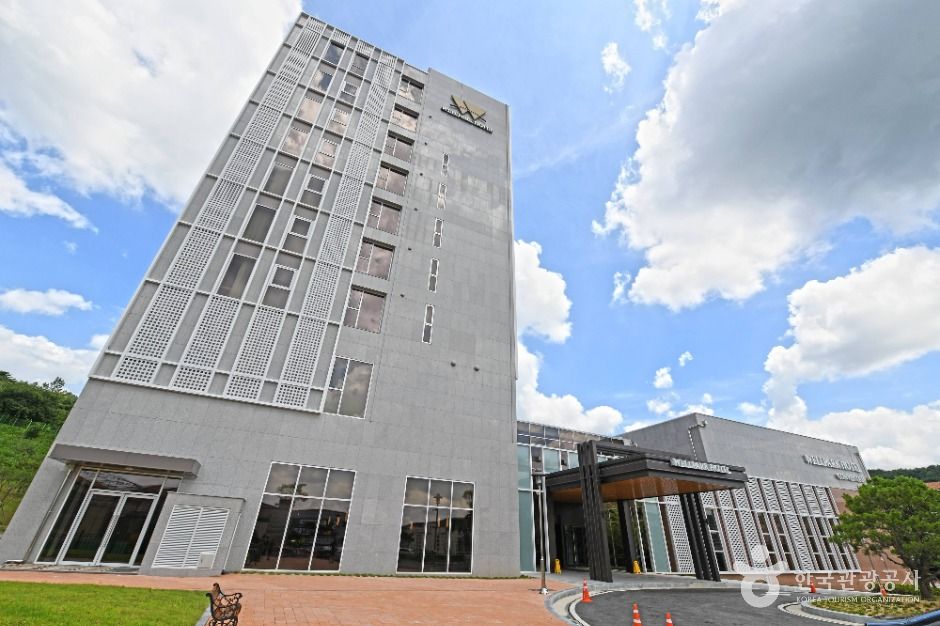
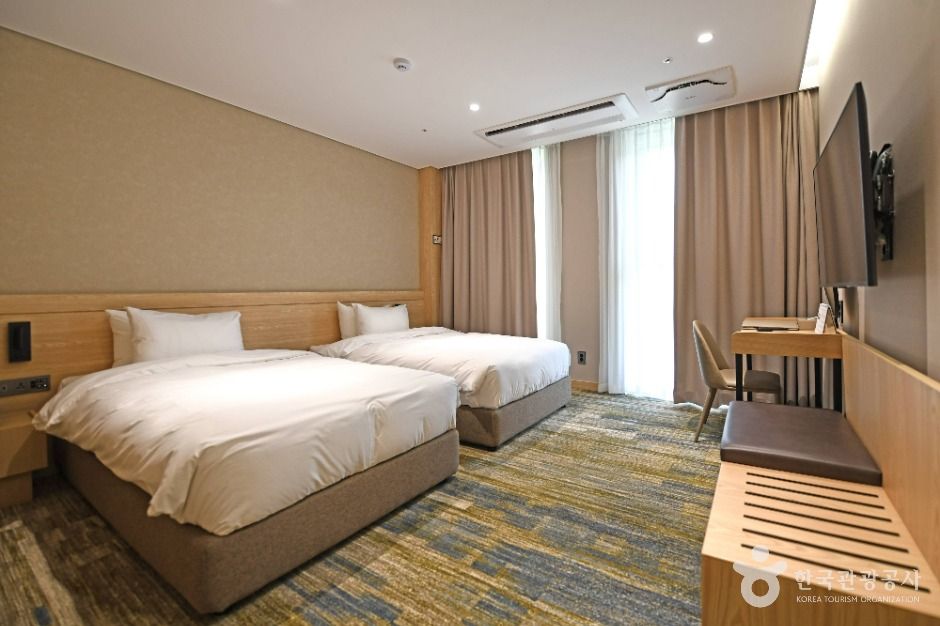
Gochang Wellparkcity (고창웰파크시티)

  • Gochang Wellparkcity (고창웰파크시티)
  • Gochang Wellparkcity (고창웰파크시티)
  • Gochang Wellparkcity (고창웰파크시티)
  • Gochang Wellparkcity (고창웰파크시티)
  • Gochang Wellparkcity (고창웰파크시티)
  • Gochang Wellparkcity (고창웰파크시티)

Explanation

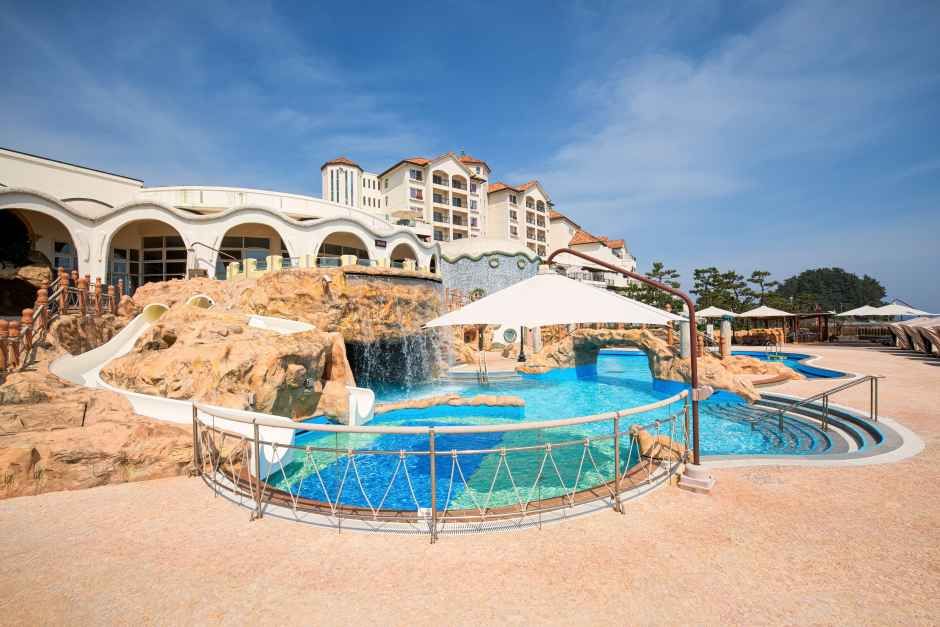
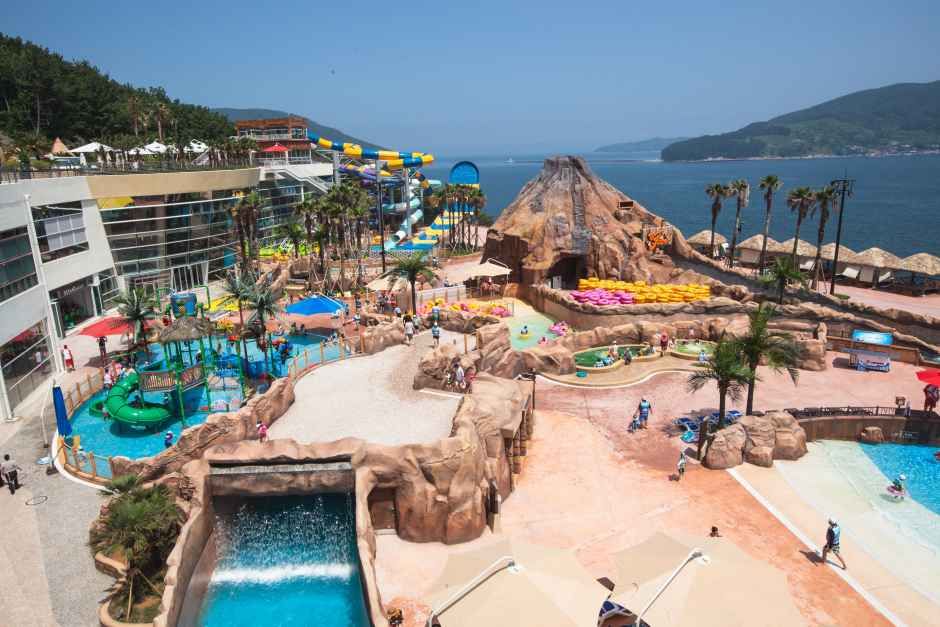
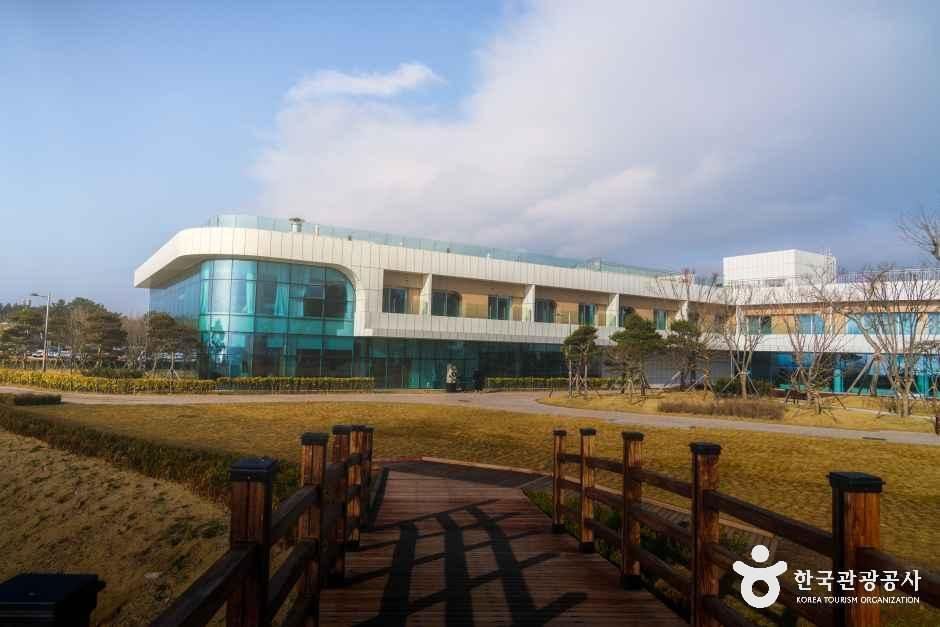
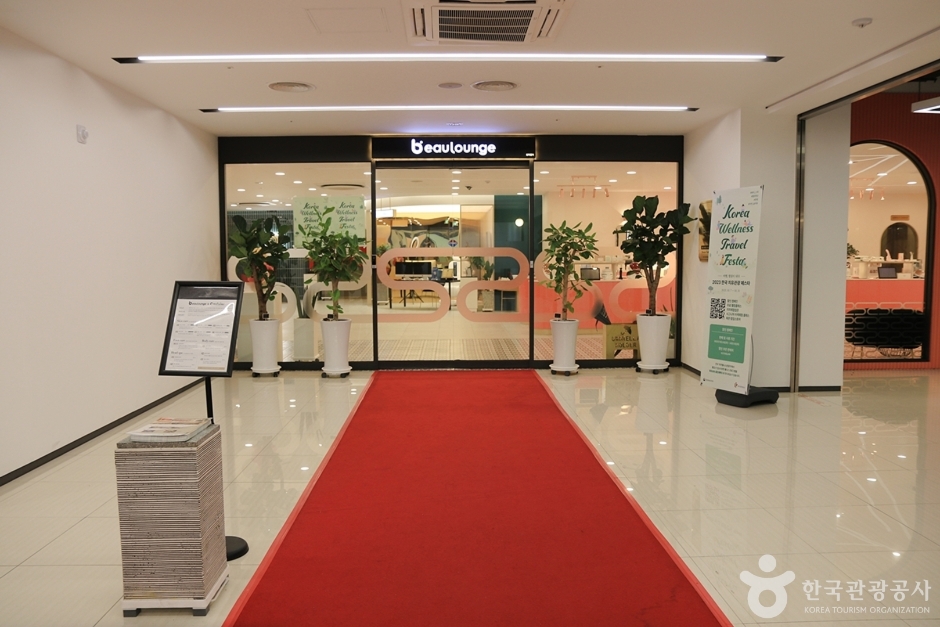
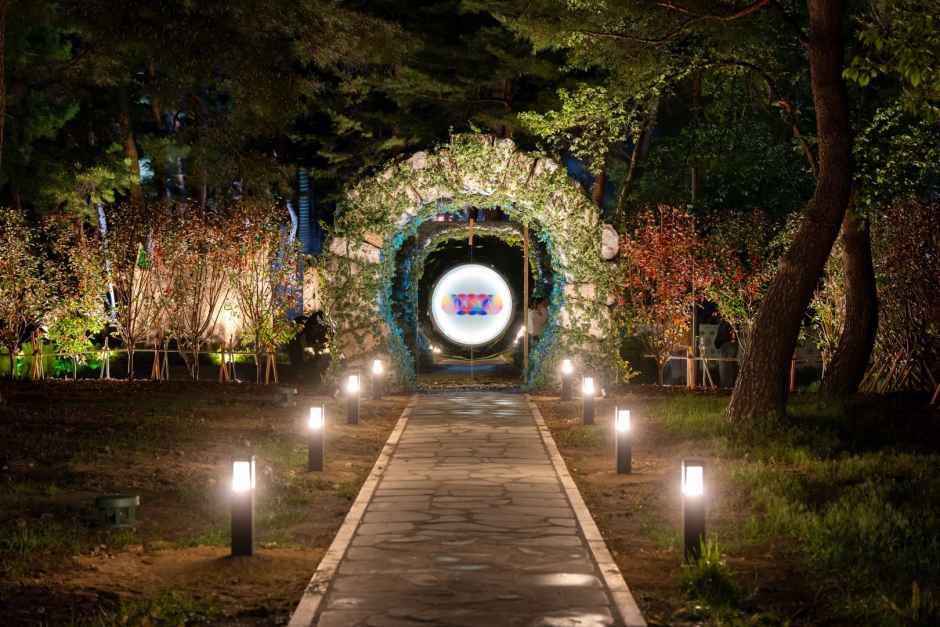
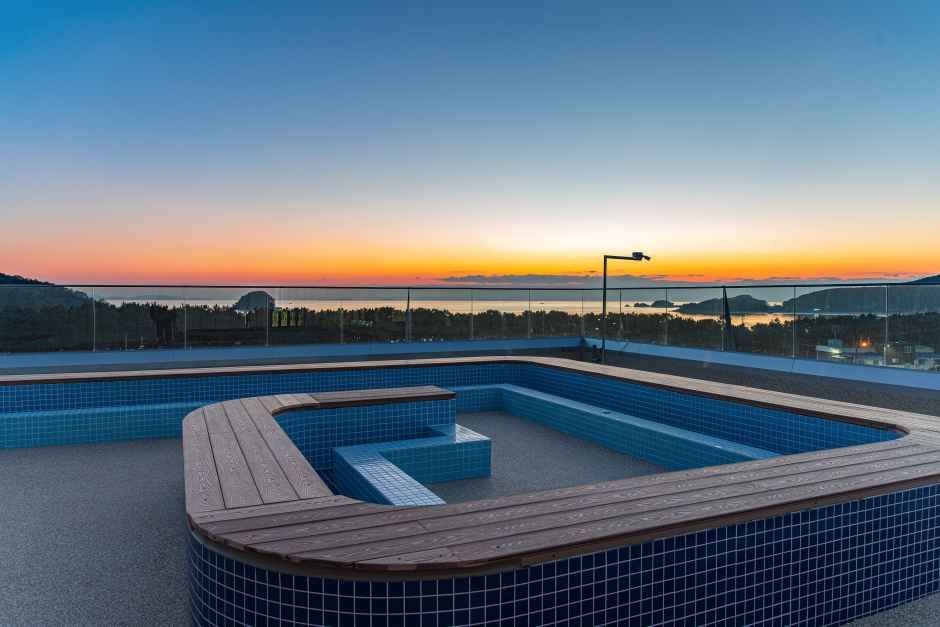
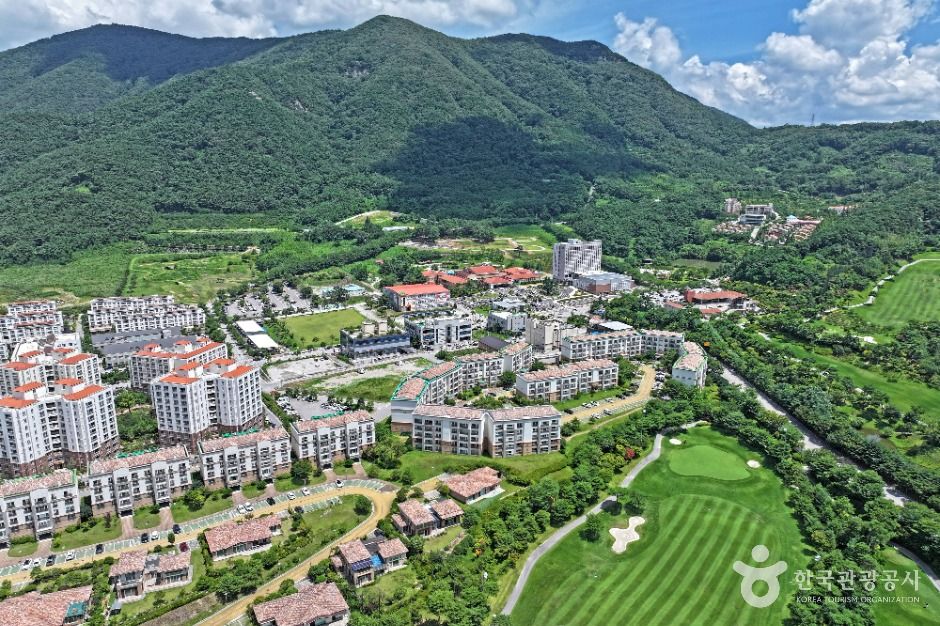
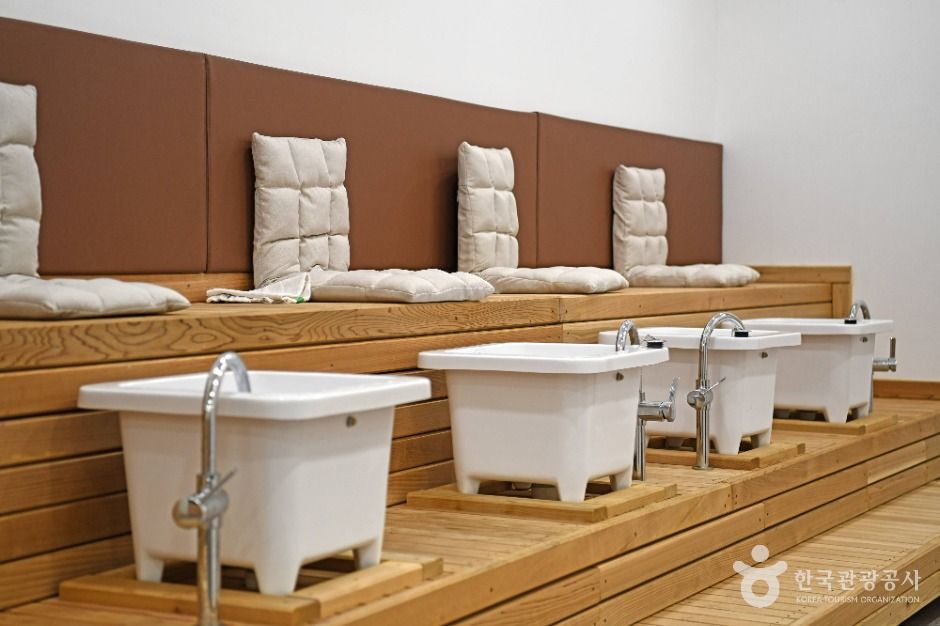
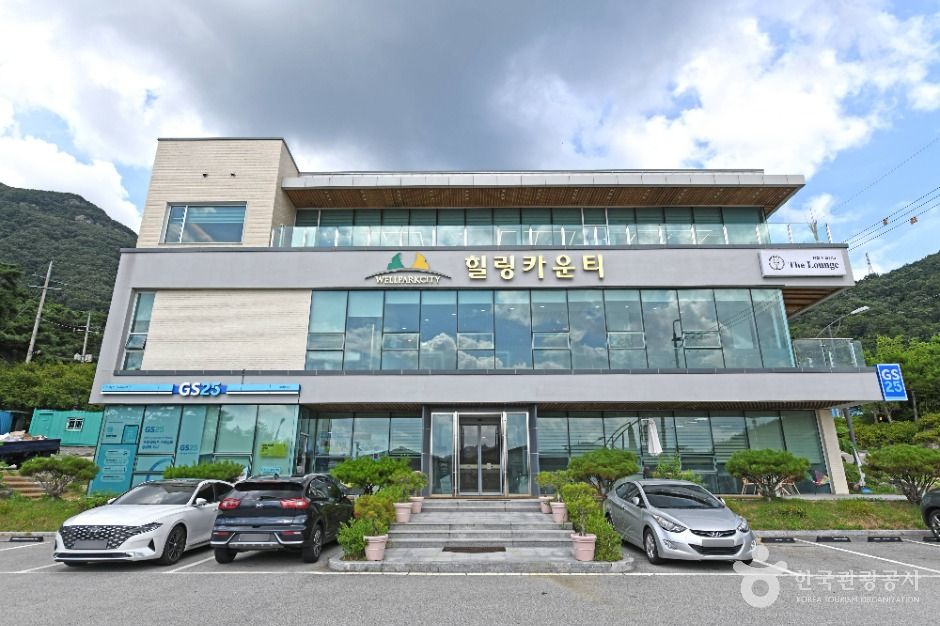
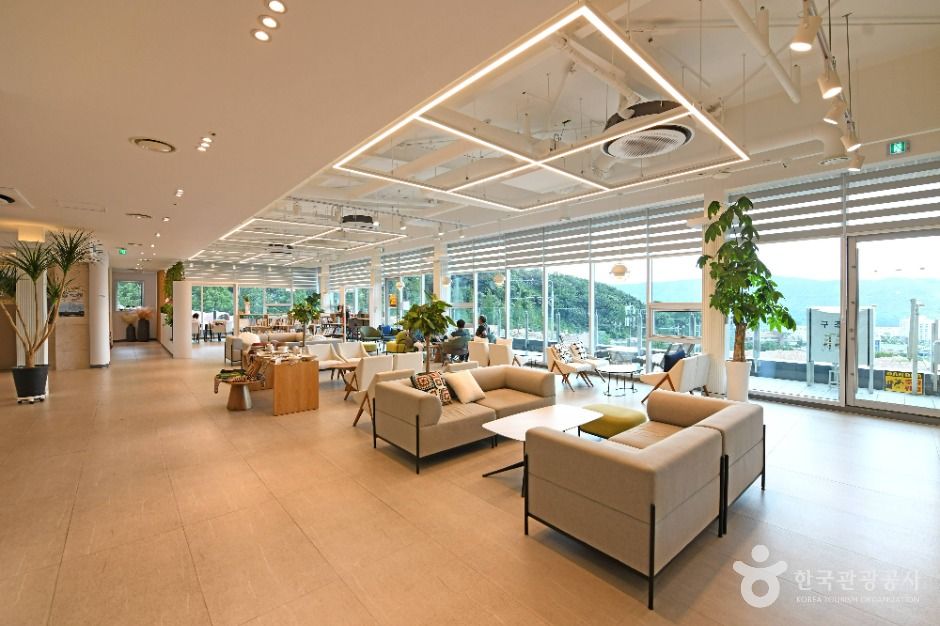
Gochang Wellparkcity, located in Gochang-eup, Gochang-gun, is Korea’s largest integrated healing complex, spanning 1,501,011.3㎡. It offers a wide range of facilities, including Healing County, Seokjeong Hue Spa, dining, massage, and medical services. Visitors can enjoy both tourism and leisure at this family-friendly resort. It is also a representative leisure and recreation facility where guests can take part in immunity-strengthening programs while staying in clay and cypress wood pensions. Seokjeong Hue Spa uses hot spring water containing germanium for therapeutic baths. The lockers, dining areas, and convenience amenities can accommodate up to 2,000 users simultaneously. Other facilities include Seokjeong Wellpark Hospital for health and recuperation after retirement; Gochang Tower, a silvertown for systematic health management and retirement preparation; and the family-oriented Seokjeong Hill Country Club for golf.


Homepage

http://www.wellparkcity.com/


Information Use

Contact and Information : +82-63-560-7300

Hours : Hours vary by facility. Please refer to the website.


Location

173, Seokjeong 2-ro, Gochang-eup, Gochang-gun, Jeonbuk-do
Gangneung Metaverse Experience Center (강릉메타버스체험관)

Gangneung Metaverse Experience Center (강릉메타버스체험관)

2026-02-11

131 Nanseolheon-ro, Gangneung-si, Gangwon-do

Right next to Gyeongpoho Lake, the Gangneung Metaverse Experience Center lets visitors explore the city’s history and culture through virtual reality. Spread across three floors, it features interactive exhibits and VR/AR programs that mix tradition with modern technology—fun for families with kids. It’s also a great way to start or end the Gangneung trip as it gives an overview of the city's landmarks.

Gunsan Oreum Volcanic Cone (군산오름)

Gunsan Oreum Volcanic Cone (군산오름)

2026-02-09

564 Changcheon-ri, Andeok-myeon, Seogwipo-si, Jeju

Gunsan Oreum Volcanic Cone stands behind Nandeureu Village on the Seogwipo coast. The climb to the top takes just 30 minutes, and its gentle slope makes it easy for anyone to enjoy. From the summit, you’ll find wide-open views of the sea and Hallasan Mountain. In "Welcome to Samdal-ri (2023)," this is the olle trail where Sam-dal, after hitting rock bottom, returns home in search of herself.

Soyangho Makguksu Street (소양호 막국수거리)

Soyangho Makguksu Street (소양호 막국수거리)

2026-02-05

Cheonjeon-ri, Sinbuk-eup, Chuncheon-si, Gangwon-do

Makguksu (buckwheat noodles) is a traditional dish made from coarse buckwheat flour, where only the outer husk of the grain is removed. Originally served to honored guests in the Chuncheon region, the dish gained widespread popularity after the Korean War as a staple food during times of economic hardship. Today, the area near Soyangho Lake in Chuncheon is famous for its dedicated "Makguksu Street," a destination frequented by both tourists and locals alike. The noodles can be enjoyed in a chilled kimchi or dongchimi (radish water kimchi) broth, or served dry and tossed with vegetables and seasonings. Diners often customize the flavor with vinegar, mustard, or a splash of broth. For a complete meal, it is common to pair the noodles with other regional specialties like memilbuchim (buckwheat pancake) or savory memiljeonbyeong (buckwheat crepe). The district is also conveniently located near several attractions, including the scenic Jungdo Tourist Resort at Uiamho Lake and Korea’s first Animation Museum, making it an excellent stop for a day trip.

Former Gim Yu-jeong Station (김유정역 폐역)

Former Gim Yu-jeong Station (김유정역 폐역)

2026-02-05

1435 Gimyujeong-ro, Sindong-myeon, Chuncheon-si, Gangwon-do

Originally opened as Sinnam Station in 1939, this site was renamed Gim Yu-jeong Station in 2004, marking the first time in Korean history a railway station was named after a person. While the original building closed in 2010 with the opening of the new Gyeongchun Line, it has since been preserved and developed into a popular retro tourist attraction. The new station building features traditional Korean architecture, while the adjacent old station remains frozen in time. The old platform is now a photo zone decorated with playful signs, and the station’s interior retains its original nostalgic atmosphere. Adding to the charm, a retired Mugunghwa train rests on the tracks, repurposed as a cozy book café and a tourist information center. The grounds also feature an outdoor wedding venue that is available for public use free of charge.

Bamnidan Street (밤리단길)

Bamnidan Street (밤리단길)

2026-02-05

Jeongbalsan-dong, Ilsandong-gu, Goyang-si, Gyeonggi-do

Bamnidan Street is a trendy neighborhood in Ilsan nestled within the alleyways of the antique furniture street, located just a six-minute walk from Exit 1 of Pungsan Station. Following the popularity of Seoul’s famous "dan-gil" districts, this area has transformed into a vibrant cultural hub filled with global cuisine, unique bakeries, and stylish cafes that serve as perfect photo spots. Visitors can also enjoy a local pond and a musical fountain, which are particularly beautiful when illuminated at night. For those looking for a unique travel experience that blends antique aesthetics with a modern culinary scene, this neighborhood is well worth a visit.

Gyeongjusanseong Fortress Food Village (행주산성먹거리촌)

Gyeongjusanseong Fortress Food Village (행주산성먹거리촌)

2026-02-05

89 Haengju-ro 15beon-gil, Deogyang-gu, Goyang-si, Gyeonggi-do

Located in the Haengjunae-dong and Haengjuoe-dong areas of Deogyang-gu, Goyang, this food village sits along the banks of the scenic Hangang River. Its prime location allows visitors to enjoy a variety of local dishes while overlooking the river and the historic Haengjusanseong Fortress. While the area primarily focused on grilled eel and spicy fish stews in the 1970s, it has since grown into a diverse culinary hub with dozens of restaurants. The grilled eel remains a national highlight, known for its high quality and the distinct flavor of being charcoal-grilled. On weekends, the village is a favorite stop for tourists visiting the fortress. Beyond its famous eel, the area is well known for its "noodle village," which serves affordable and hearty portions of janchi guksu (banquet noodles). Visitors can also enjoy other traditional favorites such as pajeon (green onion pancake) and dotorimuk (acorn jelly salad).

Haengjuoe-dong Eel Village (행주외동 장어마을)

Haengjuoe-dong Eel Village (행주외동 장어마을)

2026-02-05

31-16 Haengjusanseong-ro 144beon-gil, Deogyang-gu, Goyang-si, Gyeonggi-do

Located on the approach to Haengjusanseong Fortress, the site of a major 16th-century military victory during the Imjin War (1592), Haengjuoe-dong Eel Village is a popular dining destination. The area features a cluster of restaurants specializing in grilled eel, though many establishments also offer local dishes like seafood stews and spicy soups. With their spacious seating and welcoming atmosphere, these restaurants are an ideal spot for large groups and family gatherings looking to enjoy a meal after exploring the nearby historic sites.

Simgokseowon Confucian Academy (심곡서원)

Simgokseowon Confucian Academy (심곡서원)

2026-02-05

16-9 Simgok-ro, Suji-gu, Yongin-si, Gyeonggi-do

Simgokseowon Confucian Academy is a traditional Joseon-era academy dedicated to the influential scholar Jo Gwang-jo (1482–1519). The academy architecturally notable for its classic layout, featuring a lecture hall in the front and a shrine in the back. Remarkably, it is the only academy honoring Jo Gwan-gjo that survived a 19th-century government decree to close such institutions, remaining perfectly preserved today. The site is easily accessible by city bus from Sanghyeon Station on Sinbundang Line. Its central location makes it a convenient stop when visiting nearby landmarks like the Korean Folk Village, Suwon Hwaseong Fortress, or Everland.

Gwibigo (Yeonorang Seonyeo Theme Park) (연오랑세오녀테마공원 귀비고)

Gwibigo (Yeonorang Seonyeo Theme Park) (연오랑세오녀테마공원 귀비고)

2026-02-05

3012 Homi-ro, Donghae-myeon, Nam-gu, Pohang-si, Gyeongsangbuk-do

The legend of Yeonorang and Seonyo, a cornerstone of Pohang’s folklore, stands as Korea’s most significant solar and lunar myth. The tale tells of a devoted couple whose departure from the ancient Silla Kingdom for Japan caused the sun and moon to lose their light, plunging the land into darkness. According to the myth, the light was restored only after a ritual was performed using silk woven by Seonyo. Today, this story is preserved at Gywibigo, an exhibition hall located within the Yeonorang Seonyo Theme Park. The facility functions as a cultural space that combines regional storytelling with modern technology, featuring dedicated areas for animations, VR, and media exhibits. Through various educational programs and special exhibitions, the center provides visitors with an accessible way to explore the historical and aesthetic significance of this ancient narrative.

Goyang Heungguksa Temple (흥국사(고양))

2026-02-05

82 Heungguksa-gil, Deogyang-gu, Goyang-si, Gyeonggi-do

Heungguksa Temple was founded in AD 661 by the renowned monk Wonhyo. While practicing on nearby Bukhansan Mountain, Wonhyo followed an auspicious light to this site, where he discovered a stone statue of the Bhaisajyaguru Buddha. Believing the location was destined for greatness, he built a temple here and named it Heungseongam, predicting that many saints would emerge from its grounds. Though much of its early history is unrecorded, the temple saw significant development during the 17th and 18th centuries. Throughout the late 19th century, dedicated monks continued to rebuild and expand the grounds, adding several key halls and sacred art that remain part of the temple’s enduring legacy.