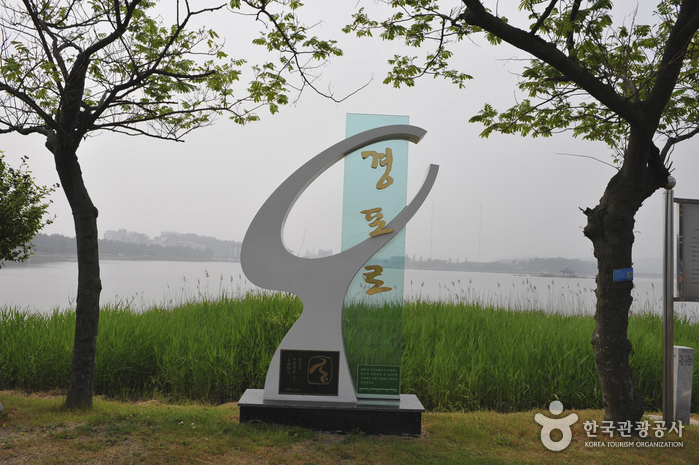
Gyeongpo Provincial Park (경포도립공원)
2026-11-11
San 284-1, Sacheon-myeon, Gangneung-si, Gangwon-do
Gyeongpo Provincial Park was officially opened on June 26, 1982. It houses many cultural assets and memorial sites centered around Gyeongpodae Pavilion, Gyeongpoho Lake, and Gyeongpo Beach. One of the eight scenic spots in Gwandong (old name of Gangwon-do), Gyeongpodae is famous for viewing the moon, as well as fishing at Gyeongpoho Lake. However, fishing is now prohibited due to the lake being designated as a natural protection area. Gyeongpo Beach is thought to be the best beach on the East Coast. The crystal waters of Gyeongpo Beach, elegant Gyeongpoho Lake, Gyeongpodae Pavilion, Banghae Pavilion, Hohae Pavilion, Gyeongho Pavilion, and Gyeongyangsa Temple make Gyeongpo Provincial Park a great vacation attraction year round. Known as one of the most scenic locations in Gangwon-do, visitors can enjoy cherry blossoms in the spring, swimming in the summer, and deep-sea fishing and walking on the beach in the winter.
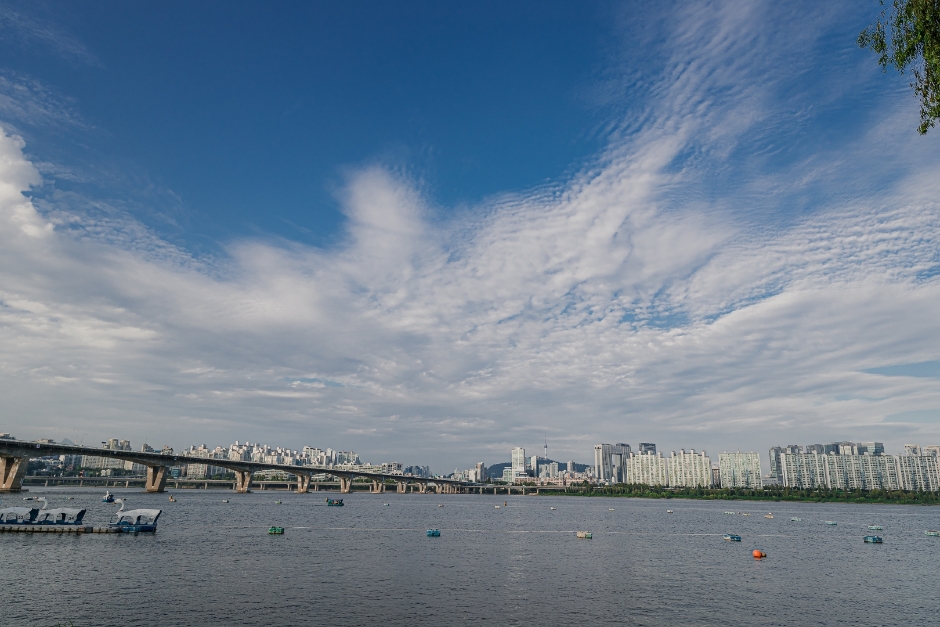
Yeouido Hangang Park (여의도한강공원)
2026-11-11
330 Yeouidong-ro, Yeongdeungpo-gu, Seoul
Situated in Yeouido, the heart of politics, media, banking and finance, Yeouido Hangang Park is easily accessible via public transportation. The park hosts many exciting events, from the Yeouido Cherry Blossom Festival in spring to the International Fireworks Festival in fall, as well as concerts and marathons throughout the year. Well-preserved natural areas such as Bamseom Island and Yeouido Saetgang Tributary provide visitors with an opportunity to learn about nature and ecology. In addition, thanks to the Hangang Renaissance Project, the park is full of new attractions: the Water Light Square, waterside fountains, a riverside stage, a yacht marina, and more.The Yeouido Hangang Park also served as a backdrop for filming episode 12 of the drama "Divorce Attorney Shin (2023)," where the characters Seong Han and Jeong Guk discuss custody. It is a popular spot in Seoul that is enjoyed by tourists and residents alike and known for its beautiful and eco-friendly natural landscapes.
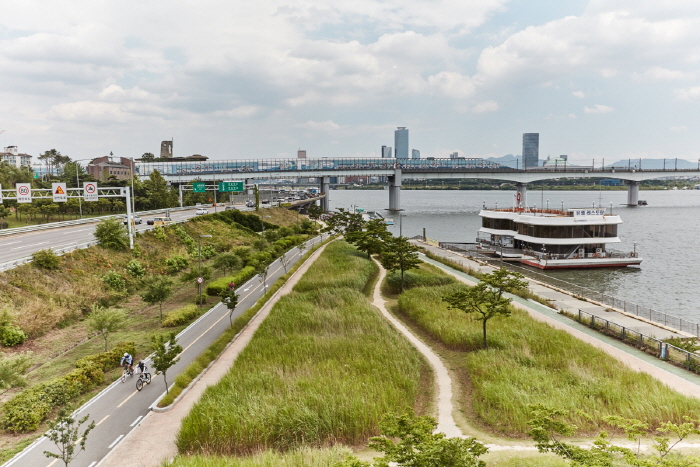
Mangwon Hangang Park (한강시민공원 망원지구 (망원한강공원))
2026-11-11
467 Maponaru-gil, Mapo-gu, Seoul
Near Mapo-gu, Mangwon Hangang Park is situated on the northern part of the river, between Wonhyodaegyo Bridge and Seongsandaegyo Bridge. It offers lush grass perfect for picnics and promenades. Since it’s located close to the World Cup Stadium, this spacious park is often full of residents and visitors. There is a wide array of excellent amenities: a bike trail, an outdoor swimming pool, sports facilities, and a dock for water sports such as yachting, waterskiing, and motor boating. Cultural attractions near the park include Mangwon Pavilion and Jeoldusan Martyrs’ Shrine.

Yanghwa Hangang Park (한강시민공원 양화지구(양화한강공원))
2026-11-11
221, Nodeul-ro, Yeongdeungpo-gu, Seoul
Situated on the southern part of the Hangang River, Yanghwa Hangang Park stretches between the mouth of Yeouido Saetgang Tributary and the Gayang Bridge in Gangseo-gu, Seoul. This spacious park is lush with vegetation and offers a spectacular view of the river. The park is located nearby a number of other attractions including Seonyudo Park, an island in the river, which has been transformed into an ecological park; Seonyu Bridge; and the World Cup Fountains, with jets shooting 202 meters in height. There is a wide bike trail that runs through the park that connects this park with the other Hangang River Parks. Every May, the bike trail is flanked by lush green grass and beautiful roses, making it the ideal photo spot.
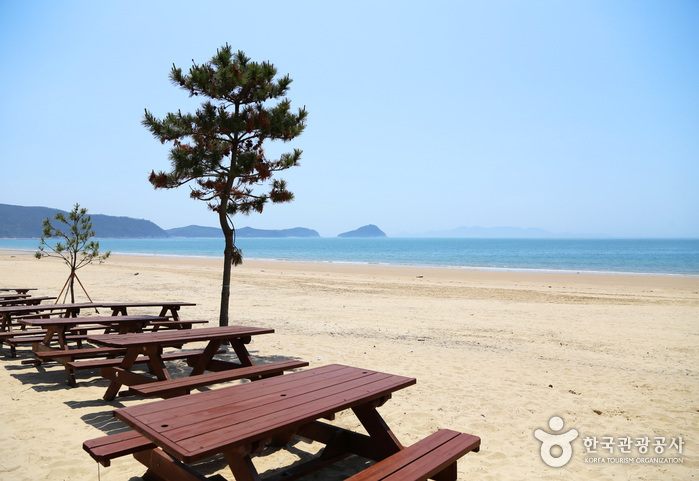
Sinji Myeongsasimni Beach (신지 명사십리해수욕장)
2026-11-11
Sinji-myeon, Wando-gun, Jeonnam-Gwangju Special Metropolitan City
Sinji Myeongsasimni Beach is located at the center of Dadohaehaesang National Park. The beach got its name from its singing sand, and the name can be literally translated to "sound of sand that can be heard from 4 kilometers away." The beach shore has a width of 150 meters and a length of 4 kilometers, covered with shimmering silver sand, and forms a gradual slope into the shallow water. The beach is not only popular for water activities, but also for its fine sand massage.
Yeongokhaebyeon Beach (Yeongok Beach) (연곡해변(연곡해수욕장))
2026-11-11
1282, Haean-ro, Gangneung-si, Gangwon-do
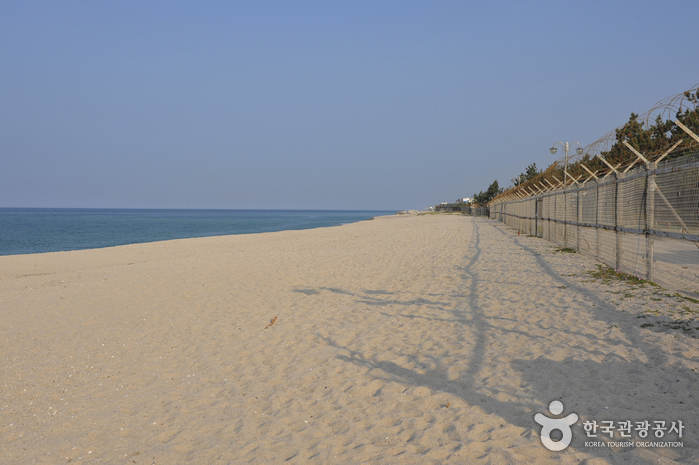
Situated in Yeongok-myeon, Dongdeok-ri, Yeongokhaebyeon Beach has a spacious sandy shore that spans 56,000 ㎡ with a length of 700 meters. Backed by a lush pine forest, this beach is ideal for camping. Fishing lovers can enjoy catching sweetfish at Yeongokcheon Stream flowing from the Sogeumgang River; there are a variety of restaurants offering delicious Korean food along the stream as well. Dongdeok-ri used to be home to a railway station and a traditional market. Trading ships—moving between the Hamgyeong and Gyeongsang areas—used to populate the beach. The beach and its surrounding attractions are great for both hiking and swimming.

Bugaksan Mountain (북악산)
2026-11-12
Cheongun-dong, Jongno-gu, Seoul
Bugaksan Mountain on the southern ridge of Bukhansan Mountain is the highest of the mountains surrounding the Seoul basin. This peak was the starting point of the old Seoul Fortress Wall. The Bugaksan Skyway, extending from Changuimun Gate, is a scenic road connecting Changuimun Gate to Bugak Palgakjeong Pavilion at the summit; it is a scenic drive offering excellent views of the dense forest and the Seoul cityscape at a glance. It is also connected to the Cheong Wa Dae and Samcheong Park. Historically, Bugaksan was a scenic area with a dense forest of pine trees where scholars of the Joseon dynasty frequently visited; however, due to subsequent logging, the pine trees have disappeared, and oak trees are now predominant. During the reign of King Sukjong of Goryeo, the area in the foothills of Bugaksan was the site of the palace for Namgyeong, the southern capital, and was called Myeonak at the time. It is said that later, the mountain was also referred to as Baekaksan Mountain. The name Bugaksan was given during the Joseon dynasty because of it location to the north of Hanyang, the capital city. Upon the founding of the Joseon dynasty, it was praised by the monk Muhak as a sacred mountain imbued with the energy of the royal family, leading to the construction of the Joseon dynasty's palace beneath it and its designation as the capital. Gyeongbokgung Palace was constructed at the base of Bugaksan Mountain in 1394.
Waryong Park (와룡공원)
2026-11-11
192, Waryonggongwon-gil, Jongno-gu, Seoul
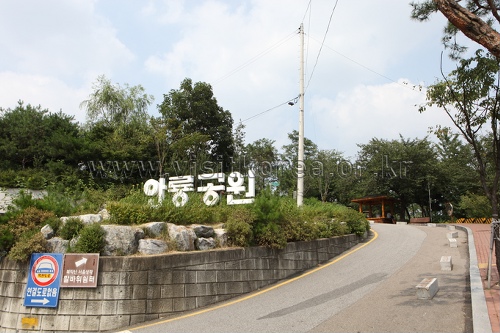
Situated in Myeongryun-dong in Seoul and established in 1984, Waryong Park is located near Malbawi, one of the best overlooks from which to see the city of Seoul. The park is close to natural attractions such as Samcheong Park, Changgyeong Park, and Bugaksan Mountain. Although it was difficult to grow trees in the park because of the shallowness of the soil, many citizens participated in the nationwide campaign to plant over 10 million trees across the country, transforming places like Waryong into lush areas filled with flowering plants. In the park, spring blooms forth in a colorful assortment of cherry trees, plum blossoms, azaleas, and forsythias, making it a popular destination for family visitors. There are also a variety of excellent amenities: badminton courts, aerobic fields, fitness facilities, and pavilions, wonderful for exercise, leisurely walks, or simply taking a break. A famous hiking trail, running between the Seoul Fortress Wall and Samcheong Park, passes right through the park. Flanked by cherry blossoms, the trail attracts nature lovers throughout the year and especially in spring, when the trees are in full bloom. The trail also passes by the Fortress Wall in Bugaksan Mountain.
Pyeongsari Park (평사리공원)
2026-11-11
3145-1, Seomjingang-daero, Hadong-gun, Gyeongsangnam-do
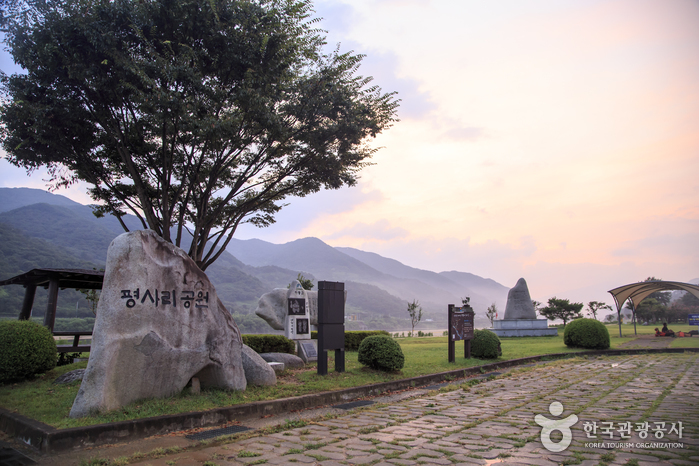
Situated along Seomjingang River between Gurye and Hadong, Pyeongsari Park was built for the enjoyment of summer tourists to the area. In addition to the beautiful river, the park is home to campgrounds, numerous shaded rest spots, basketball courts, soccer fields, and an abundance of parking space. Decorated with Jangseung (totem poles, which used to be set at the entrance of villages), the spacious park is full of excellent amenities: barbecue grills, benches, drinking fountains, and clean bathrooms. The sandy banks of the river offer a unique opportunity to catch marsh clams. Pyeongsari Park and its nearby attractions appeared in Toji (The Land), the epic historical novel by Park Kyung-ni. Visitors may want to tour the group of houses that have been reproduced to commemorate the novel, including the famous Choi Champan House. Nearby attractions include Hwagae Market, Ssanggyesa Temple, and Seomjingang Maehwa Village, host of the Gwangyang Maehwa Festival.
Pocheon Sanjeonghosu Lake (포천 산정호수)
2026-11-11
402 Sanjeonghosu-ro, Yeongbuk-myeon, Pocheon-si, Gyeonggi-do
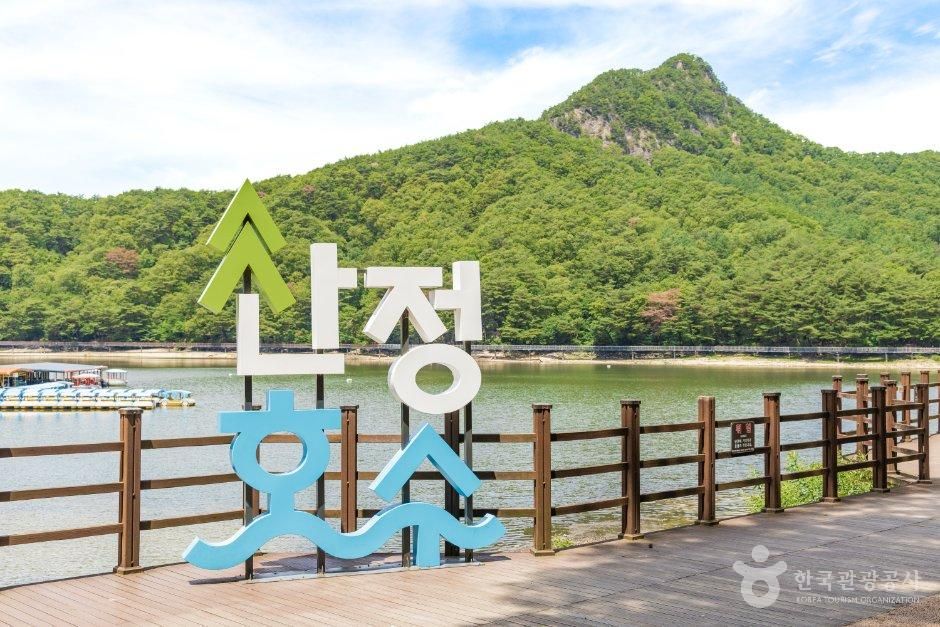
Sanjeonghosu Lake offers clear water and beautiful mountain scenery. It was created in 1925 as an agricultural reservoir and is situated near Myeongseongsan Mountain, Jainsa Temple, Deungnyongpokpo Falls, and Biseonpokpo Falls. Designated as a National Tourist Site in March 1977, it attracts many visitors; in particular, the night fog over the lake in spring and autumn creates a spectacular view, making the walking paths around the lake famous. An amusement park, sculpture park, boat dock, swimming pool, and sledding slope have been established in the surrounding area.
 English
 한국어
 日本語
 中文(简体)
 Deutsch
 Français
 Español
 Русский


