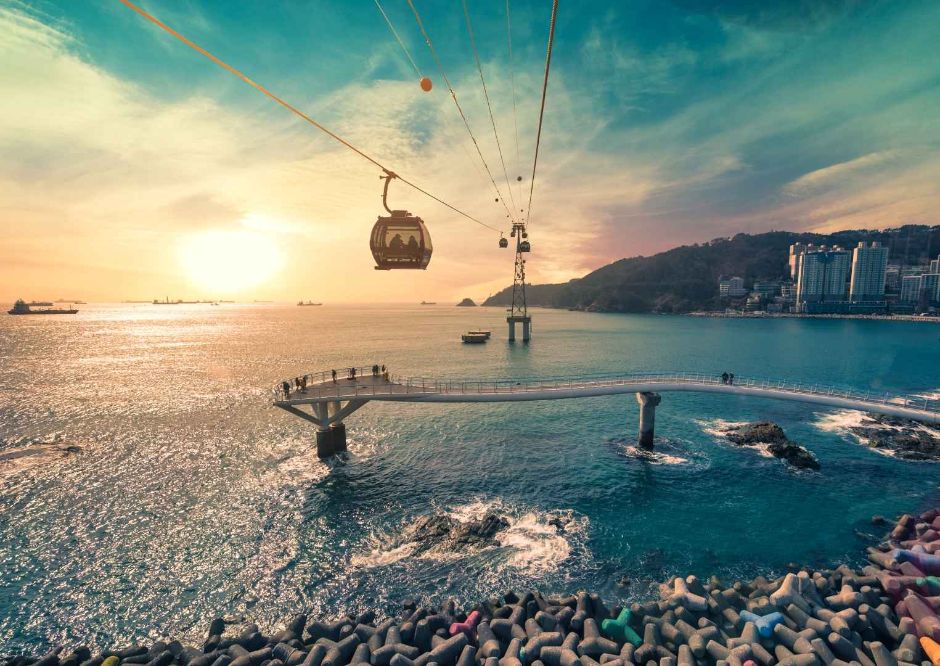
Busan Air Cruise (부산 송도해상케이블카)
2025-10-24
171 Songdohaebyeon-ro, Seo-gu, Busan
Busan Air Cruise was built to revive the reputation of Songdo Beach, the first public beach in Korea opened nearly 30 years ago. Thirty-nine cabins, including crystal cabins with transparent floors, travel over the ocean between Songnim Park on the east and Amnam Park on the west. Visitors can also enjoy the first cable car museum in the nation at Songdo Doppelmayr World, Asia's first midair swing Sky Swing, theme park photo services and more.
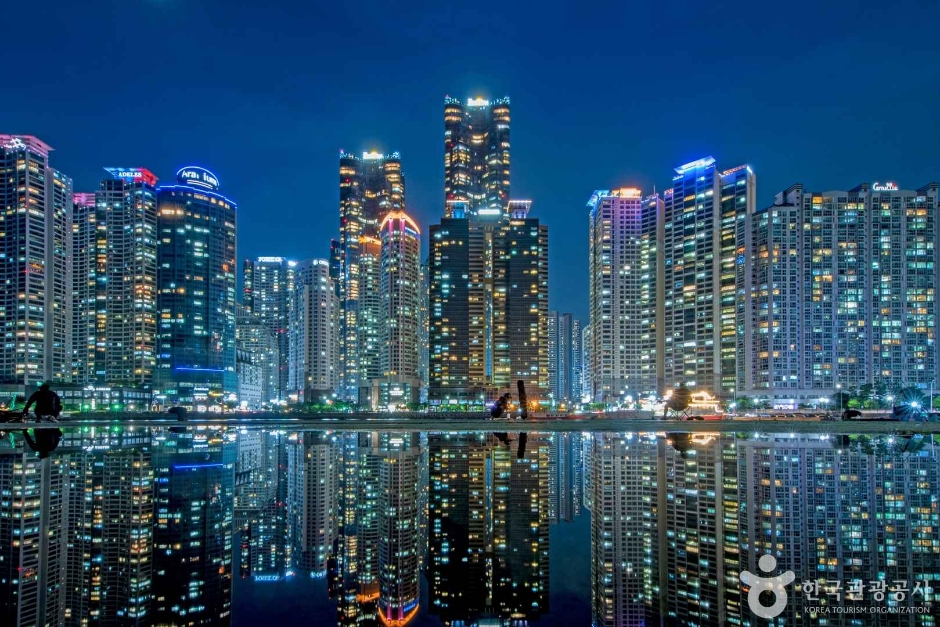
Marine City (마린시티)
2025-07-21
U-dong, Haeundae-gu, Busan
When the lights are up after sundown, the nightscape of the Marine City can compete with world famous nightscape locations such as Hong Kong and Shanghai. With various restaurants, cafes and bars along the street, it is a popular destination for people of all ages.
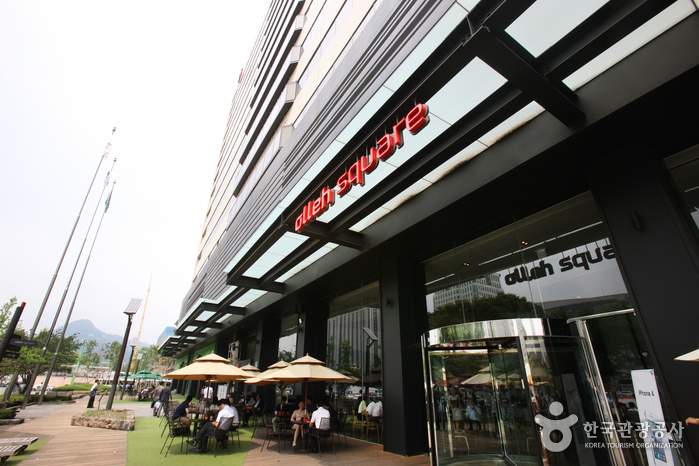
KT Square (KT스퀘어)
2021-07-08
178, Sejong-daero, Jongno-gu, Seoul
KT Square is a multi-complex that offers various cultural performances as well as hands-on experiences of the latest in IT technology. Gallery 130 showcases the history of KT Corp.
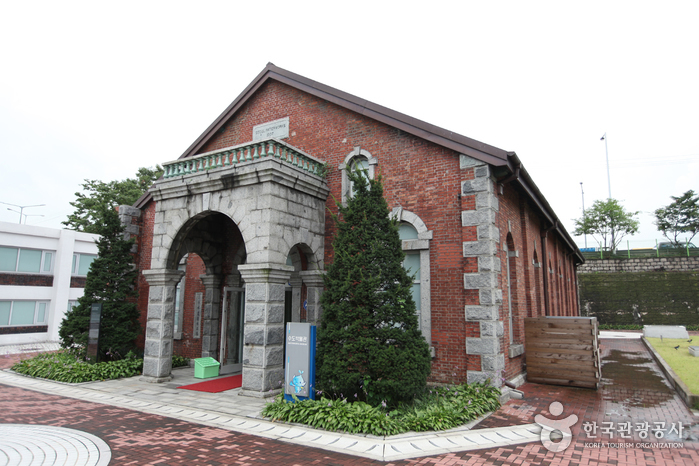
Waterworks Museum (수도박물관)
2025-01-17
27, Wangsimni-ro, Seongdong-gu, Seoul
The Ttukseom Water Purification Plant (Waterworks Museum and Slow Sand Filtration Basin) was completed in August 1908 as the first water purification plant ever built in Korea. In 2008, it celebrated 100 years of history with the opening of the Waterworks Museum, which showcases the history and value of Seoul's public waterworks. The museum was recognized for its modern architectural design and designated Tangible Cultural Asset of Seoul No.72.
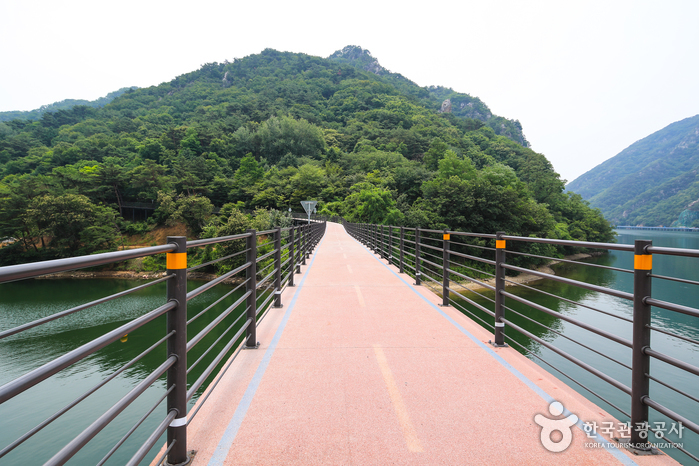
Uiamho Lake Skywalk (의암호스카이워크)
2025-10-24
485 Chiljeon-dong, Chuncheon-si, Gangwon-do
The Uiamho Lake Skywalk is set along the lakeside trail of Uiamho Lake. It features a floor entirely made of transparent glass, offering visitors the unique sensation of walking on water. This scenic vantage point provides picturesque views of Uiamho Lake, making it an ideal location for a leisurely stroll or bike ride amidst the breathtaking landscape.
◎ Travel information to meet Hallyu’s charm
This is where the NCT members carried out their first mission in “NCT LIFE in Chuncheon & Hongcheon.” Along the trail, they completed three hidden missions while playfully teasing a nervous Doyoung—a charming moment fans won’t forget.
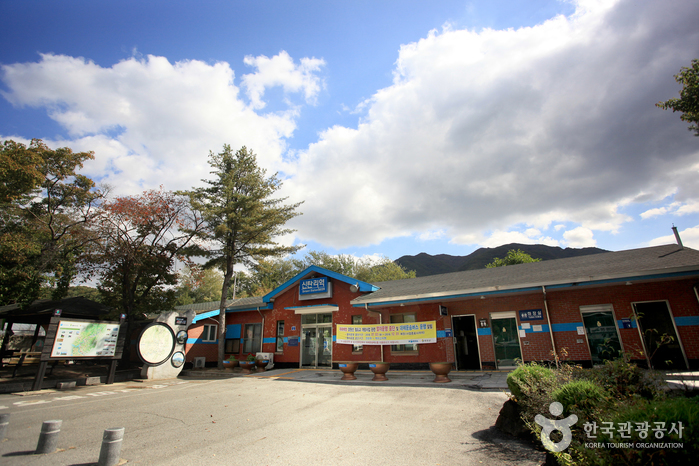
Sintan-ri Station (신탄리역)
2021-08-18
4, Godaesan-gil, Yeoncheon-gun, Gyeonggi-do
+82-1544-7788
Sintan-ri Station, located on the Gyeongwon Line between Daegwang-ri and Baengmagoji Stations, opened on July 10, 1913. It was part of North Korean land after 1945, but was returned to South Korea in 1951. A sign labeling the station as the final station on the line was installed in 1971. With the opening of Baengmagoji Station on November 20, 2012, the station lost its title as the last station. However, many people still consider it as such, with many visitors coming to see the old sign.
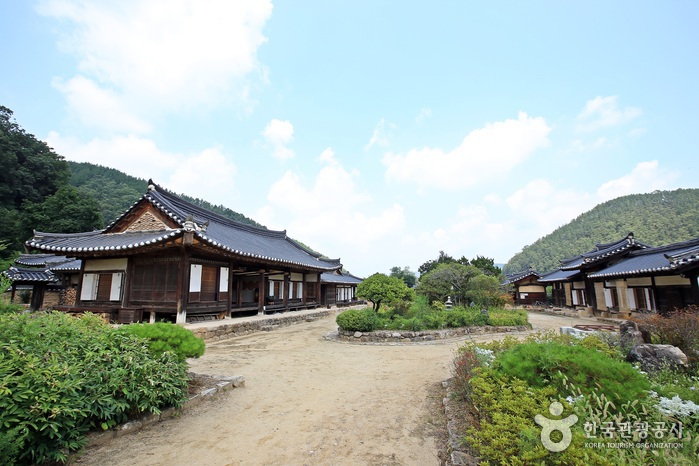
Songso House (청송 송소고택)
2021-10-25
15-2, Songsogotaek-gil, Cheongsong-gun, Gyeongsangbuk-do
Located in Cheongsong, Gyeongsangbuk-do, Songso House also known as "Sim Wealthy Family House" was built around the 1880s. The house has all the features of a typical aristocrat house during the Joseon dynasty, consisting of a large sarangbang (main building) and individual chambers with a square-shaped front yard at their center.
The complex has an annex building on the side, where it has been renovated and now used as a guesthouse for travelers. Visitors spending a night at this traditional building can enjoy the quiet and peaceful atmosphere, as well as try out playing various traditional games.

Mokpo Marine Cable Car (목포 해상케이블카)
2026-06-30
240 Haeyangdaehak-ro, Mokpo-si, Jeonnam-Gwangju Special Metropolitan City
Mokpo Marine Cable Car departs from the North Port Terminal, ascends to the summit of Yudalsan Mountain where it rotates 90 degrees, then traverses over Mokpo and the Dadohae Sea to reach Gohado Island. Covering a distance of 3.23 kilometers with peak elevation at 155 meters, the round trip takes approximately 40 minutes.

Hwarangdae Railroad Park (화랑대 철도공원)
2023-08-11
Gongneung-dong, Nowon-gu, Seoul
Hwarangdae Railroad Park is a 400-meter-long light park featuring 10 different themed courses with various lit sculptures. It was renovated from abandoned Hwarangdae Station. Visitors can see ann exhbition of real trains that operated in the past and enjoy a cup of coffee at the train cafe.
Yeongsangang River Culture Pavilion (영산강문화관)
2020-06-09
90, Seungchonbo-gil, Nam-gu, Gwangju
+82-62-335-0866
With the slogan “Yeongsangang River, where Nature and Life Coexist,” Yeongsangang River Culture Pavilion consists of an open space that blends well with the surrounding natural environment. The center provides a variety of educational programs and hands-on events, through which visitors can increase their understanding of the Yeongsangang River restoration project, the history of Namdo region, and the cultural and ecological environment of the area.
 English
 한국어
한국어 日本語
日本語 中文(简体)
 Deutsch
 Français
 Español
 Русский


