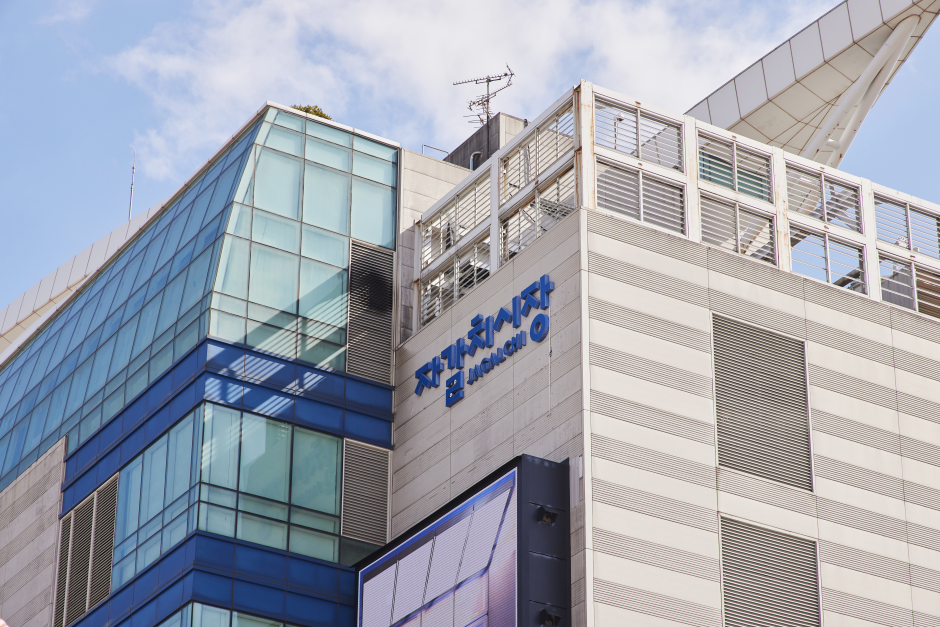
Jagalchi Market (부산 자갈치시장)
318.8M 2025-04-15
52 Jagalchihaean-ro, Jung-gu, Busan
+82-51-245-2594
Jagalchi Market, located on the seaside road in Busan's Jung-gu, is one of the largest seafood markets in Korea, selling both live and dried fish. After the Korean War, the market solidified itself as a fish market. Most of the people who sell fish are women, so the vendors here are called Jagalchi Ajumeoni, "ajumeoni" meaning middle-aged or married woman in Korean.
This market represents Busan and is famous throughout the country. Visitors can eat fresh raw fish right at the market. Even nowadays visitors can see women selling mackerel, sea squirts (ascidians) and other seafood on wooden boxes along the road outside of the market and along the shore.

First Eye Clinic (퍼스트안과의원)
336.6M 2025-09-23
6th–7th Floors, Eungwa & Medical Building, 5 Gudeok-ro, Jung-gu, Busan
Good Ideas for Your Eyes First eye department for your eye health. There are many places where vision correction surgery is performed, such as LASIK and LASEK. However, there are few ophthalmologists that can properly treat eye diseases such as retinal, glaucoma, cataract, and childhood progressive myopia. First Eye Clinic has increased treatment safety and precision by utilizing university hospital-level advanced equipment by medical staff with extensive experience and know-how in surgery for severe eye diseases.
Busan Modern & Contemporary History Museum - Main Building (부산근현대역사관 본관)
381.7M 2025-08-04
112 Daecheong-ro, Jung-gu, Busan
Busan Modern & Contemporary Museum showcases the evolving identity of Busan through various exhibitions and programs. Housed in the former Bank of Korea Headquarters building, the museum's main building is a first-generation Korean architectural building. It features exhibitions and performances by young artists on the basement floor, and houses the Bank of Korea archive room, a café, a lounge and a gift shop on the first floor. The second floor is dedicated to special exhibitions, while the third and fourth floors offer educational spaces and historical exhibitions that trace Busan’s changing identity from the turbulent colonial period to the present day, offering visitors a meaningful glimpse into modern Korean history.
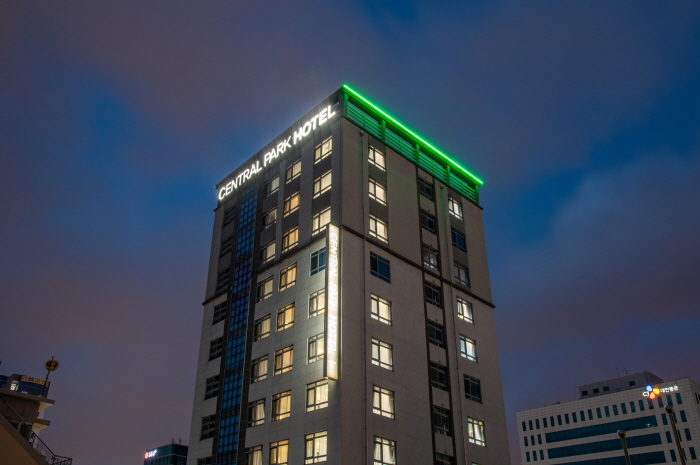
Central Park Hotel (센트럴파크 호텔)
387.1M 2024-08-01
20 , Haegwan-ro, Jung-gu, Busan
+82-51-243-8001
The Central Park Hotel in Jung-gu, Busan, offers rooms with sea views and an indoor terrace next to the elevator - a kind of secret space. There is a car lift parking facility, Busan travel information is available in the lobby, and staff are available 24-hours to help travelers with luggage, etc. The hotel is within easy reach of downtown Busan sites such as Yongdusan Park, Gongbokro Fashion Street, Changseon-dong Food Alley, Bupyeong Jokbal Alley, and BIFF Street.
Gukje Market (국제시장)
390.6M 2025-10-23
Area of Sinchang-ro 4-ga, Jung-gu, Busan
+82-51-245-7389
The current marketplace of Gukje Market first formed after the liberation of Korea from the Japanese administration when people gathered to trade overseas products left by the Japanese and brought in by Koreans who came back from abroad. Following the Korean War, refugees who fled to Busan set up stalls in order to make a living by selling smuggled or imported products, which developed into Gukje Market (gukje meaning "international" in Korean) of today. Gukje Market is one of Korea’s largest markets and a testament to Korea's modern history. The market is divided into two wings, and first-timers to the market are advised to be careful not to get lost in the maze-like alleys and halls.
Gukje Market Food Street (국제시장 먹자골목)
393.5M 2024-03-06
36, Junggu-ro, Jung-gu, Busan
+82-51-245-7389
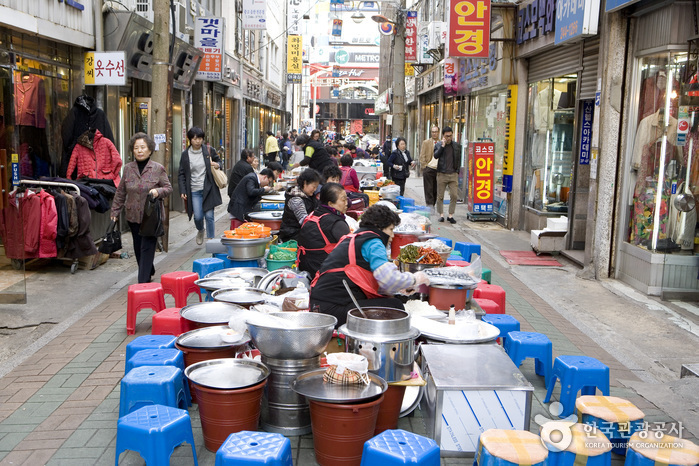
Gukje Market Food Street has more than 60 years of history as one of Busan's traditional markets' most famous food streets. It is known for a number of dishes, such as Chungmu gimbap served with sweet and sour squid salad, sweet-and-spicy tteokbokki, milmyeon (wheat noodles), dwaeji gukbap (pork and rice soup), sundae, patbingsu (shaved ice with red beans), and Busan’s iconic bibim dangmyeon (spicy glass noodles). These dishes are enjoyed on small stools next to the street stalls. The sight of the diners lining the stall is one of the defining views of traditional markets in Korea. Visitors can also find suitable clothing, shoes, and accessories here.
Bupyeong (Kkangtong) Market (부평시장(깡통시장))
576.7M 2025-10-23
48 Bupyeong 1-gil, Jung-gu, Busan
+82-51-243-1128
Busan's Bupyeong Market is also known as Kkangtong (tin can) Market. It earned that funny name when it had a variety of imported canned goods from the United States for the US forces stationed in Korea during the Korean War. It was also known as "Dottegi (bustling plea) Market." All foreign products found in the country at that time were supplied from this market. Due to its vast property and many rare goods that were hard to find anywhere else during the time, it was also referred as "Gukje (International) Market." Nowadays, the market has reduced in size as many foreign products are freely imported, but the reputation and potential still remain. Some imported goods including liquor, clothes, ornaments, accessories, fashion items and electronic goods are still sold here.
A night market opens from 19:30-23:30 at the public parking lot and at Arcade 2 of the market . Along the 110m-long street market are 11 kiosks selling Korean food, 6 kiosks selling international food such as Japanese and Filipino foods, and 13 vendors selling clothes and accessories. The entrance of the market greets visitors with bright LED lights and fun performances. A magic show and a guitar performance take place twice a day by the entrance of the market and the at the four-way intersection inside the market.
Yangsanjip (양산집)
594.8M 2024-12-26
부산광역시 중구 중구로47번길 30
A long-standing dwaeji gukbap restaurant beloved by both vendors and visitors of the Kkangtong Market. The restaurant is small, so it’s often necessary to wait for a seat. Despite this, it remains popular among regulars, who are more than willing to wait. The popular menu item is the suyuk baekban (boiled pork slices set menu), which includes soup, rice, and separately served boiled pork.
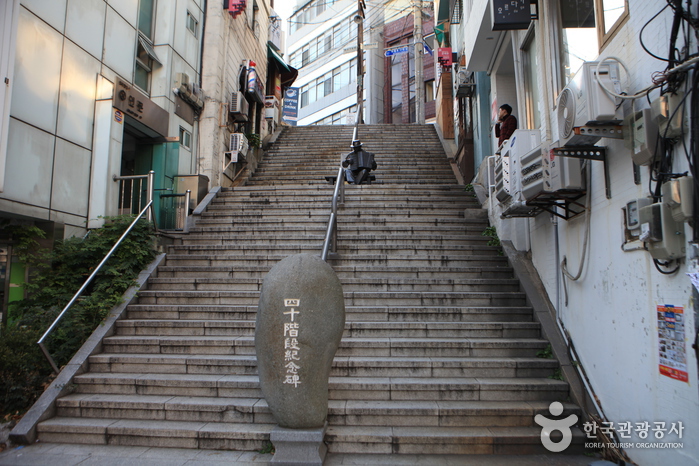
40-step Culture & Tourism Theme Street (40계단 문화관광테마거리)
612.0M 2023-02-21
Area of 40gyedan-gil, Jungang-gu, Jung-gu, Busan
+82-51-600-4046
The 40-step Culture & Tourism Theme Street is a 450-meter street leading up to the 40-step stairway of the '40-step Cultural Center' and continues to the Palseong Tour.
The time-honored 40-step stairway embodies the joys and sorrows of refugees and those displaced by the Korean War. The entire area has been recently renovated to reflect life in Korea in the 50s & 60s.
The 40-step Culture & Tourism Theme Street was designated 'The Best Street' by the Busan municipal government in June 2004.
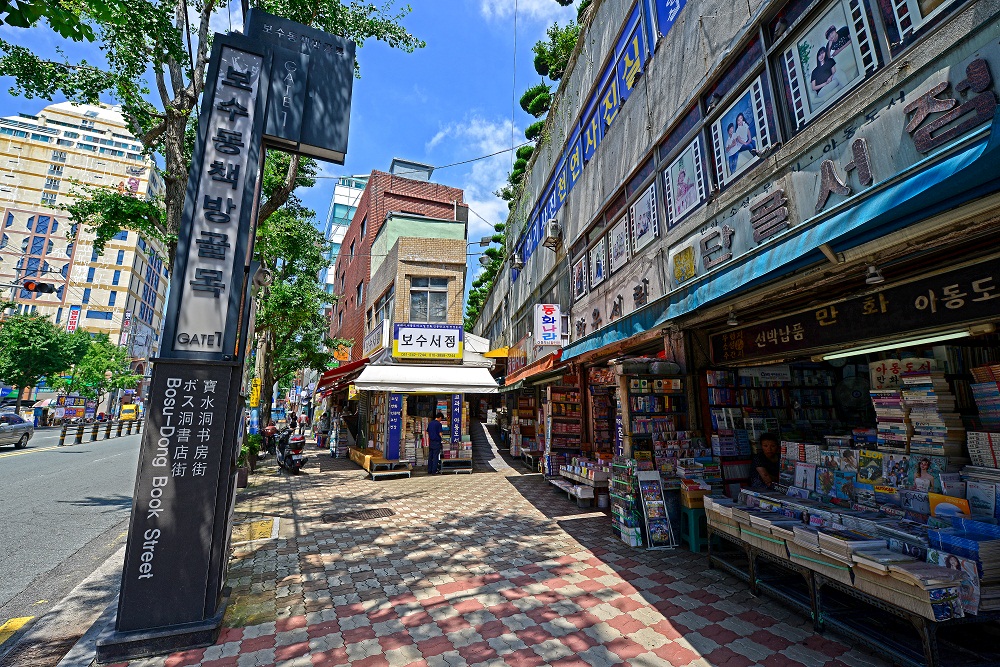
Bosu-dong Book Street Cultural Center(보수동 책방골목 문화관)
612.7M 2023-01-09
8, Chaekbanggolmok-gil, Jung-gu, Busan
+82-51-743-7650
[The used bookstore that sells memories]
Bosu-dong Book Street has a unique background. It was formed after the independence of Korea (August 15) as a residential area in the empty place where the previous Gukje Market was demolished. Book stores began opening one-by-one and soon the street became known as Bosu-dong Book Street. The street is popular amongst booklovers for their used books as well as new books, and amongst travelers for the street’s unique atmosphere. Many young adults also frequent the street because there are many specialty shops for comic books. Every year, the Bosu-dong Culture Festival takes place and visitors can participate in events such as, make-your-own book cover, make-your-own book, and so on. The festival not only gives an opportunity to learn about the history of Bosu-dong Book Street, but have a good time as well.
 English
 한국어
한국어 日本語
日本語 中文(简体)
 Deutsch
 Français
 Español
 Русский


