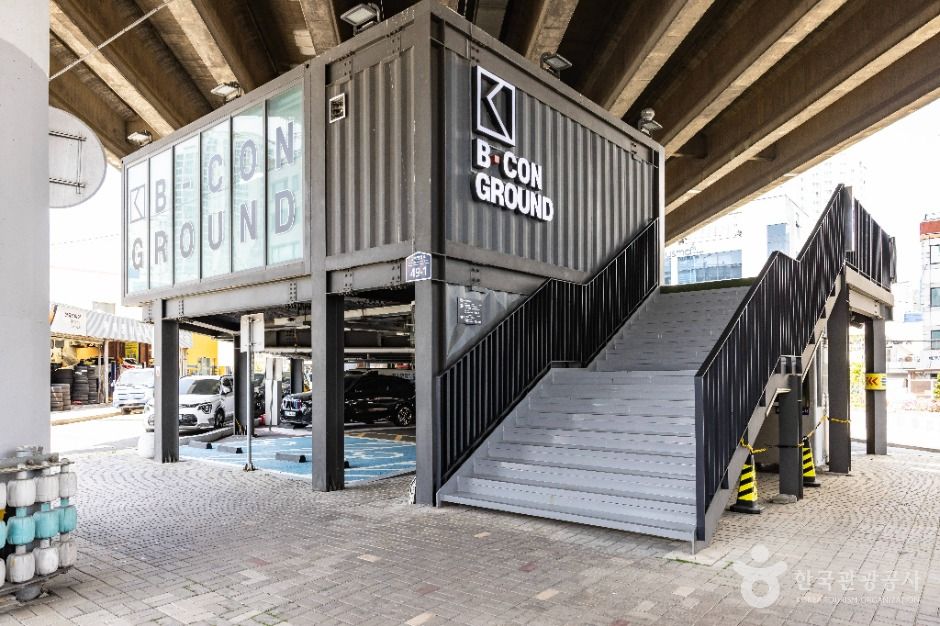
B-Con Ground (비콘그라운드)
10.6Km 2025-11-17
49-1 Mangmibeonyeong-ro, Suyeong-gu, Busan
B-Con Ground is a cultural complex in Busan, built by utilizing the empty space under an overpass. The complex is a cultural hub offering various exhibitions, cultural events, activities, and creative spaces for visitors. From playground and shopping ground to cafes, restaurants, art galleries, and a family deck, it truly offers all under one roof. Moreover, it provides a space for exhibition for disabled artists, as well as a venue for social entrepreneurs to hold exhibitions, cultural events, and sell artwork.

Hyewonjeongsa Temple (혜원정사)
10.8Km 2024-02-22
47 Gobun-ro 68beon-gil, Yeonje-gu, Busan
The "jeongsa" of Hyewonjeongsa Temple refers to a temple, meaning a place where practitioners dwell and dedicate themselves to spiritual cultivation. It houses various halls such as Daeungbojeon, Manbuljeon, Samseonggak, Bell Pavilion, Yosachae, and Statue of Avalokitesvara Bodhisattva. There is a hiking trail leading to the summit of Myobongsan Mountain, from where one can enjoy a panoramic view of Busan city.
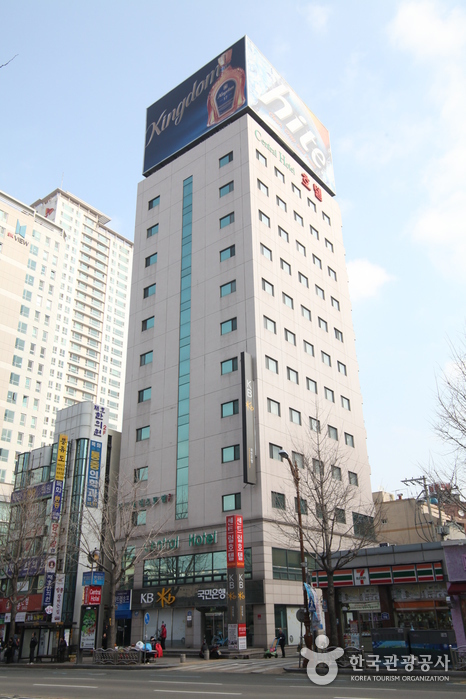
Central Hotel (부산 센트럴호텔)
10.8Km 2024-08-01
1122 , Jungang-daero, Yeonje-gu, Busan
+82-51-866-6525
The Central Hotel in Yeonje-gu, Busan is conveniently located for travellers just 50m away from Yeonsan-dong subway station, while and Busan Station, Gimhae Airport, and Busan Port Passenger Terminal just 30 minutes away by car. The first floor lobby is equipped with bank, coffee shop, and restaurant facilities. Pay-for breakfast is available, and English, Japanese and other foreign languages are spoken.
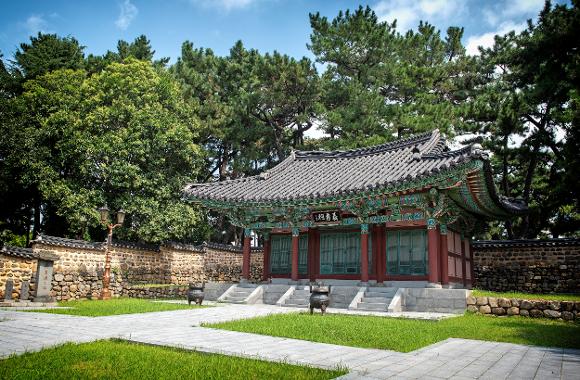
Suyeong Sajeok Park (수영사적공원)
10.8Km 2021-08-06
43, Suyeongseong-ro, Suyeong-gu, Busan
+82-51-610-4372
Suyeong-gu of Busan is a historical district nestled between Geumnyeonsan Mountain and Gwangalli Beach. It was the site of the Gyeongsang Jwado Marine Headquarters during the Joseon dynasty. In fact, its name 'Suyeong' was derived from 'Sugunjeoldosayeong,' meaning 'marine headquarters.'
The Suyeong Sajeok Park was established in commemoration of the spirit of the Suyeong residents. It is designed to show their maritime lifestyle.
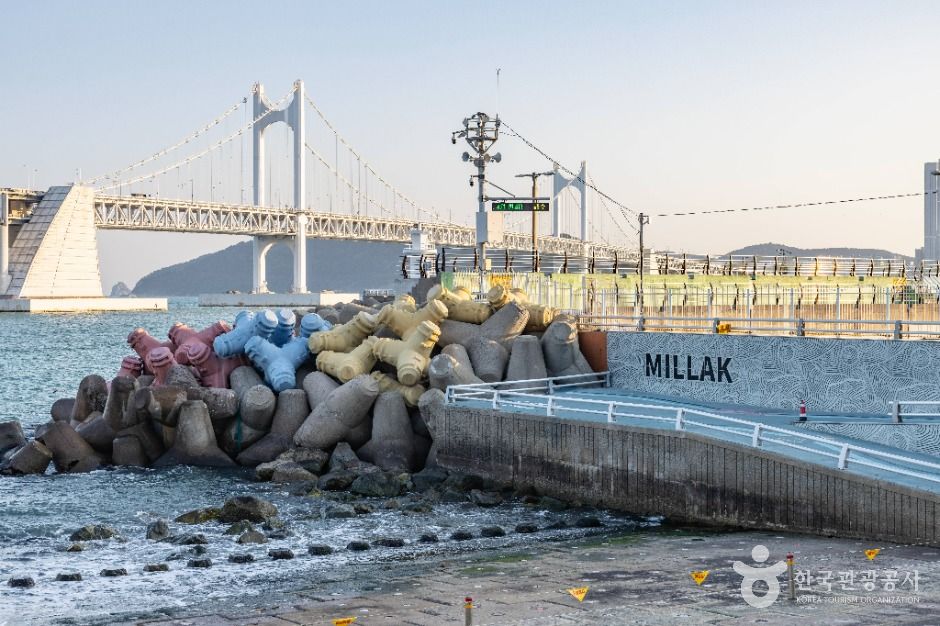
Millak Waterfront Park (민락수변공원)
10.9Km 2025-08-11
Millak-dong, Suyeong-gu, Busan
Suyeong-gu is well known for its long history and traditions, and has beautiful scenery. Geumnyeonsan Mountain has a lush forest and Gwangalli Beach is located in the front. During the Joseon dynasty, this location was a strategically important region. The Millak Waterfront Park was built between August 1992 and May 1997. The park is 543 meters long and 60 meters wide. Located between Haeundae Beach and Gwangalli Beach, it is the first park in Korea to combine the oceanfront with public rest and leisure facilities. The park (about 33,000 ㎡) can accommodate up to 40,000 people and boasts convenience facilities such as gardens, shaded rest areas, and benches. The 3,040 ㎡ platform from which visitors can overlook the beach also serves as a place where people can dip their feet in the ocean when the tide is high.
Subyeon Choego Dwaeji Gukbap Millak Main Store (수변최고돼지국밥 민락본점)
11.1Km 2024-12-26
부산광역시 수영구 광안해변로370번길 9-32
The signature dish is hangjeong gukbap (pork neck and rice soup) made with pork neck. The soup is known for its rich flavor, as it is prepared by simmering pork bones to extract a deep broth.
Mangmidangil Street (망미단길)
11.2Km 2025-11-17
Suyeong-dong, Suyeong-gu, Busan
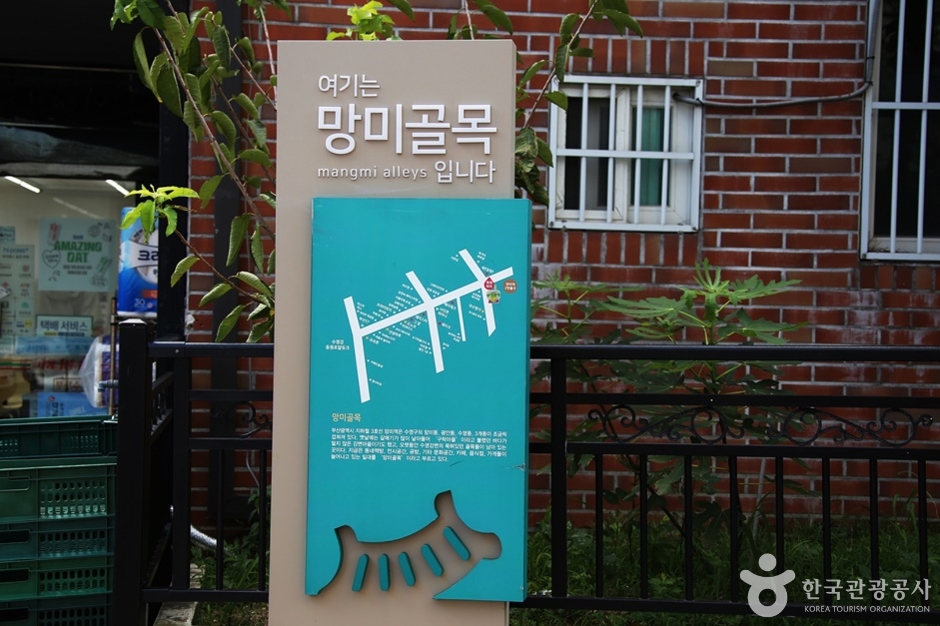
Mangmidangil Street referst to the main street that connects the cultural alleys in Suyeong-gu, Busan. The area is home to a variety of cozy cafes, photo studios, book stores, indie stores, workshop spaces, and clothing stores, attracting many visitors. Nearby attractions include B-Con Ground, a cultural complex featuring various facilities, and Suyeong Sajeok Park, an ideal spot to unwind and explore local history.
F1963
11.4Km 2025-11-17
20 Gurak-ro 123beon-gil, Suyeong-gu, Busan
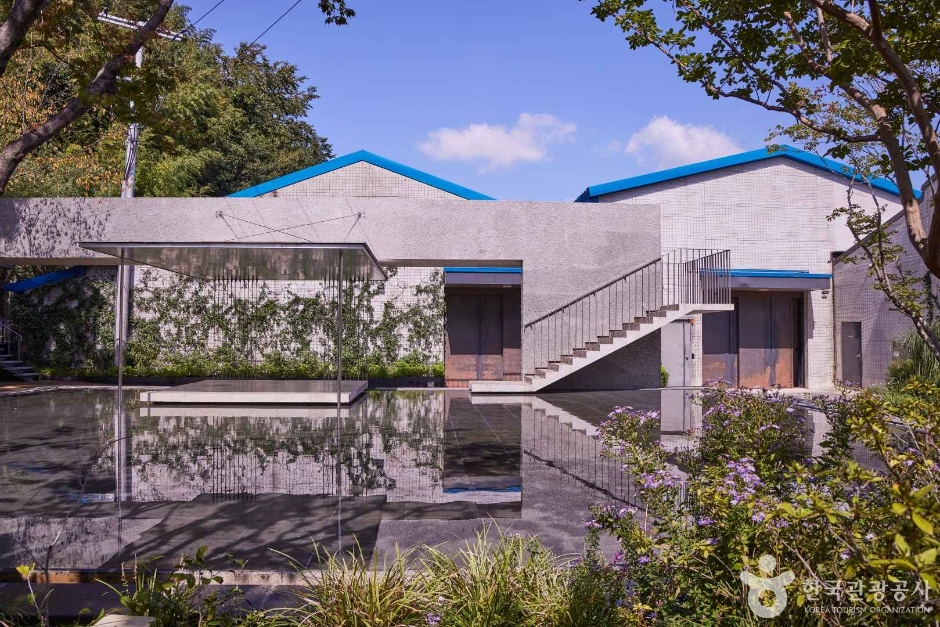
F1963 is a representative cultural complex and an emerging landmark in Busan. This factory produced wires in the past for about 45 years from 1963 to 2008. 2016 Busan Biennale was a turning point for this building as the building was transformed into a space for art and culture; various cultural events take place and it has an art library, exhibition hall, and concert hall. The base design and framework from the old factory were preserved during the renovation, leaving traces of the old building that give its unique atmosphere. Regenerated architecture and walking trails outside the space are designed to offer a pleasant walk. Visitors can also enjoy food, drinks, and activities inside the building from renowned branch stores such as Terarosa, a famous cafe in Gangneung; Boksoondoga, where one can taste the essence of traditional Korean fermented makgeolli (unrefined rice wine), and Hwasumok Flower & Garden, where visitors can take gardening and flower classes.
Haeundae River Cruise (해운대리버크루즈)
11.4Km 2024-03-29
85 Suyeonggangbyeon-daero, Haeundae-gu, Busan
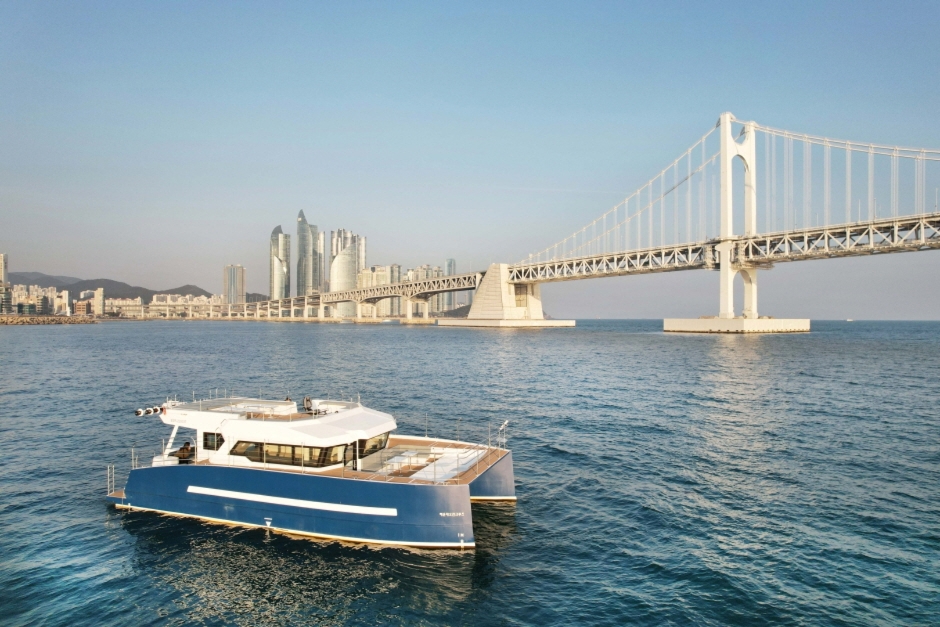
Haeundae River Cruise is the first urban cruise ship in Busan that allows passengers to see both rivers and the sea from APEC Naru Park to Marine City and Gwangandaegyo Bridge. Cruises run weekdays, sunset and night time, and late-night, so you passengers can enjoy the the view of Suyeonggang River, Haeundae, and Gwangallihaebyeon Beach both day and night. There is a cafe where passengers in queue can relax before boarding, a kiosk photo print, and a gift shop. The cruise takes about an hour, and indoor shoes, blankets, cell phone charging cables, water, tea, beverages, and snacks are available for passengers.
Spaland Centum City (스파랜드 센텀시티)
11.6Km 2025-10-23
35 Centum nam-daero, Haeundae-gu, Busan
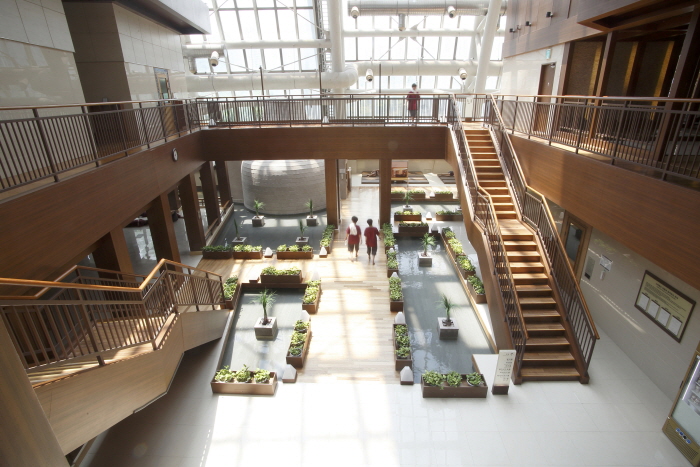
Spaland Centum City has the merit of being both a traditional Korean-style public bath and an urban Japanese-style public bath. Spaland offers services tailored to customer's preferences by using carbonated and saline hot springs drawn from 1,000 meters underground. The facility consists of two floors and an outdoor spa. There are 22 baths including a kid's bath, 13 jjimjilbang facilities (Korean sauna), saunas, and an open-air foot bath. Noteworthy facilities include Roman Sauna, which is a recreation of an ancient Roman bath; a dry sauna where visitors can experience traditional Finnish-style saunas; and the Salt Room made with Himalayan salt. As such, Spaland features well-known sauna styles from different countries.
Spaland enhances the effect of the hot springs by providing 100% natural hot spring water at varying temperatures. Its high-temperature bath rapidly increases one's body temperature, and the medium-temperature bath is good for a leisurely soak. The large public bath hall has windows allowing natural light, and the HVAC system is of hotel grade or higher. Visitors can relieve their stress while enjoying a healthy bath in a large-scale bath pool surrounded by nature.
 English
 한국어
한국어 日本語
日本語 中文(简体)
 Deutsch
 Français
 Español
 Русский


