![Olive Young - Busan Jangsan Station Branch [Tax Refund Shop] (올리브영 부산장산역)](http://tong.visitkorea.or.kr/cms/resource/94/2885694_image2_1.jpg)
Olive Young - Busan Jangsan Station Branch [Tax Refund Shop] (올리브영 부산장산역)
18.1Km 2024-04-17
1F, 75, Sesil-ro, Haeundae-gu, Busan
-

Olive Young - Inje Univ. Branch [Tax Refund Shop] (올리브영 인제대)
18.1Km 2024-04-17
190, Inje-ro, Gimhae-si, Gyeongsangnam-do
-
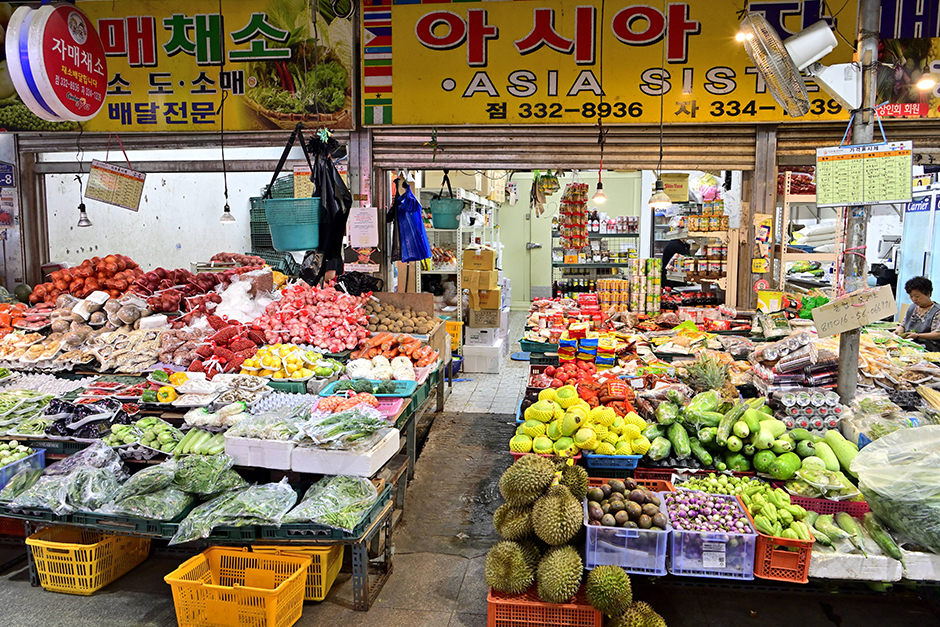
Dongsang Market (동상시장)
18.1Km 2025-10-23
25 Guji-ro 180beon-gil, Gimhae-si, Gyeongsangnam-do
Formed in 1945, Dongsang Market is a lifestyle-centric traditional market that offers a slew of daily necessities like vegetables, fruits, rice cakes, fishery products, and side dishes, as well as a popular alley specializing in Kalguksu (noodle soup). Designated as a cultural tourism market in 2017, it has since evolved into a vibrant space where traditional Korean culture harmoniously coexists with diverse global cultures. As more foreign workers have begun frequenting the market in recent years, a number of Asian grocery stalls have opened. In particular, vegetables favored by Southeast Asian customers, ritual foods, and Kalguksu (noodle soup) have become local specialties.
![Gimhae Korean-style house [Korea Quality] / 김해한옥체험관 [한국관광 품질인증]](http://tong.visitkorea.or.kr/cms/resource/81/3016981_image2_1.jpg)
Gimhae Korean-style house [Korea Quality] / 김해한옥체험관 [한국관광 품질인증]
18.2Km 2023-10-25
40 , Wangneung-gil, Gimhae-si, Gyeongsangnam-do
+82-55-322-4735~6
The Hanok Experience Center in Gimhae, Gyeongsangnam-do, offers guests a taste of old-time hanok life. Rooms are furnished with traditional items, while the spacious wooden floor can be used as a meeting room. Rooms in the sarangchae are on the small side but have an upper floor with scenic views. The room in the annexe building has a traditional sleeping mat surrounded by a large folding screen, and feels like a scene from a historical drama. Each room has a modern bathroom, There is a traditional experience program, and information services in English and Japanese.
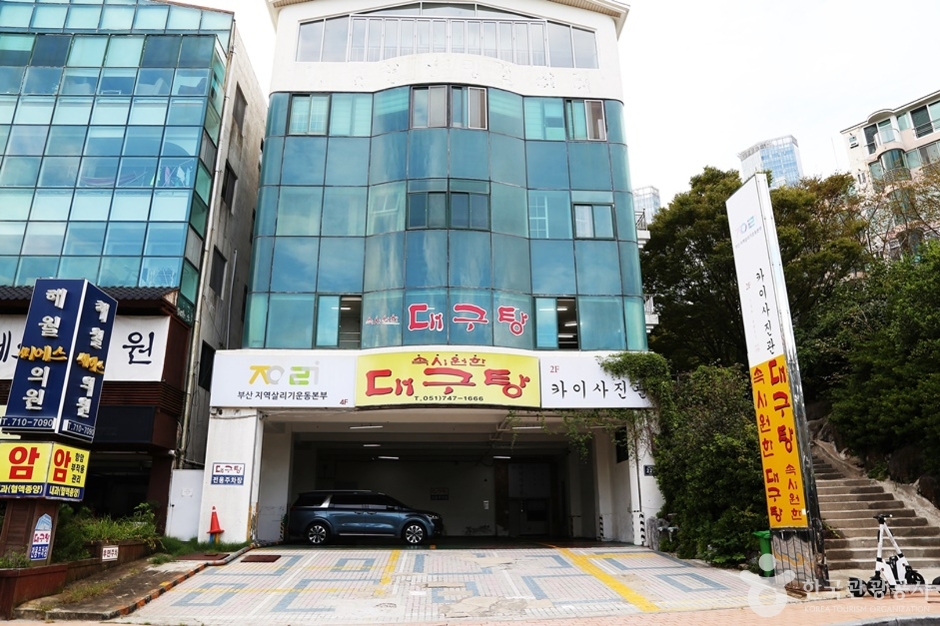
Soksiwonhan Daegutang (속시원한 대구탕)
18.2Km 2024-03-05
(Samwoogarden) 229, Dalmaji-gil, Haeundae-gu, Busan
+82-51-747-1666
Soksiwonhan Daegutang is a restaurant located on Haeundae’s Dalmajigogae Pass. It has been serving daegutang (codfish soup) only for many years. Daegutang (codfish soup) refers to a clear soup made with codfish in broth simmered with codfish bones and vegetables. It offers a delightful combination of clear and refreshing soup and plump codfish, so it is also a beloved dish for hangovers. There are many other restaurants with similar names offering daegutang (codfish soup), so look up the store’s location before you visit.
Tomb of King Suro (수로왕릉)
18.3Km 2024-01-23
26 Garak-ro 93beon-gil, Gimhae-si, Gyeongsangnam-do
+82-55-332-1094
King Suro founded the Garak Kingdom in AD 42 and married Heo Hwang-ok, a princess from the Indian country of Ayuta, in AD 48. He was the founder of the Gimhae Kim family. Heo Yeop, a Yeongnam governor, gave the tomb its current look in the 13th year of the reign of King Seonjo (1580). The tomb compound includes various buildings, including the Sungseonjeon (where the ancestral tablets of King Suro and his queen are kept), Anhyanggak, Jeonsacheong, and Jegigo, as well as stone structures, such as a sindobi (tombstone) and gongjeokbi (monument established to pay homage the deceased). The tombstone in front of the royal tomb was built in the 25th year of the reign of King Injo (1647) of the Joseon dynasty. The name Sungseonjeon was bestowed on the tomb by King Gojong in the 21st year of his reign (1884).
Sureungwon Garden (수릉원)
18.3Km 2024-01-23
35 Bunseong-ro 261beon-gil, Gimhae-si, Gyeongsangnam-do
Sureungwon Garden is a place themed around the meeting between King Suro, the founder of Gaya, and Queen Heo, who was the princess of Ayuta Kingdom, known as India. The name Sureungwon Garden also contains the meaning of an elegant forest where King Suro and Queen Heo walked together. An ecological park measuring 39,600 m2 has been created along a low ridge that connects the Tomb of King Suro, an important cultural heritage of the Gaya period; the Ancient Tombs in Daeseong-dong, the tombs of the Gaya kings; and the Bonghwang-dong Historic Site. It was created by representing the maritime kingdom of Gaya, imagining a pond of the garden where King Suro and Queen Heo used to walk, and planting prickly waterlilies and yellow floating hearts that are believed to have inhabited wetlands in the Gaya period. Trails along the cozy forest and pond make it easy to look around comfortably.
Olive Young - Busan Guseo Station Branch [Tax Refund Shop] (올리브영 부산구서역)
18.5Km 2024-04-16
3, Guseo-ro, Geumjeong-gu, Busan
-
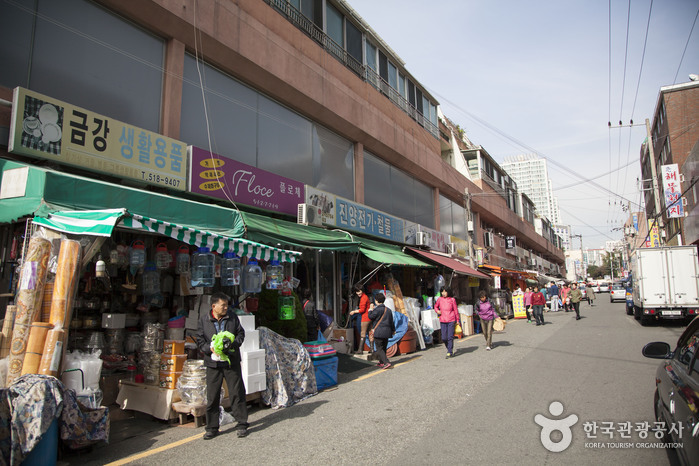
Guseo Osige Market (구서 오시게시장)
18.5Km 2024-02-26
12 Guseo-ro, Geumjeong-gu, Busan
051-581-4830
Guseo Osige Market, a traditional marketplace, is situated near Exit 1 of Guseo Station on Busan Subway Line 1. The market building allocates its first and second floors for commercial activities, while the third and higher floors are designated for residential use. It boasts a diverse array of shops, including rice cake shops, porridge shops, restaurants, places specializing in sliced raw fish, butcher shops, dried seafood shops, fruit vendors, and hanbok stores. Additionally, the market features stalls where local grannies sell their home-grown vegetables and herbs, alongside handmade offerings like bean curd and acorn jelly.
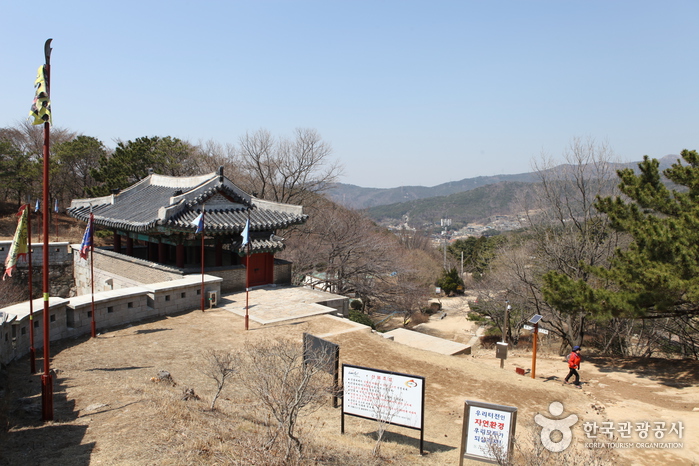
Geumjeongsanseong Fortress (금정산성)
18.6Km 2024-03-05
78-5 Bungmun-ro, Geumjeong-gu, Busan
+82-51-519-4092
Geumjeongsanseong Fortress, with a circumference of 18,845 meters along the ridges and valleys of Geumjeongsan Mountain, is a large-scale fortress built during the Joseon dynasty between 1701 and 1703. The fortress is accompanied by Geumjeongsanseong Village and is known for producing Sanseong makgeolli (unrefined rice wine), a traditional Korean alcoholic beverage. Additionally, there are numerous restaurants, cafés, and attractions, making it a place where nature, history, cuisine, and sightseeing coexist.
 English
 한국어
한국어 日本語
日本語 中文(简体)
 Deutsch
 Français
 Español
 Русский


