![Gangneung Fashion Mall [Tax Refund Shop] (강릉패션몰)](http://tong.visitkorea.or.kr/cms/resource/95/2882895_image2_1.jpg)
Gangneung Fashion Mall [Tax Refund Shop] (강릉패션몰)
5.3Km 2024-04-19
62, Geumseong-ro, Gangneung-si, Gangwon-do
-

Landrover - Gangneung Branch [Tax Refund Shop] (랜드로바 강릉점)
5.4Km 2024-04-22
103-1, Imyeong-ro, Gangneung-si, Gangwon-do
-
Gangneung Museum of Art (강릉시립미술관)
5.4Km 2023-07-27
46 , Hwabusan-ro 40beon-gil, Gangneung-si, Gangwon-do
Gangneung Museum of Art was opened in September 2006 and re-opened as a museum managed by the city of Gangneung in April 2014. Gangneung Museum of Art has nearly 530,000 m2 of exhibition space across two floors, and the building also has a view of Gangneung’s city center as well. The museum hosts exhibitions that allow everyone to communicate through artworks, not just artists, and is trying to expand cultural education in the city by providing various experience programs. In addition to special exhibitions by famous Korean and international artists, there are also frequent exhibitions based on the local colors of Gangwon-do and the people of Gangneung, offering an opportunity to get a deeper understanding of Gangneung.
Owol Coffee (오월커피)
5.5Km 2024-03-18
11-2 Gyeonggang-ro 2046beon-gil, Gangneung-si, Gangwon-do (1st floor, Nammun-dong)
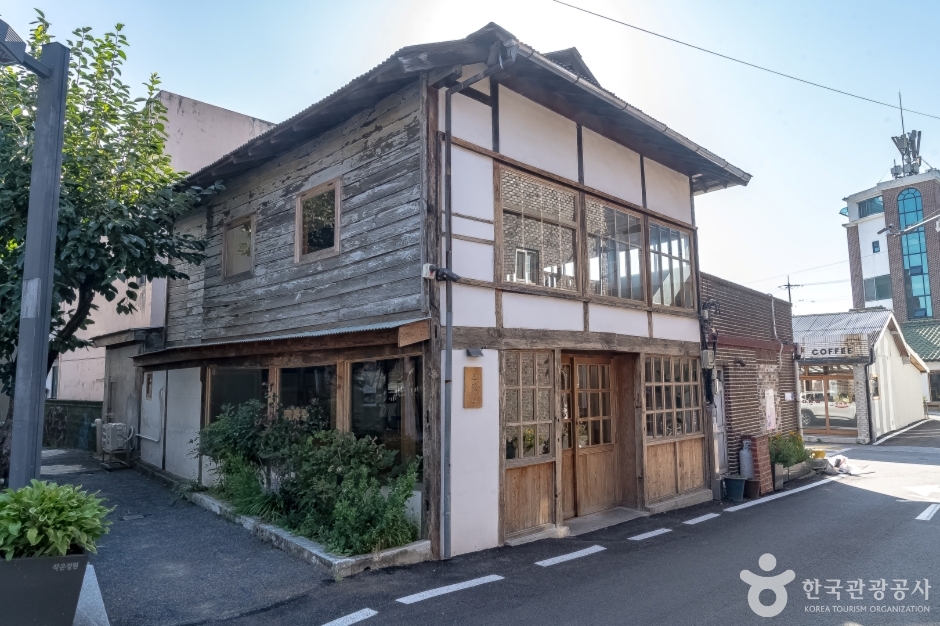
Owol Coffee is situated on Nammun-dong Café Street in Gangneung and is set in a remodeled Japanese-style house dating back to the Japanese Forced Occupation period. It is best known for its Songhwa coffee, featuring a unique cream made from pine pollen powder. Another popular item on the menu is the sweet and fragrant vanilla latte. With its delightful beverages and scenic views, the café has become a popular spot for dates.
Gangneung Myeongju-dong Streets (강릉 명주동 거리)
5.5Km 2024-05-02
Myeongju-dong, Gangneung-si, Gangwon-do
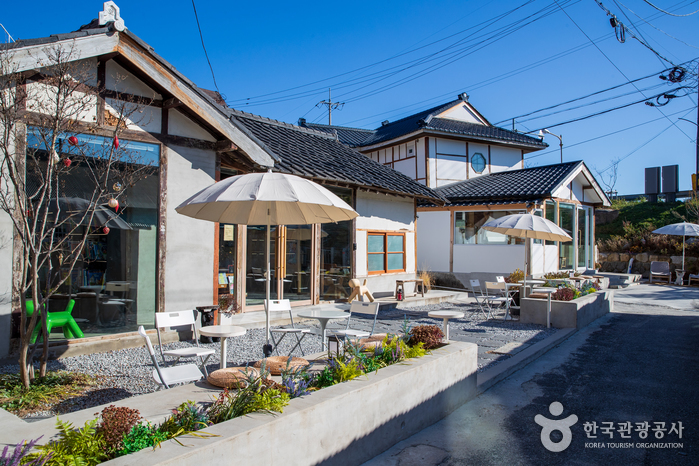
Myeongju-dong in Gangneung has been the center of administration and culture from the Goryeo dynasty onwards. Nowadays, visitors can enjoy a range of concerts, performances, and events at the Myeongju Art Space, Haetsal Museum, Jageun Stage, Gangneung Coffee Festival, Myeongju Flea Market, and more. The streets here are lined with unique cafes, cultural spaces, and history.
Gyeongpoho Lake (경포호(철새도래지))
5.8Km 2025-12-18
Jeo-dong, Gangneung-si, Gangwon-do
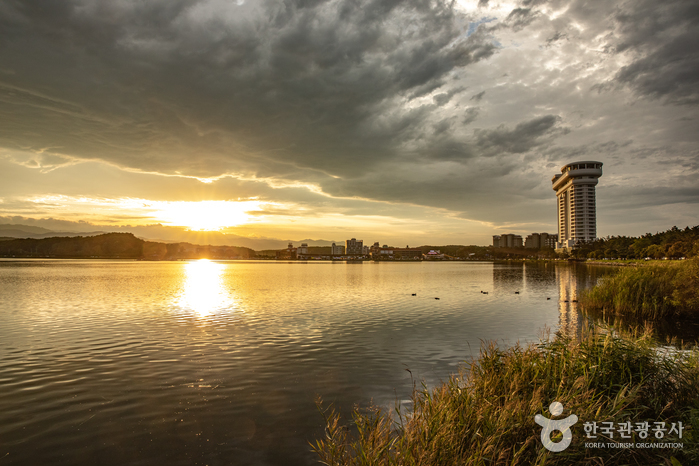
Gyeongpoho Lake is a popular attraction, with beautiful natural scenery and many cultural relics nearby. The view of the moon reflecting off the lake from Gyeongpodae Pavilion is especially stunning. The 1,256,204 m² naturally formed lake is connected to the ocean, and is famous as a destination site for migratory birds in winter. There are also many fish in the lake, but the lake has been designated as a nature protection site and fishing is prohibited.
Gangneung Gyeongpo Beach (강릉 경포해수욕장)
5.9Km 2024-05-23
514 Changhae-ro, Gangneung-si, Gangwon-do
+82-33-640-4531
Located 1 kilometer away from Gyeongpodae Pavilion and 6 kilometers from downtown Gangneung, Gyeongpo Beach is a sand bank formed between Gyeongpoho Lake and the ocean. This beach has a beautiful sandy shore that extends to a length of 1.8 kilometers and shallow waters, making it a popular beach attraction. By the beach is a lush pine forest where visitors can enjoy forest bathing. Other activities to enjoy around the area include the cultural art fair that takes place at the beach stage every summer, riding a bike along Gyeongpoho Lake, and hiking the nearby mountains and valleys.
Gyeongpodae Pavilion (강릉 경포대)
5.9Km 2025-01-16
365 Gyeongpo-ro, Gangneung-si, Gangwon-do
Gyeongpodae Pavilion, located on a small hill north of Gyeongpoho Lake, is one of the eight scenic sites of Gwangdong (northeastern coast). The pavilion was originally built in another location in 1326 but was moved to its current location in 1508. The pavilion shape and design changed over time before settling on the current design. The pavilion has five pillars in the front and on the side, with a gabled roof line, a common design in Korean architecture.
The inside of Gyeongpodae Pavilion is decorated with calligraphy and poems written by many famous scholars of the Joseon dynasty, including both King Sukjong and Yulgok Yi I. The pavilion is surrounded by a pine tree forest, and is famous for its view of the moon reflecting off the waters of the lake below, which gave the pavilion its name. The area around the pavilion was designated as a provincial park in 1981.
Hiocean Gyeongpo (하이오션 경포)
5.9Km 2024-10-30
30-5 , Gyeongpo-ro 463beon-gil, Gangneung-si, Gangwon-do
+82-33-646-9999
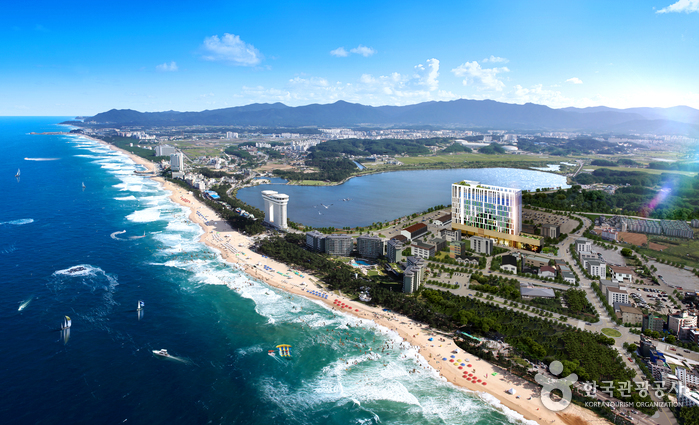
Located next to Gyeongpo Beach and Gyeongpo Lake in Gangneung, the Hiocean Gyeongpo is a residence hotel with a stunning view of both the sea and the lake. Cooking and laundry can be done in the room, making it popular among both short-term and long-term business travelers. The lake-view rooms provide a view of the tranquil Gyeongpo Lake, while the duplex rooms offer two stories of living space. Hotel amenities include a breakfast restaurant on the 1st floor, a terrace garden on the 2nd floor, a rooftop garden on the 8th floor, a convenience store, etc.
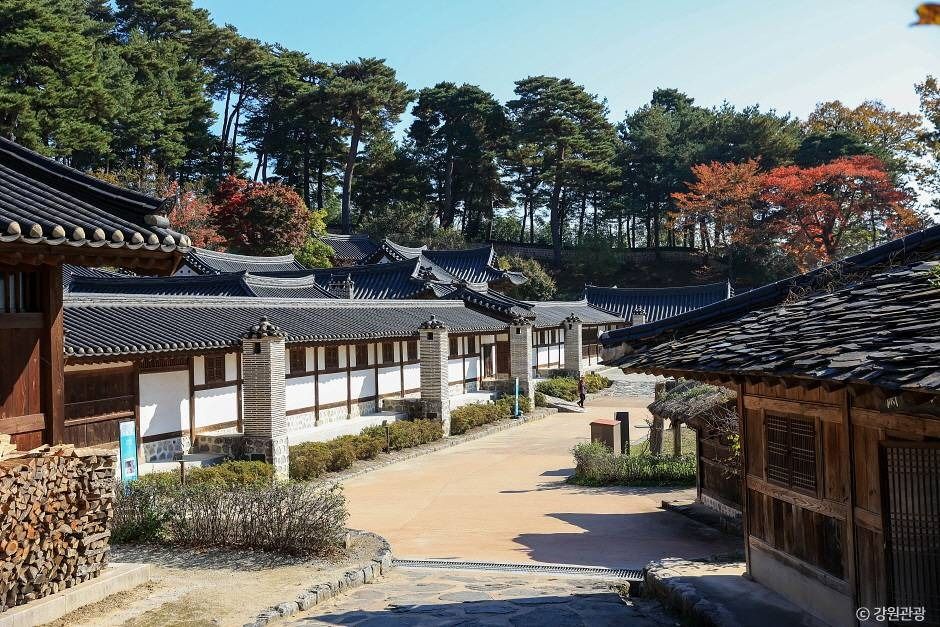
Seongyojang House (강릉 선교장)
6.3Km 2025-12-15
63, Unjeong-gil, Gangneung-si, Gangwon-do
+82-33-648-5303
Seongyojang House is the former upper class residence of Lee Nae-beon (1703-1781) and his family in Gangneung, Gangwon State. It was designated as a National Folklore Cultural Heritage in 1967. The one-syllable word "Seon" in Seongyojang means boat. Gyeongpoho Lake was right in front of Seongyojang House at the time it was built, thus making is accessible by boat.
Seongyojang House has all the features of a typical upper class residence during the Joseon period. The complex even has a large pond with a pavilion named Hwallaejeong Pavilion. While the building still blends beautifully with the surrounding nature, Seongyojang House has been well-preserved and is considered a valuable resource in the historical research of living conditions of upper class households during the Joseon dynasty.
 English
 한국어
한국어 日本語
日本語 中文(简体)
 Deutsch
 Français
 Español
 Русский


