
Ingu Beach (인구 해수욕장)
16.2Km 2023-02-03
12, Inguhang-gil, Hyeonnam-myeon, Yangyang-gun, Gangwon-do
Ingu beach is located in Ingu-ri, Yangyang-gun, Gangwon-do. With Jukdo, an island with a thickly wooded bamboo forest, in the middle, Jukdo Beach lies to the north and Ingu Beach to the south. Thanks to its vast and quiet white sandy beach and shallow depths, the beach is safe to enjoy sea bathing, which is why families visit the beach during the summer vacation period. The shallow water also attracts many novice surfers. The beach is equipped with nice facilities for surfers along with accommodations and surfing shops. Avid campers can also set up tents on the beach to enjoy surfing and camping at the same time. In recent years, the beach has become a popular scuba diving spot as well. Ever since the coastal road opened, cafes, restaurants, and various convenience facilities have popped up in the area. Visitors can check out Jukdojeong Observatory, Ingu Port, and many other things to see nearby, and also experience sea fishing at Dongsan Port.
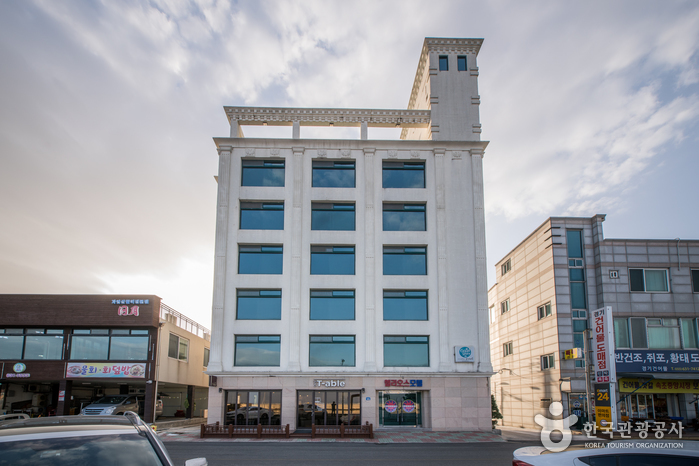
Helios Motel (헬리오스모텔)
16.2Km 2024-12-19
33 , Jangsahanghaean-gil, Sokcho-si, Gangwon-do
+82-33-632-7676
The Helios Motel in Sokcho-si, Gangwon-do, is on the northernmost part of the East Sea coast, and from it residents can watch glorious sunrises and sunsets over the ocean - hence the name Helios, the ancient Greek sun god. The motel has both western-style and Korean-style rooms - with some rooms giving views of Seoraksan Mountain - and provides an excellent laundry service. The location is convenient for downtown Sokcho, Deungdae Beach and Jangsa-dong. Nearby attractions include Yeongrang Lake, Sokcho Lighthouse Observatory, and Yeonggeumjeong Pavilion.
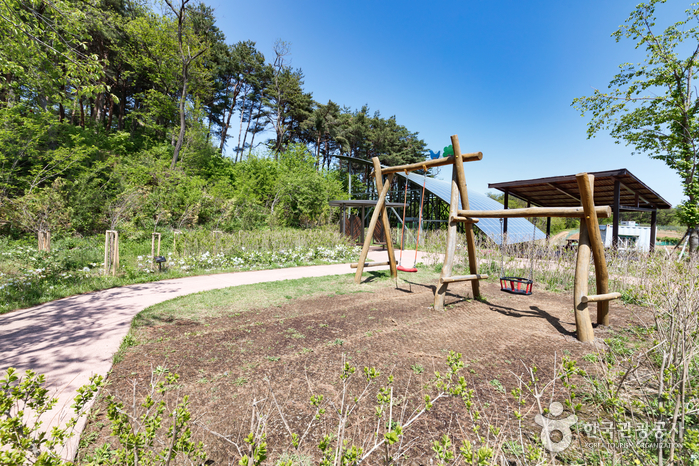
Forest Museum (숲박물관)
16.2Km 2024-12-23
3054 Misiryeong-ro, Sokcho-si, Gangwon-do
Forest Museum is a scenic forest path connecting the Sokcho City Museum and the National Mountain Museum. Its well-maintained trails are lined with diverse trees and flowering plants, including Asiatic liverworts, peonies, pasque flowers, bridal wreath, Flowering Cherry, and Korean Azaleas. The area is adorned with flowers blooming throughout the seasons. It also features a children's playground, a water garden, and serene rest areas with pergolas, outdoor tables, and scenic spots for relaxation.
Jangsahang Port (장사항)
16.5Km 2025-01-31
58 Jangsahanghaean-gil, Sokcho-si, Gangwon-do
Jangsahang Port is one of the representative ports of Sokcho. Visitors can experience boat fishing and visit various seafood restaurants to enjoy freshly caught raw fish and other sea food. Each summer, the Jangsa Fishing Experience Village hosts the Squid Catching Festival, attracting many visitors to this place. During the festival, visitors can experience the fun of squid catching with their bare hands and participate in various squid-themed experiences such as squid tasting, squid ink calligraphy, and squid storytelling.
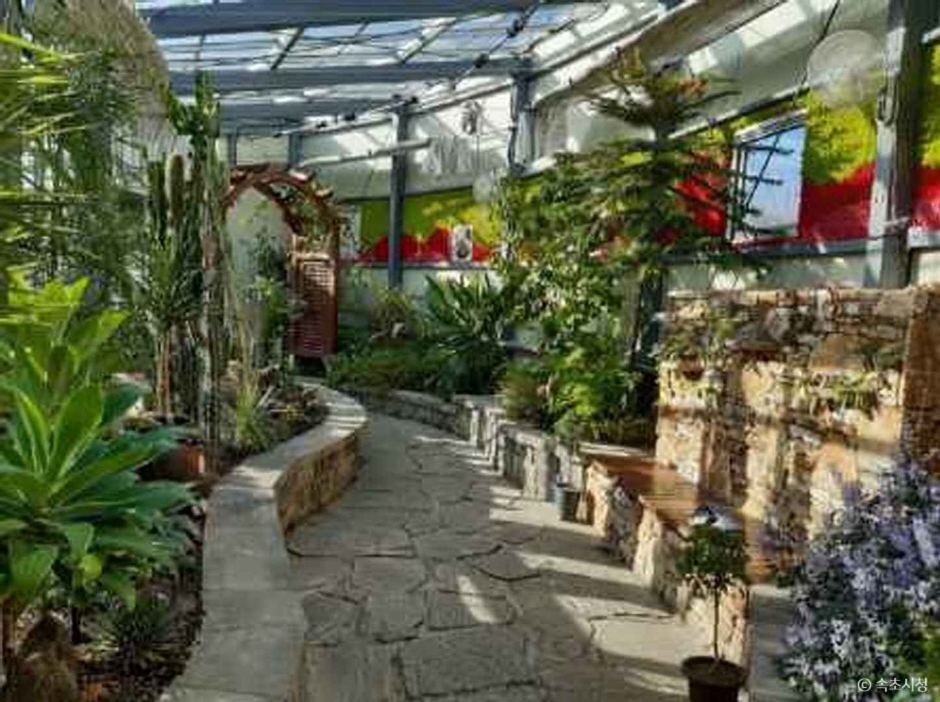
Seoraksan Botanical Garden (설악산 자생식물원)
16.7Km 2025-02-04
164 Baramkkonmaeul-gil, Sokcho-si, Gangwon-do
Seoraksan Botanical Garden is a miniature version of Seoraksan Mountain. The garden features a wide range of plants, from rare species native to the mountain to more common wildflowers. It includes a water plant garden connected to the Sabang Dam, a rock garden with rare plants, a maze garden perfect for children, and greenhouses. Forest trails, walking paths, and stepping stones add to its charm, making it an ideal year-round destination.
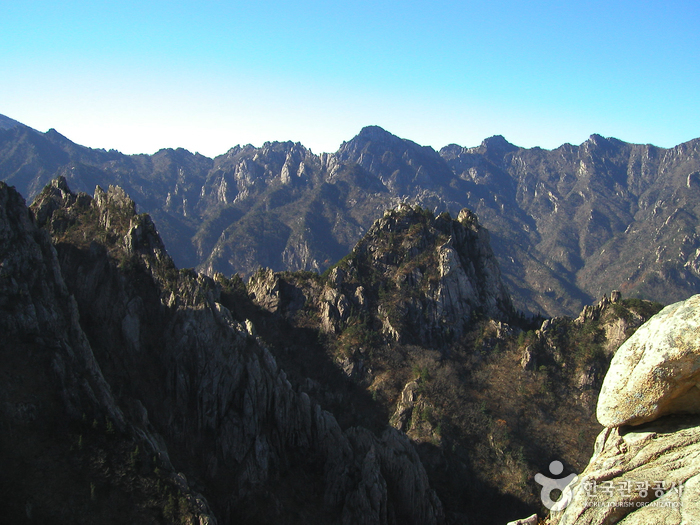
Seoraksan Gwongeumseong Fortress (설악산 권금성)
16.7Km 2024-02-28
1091 Seoraksan-ro, Sokcho-si, Gangwon-do
+82-33-636-7700
Gwongeumseong Fortress is a stone castle from the Goryeo dynasty and is located 800 meters above sea level in Seoraksan National Park. From a distance, Gwongeumseong Fortress looks like a rising peak, while up close, the expansive stone floor and remnants of castle walls become visible. Visitors can access the fortress via hiking trails or by taking a cable car. From the fortress, visitors can enjoy the majestic view of Seoraksan Mountain and the blue waters of the East Sea.
Seoraksan National Park (Outer Seorak) (설악산 국립공원 (외설악))
17.0Km 2024-04-08
1 Daecheongbong-gil, Yangyang-gun, Gangwon-do
+82-33-801-0900
Seoraksan Mountain is renowed for its natural splendors and breathtaking views. It holds the distinction of being Korea's first UNESCO Biosphere Reserve and is also listed on the IUCN Green List. The mountain is divided into Inner Seorak, South Seorak, and Outer Seorak, which includes Daecheongbong peak (1,708 meters above sea level), ranking as the third highest peak in Korea. The area is celebrated for its popular hiking trails, with the sunrise and sunset views from the top being particularly spectacular.
Gangwon Hyuhyuam Hermitage (휴휴암(강원))
17.3Km 2025-01-13
3-16, Gwangjin 2-gil, Yangyang-gun, Gangwon-do
+82-33-671-0526
This hermitage is located by the sea at Hyeonnam-myeon, Yangyang-gun, Gangwon-do. Its name reflects its dedication to the value of rest by freedom from the troubles of mundane life. The temple was built in 1997 by the monk Hongbeop as a small Buddha hall named Myojeokjeon Hall, but the discovery of a large rock shaped like a reclining Avalokiteshvara in 1999 made the temple a popular site for prayers. A large rock named Yeonhwadae, named after its shape of a lotus flower in bloom, is located below the Myojeokjeon Hall near the sea. Yeonhwadae is a great place to see the reclining Avalokiteshvara and turtle-shaped rock in the area, and many other tourists flock to see the interesting rock formations of the area, like toe rocks, foot rock, and fist rock. Lucky visitors can catch a glimpse of schools of big-scaled redfin surfacing to feed at the beach. Hyuhyuam Hermitage is also home to Myojeokjeon Hall, Darani Cave Buddha Hall, Gwaneum Buddhist Bell, and a statue of the Avalokiteshvara. The Avalokiteshvara statue, in particular, enjoys great popularity from its hilltop vantage point, having the blue seas of the East Sea to its back.
Seoraksan Daecheongbong Peak (설악산 대청봉)
17.4Km 2024-02-29
1 Daecheongbong-gil, Yangyang-gun, Gangwon-do
+82-33-672-2883
Standing at 1,708 meters above sea level, Daecheongbong is the highest peak of Seoraksan Mountain. It is the third highest peak in South Korea, after Hallasan Mountain (1,950 meters) and Jirisan Mountain (1,915 meters). The peak is a home to a variety of alpine species, including dwarf pine, Korean rosebay, and Erman's Birch, and its summit offers breathtaking views. The shortest of Seoraksan's hiking trails is the Osaek course (Osaek-Seorak Falls-Daecheongbong), which takes about four hours.
Seoraksan Cable Car (설악산 케이블카)
17.4Km 2024-04-08
1085 Seoraksan-ro, Sokcho-si, Gangwon-do
A ride on the Seoraksan Cable Car is the best way to enjoy the unexplored regions of Seoraksan Mountain. The cable car station is located in Seoraksan National Park, and it takes about 10 minutes to reach Gwongeumseong Fortress, which is 700 meters above sea level. Since one-way tickets are not available, passengers must purchase a round-trip ticket. From the cable car window, passengers can see famous attractions like Ulsanbawi Peak and Manmulsang Rocks. From Gwongeumseong Fortress, passengers can take in a panoramic view of Seoraksan Mountain. Seoraksan Mountain, seen from the top of Gwongeumseong Fortress, is majestic and mysterious with unique rock formations. Upon reaching the top of the mountain, the entire scenery of Outer Seorak unfolds before one's eyes. Visitors will be amazed by the Allak Hermitage from the Silla dynasty and the Muhagsong Pine Tree, which has survived for hundreds of years just below Gwongeumseong Fortress. There are many tourists on weekends, public holidays, and fall foliage season, so visitors are advised to plan ahead.
 English
 한국어
한국어 日本語
日本語 中文(简体)
 Deutsch
 Français
 Español
 Русский


