
Dalseong Marsh (대구 달성습지)
10.2Km 2025-06-10
88 Gura 1-gil, Hwawon-eup, Dalseong-gun, Daegu
Dalseong Marsh is located in the meeting point of Nakdonggang River, Geumghogang River, Jincheoncheon Stream, and Daemyeongcheon Stream. Spanning an area of 2 ㎢, the marsh comprises wetlands and freshwater lake where various seasonal aquatic plants are grown. It is also home to several different species of migratory birds.
Daegu Arboretum (대구수목원)
10.4Km 2023-11-17
342 Hwaam-ro, Dalseo-gu, Daegu
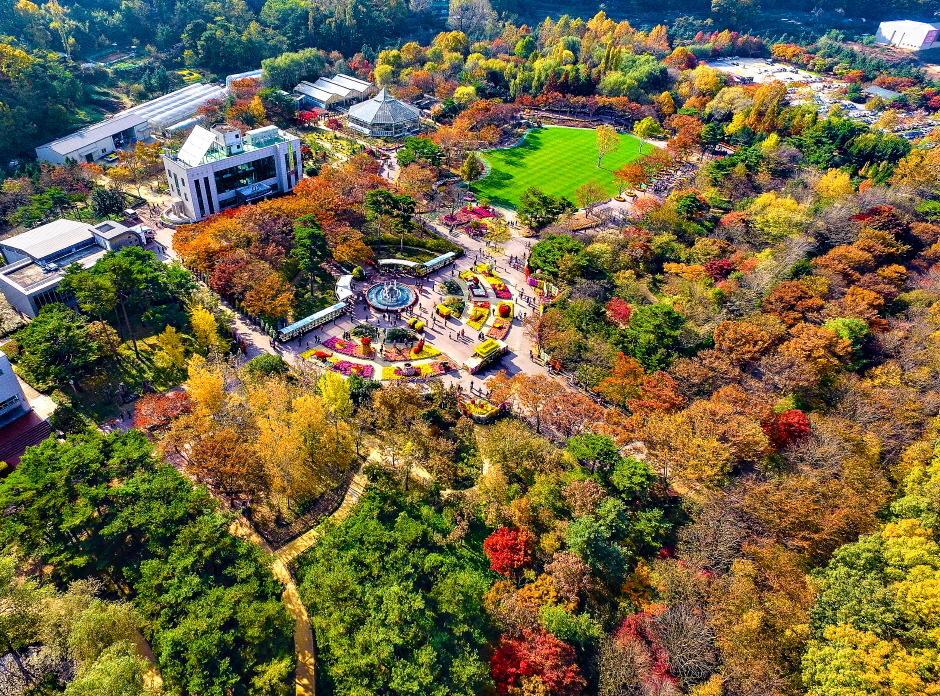
Daegu Arboretum is located at the site of an old sanitary landfill. The restoration of the area passed through many stages from 1996 until the opening in May 2002. It is home to more than thousands of species of plants including giant cacti, flowers, medicinal herbs, and trees in 21 gardens. The arboretum serves as an ecological education center and rest area for Daegu citizens. Ecology experience programs for students and young children are held regularly during summer vacation. Nearby attractions include Apsan and Duryu Parks, as well as Palgongsan and Biseulsan Mountains.
Hwawon Park (화원동산)
10.7Km 2024-04-08
40-14 , Samunjin-ro 1-gil, Dalseong-gun, Daegu
Hwawon Park, a vast park beside the Nakdonggang River, is steeped in history. The river, once bustling with Samunjin Quay, where ships laden with goods frequented, now features Samunjin Ferries. Visitors can access Dalseong Marsh Ecological Park via a floating walkway across the river. In the vicinity, the Samunjin Jumakchon Village offers traditional beverages and delicacies, including makgeolli (unrefined rice wine) and pajeon (green onion pancake). With well-maintained walking trails, cafés, and picnic spots, the park serves as an ideal destination for family outings.
Samunjin Jumakchon Village (사문진 주막촌)
11.1Km 2023-11-09
40-12 Samunjin-ro 1-gil, Hwawon-eup, Dalseong-gun, Daegu
Samunjin was the location of a ferry dock on the Nakdonggang River in the past. During the Japanese occupation, the area was turned into a recreation ground, which saw many people coming to enjoy leisure strolls. In November 2013, three hanok jumak (traditional dining establishment) were built at the site of the old dock and the current Samunjin Jumakchon Village was opened. The jumak serve a range of foods that were enjoyed in the past, such as makgeolli, gukbap, and buchujeon (chives pancake). The village is well-known as a place to enjoy the sunset.
Myeongpum Otgol 1616 Cooperative Society (명품옻골 1616 협동조합)
11.8Km 2024-02-29
195-5 Otgol-ro, Dong-gu, Daegu
Myeongpum Otgol 1616 Cooperative Society is a village enterprise operating in the oldest Otgol Village in Daegu. Utilizing traditional hanok houses dating back 200 years, they offer hanokstay experiences, guided village tours, and various traditional Korean experiences such as Tea Confectionery Experience, Hanbok Experience, Village School Experience, Rice Cake Pounding Experience, Tuho (Arrow-throwing), Jegichagi, Biseokchigi. Visitors can also enjoy traditional beverages at the hanok café.
Puruncha Tea Culture Research (사단법인 푸른차문화연구원)
12.4Km 2024-04-23
41 Universiad-ro 11-gil, Suseong-gu, Daegu
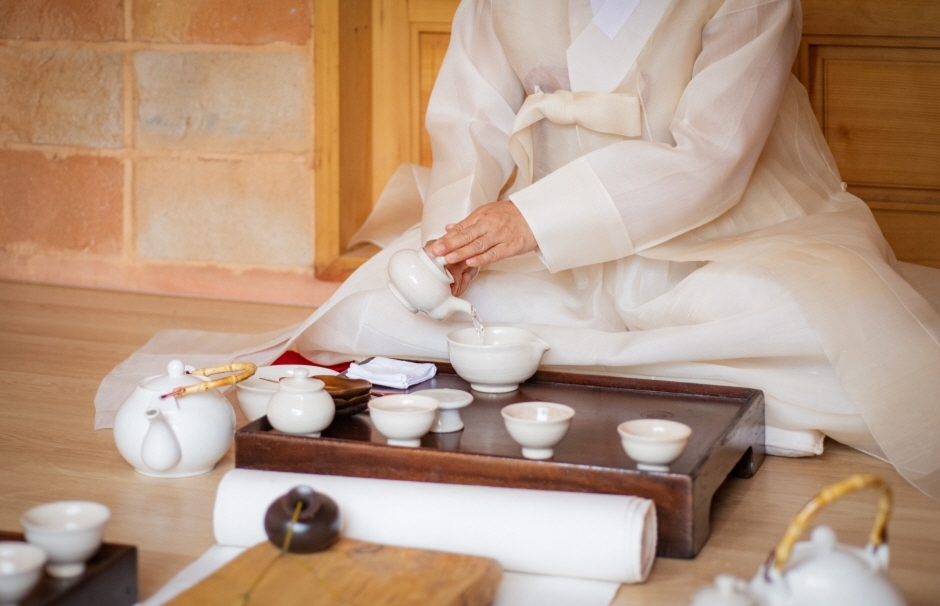
Puruncha Tea Culture Research opened in 1996 to promote Korea's traditional culture and etiquette through tea ceremonies and other programs related to tea. The center uses 100% Korean tea in all programs, supporting local farmers and the local economy.
Yuksinsa Shrine (육신사)
12.6Km 2024-02-15
64 Yuksinsa-gil, Habin-myeon, Dalseong-gun, Daegu
Yuksinsa Shrine is a revered site dedicated to honoring the Sayuksin. Established during the Joseon dynasty, it stands well-preserved to this day. "Sayuksin" translates to "six dead ministers," referencing the six loyal subjects who, in 1453, attempted to restore King Danjong of the Joseon dynasty but were ultimately captured and executed. The shrine's entrance, marked by the Chungjeolmun Gate, is flanked by long rows of crape myrtle trees. These trees create a stunning visual spectacle when their red flowers are in bloom.
Daegu Art Museum (대구미술관)
12.6Km 2025-01-13
40, Misulgwan-ro, Suseong-gu, Daegu
Daegu Art Museum is a municipal museum supported by the Daegu Municipal Government. The museum holds exhibitions to promote Daegu's art advancement through the study of the art's historical value. The museum also has planned exhibitions introducing the social and artistic issues of the times and the leading trends in the art scene through domestic and overseas exchanges.
Diverse performances and events such as academic programs and lectures with famous professors are offered to children, teens and citizens of all ages. The Art Information Center on the third floor within the museum library is where visitors can read art-related books or rest at the lounge.
Grand opening: May 26, 2011
Pyeonggwang-dong Apple Village (평광동 사과마을)
12.9Km 2023-11-09
37 Dopyeong-ro 116-gil, Dong-gu, Daegu
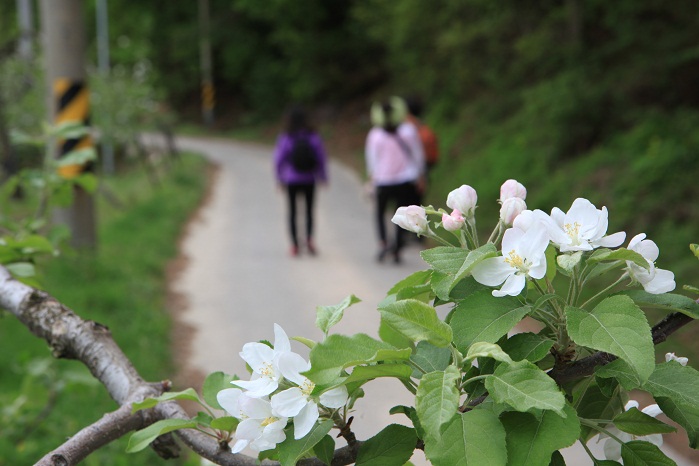
Pyeonggwang-dong Apple Village is home to some 140 apple orchards. The village is located at the foot of Palgongsan Mountain, and has been growing apples for over 100 years, even creating a new apple, the Pyeonggwang honey apple. The village features many impressive trees, including the nation's oldest Hongok apple tree, a pine tree planted in honor of Korean Independence, and a large willow tree referred to as Filial Soon Gang Sunhang Tree. Many families visit in fall the enjoy apple picking.
Gooam Farmstay Village (구암팜스테이마을)
13.1Km 2024-03-15
8-1 Guam-gil, Dong-gu, Daegu
Known as "Gooam" due to its rock formations resembling turtle's shell, Gooam Farmstay Village offers various activities such as harvesting agricultural produce, traditional food making, traditional games, and craft experiences. Depending on the season, there are experiences like picking strawberries, digging potatoes, picking cherry tomatoes, gathering chestnuts, and harvesting persimmons. Visitors can also participate in making bean curd, rice cakes, kimchi, catching loaches, making kite, and experiencing hanji crafts.
 English
 한국어
한국어 日本語
日本語 中文(简体)
 Deutsch
 Français
 Español
 Русский


