
Osaek Mineral Spring (오색약수터)
11.4Km 2022-12-22
Osaek-ri, Yangyang-gun, Gangwon-do
+82-33-672-2883
Osaek Mineral Spring is situated 20 kilometers west of Yangyang and 7.5 kilometers southeast from Hangyeryeong Pass. The water, which springs from three base rocks by a brook, is carbonated and rich in iron. Up to 1,500 liters of iron-rich water spring out on a daily basis. Osaek became well known due to the splendid landscape leading up to the mineral spring and its location on the way to the summit of Seoraksan Mountain.
Seoraksan Osaek Jujeongol Valley (설악산 오색주전골)
11.6Km 2024-02-29
Yaksu-gil, Seo-myeon, Yangyang-gun, Gangwon-do
+82-33-672-2883
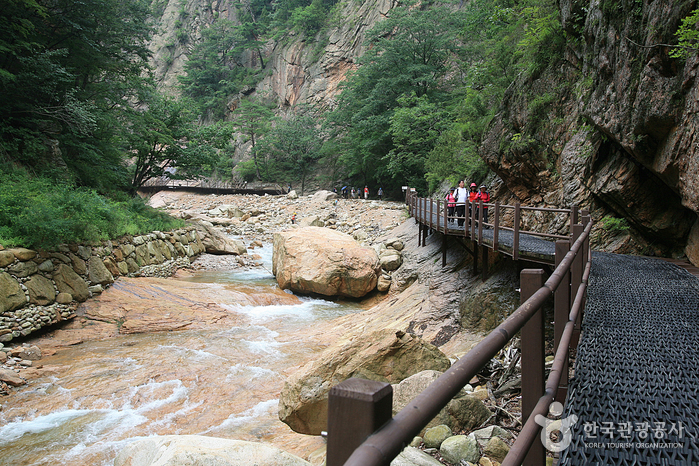
Osaek Jujeongol Valley in Seoraksan Mountain is renowned for its vibrant autumn maple leaves. The area features a 7-kilometer trail stretching from Oksaek Mineral Spring to Yongsopokpo Falls, accessible to all visitors. The valley boasts stunning scenery, with a mix of valleys and rock formations. When the autumn leaves begin to change colors, the landscape turns into a breathtaking masterpiece.
Baekdamgyegok Valley (백담계곡)
11.8Km 2021-06-25
150, Baekdam-ro, Inje-gun, Gangwon-do
+82-33-801-0977
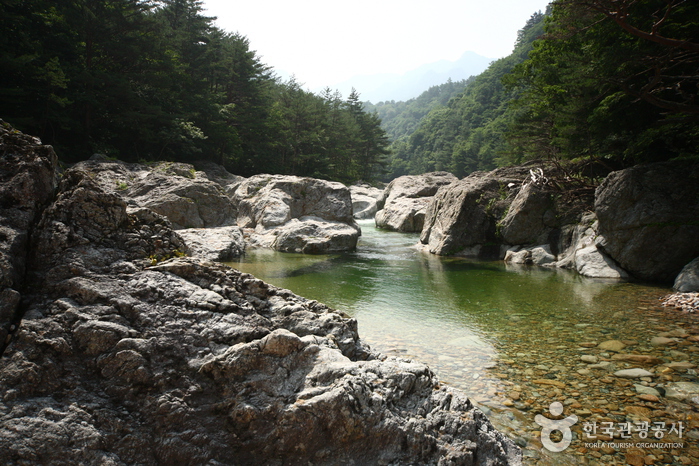
Baekdamgyegok Valley stretches over an eight kilometer section from Baekdamsa Temple to Yongdae-ri in Inje-gun. The valley has a road, but it is closed to general traffic. The valley is located within Seoraksan National Park. The stream running through the valley is wide and deep. The name of the valley comes from the claim that there are one hundred ('baek' in Korea) pools ('dam') of water along the valley. Baekdamgyegok Valley features clean water and lush forests.
Cheongganjeong Pavilion (청간정)
11.9Km 2024-03-18
5110 Donghae-daero, Toseong-myeon, Goseong-gun, Gangwon-do
Cheongganjeong Pavilion, located atop a cliff, was built during the mid-Joseon period. It is situated at the point where Cheonggancheon Stream, originating from Seoraksan and Cheonhusan Mountains, flows into the East Sea. The view of the pine forest and the East Sea draws many visitors. Nearby attractions include Cheongganhaebyeon Beach, Cheonjinhaebyeon Beach, Ayajinhaebyeon Beach, as well as Bongpo Port and Ayajin Port.

EL Hotel (이엘호텔)
12.1Km 2024-12-19
3347 , Donghae-daero, Yangyang-gun, Gangwon-do
+82-33-673-3737
El Hotel on Jeongam Beach in Yangyang, Gangwon-do, has a great view over the beach and the East Sea. All guestrooms have beds and the Premier Suite and Family Suite also come with spacious living rooms. Each room has a vista, but the ocean view rooms are understandably the most popular. The 7th floor lounge restaurant also has a great sea view; breakfast is served here in the morning, while in the evening it becomes a pub. Nearby tourist sites include Naksansa Temple, Naksan Beach, and Sokcho Daepo Port.
Hujin Harbor (후진항)
12.8Km 2025-10-28
4-13Yongho-ri, Ganghyeon-myeon, Yangyang-gun, Gangwon-do
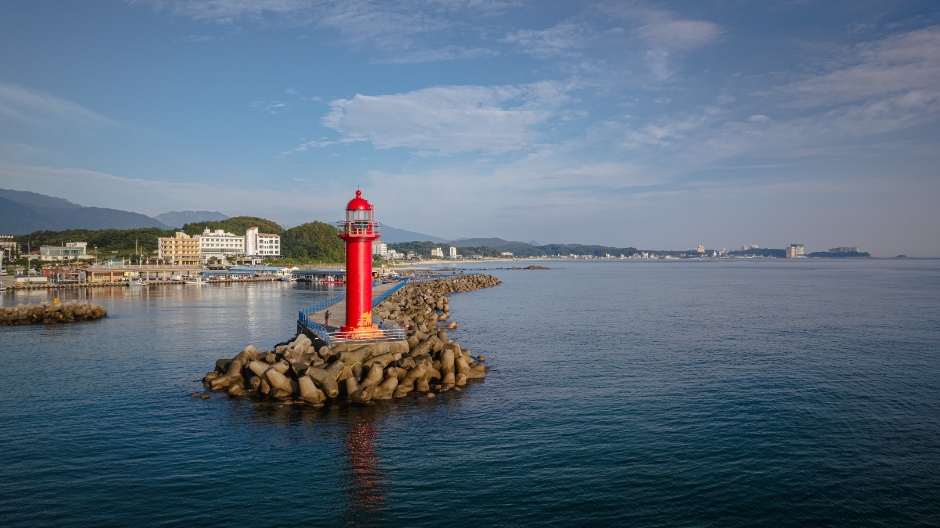
The first attraction Lee Know strolled to after unpacking. It's charmingly picturesque with its quaint view of red lighthouse overlooking the sea, anchored small boats, and a line of fresh seafood centers. On the second and fourth weekends, Beach Market attracts many visitors. Try to find the red chair where Lee Know sat in his vlog.
Seorak Beach (설악해수욕장)
12.9Km 2025-10-27
Dwinnaru 2-gil, Ganghyeon-myeon, Yangyang-gun, Gangwon-do
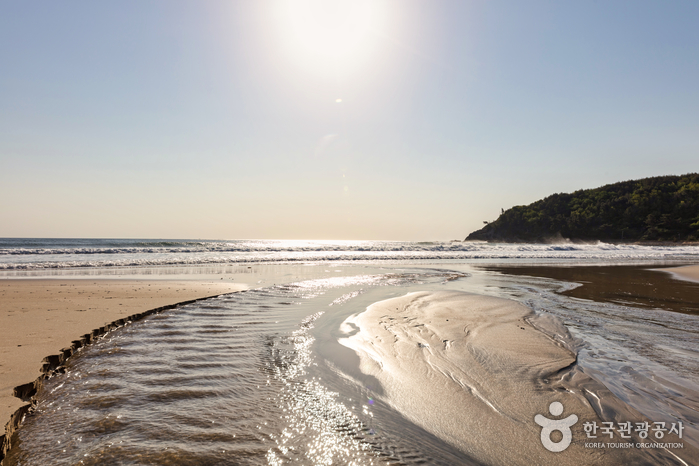
Known for its shallow waters and clean white sand, this beach is a sanctuary for surfers. It is conveniently located near famous tourist sites such as Seoraksan Mountain and Naksansa Temple, making it ideal for sightseeing. Just a five-minute walk from Hujin Harbor, go for a walk during sunset period like Lee Know and enjoy the beautiful sunset in the background.
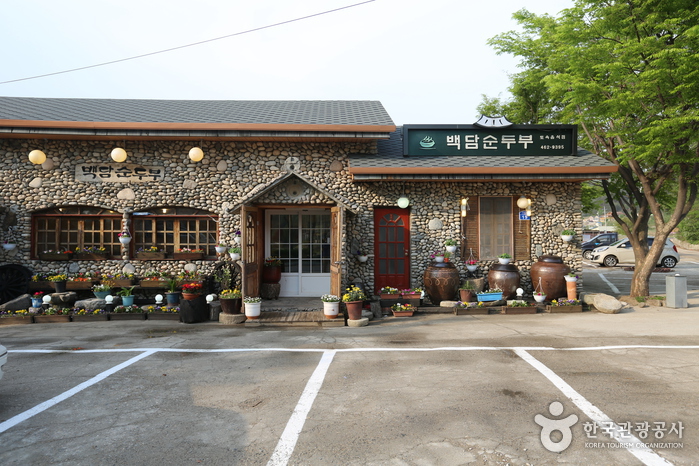
Baekdam Soft Bean Curd (백담순두부)
13.0Km 2024-03-15
19 Baekdam-ro, Buk-myeon, Inje-gun, Gangwon-do
This restaurant is a showcase for Inje’s celebrated culinary offering: Grilled Dried Pollack. The pollack is prepared through a natural drying process in the brisk winter winds, which gives it a salty flavor and a satisfying chewy texture. This makes it a popular choice as both an accompaniment to drinks and as a side dish on Korean dining tables. Here, it is grilled to perfection with a coating of red pepper paste, offering a flavorful experience with a reduced fishy smell and a delightful sweet and tangy taste. Also featured on the menu are the Soft Bean Curd Set Menu and the Wild Vegetable Bibimbap. The soft and warm bean curd, along with bibimbap—a harmonious mix of freshly-grown wild vegetables from Gangwon State topped with spicy red pepper paste—each provide a nutritious wholesome meal.
Inje Hwangtae Village (인제 황태마을)
13.3Km 2024-03-15
307 Jinburyeong-ro, Buk-myeon, Inje-gun, Gangwon-do
+82-33-462-4805
Inje’s winter landscape is at its most picturesque at the Dried Pollack Deokjang, the area’s premier seasonal attraction, within Inje Hwangtae Village. Deokjang refers to the traditional racks used for air-drying fish. Here, pollack undergoes a natural freeze-drying process, alternating between the sharp cold and the mild winter sunlight, resulting in a chewy texture that is much loved. This process, coupled with the breathtaking view of the racks laden with fish against the snowy backdrop, is indeed one of winter’s unique offerings. As visitors explore the Deokjang, they can learn about the 33 meticulous steps that transform pollack from fresh catch to the dried delicacy that graces dining tables. Adjacent to the Deokjang, Maebawi is known for its "iron way," a rock climbing path ideal for beginners. However, in winter, it transforms into a challenging ice climbing site suited for experienced climbers.
Naksansa Temple (낙산사)
13.5Km 2025-10-23
100 Naksansa-ro, Yangyang-gun, Gangwon-do
+82-33-672-2475
This ancient temple was built in the 11th year of King Munmu’s reign of Silla (671) by the Buddhist monk Uisang. Naksansa Temple is one of the foremost sights of Yangyang, and one of the most historic sites in the region. Along with Ganghwa’s Bomunsa Temple and Namhae’s Boriam Hermitage, it is said to be one of the three centers of the cult of Avalokitesvara in Korea. Its handsome view overlooking the East Sea has earned it a spot in the Eight Sights of Gwandong (eight famous sights in Yeongdong region of Gangwon-do), documented throughout the ages in many classic literature and poetry. Today’s Naksansa Temple is a product of many restorations and expansions, and has many examples of cultural heritage within its walls, including a 16 meter-tall statue of the Avalokitesvara Bodhisattva. A mountain fire in 2005 resulted in the loss of 20 buildings, including the building that housed its bronze bell. The temple also operates templestay programs available through its website.
 English
 한국어
한국어 日本語
日本語 中文(简体)
 Deutsch
 Français
 Español
 Русский


