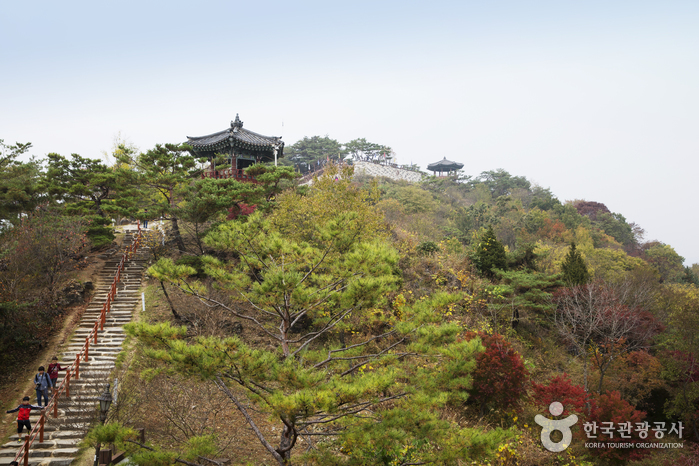
Cheongpung Cultural Heritage Complex (청풍문화재단지)
17.8Km 2022-12-26
2048, Cheongpungho-ro, Jecheon-si, Chungcheongbuk-do
Cheongpung Cultural Heritage Complex in Jecheon, Chungcheongbuk-do contains a variety of cultural heritages and artifacts that were collected from the region before it was flooded in 1985 during the construction of Chungju Dam. Here, visitors can see Hanbyeongnu Pavilion (Treasure), Stone Standing Buddha (Treasure), Paryeongnu Pavilion, Geumnamnu Pavilion, Geumbyeongheon Hall, Eungcheonggak Pavilion and the Cheongpunghyanggyo Local Confucian School as well as nearly 2,000 household artifacts. It has become an outdoor museum of the glorious culture of the upper reaches of the Namhangang River.
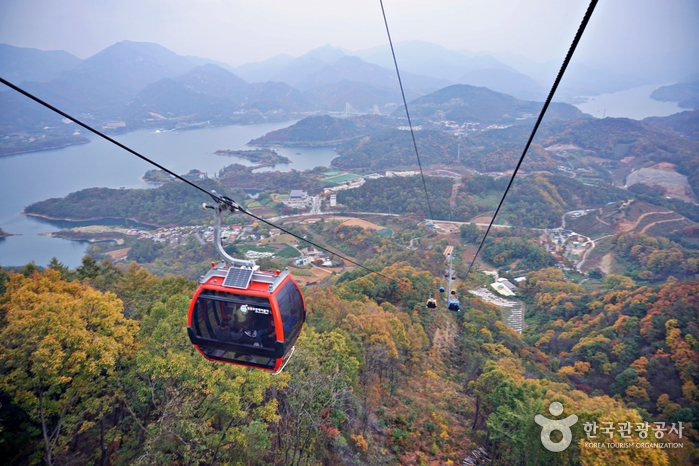
Cheongpung Cable Car (청풍호반케이블카)
18.1Km 2024-07-31
166 Munhwajae-gil, Jecheon-si, Chungcheongbuk-do
Cheongpung Cable Car takes passengers back and forth between Multae-ri in Cheongpung-myeon and Bibongsan Mountain along a 2.3-kilometer ropeway. There are a total of 43 cabins that accommodate up to 10 passengers per car, with ten cabins featuring transparent flooring to offer a thrilling bird's-eye-view of Cheongpung-myeon. The cable car can reach a maximum speed of 5 meters per second and takes around 10 minutes from the departure point to Bibongsan Mountain peak. Bibongsan Mountain sits at the center of Cheongpungho Lake and has an elevation of 531 meters. The sight from top offers a feeling as if one is looking down at an archipelago. The cable car allows children and the elderly to enjoy the sight without the hassle of hiking up to the summit.

Chungjuho Lake (충주호)
19.3Km 2024-03-08
Jodong-ri, Dongnyang-myeon, Chungju-si, Chungcheongbuk-do
Chungjuho Lake is the nation’s largest lake, and was formed after the construction of Chungju Dam. When constructing the dam, an area of approximately 66.48 ㎢ was submerged throughout three regions in Chungju, Danyang and Jecheon. Even though nearly 50,000 people lost their hometown, the lake became a famous regional tourist spot, along with Woraksan National Park, Songgye Valley, Cheongpung Culture Center, Eight Sceneries of Danyang, Gosu Cave, Guinsa Temple, Suanbo Hot Springs, Nodong Cave and other spots.
Tourists can enjoy the scenic area on five ferry docks from Chungjunaru, main ferry dock of Chungju Dam, Cheongpungnaru, Janghoenaru where Gudambong Peak and Oksunbong Peak are located, Danyangnaru in Danyang-eup, and Woraknaru located near the beautiful scenery of Woraksan Mountain. From Chungju Dam to Janghoenaru, it takes approximately 1 hour 30 minutes, making it a long-distance course and offers special sightseeing on board. This course also holds great views of Chungjuho Lake and Yeongbong Peak of Woraksan Mountain, the surrounding scenery of Woraknaru, and two scenic spots of Danyang which are Gudanbong and Oksunbong Peak featuring uniquely-shaped rocks and peaks. This course is the most attractive among Chungjuho ferry excursion routes.
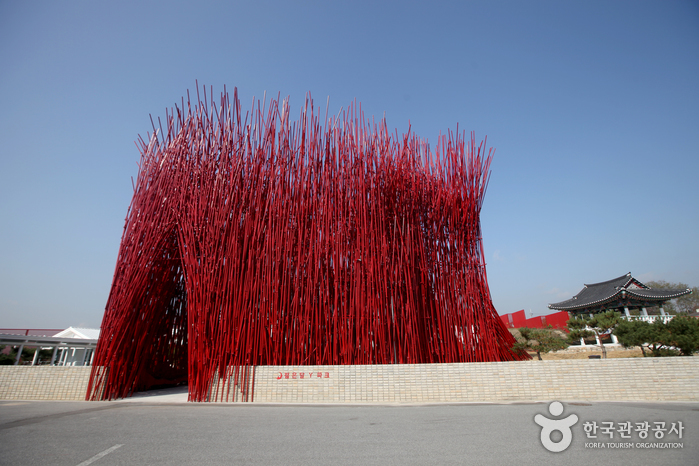
Youngwol Y Park (젊은달와이파크)
19.6Km 2024-01-09
1467-9 Songhakjucheon-ro, Jucheon-myeon, Yeongwol-gun, Gangwon-do
Youngwol Y Park is a complex art space that recreated the Sulsaem Museum, which opened in 2014, into a regeneration space that combines contemporary works of art, museums, and workshops. This newly created contemporary art space was planned by sculptor Choi Ok-yeung. Located in Jucheon-myeon’s untouched beautiful nature, the space is composed of Red Bamboo, Red Pavilion, and Jupiter, which are works using the signature red color of Choi Ok-yeung. The artist designed the space according to various themes, such as life, space, and regeneration, intending to evoking various feelings within visitors through viewing and experience. It is a huge art museum and land art space divided into 11 landscapes, and it's worth taking the time to look around slowly.
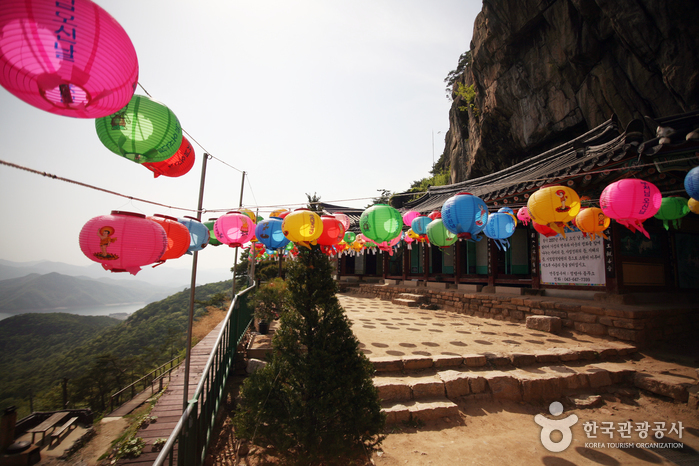
Jeongbangsa Temple (정방사)
19.7Km 2021-11-10
165, Oksunbong-ro 12-gil, Jecheon-si, Chungcheongbuk-do
Located on a ridge of Sinseonbong Peak (845 meters) nearby Geumsusan Mountain, Jeongbangsa Temple was founded by Buddhist Monk Uisang in the second year (662) of King Munmu’s reign during the Silla dynasty. Jeongbangsa Temple is a branch of Beopjusa Temple located on Songnisan Mountain and is a well known oratory amongst Buddhists. The temple offers fantastic views of Cheongpungho Lake that are said to calm and clear the mind. A unique feature of this temple is the mountain wall making up a portion of the temple roof.
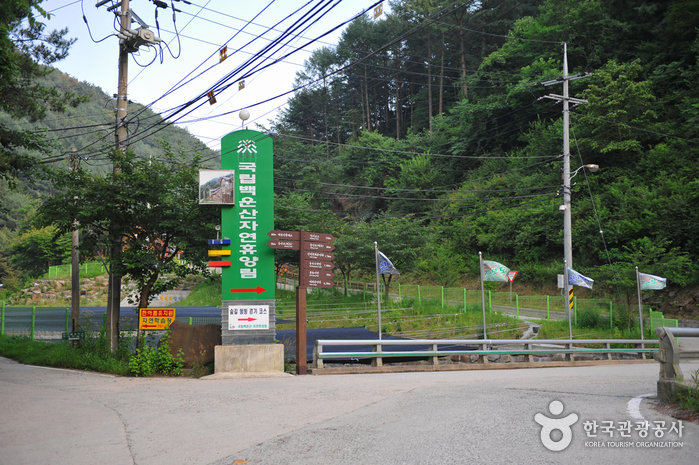
Wonju Baegunsan National Recreational Forest (국립 백운산자연휴양림 (원주))
19.7Km 2022-10-25
81, Baegunsan-gil, Wonju-si, Gangwon-do
The valley flowing from the top of Baegunsan Mountain to the north direction is called Yongsugol Valley. A dense forest, pristine waters and numerous rock formations in the vicinity all provide a beautiful scenery. The downstream area of the valley holds a large amount of water and it is a popular place for vacationers and visitors all year round. The forest park contains a wide variety of trees, some of which grow naturally while others have been more recently planted. In particular, the 1.7-kilometer section of the valley that stretches from the entrance to the resort area boasts breathtaking scenery and is lined with weigela and wild cherry trees. The park is carpeted with various wild flowers such as dicentra, columbine and hepatica, and wild animals such as water deer, wild boars, and raccoons are easily spotted.
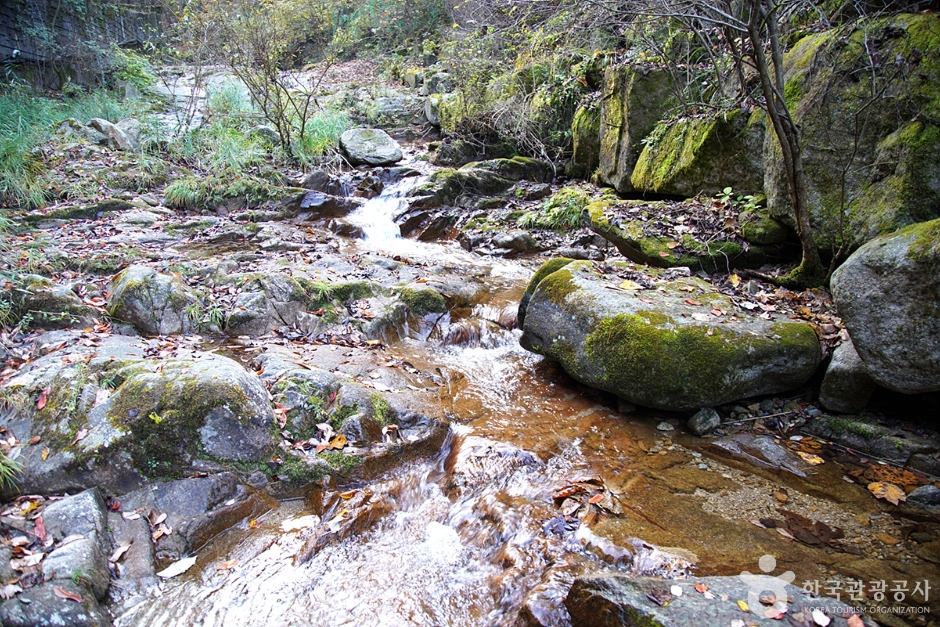
Cheoneunsagyegok Valley (Wonju) (천은사계곡(원주))
19.8Km 2025-01-17
Gwirae-ri, Gwirae-myeon, Wonju-si, Gangwon-do
Cheoneunsagyegok Valley is located at the entrance to the hiking trail to Baegunsan Mountain. The area is adorned with a diverse array of tree species, including pine trees, creating an ideal environment for woodland walks. Stretching for about 500 meters from the entrance to Cheoneunsa Temple, the valley features clear, cool waters and broad rocks, making it a favored destination for summer vacationers.
 English
 한국어
한국어 日本語
日本語 中文(简体)
 Deutsch
 Français
 Español
 Русский


