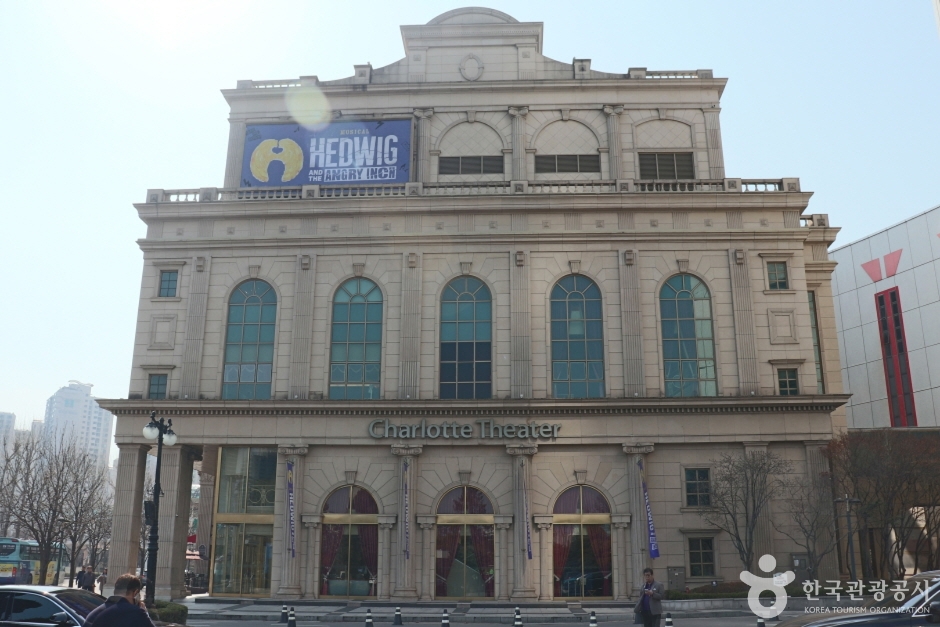
Charlotte Theater (샤롯데씨어터)
10.6Km 2024-03-20
240 Olympic-ro, Songpa-gu, Seoul
The Charlotte Theater, located near Lotte Tower in Jamsil, features an elegant and luxurious interior and exterior reminiscent of medieval Europe, providing a sophisticated setting for musical performances. With a short distance between the stage and the audience, spectators can vividly experience the actors' performances up close. It hosts productions such as The Phantom of the Opera and Jekyll & Hyde.
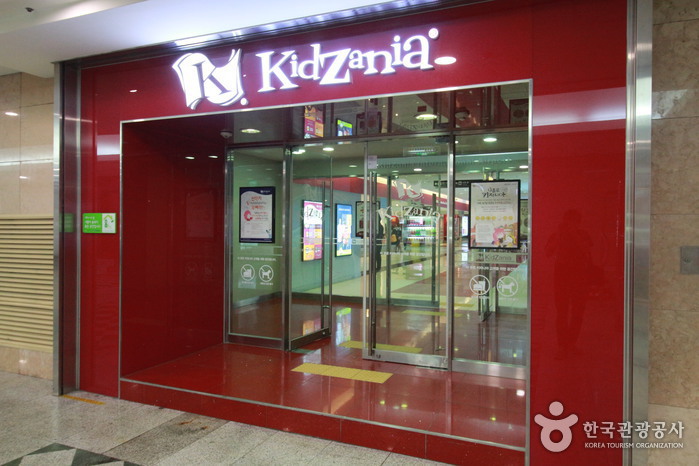
KidZania Seoul (키자니아 서울)
10.6Km 2024-03-13
240, Olympic-ro, Songpa-gu, Seoul
KidZania is a theme park organized around the idea of vocational experience for children. It is home to a variety of facilities where one can experience different career paths, all located on a scale model of a city. Visitors can learn what it is like to work as a firefighter, doctor, cook, member of the police force, reporter, and more.
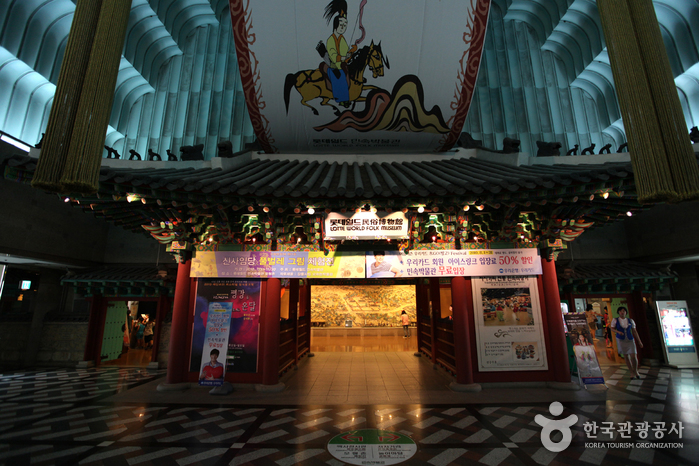
Lotte World Folk Museum (롯데월드 민속박물관)
10.6Km 2024-03-12
240, Olympic-ro, Songpa-gu, Seoul
Lotte World Folk Museum, located within Lotte World, is a museum showcasing the ancient lifestyles of Korea. It exhibits artifacts from the prehistoric era to the Japanese colonial period, divided by historical eras. Particularly noteworthy is the miniature village, featuring over two thousand dolls at a scale of 1:8, depicting various aspects of life during the Joseon dynasty, including the four seasons, seasonal customs, four ceremonial occasions, and the lives of the yangban and commoners with remarkable realism.
![Taereung and Gangneung Royal Tombs [UNESCO World Heritage] (서울 태릉과 강릉 [유네스코 세계문화유산])](http://tong.visitkorea.or.kr/cms/resource/16/2658216_image2_1.jpg)
Taereung and Gangneung Royal Tombs [UNESCO World Heritage] (서울 태릉과 강릉 [유네스코 세계문화유산])
10.7Km 2022-09-19
681, Hwarang-ro, Nowon-gu, Seoul
Designated as a Historic Site, Taereung & Gangneung Royal Tombs is comprised of two tombs. Taereung Royal Tomb houses the burial mound of Queen Munjeong who was the second queen of King Jungjong, the 11th King of the Joseon dynasty, and Gangneung Royal Tomb houses the burial mounds of King Myeongjong, the 13th King of Joseon dynasty, and Queen Insun. King Myeongjong ascended the throne after his elder brother, King Injong, when he was twelve years old at Geunjeongjeon Hall in Gyeongbokgung Palace in 1545. The king’s mother, Queen Munjeong ruled behind the scenes, acting as guardian for eight years.
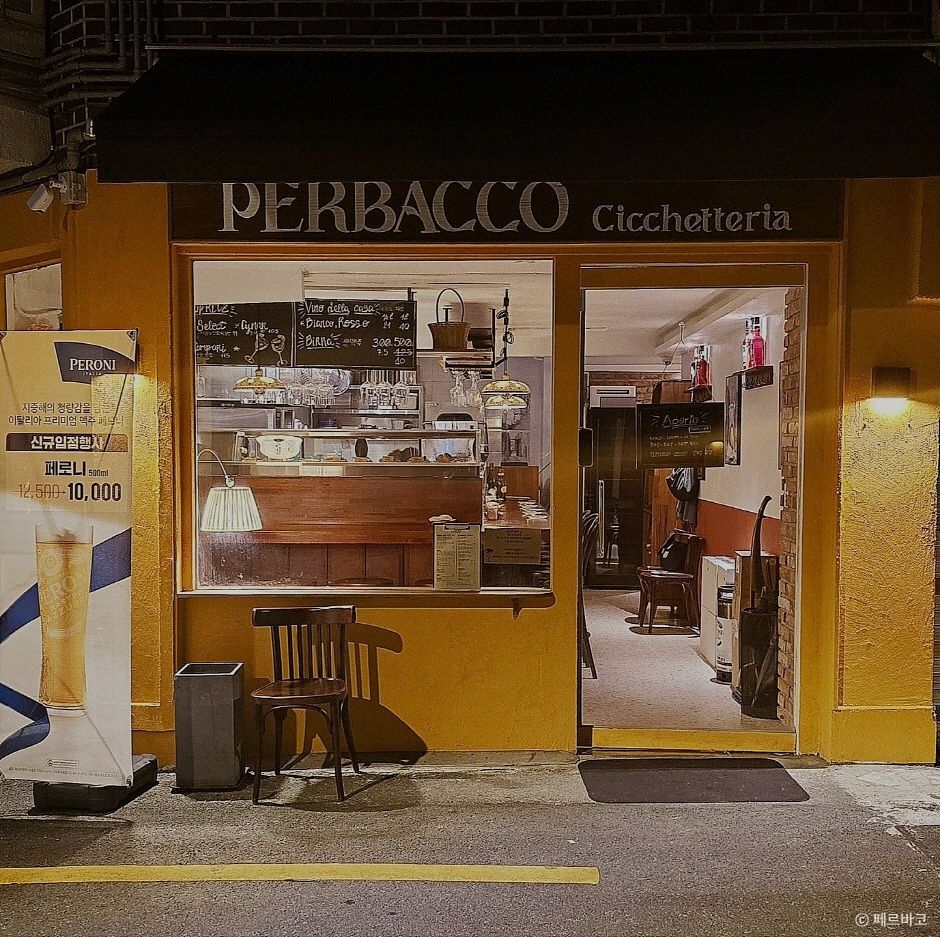
Perbacco (페르바코)
10.7Km 2024-09-11
30 Neungdong-ro 16-gil, Gwangjin-gu, Seoul
Perbacco is a Venetian style pub, better known as a chicchetteria. The pub offers lesser-known Italian snack fare from Venice, with their main dish being cicchetti, flat slices of bread piled with various ingredients, usually focusing on seafood.
![Namhansanseong Provincial Park [UNESCO World Heritage] (남한산성도립공원 [유네스코 세계문화유산])](http://tong.visitkorea.or.kr/cms/resource/56/2612856_image2_1.jpg)
Namhansanseong Provincial Park [UNESCO World Heritage] (남한산성도립공원 [유네스코 세계문화유산])
10.7Km 2024-02-29
731 Namhansanseong-ro, Namhansanseong-myeon, Gwangju-si, Gyeonggi-do
Namhansanseong was a fortress that protected the southern approaches to the capital during the Baekje kingdom (18 B.C. – 660 A.D.) and the Joseon dynasty (1392-1897). During the Qing invasion of Joseon in 1636, King Injo of Joseon (reigned 1623-1649) sought refuge here and constructed Haenggung, a temporary palace. Subsequently, it became the administrative center of the Gwangju region, and today, it is a site where many cultural properties are preserved.
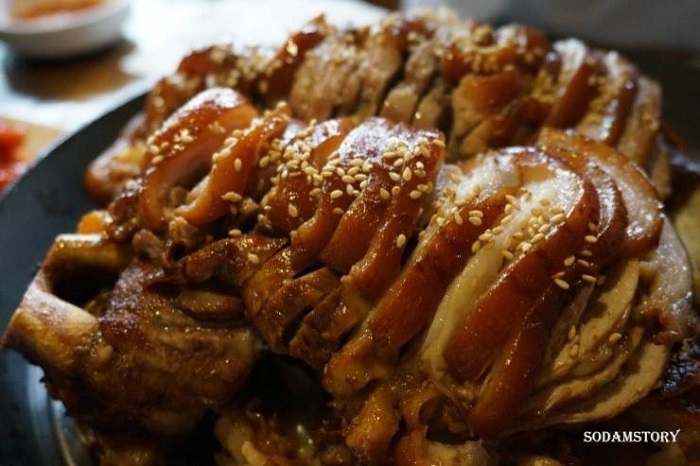
Madang Jokbal (마당족발)
10.7Km 2024-10-15
175, Neungdong-ro, Gwangjin-gu, Seoul
It is a restaurant with an outdoor terrace. This Korean dishes restaurant is located in Gwangjin-gu, Seoul. The most famous menu is braised pigs' feet.
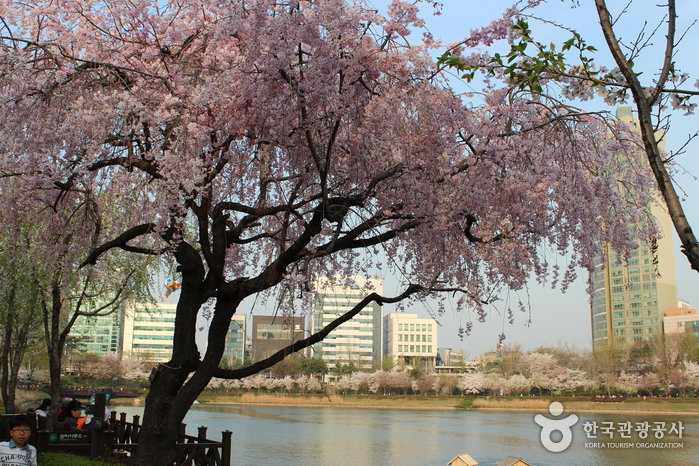
Songpa Naru Park (Seokchonhosu Lake) (송파나루공원 (석촌호수))
10.8Km 2025-10-23
136 Samhaksa-ro, Songpa-gu, Seoul
Songpa Naru Park, also commonly referred to as Seokchonhosu Lake, is a citizen park in Seoul with a jogging course and walking trails. It has two lakes with Songpa-daero Boulevard running in between. Originally, a branch of the Hangang River ran through the site, forming one large lake, but the lake was divided into two with the construction of Songpa-daero Boulevard. The total size of the two lakes is 217,850 ㎡, and they hold about 737 tons of water. The depth of the lakes is 4-5 meters.

Gyeonggi Janggyeongsa Temple (장경사(경기))
10.9Km 2025-01-14
676, Namhansanseong-ro, Gwangju-si, Gyeonggi-do
Janggyeongsa Temple is located in Namhansanseong Fortress. Namhansanseong Fortress, which protected Seoul along with Bukhansanseong Fortress, was built at the same time as Janggyeongsa Temple in 1638, during the 16th year of King Injo. Warrior monks from all eight provinces throughout the country helped with the construction. Janggyeongsa Temple is the only remaining temple among nine such temples where military groups made up of monks stayed for trainings.
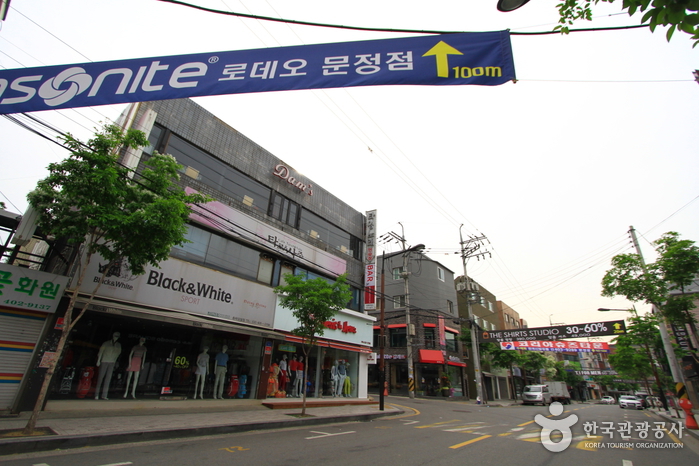
Munjeong-dong Rodeo Street (문정동 로데오거리)
11.0Km 2025-03-29
10, Dongnam-ro 4-gil, Songpa-gu, Seoul
Munjeong-dong Rodeo Street is a large shopping district containing over 200 brand-name discount stores. The street is T-shaped, with a 1-kilometer-long main street connected to a 400-meter-long alley, and the Munjeong 1-dong Resident Center located at the center. For shoppers’ convenience, there is a public parking lot (if visitors purchase goods at Rodeo Street, they can park here for free) and a parking lot for foreign tourists only (free of charge). Munjeong-dong Rodeo Street is one of Korea’s major shopping streets with customers ranging from teenagers to adults, since discount stores stocking sports wear, casual wear, shoes, men’s and ladies’ suits, and golf wear are all located on this street. Moreover, this is a great place to find deals on famous brands, at prices lower than at a department store. On some items you can get discounts of up to 70-80%.
Since most of the goods are stock from previous seasons, it might be better to purchase the more classic styles rather than the trendy fashions. In some cases, the goods might have been slightly crumpled or stained during the transfer from warehouse storage, but taking them to the dry-cleaners should fix most problems. However you should be careful when looking at the sewing quality, and check for missing buttons.
One more thing to bear in mind is the shopping season. Even discount stores have periods when stock runs low. The best time to shop is immediately after the stores in Rodeo Street restock their merchandise. This is done at about the same time as department stores. There is also an enormous variety of goods to choose from during the Rodeo Festivals in May and September. The purchased goods are exchangeable but non-refundable, so check the quality of the products carefully before purchasing.
In addition, Munjeong-dong Rodeo Street has a wide selection of restaurants and entertainment facilities. There are a number of pizza places, coffee shops, and food courts, as well as internet cafes and game rooms in the alleys behind the stores. Visitors can also relax in the surrounding parks. There’s a park with a 600-year-old zelkova tree right behind the Munjeong 1-dong Resident Center.
Munjeong Rodeo Street is not just a shopping district; it’s a cultural area. The ‘Munjeong-dong Cultural Festival’ takes place every year in May, and the ‘Munjeong-dong Rodeo Festival’ takes place in May every other year. During these festivals, visitors can watch traditional Korean performances, traditional wedding ceremonies, international fashion parades, hip-hop dancing, and more.
A charity sale is held on weekends and national holidays on the open-air stage of the Munjeong 1-dong Resident Center, and merchandise is sold for even bigger discounts.
 English
 한국어
한국어 日本語
日本語 中文(简体)
 Deutsch
 Français
 Español
 Русский


