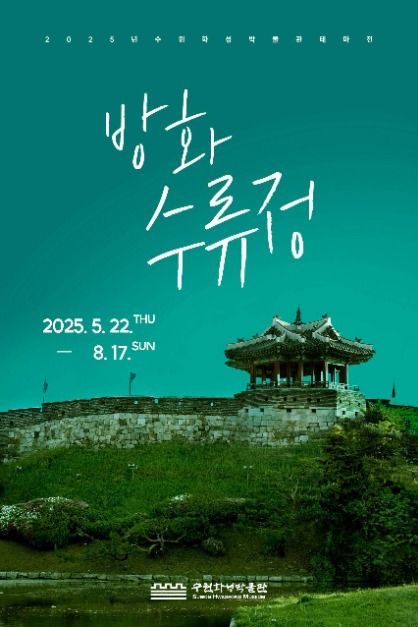
Suwon Hwaseong Museum Themed Exhibition Banghwasuryujeong Pavilion (수원화성박물관 테마전 방화수류정)
11.7Km 2025-07-14
21 Changnyong-daero, Paldal-gu, Suwon-si, Gyeonggi-do
+82-31-228-4209
Banghwasuryujeong Pavilion stands looking over the Hwahongmun Gate and Yongyeon Pond and is a place where the aspirations of King Jeongjo live on. Suwon Hwaseong Fortress has a total of four pavilions, and Banghwasuryujeong Pavilion is located on the northwestern side of the fortress. The fortresses were built to act as a watchtower for keeping an eye on outside invasion, with Banghwasuryujeong Pavilion being located at the most strategic point. Although it was built as a military watchtower, it was designed to also act as a pavilion, and Banghwasuryujeong Pavilion was recognized as a National Treasure in 2011 for outstanding techniques and aesthetics that represent the Joseon dynasty in the 18th century.
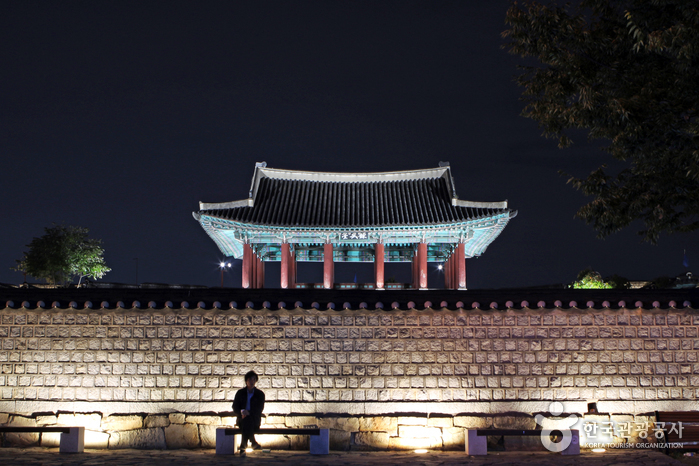
Yeonmudae (Dongjangdae) (연무대 (동장대))
11.8Km 2025-10-23
20, Changnyong-daero 103beon-gil, Paldal-gu, Suwon-si, Gyeonggi-do
+82-31-228-4686
Yeonmudae located inside Suwon's Hwaseong Fortress, a UNESCO World Heritage site. Situated on a relatively high hill between Changnyongmun (the east gate of the fortress) and Hwahongmun (a north floodgate), Yeonmudae is an excellent military observation post with sweeping views of the inside of the fortress. After the fortress was completed in 1796, Yeonmudae was used as a training ground for troops for over two centuries, where they learned fighting skills involving swords, spears and arrows.
At Yeonmudae, visitors can learn archery while wearing traditional military attire; the fortress also offers a wide array of performances for visitors to appreciate traditional Korean culture. Yeomudae is included in the Suwon City Tour course.
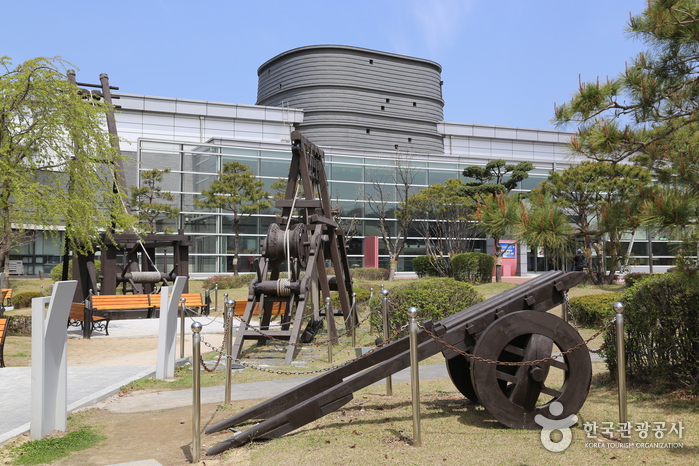
Suwon Hwaseong Museum (수원화성박물관)
11.8Km 2021-12-21
21, Changnyong-daero, Paldal-gu, Suwon-si, Gyeonggi-do
+82-31-228-4242
Suwon Hwaseong Museum presents the history and culture of Suwon Hwaseong Fortress, an important Korean cultural asset and UNESCO World Cultural Heritage Site. Visitors to the museum can learn about the formation of the fortress and the city of Suwon itself through detailed, systematically designed exhititions. The museum houses an extensive collection of items that showcase the construction and development of the fortress, as well as gatherings and events that took place within the fortress.
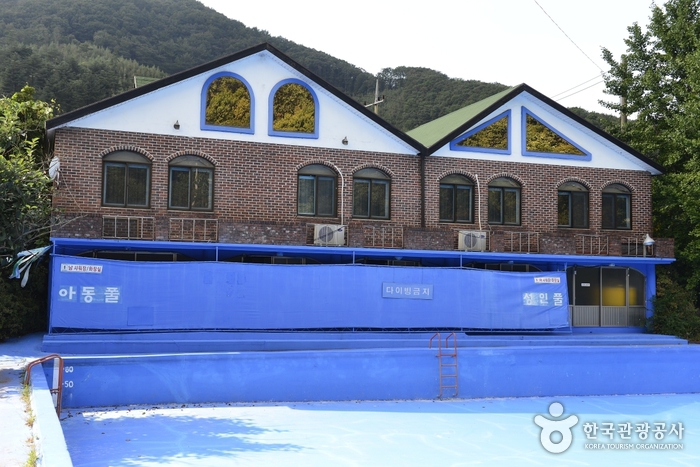
Yongin Leisure Pool (용인레저스포츠 야외수영장)
11.8Km 2024-03-18
495 Iwon-ro, Idong-eup, Cheoin-gu, Yongin-si, Gyeonggi-do
Yongin Leisure Pool is a comprehensive leisure complex. It boasts a large swimming pool and a valley, along with a football field and a foot volleyball court, pensions, bungalows, and barbecue areas. The swimming pool is operational during the summer. For leisure and sports enthusiasts, there are nearby fishing spots and golf courses. Additionally, the complex is conveniently located near Sambongsan Mountain and Sigungsan Mountain, offering excellent hiking opportunities.
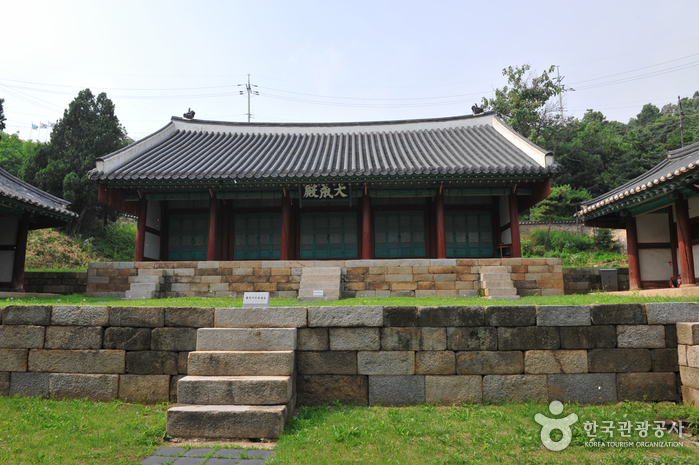
Suwonhyanggyo Confucian School (수원향교)
11.9Km 2022-12-29
107-9, Hyanggyo-ro, Paldal-gu, Suwon-si, Gyeonggi-do
+82-31-245-7639
Suwonhyanggyo Confucian School was built in 1291 in front of Hwasan Mountain in Hwaseong where it stayed for nearly 500 years. It was moved to its current location in 1789 with the construction of Hwaseong Fortress. During the move, some of the original wood was exposed to water and began to rot. These parts were repaired in 1795 and efforts were made to prevent the wooden structure from futher damage. The current school is comprised of various halls, gates, and pavilions. It is registered as Gyeonggi-do Cultural Property and operates programs every summer for regional students.
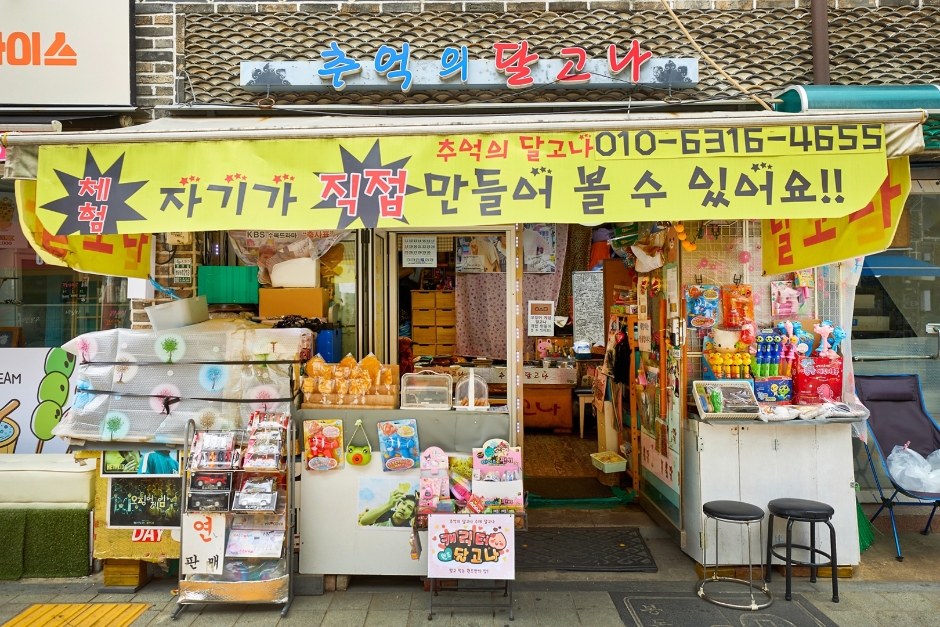
Nostalgic Dalgona (추억의달고나)
11.9Km 2024-02-01
44 Haenggung-ro, Paldal-gu, Suwon-si, Gyeonggi-do
At Nostalgic Dalgona, visitors can make and eat dalgona, a snack that has become world-famous as it frequently appears in Korean content such as drama series like Netflix's Squid Game and entertainment shows. The recipe requires using a ladle and heat to dissolve sugar mixed with a small amount of baking soda. Once dissolved, pour out the caramel-like mix onto a tray, then stamp the surface with a cookie cutter of a preferred shape, such as heart, animal figure, or umbrella. The process of tearing off the edges along the pattern like from the scene in Squid Game can be quite a challenge and fun at the same time.
![Himart - Ori Branch [Tax Refund Shop] (하이마트 오리점)](http://tong.visitkorea.or.kr/cms/resource/80/2881780_image2_1.jpg)
Himart - Ori Branch [Tax Refund Shop] (하이마트 오리점)
11.9Km 2024-04-19
5, Gumi-ro, Bundang-gu, Seongnam-si, Gyeonggi-do
-
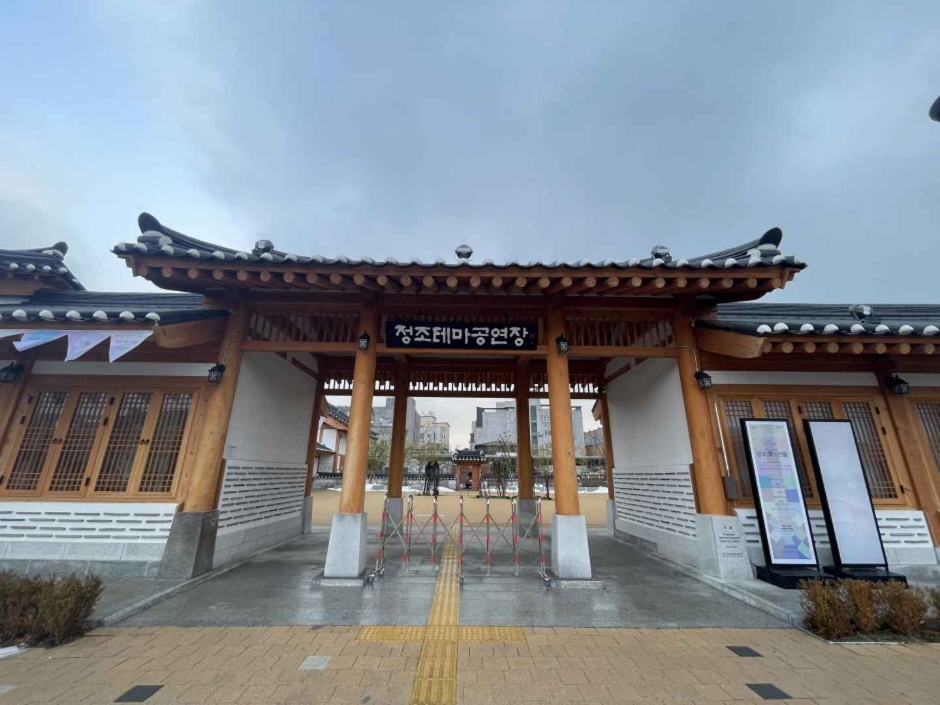
Jeongjo Theme Performance Hall (정조테마공연장)
11.9Km 2024-07-24
817 Jeongjo-ro, Paldal-gu, Suwon-si, Gyeonggi-do
Jeongjo Theme Performance Hall is located in a hanok-style building just next to the Temporary Palace of Hwaseong Fortress in Suwon. The hall serves as venue to a range of performances, both traditional and modern, and is a great addition to family visits to the area.
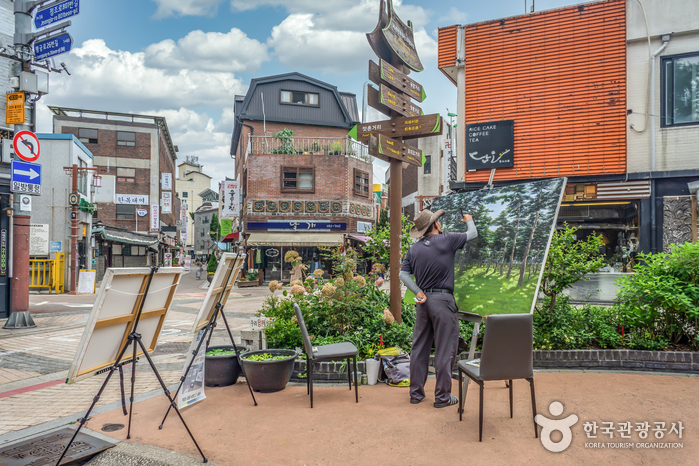
Suwon Workshop Street (수원 공방거리)
11.9Km 2024-12-11
Namchang-dong, Paldal-gu, Suwon-si, Gyeonggi-do
Suwon Workshop Street stretches from the plaza of Hwaseong Haenggung Palace to the Nammun Rodeo Youth Culture Performance Hall near Paldalmun Gate. The street is lined with workshops where artists display and sell their handmade crafts. Visitors can engage in various craft experiences, including woodcraft, hanji (traditional Korean paper) craft, ribbon craft, sewing, and metalworking, while also shopping for unique handmade items. In addition to the workshops, the street features Haenggung Sarangchae, a cozy spot for travelers to unwind, the Museum of Memories, and several charming cafés.
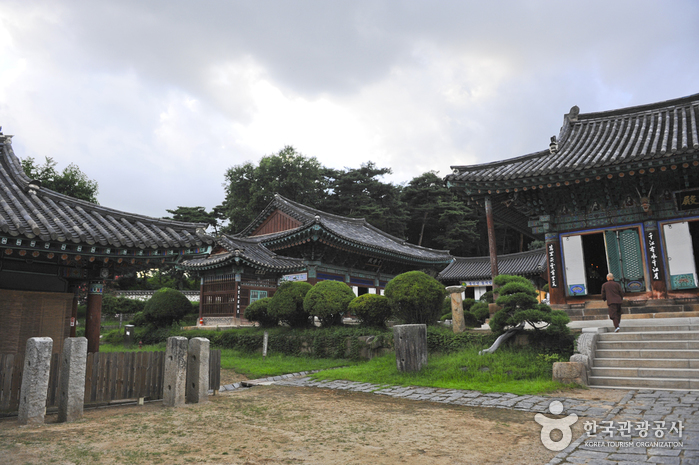
Hwaseong Yongjusa Temple (용주사(화성))
11.9Km 2021-12-21
136, Yongju-ro, Hwaseong-si, Gyeonggi-do
+82-31-234-0040
Yongjusa Temple is located near Yungneung and Geolleung Royal Tombs. This site was originally the location of Garyangsa Temple, which was constructed in 854, during the 16th year of King Munseong of the Silla Kingdom. The temple was very famous as it was surrounded by beautiful mountains and crystal clear waters. However, the temple was destroyed by fire during the Manchu War of 1636.
During the Joseon dynasty, King Jeongjo moved the tomb of his father to this spot, and built Yongjusa Temple here to pray for the repose of his father’s soul. It is said that one night before the temple was completed, King Jeongjo dreamt of a dragon ascending to the sky holding a magic ball in its mouth. He therefore named the temple “Yongjusa,” which means the temple of a dragon with a magic ball in Korean.
The courtyard of the temple contains the Bronze Bell of Yongjusa Temple, a National Treasure; a stone pagoda; Daeungbojeon (the main hall); and Cheonboru Pavilion. Visitors to Yongjusa Temple can also find the “Bumoeunjunggyeong” books, which were written by King Jeongjo on the subject of filial affection and respect for one’s parents. These days, Yongjusa Temple and the Yungneung and Geolleung Royal Tombs are highly valued for their cultural heritage.
 English
 한국어
한국어 日本語
日本語 中文(简体)
 Deutsch
 Français
 Español
 Русский


