
Silbi Sikdang (실비식당)
12.9Km 2025-01-22
12 Hoguk-ro 1123beon-gil, Uijeongbu-si, Gyeonggi-do
Opened in 1965, Silbi Sikdang uses its unique sauce to create special budaejjigae (Sausage Jjigae) and budaebokkeum.
Seoul Folk Flea Market (서울 풍물시장)
12.9Km 2025-04-11
21 Cheonho-daero 4-gil, Dongdaemun-gu, Seoul
+82-2-2232-3367
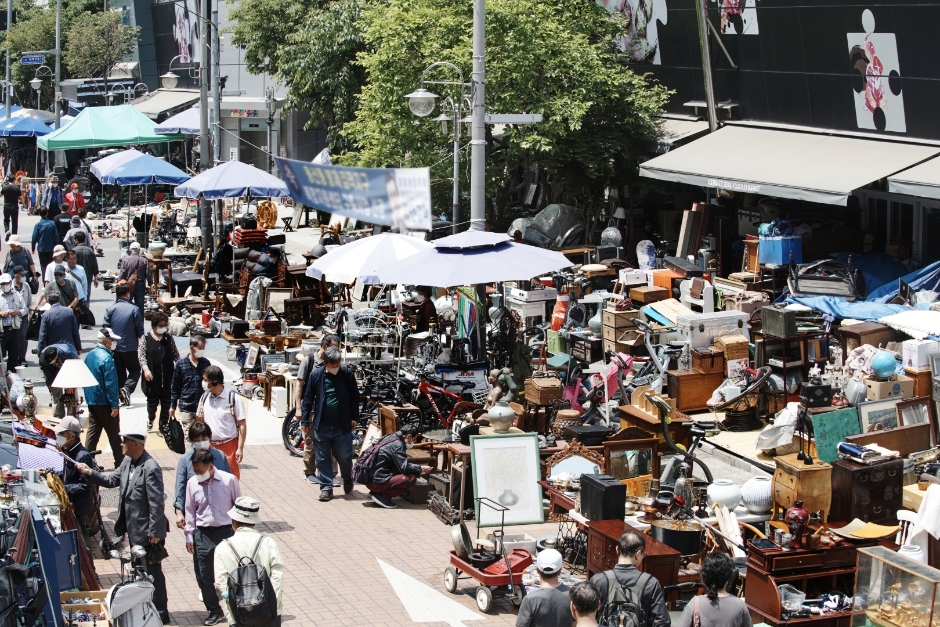
The Seoul Folk Flea Market is located around Cheonggyecheon Stream's Hwanghakgyo Bridge and Sinseol-dong Station and is on its way to becoming a famous tourist attraction along with the already famous Cheonggyeocheon Stream. The Seoul Folk Flea Market is one of the major folk flea markets preserving the culture of the traditional Korean marketplace and drawing in visitors with a range of folk items that embody the unique charm of Korea. Folk items include everyday items, souvenirs, traditional goods and even traditional foods, allowing visitors to enjoy shopping and eating all under the same roof.
The Seoul Folk Flea Market originated from the flea market in Hwanghak-dong where many street shops and vendors gathered around Cheonggyecheon Stream before it was restored and modernized into its current state. The market was relocated to the Dongdaemun History & Culture Park (Formerly Dongdaemun Stadium) while the Cheonggyecheon Stream was undergoing restorations, and was moved back to Cheonggyecheon Stream sometime later. Seoul City aims to market Seoul Folk Flea Market as a new shopping spot at its current location, the former site of Sungin Girls' Middle School on Cheonggyeo 8-ga Street, near Cheonggyeocheon Stream to develop the Korean representative folk flea market-related tourism industry.
The main items of the Seoul Folk Flea Market include a diverse range of folk items, traditional crafts, local specialties and fashion items. You may also enjoy a range of foods and snacks including traditional Korean food and fusion cuisine from all over the world. What is special about the market is that you can find rare goods and authentic traditional items that cannot be found at other markets. The market atmosphere is a mix of old, revered traditions and modern aspects, providing visitors with a great shopping experience. The Seoul Folk Flea Market is truly a traditional flea market well worth visiting.
Salgoji Sports Park (살곶이 체육공원)
13.0Km 2024-03-20
16-18 Sageundong-gil, Seongdong-gu, Seoul
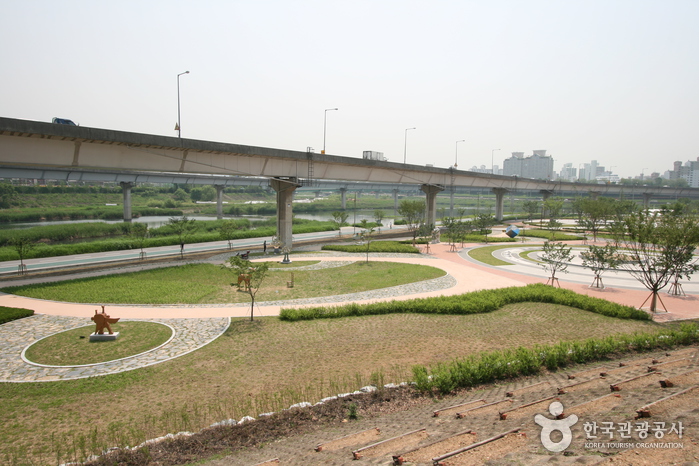
Salgoji Sports Park is located along the Joongnangcheon Riverside near Hanyang University. Its name "Salgoji" holds deep historical significance, meaning "the place where an arrow is shot" in Korean. The park features facilities such as an inline skating rink, soccer field, basketball court, and badminton court. There are dedicated bicycle paths and pedestrian walkways around the park. Throughout the year, walking festivals and mini marathons are organized, making it a beloved spot among cyclists. In the summer, an outdoor water playground is operated.
Jeongtong Budaegogi (정통부대고기)
13.0Km 2024-12-23
경기도 의정부시 호국로 1102
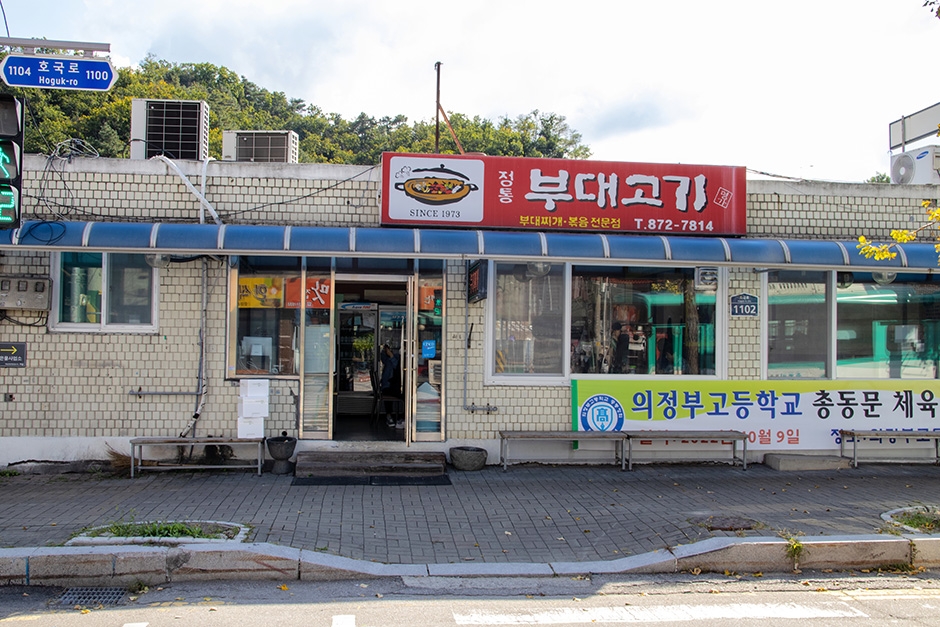
Opened in 1973, this budaejjigae (Sausage Jjigae) restaurant is known for its exceptional flavor, achieved through spicy kimchi and a carefully crafted broth. Another popular menu item is budaebokkeum, a stir-fried, soupless version of the classic jjigae.
Hanyang University Seoul Hospital (한양대학교병원(서울))
13.1Km 2025-10-23
222-1 Wangsimni-ro, Seongdong-gu, Seoul
Hanyang University Medical Center, established in 1972 with the motto of "Love in Deed and Truth", offers exceptional medical care to patients worldwide. It is equipped with advanced medical equipment and staffed by highly skilled and experienced medical professionals. The hospital has achieved grade 1 in the adequacy evaluation for several diseases, including cardiovascular and cerebrovascular diseases, as well as major cancers, making it a top medical institution. Its goal is to provide prompt and convenient medical care to both domestic and international patients in a patient-centered approach.
Gildong Ecological Park (길동생태공원)
13.1Km 2021-10-23
1291, Cheonho-daero, Gangdong-gu, Seoul
+82-2-489-2770
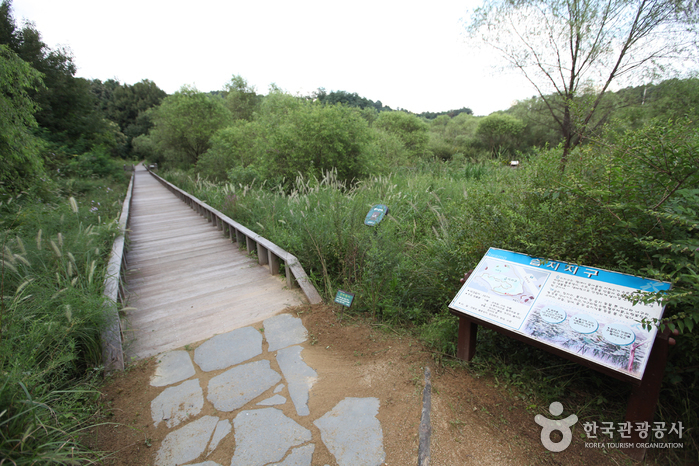
Gildong Ecological Park was founded by the Seoul government by restoring the wetland on the side of Cheonho-daero. The park maintains and preserves a wide range of flora and fauna in their natural habitats, allowing park visitors to observe plants, animals and insects in a natural ecosystem, and to learn about the importance of nature conservation.
The 80,683 ㎡ park is divided into a wetland zone, forest zone, and grassland zone. Amenities include an outdoor classroom, outdoor exhibition space, observation deck, pergolas, and more. The bird observation platform in particular is a great way to birdwatch in the urban landscape.
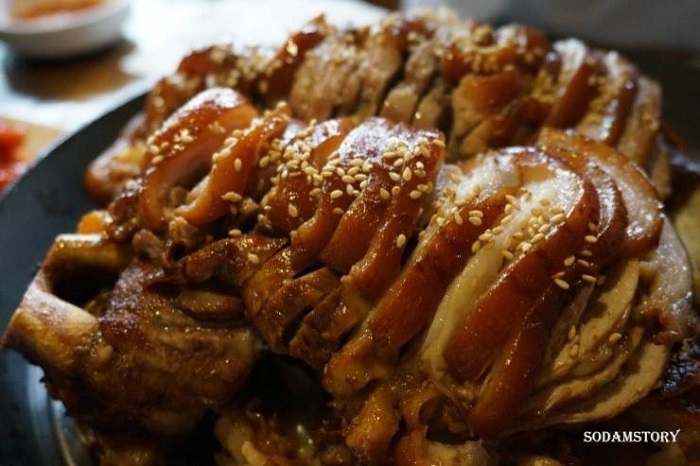
Madang Jokbal (마당족발)
13.1Km 2024-10-15
175, Neungdong-ro, Gwangjin-gu, Seoul
+82-2-468-3030
It is a restaurant with an outdoor terrace. This Korean dishes restaurant is located in Gwangjin-gu, Seoul. The most famous menu is braised pigs' feet.
Seoul Miz Hospital (서울미즈병원)
13.2Km 2025-10-23
1041 Cheonho-daero, Gangdong-gu, Seoul
Seoul Miz Hospital is a women’s specialized hospital located in Gangdong-gu, Seoul. It provides medical services in obstetrics and gynecology, breast and thyroid surgery, internal medicine, dermatology and plastic surgery, and pediatrics, while also operating a health promotion center. With its newly expanded building, the hospital has established an International Medical Center to support the treatment of foreign patients.
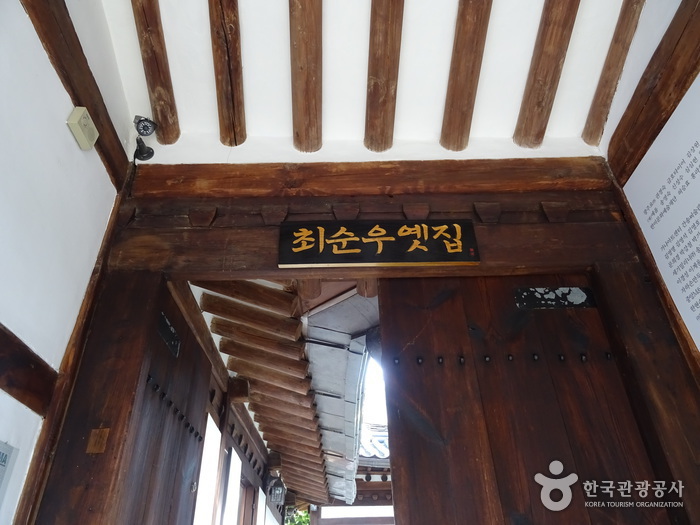
Choi Sunu House (최순우 옛집)
13.2Km 2021-12-21
9, Seongbuk-ro 15-gil, Seongbuk-gu, Seoul
+82-2-3675-3401
The Choi Sunu House is the old residence of Hyegok Choi Sunu (1916-1984), who lived in this house from 1976 until the day he passed away. The house is designated as Korea’s Registered Cultural Property. Choi Sunu was a leading art historian who served as the director of the National Museum of Korea. He devoted his life to rediscovering the beauty of Korean art and made many academic accomplishments in the areas of Korean ceramics, traditional woodcraft, and the history of painting.
The house has been open to the public as the Hyegok Choi Sunu Memorial Hall since 2004. The memorial hall displays Choi Sunu’s relics as a permanent exhibition and holds special exhibitions in the fall as well as cultural programs every spring and fall.
 English
 한국어
한국어 日本語
日本語 中文(简体)
 Deutsch
 Français
 Español
 Русский


