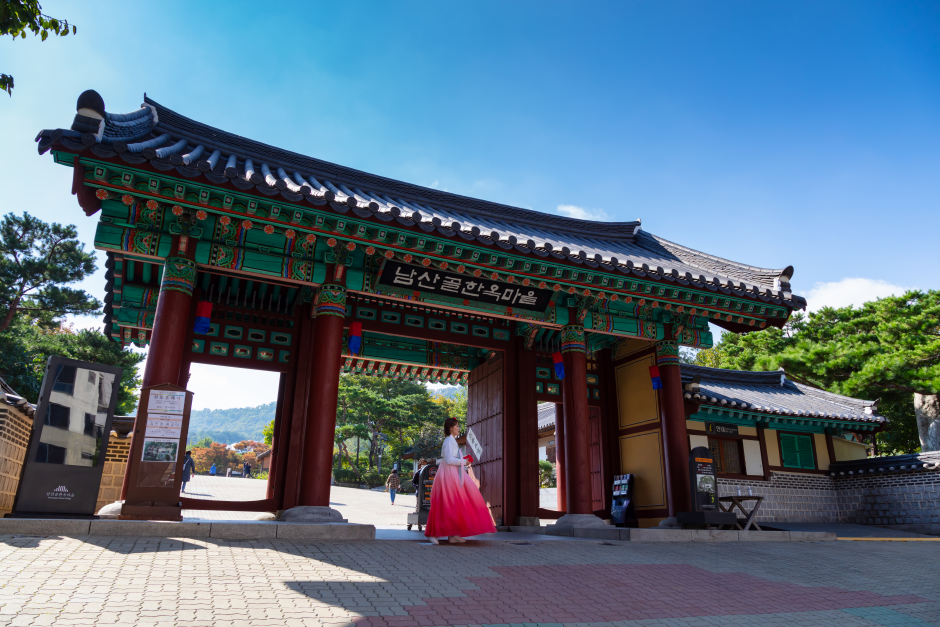
Namsangol Hanok Village (남산골한옥마을)
15.0Km 2025-07-14
28 Toegye-ro 34-gil, Jung-gu, Seoul
Namsangol Hanok Village opened in 1998 on the northern side of Namsan Mountain in the center of the capital. This village has five restored hanok (traditional Korean house) premises, a pavilion, a traditional garden, a performance art stage, and a time capsule plaza, making it a perfect spot for locals and tourists to take a leisure walk. Upon entering from the front gate, visitors will get a taste of Korea's traditional life while escaping from bustling city life. The traditional garden with its pavilion and old houses creates a peaceful ambiance before the forested Namsan Mountain. A time capsule commemorating Seoul’s 600th anniversary was buried in 1994 at the highest point of the village and is scheduled to be reopened 400 years later in 2394.
The five hanok premises at Namsangol Hanok Village once belonged to aristocrats and government officials of the Joseon dynasty. Each house was originally located in a different neighborhood, but they were all moved to this area and restored to their original form. The houses were rebuilt using their original materials, except for one house, where the materials were too old and deteriorated to be reused. The premises were carefully restored and replicated according to their original form to depict the owners’ social class and personality. These buildings are now used as an exhibit to portray the living environment during the Joseon dynasty and as a venue for educational and cultural programs for children and tourists.
Some of the unique programs and activities to participate in include wearing hanbok, folding hanji (traditional Korean paper), writing in Korean, traditional tea ceremony, traditional etiquette school, and herbal medicine experience. There are also taekwondo demonstrations and other various performances held around the village. Visitors can also try traditional games such as yunnori (traditional board game), or understand more about the area through a guided tour.

Yeson Voice Center (예송이비인후과 음성센터)
15.0Km 2025-10-23
773 Samseong-ro, Gangnam-gu, Seoul
Yeson Voice Center is the only center of its kind in Korea that implements various high-tech treatment methods.
It provides multilaryngeal muscle Botox injection tailored to patients with spasmodic dysphonia to significantly increase the length of their normal voice period, while increasing the possibility of curing the disease. As such, the center provides patients with spasmodic dysphonia, a disease previously considered incurable, with renewed hope.
Additionally, the center uses advanced surgical techniques, including microflap laryngomicrosurgery, to treat various diseases such as vocal cord nodules, vocal cord polyps, Reinke's edema or vocal fold cyst, allowing patients to recover their clean and clear voices.
The center also provides laryngoplasty, enabling transgender individuals to change their voices to their preferred gender identity, for a thorough transition.
Yeson Voice Center has created a new healthcare treatment culture. It is committed to steadfastly conducting research to provide patients in Korea with new medical services they have not experienced before and to get closer to its patients.
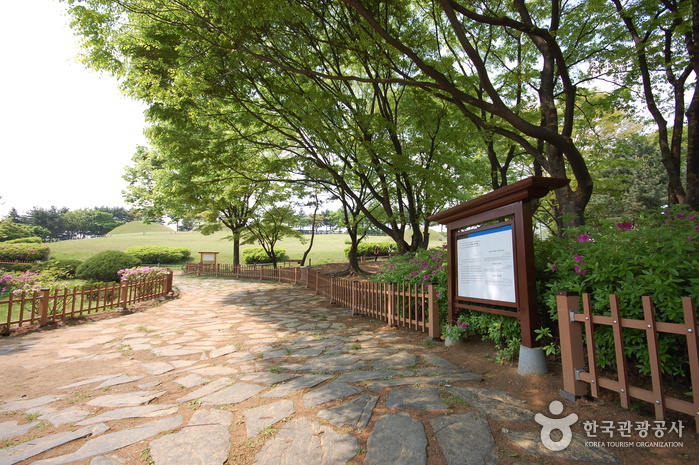
Seoul Bangidong Ancient Tombs (서울 방이동 고분군)
15.0Km 2022-12-29
219, Ogeum-ro, Songpa-gu, Seoul
The ancient tombs in Bangi-dong were discovered during the land readjustment project of Jamsil-jigu District in 1975. A total of eight ancient tombs were excavated until 1976, and the site was restored into a park in 1983. The Bangi-dong area was originally a low line of hills with an altitude of 30-50 meters above sea level, but it has been made into flatland for urban development purposes. Tomb numbers 1 to 6 lie on the same hill, while tomb no. 7 and 8 are located on another hill a short distance away.
All eight tombs have circular burial mounds. The insides of the a tomb feature a square or rectangular-shaped burial chamber with earthen ground and stone walls, and a passage leading from the tomb entrance to the chamber. However, details of the burial chambers vary by tomb. Most of the tombs had been robbed before the investigation, but a few relics such as plates and pots have been excavated. At the time of excavation, the relics were presumed to have come from the Baekje dynasty (18 BC-660 AD), but it is now estimated that they date back to the Unified Silla Period (676-935 AD).
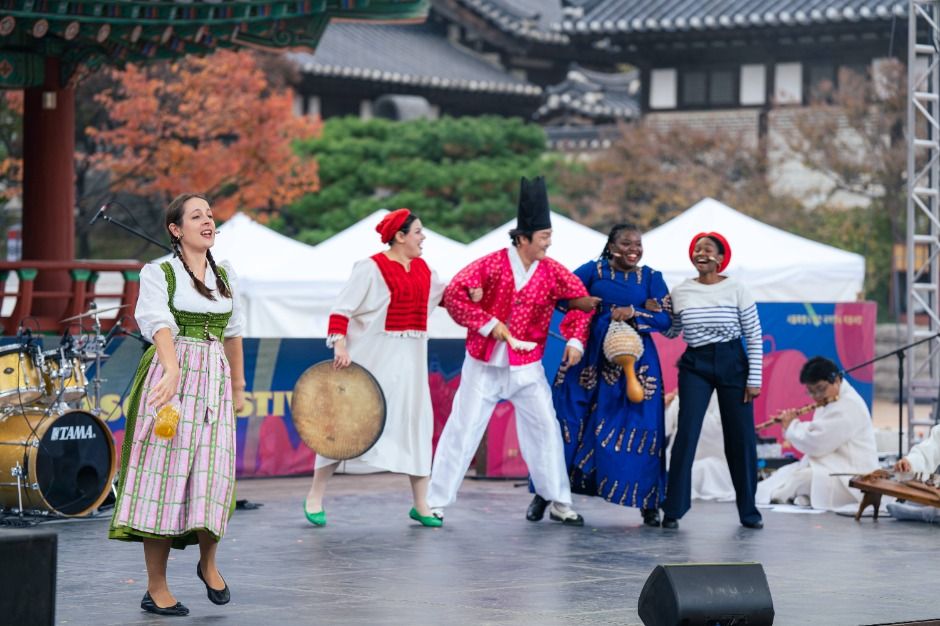
World Pansori Festival (월드판소리페스티벌)
15.0Km 2025-07-30
28 Toegye-ro 34-gil, Jung-gu, Seoul
+82-2-904-2835
World Pansori Festival is an international music festival that aims to promote pansori, the traditional Korean epic chant, and its values. The festival consists of a variety of performances and concert programs based on its yearly theme. In addition, the festival also has interactive activities for the attendees, such as a free pansori lesson and arts-and-crafts, to make pansori and traditional Korean music more accessible to the public.
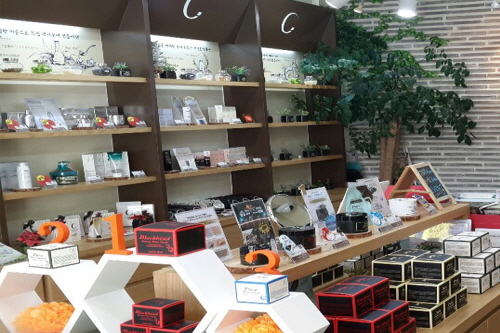
CAOLION Cosmetics (카오리온)
15.0Km 2025-01-06
8, Apgujeong-ro 50-gil, Gangnam-gu, Seoul
Established in 1995, CAOLION Cosmetics has been making hypoallergenic cosmetics for sensitive skin for 18 years.
The company launched natural cosmetics for the first time with a 3-free principle: pigment-free, fragrance-free, and alcohol free. At the present, the company has developed products that are exclude up to 17 adverse ingredients such as preservatives and mineral fibers.
CAOLION was the first Korean brand to enter into LVMH (Louis Vuitton Monët Hennessy)
Group's global cosmetics retail chain SEPHORA after being recognized as a quality natural cosmetic product for senstive skin after over two years of quality control. It is loyal customers as well.
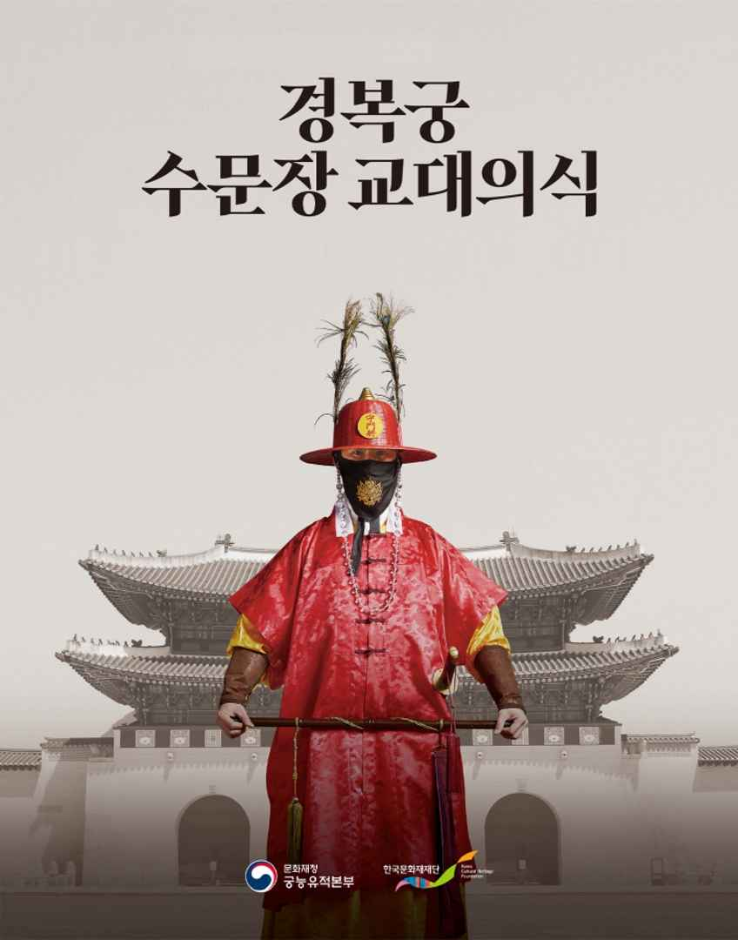
Palace Royal Guard Changing Ceremony (수문장 교대의식)
15.0Km 2025-07-11
161 Sajik-ro, Jongno-gu, Seoul
+82-2-3210-1645
In the Joseon dynasty, the royal guards of the palace were gatekeepers who were responsible for guarding the the main gates of Gyeongbokgung Palace as well as the main gates of the city such as Heunginjimun Gate and Sungnyemun Gate. The royal guards worked in shift duties and were in charge of opening and closing Gwanghwamun Gate. Before the royal guard system was enforced in 1469, the palace gates were protected by soldiers of the central army. The Palace Royal Guard Changing Ceremony held at Gyeongbokgung Palace and the Gwanghwamun area reenacts the guard-changing procedure that took place during the Joseon dynasty, along with the reproduction of costumes and weapons, based on historical records.
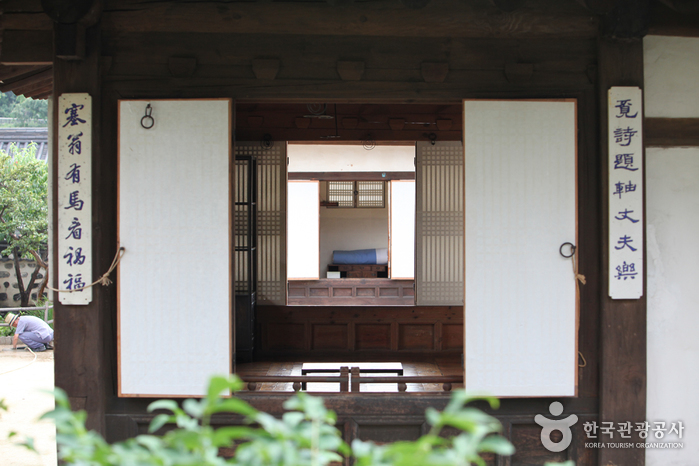
Haepungbuwongun Yun Taekyeong's Jaesil (해풍부원군윤택영댁재실)
15.0Km 2021-11-10
28, Toegye-ro 34-gil, Jung-gu, Seoul
Haepungbuwongun Yun Taekyeong's Jaesil is a shrine house built by the father-in-law of King Sunjong of Joseon dynasty in 1906 when his daughter was proclaimed the crowned princess of Joseon and entered Changdeokgung Palace to later become Queen Sunjeong. Red pine trees salvaged from the demolition of Gyeongungung Palace were used to construct the house. It was originally located in Jegi-dong, Dongdaemun-gu, but was later restored and moved to its present location. The shrine of the house that was destroyed in 1960 was also restored.
Because the house is more of a shrine rather than residential living quarters, it has many unique features. For example, unlike other houses, it has the anchae (women’s quarters) located across from sarangbang (men’s quarters) with daecheong (living room) positioned between them.
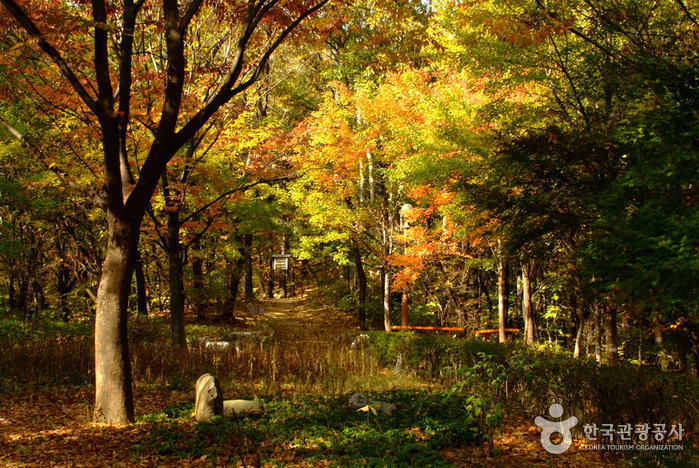
Cheongdam Park (청담공원)
15.0Km 2021-07-30
26, Yeongdong-daero 131-gil, Gangnam-gu, Seoul
Up until the early 1960's, people would cross the Hangang River from Ttukseom Ferry Dock and arrive in Cheongdam-dong. Although highly developed, Cheongdam Park remains as a soothing natural oasis that is relatively untouched by city pollution. Following the trail, there is a small exercise area and playground. The park is quite crowded in the morning with people exercising. The tightly woven trees in the park offers a resting place to enjoy fresh air. The park size is 59,347 ㎡.
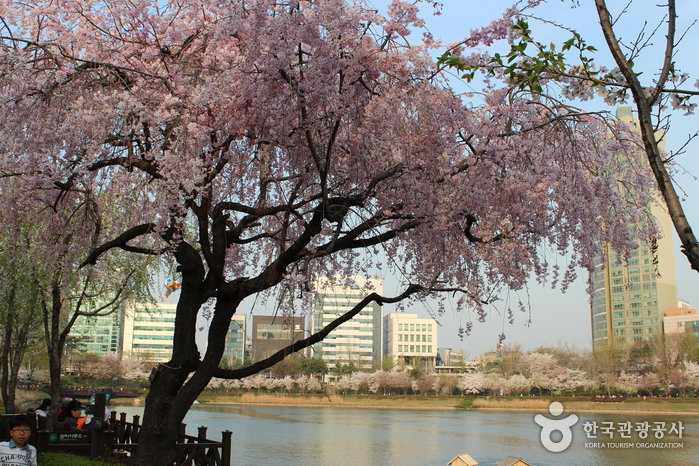
Songpa Naru Park (Seokchonhosu Lake) (송파나루공원 (석촌호수))
15.0Km 2025-10-23
136 Samhaksa-ro, Songpa-gu, Seoul
Songpa Naru Park, also commonly referred to as Seokchonhosu Lake, is a citizen park in Seoul with a jogging course and walking trails. It has two lakes with Songpa-daero Boulevard running in between. Originally, a branch of the Hangang River ran through the site, forming one large lake, but the lake was divided into two with the construction of Songpa-daero Boulevard. The total size of the two lakes is 217,850 ㎡, and they hold about 737 tons of water. The depth of the lakes is 4-5 meters.
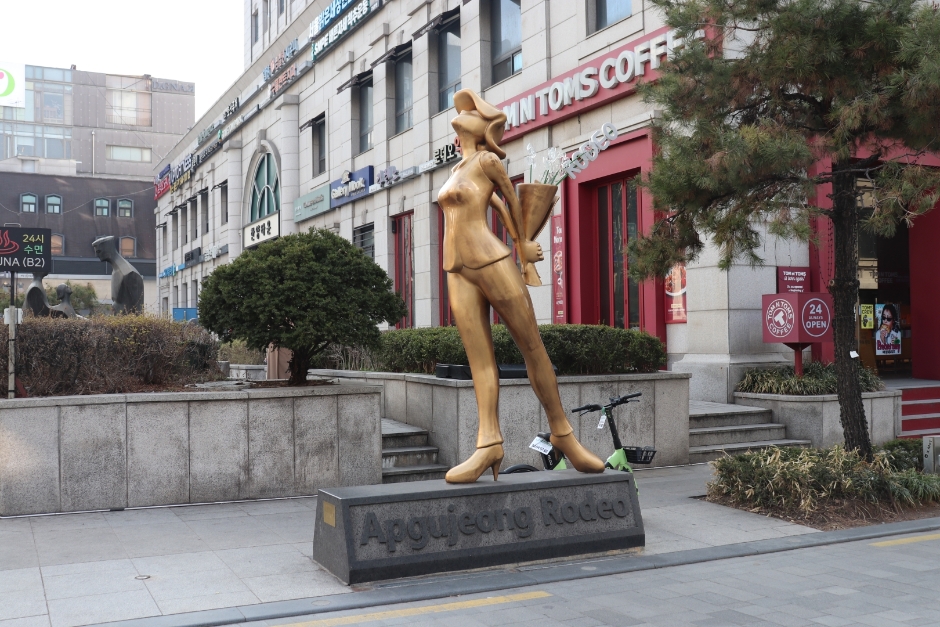
Apgujeong Rodeo Street (압구정 로데오거리)
15.0Km 2024-03-18
Sinsa-dong, Gangnam-gu, Seoul
Apgujeong Rodeo Street is a cultural street in Apgujeong full of luxury brands and multi-shops. It is a popular destination with significant foot traffic thanks to its convenient shopping opportunities, famous cafés and restaurants, and shops with unique interior design. This street is the place to experience Korean fashion and cultural trends. Nearby tourist sites include Cheongdam Fashion Street and Garosu Street of Sinsa-dong.
 English
 한국어
한국어 日本語
日本語 中文(简体)
 Deutsch
 Français
 Español
 Русский


