Seoul Children's Grand Park (서울어린이대공원) - Area information - Korea travel information

Seoul Children's Grand Park (서울어린이대공원)

Seoul Children's Grand Park (서울어린이대공원)

11.1Km    2024-11-28

216 Neungdong-ro, Gwangjin-gu, Seoul

Opened in May 1973, Seoul Children’s Grand Park is a theme park situated among green forests and fields with a total area of 56,552㎡. It contains a zoo, arboretum, amusement park, and performance venues. Seoul Children’s Grand Park has been a beloved part of Seoul, a paradise for children and a living venue for education. For grown-ups, it functions as an area of refuge and culture within the city. The Grand Park offers facilities that everyone in the family can enjoy, so everyone can find their own fun in the Grand Park.

Seonungak (한옥카페 선운각)

Seonungak (한옥카페 선운각)

11.1Km    2025-10-29

223 Samyang-ro 173-gil, Gangbuk-gu, Seoul

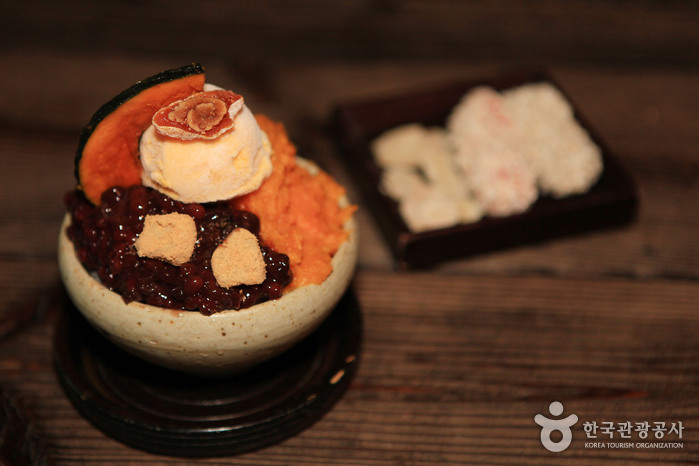
Seonungak is a hanok cafe facing Doseonsa Temple at the foot of Bukhansan Mountain, the perfect location to take in the beauty of the changing seasons. The cafe is also the largest hanok building outside of the royal palaces in Seoul. Previously limited to weddings and filming events, the hanok has reopened as a cafe, selling a range of traditional Korean drinks.

Seoul Upcycling Plaza (서울새활용플라자)

11.1Km    2024-01-05

49 Jadongchasijang-gil, Seongdong-gu, Seoul

Saehwaryong is a Korean term for upcycling, a process of redesigning or recycling discarded resources or materials to give them a new value or purpose. Seoul Upcycling Plaza operates upcycling-related exhibitions, upcycling practice education and experience programs, design studios, upcycling stores, workshops, and more. It is a great place to look around for ideas and inspirations on how to use products for longer periods of time. The plaza demonstrates the first step to creating a resource-recycling society.

Sejong University Museum (세종대학교 박물관)

Sejong University Museum (세종대학교 박물관)

11.2Km    2022-09-16

209, Neungdong-ro, Gwangjin-gu, Seoul
+82-2-3408-3876

Sejong University Museum exhibits folk art, wooden crafts, clothing, accessories, pottery, paintings and calligraphy collected for over 40 years by the couple who founded the present day Sejong University, Dr. Ju Young-ha and Dr. Choi Ok-ja. This museum has its origins in the Soodo Gallery, which was built in Chungmuro, the campus’ original location, in 1959. Needing more space to house additional artifacts, the museum moved to its current location, which first opened on May 5, 1973 in a four-story concrete building inspired by traditonal tower design from the Baekje era. This building was later expanded on May 20, 1977.

After the university’s name was changed to Sejong University in 1979, the museum was also renamed the Sejong University Museum. The museum showcases unique artifacts to both scholars and students from home and abroad in contribution to the research of Korea’s culture, arts, and archeology.

Uidonggyegok Valley (우이동계곡)

Uidonggyegok Valley (우이동계곡)

11.3Km    2021-06-09

Ui-dong, Gangbuk-gu, Seoul
+82-2-909-0497

Uidonggyegok Valley is located between Bukhansan Mountain and Dobongsan Mountain, and is a popular retreat for locals. Near the entrance to the valley are accommodations, a playground, wedding hall, and other amenities. Clean water runs through the valley, and is lined with restaurants. The hiking path starting to the left of the valley entrance passes Doseonsa Temple on the way to Insubong Peak. The hiking path through the valley is quite difficult, but leads to Uiam Hermitage, and further to Dobongsan Mountain along the ridge. Additional temples in the area include Seongbulsa, Yongdeoksa, Seonunsa, and Gwangmyeongsa Temples.

Dobongsan Mountain (도봉산)

Dobongsan Mountain (도봉산)

11.3Km    2021-06-29

Dobong-dong, Dobong-gu, Seoul
+82-2-954-2566

Dobongsan Mountain, located in the northeastern section of Bukhansan National Park, is known for the magnificent rock formations of the main peak, Jaunbong Peak (740.2 m), as well as Manjangbong, Seoninbong, Jubong, Obong Peaks and Uiam Rock. Seoninbong Peak in particular has 37 hiking courses, including the famous Bakjwi (Bat) Course.

The mountain is also home to Cheonchuksa Temple, the oldest temple in the region, and several other temples including Mangwolsa and Hoeryongsa Temples, as well as a number of beautiful valleys such as Dobonggyegok, Songchugyegok, Obonggyegok and Yeongeocheongyegok Valleys. Dobongsan Mountain is easily accessible by public transportation, making it a popular attraction for people living in Seoul.

Alto [Tax Refund Shop] (알토)

Alto [Tax Refund Shop] (알토)

11.3Km    2024-04-19

189, Gucheonmyeon-ro, Gangdong-gu, Seoul

-

Cheonggyecheon Museum (청계천박물관)

Cheonggyecheon Museum (청계천박물관)

11.3Km    2021-11-02

530, Cheonggyecheon-ro, Seongdong-gu, Seoul
+82-2-2286-3410

Cheonggyecheon Museum officially opened in October 2005. The museum’s long, glass exterior represents the flowing waters of Cheonggyecheon Stream, which runs through the heart of Seoul. The museum has a permanent exhibition hall, special exhibition hall, educational hall, and an auditorium. The museum contains visual representations of Seoul before and after the transition of Cheonggyecheon Stream. The permanent exhibition hall was remodeled in October 2015, and now offers even more ways to view the history of Seoul as shaped by Cheonggyecheon Stream.

Enter 6 - Cheonho Station Branch [Tax Refund Shop] (㈜엔터식스패션쇼핑몰 천호역점)

11.5Km    2024-04-19

B1, Cheonho Station of Subway Line 5, 8, 997, Cheonho-daero, Gangdong-gu, Seoul

-

Uijeongbu Art Library (의정부 미술도서관)

11.5Km    2025-10-27

248, Millak-ro, Uijeongbu-si, Gyeonggi-do
+82-31-828-8870

Opened in December 2019, this is the first specialized library in Korea, combining a library with an art museum. The first floor has the Art Ground Exhibition Hall (small-scale space for special exhibitions). In contrast, the second floor has reading rooms and libraries, including libraries for children and young adults. The third floor has the Open Studio and a Multipurpose Hall, intended for artists and cultural events.